 ショッピング
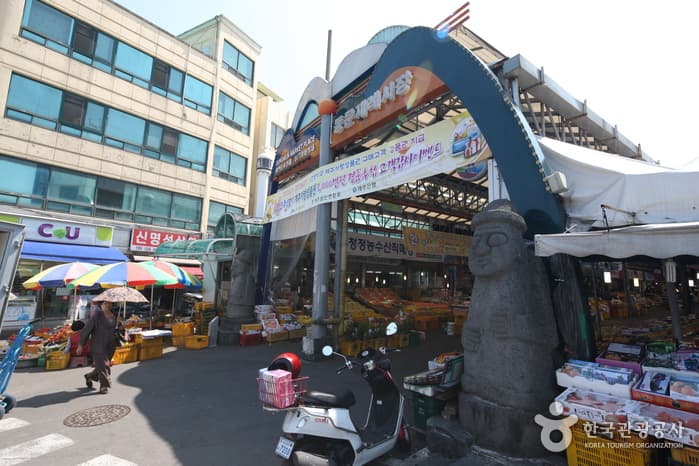
東門伝統市場
1945年の光復直後に形成された、済州島を代表する伝統的な市場です。野菜、果物、水産物、衣類など多種多様な品目を取り扱っています。特に、ハタの刺身やアワビの肝ご飯の三合(サムハプ)といった新鮮な海産物やフュージョン料理が人気で、東門伝統水産市場とともに済州島最大規模の常設市場として機能しています。
6,600以上のスポットをエリア・種類・気分で探せます。
1,691件
ショッピング1945年の光復直後に形成された、済州島を代表する伝統的な市場です。野菜、果物、水産物、衣類など多種多様な品目を取り扱っています。特に、ハタの刺身やアワビの肝ご飯の三合(サムハプ)といった新鮮な海産物やフュージョン料理が人気で、東門伝統水産市場とともに済州島最大規模の常設市場として機能しています。
 体験
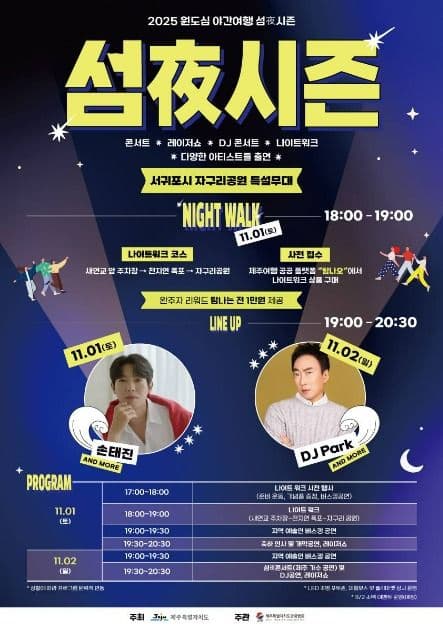
中央ロータリー周辺に位置する済州市の旧市街は、古い建物や文化財が密集するかつての中心地です。済州特別自治道では、この地域の夜間観光コンテンツを開発するため、「旧市街ナイトツアー・島夜シーズン」を開催しており、ナイトウォークやコンサート、花火など多彩なプログラムを楽しめます。
 自然
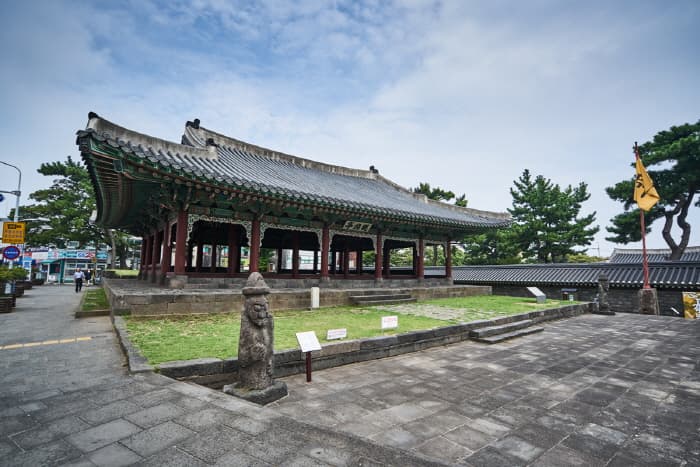
管徳亭は、1448年に済州牧使が地域の軍隊を訓練するために建立した朝鮮前期の亭舎であり、済州で最も古い建造物の一つです。寿暦十長生図や赤壁大戦の場面、狩猟図などが描かれた華やかな丹青や、安平大君の筆跡で知られる扁額が特徴です。
 宿泊
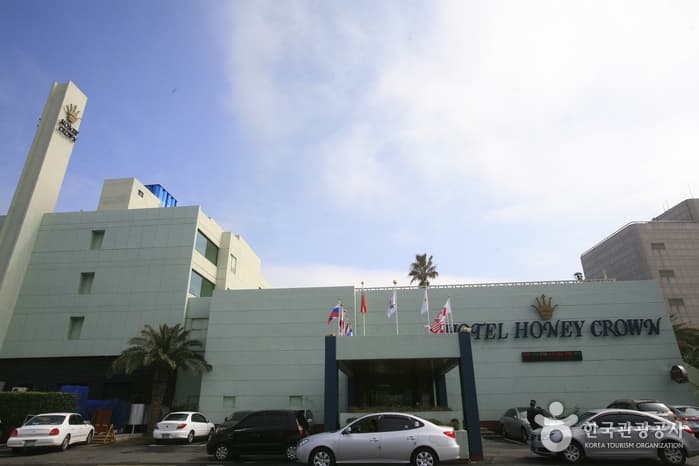
済州市二道1洞に位置するハニクラウンホテルは、東門市場や塔洞海岸広場まで車で約5分の距離にある宿泊施設です。三星穴(0.16km)や済州特別自治道民俗自然史博物館(0.41km)などの主要観光地へのアクセスが良く、無料駐車場と庭園施設を完備しています。
慧仁医療財団 韓国病院は、1983年から済州特別自治道済州市西光路に位置する総合病院です。関節脊椎センター、脳神経センター、高血圧糖尿病センターなどの専門診療科を運営しており、健康診断や救急室も備えています。
 体験
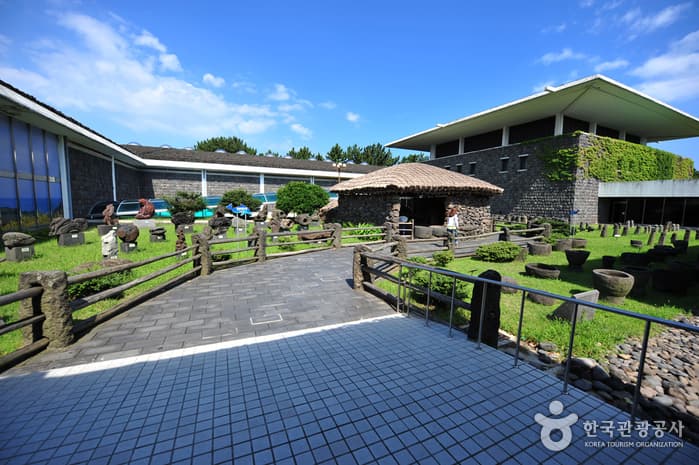
Opened in 1984, the Jeju Folklore & Natural History Museum is a museum that collects and exhibits Jeju Island's archaeological and folklore materials, as well as specimens of animals, minerals, plants, and marine life. The lobby features a 12.6-meter-long whale skeleton specimen and a large-scale fish diorama, while the Natural History Exhibition Hall offers a three-dimensional viewing experience of approximately 1,500 items, including Jeju Island's geology and various flora and fauna specimens.
 体験
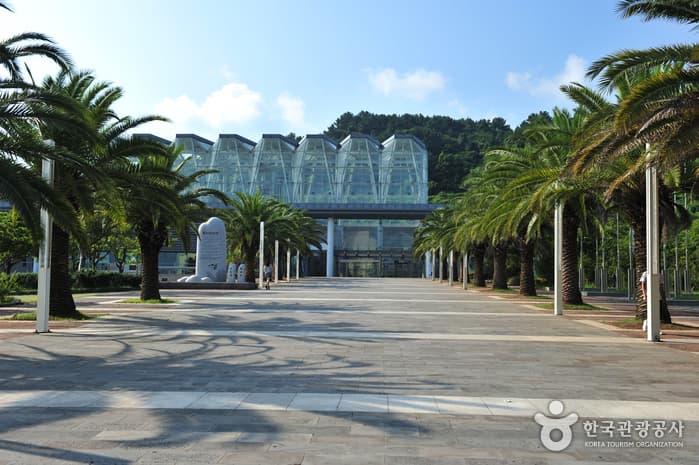
The Jeju International Peace Center is a symbolic landmark established in the Jungmun Tourist Complex, Seogwipo-si, to commemorate Jeju's designation as a UNESCO World Peace Island in 2005. Spanning two floors above ground and one basement level, the facility features four exhibition halls, seminar rooms, and a cafeteria. It showcases various audiovisual materials that introduce the background of Jeju's peace designation and its role as a center for peace in Northeast Asia.
 体験
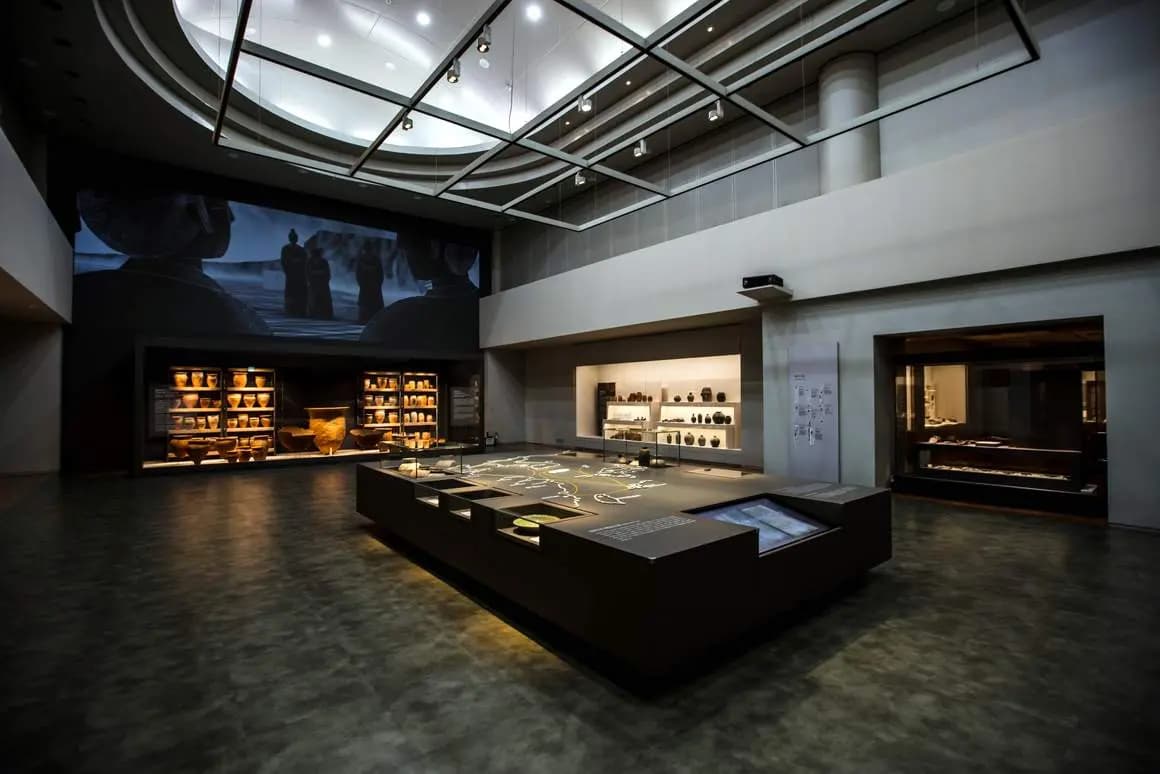
国立済州博物館は、済州の歴史と文化遺産を体系的に展示・保存・研究する考古・歴史博物館であり、先史時代から朝鮮時代までの遺物や耽羅(タムラ)文化を紹介しています。済州の人々の物語や自然に刻まれた歴史を体験することができ、さまざまな特別展や教育プログラムも提供しています。
47 Tapdong-ro, Jeju-si, Jeju-do
Located on Seosa-ro in Jeju-si, Jeju Pacific Hotel is situated in the heart of the old downtown area, where Jeju's traditions and history are well preserved. It offers excellent accessibility, being located close to major tourist attractions such as Jeju International Airport, Yongduam Rock, and Dongmun Market. The hotel features 177 guest rooms and a variety of amenities, including a rooftop pool, a fitness center, and both Korean and Western-style restaurants.
 宿泊
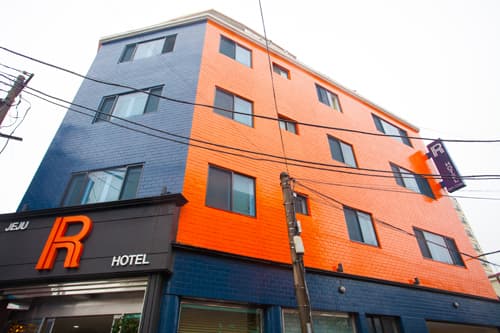
JEJU R HOTEL is an accommodation offering modern and simple rooms, located just a 5-minute drive from Jeju International Airport and a 1-minute walk from the Intercity Bus Terminal. The property features a variety of room types ranging from dormitories to 10-person rooms, along with amenities such as a cafe and karaoke rooms. Additionally, public laptops are available in the lobby for guest use.
Jeju Samseonghyeol is a prehistoric oral tradition site where it is said that Go Eul-na, Yang Eul-na, and Bu Eul-na—the progenitors of the Go, Yang, and Bu clans—emerged from the ground. The site features three holes arranged in a character shape, along with various monuments such as Samseongjeon, Hongmun, and Hyeolbi, which were built to honor them. Chunchujae is performed every spring and autumn, and Geondaeje is held in December as a festival for the people of Jeju.