← Jeju NowVisit Jeju

East coast

Seongsan, Udo, Gimnyeong — curated from 1,100+ east spots

75 places

Gimnyeong Seongsegihaebyeon Beach (김녕성세기해변 (김녕해수욕장))Nature

East120 min

Gimnyeong Seongsegihaebyeon Beach (김녕성세기해변 (김녕해수욕장))

Gimnyeong Seongsegihaebyeon Beach is located in the village of Gimnyeong, which earned its name because its shape resembles the Chinese character 'Pyeong (平)' when viewed from above. Formed by sand accumulating atop massive, flat lava rocks, this beach is characterized by its white sands and cobalt-blue waters. Nearby, you can find various coastal fishing spots and caves such as Manjanggul Cave, and you can observe the geological resources of the UNESCO Global Geopark via the Geotrail walking paths.

Samdal GardenNature

East120 min

Samdal Garden

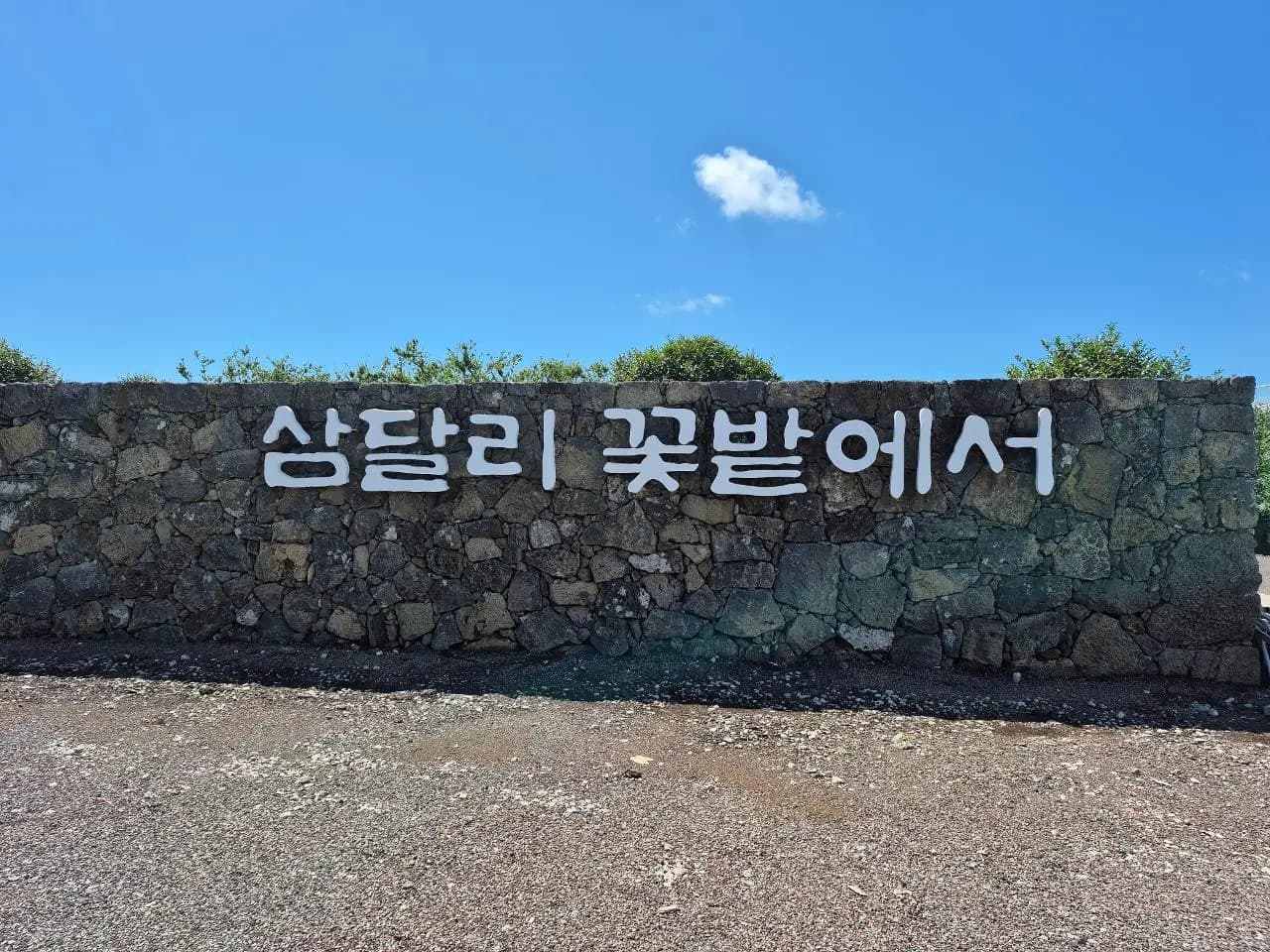
Located in Samdal-ri, Seongsan-eup, Seogwipo-si—the filming location for the popular dramas *Welcome to Samdal-ri* and *Our Blues*—Samdal Garden is a private camellia garden of breathtaking beauty. Spanning approximately 33,000 square meters, this enchanting estate features a blend of palm tree paths, olive tree walkways, and a charming cafe, creating a uniquely exotic atmosphere. It is especially renowned as a premier destination to witness the stunning bloom of miniature camellias, which reach their peak splendor in February.

Gimnyeong Cheonggulmul (Spring Water)Nature

East120 min

Gimnyeong Cheonggulmul (Spring Water)

Located near Gimnyeong Beach in Gujwa-eup, Jeju, Gimnyeong Cheonggulmul (Spring Water) is a natural basin formed where groundwater flowing beneath the earth rises to the surface near the coastline. In Jeju, this type of spring water is known as 'sanmul,' meaning 'living water.' Situated right by the seaside, Gimnyeong Cheonggulmul (Spring Water) offers a breathtaking setting where you can enjoy stunning natural scenery while witnessing this unique geological phenomenon.

Jeju Marine Animal MuseumExperience

East90 min

Jeju Marine Animal Museum

Located on a sprawling 33,000-square-meter site near Seongsan Ilchulbong, the Jeju Marine Animal Museum offers a unique opportunity to observe a diverse array of marine specimens up close, including whale sharks, ocean sunfish, starfish, and even sturgeon—a species no longer found on the Korean Peninsula. The Jeju Marine Animal Museum provides engaging educational and hands-on experience programs using authentic specimens, and with its outdoor playground, it is an ideal destination for families traveling with children.

Jinville Field RoadNature

East120 min

Jinville Field Road

Located in Woljeong-ri, Gujwa-eup, Jinville Field Road is a scenic walking path created as part of a rural sixth-industry development project that celebrates Jeju's traditional stone walls. This area is considered a core section of the island's stone walls, where the density and unique characteristics of the structures are most striking. As part of the Jeju stone walls, which were designated as a Globally Important Agricultural Heritage System by the FAO in 2014, Jinville Field Road offers a beautiful way to immerse yourself in Jeju's distinctive rural landscape and traditional farming culture while strolling along paths harmoniously woven into nature.

Dang Oreum Volcanic Cone (Gujwa-eup)Nature

East120 min

Dang Oreum Volcanic Cone (Gujwa-eup)

Oreums are volcanic cones scattered across Jeju Island, and there are several locations sharing this name. These include sites in Songdang-ri, Gujwa-eup; Wasan-ri, Jocheon-eup; and Donggwang-ri, Andeok-myeon. Notably, the Dang Oreum Volcanic Cone (Gujwa-eup) is located in Songdang-ri and is renowned as the sacred site housing the Bonhyangdang, an ancestral shrine considered the original source of Jeju's traditional Shindang shrines. Meanwhile, the version in Wasan-ri is named after the Nunmi Buldotdang shrine situated to its north, and was historically referred to as Nuonmi or Waohosan.

Sinyang Coastal Road Nature

East120 min

Sinyang Coastal Road

Spanning 9.4 km from the entrance of Sinyang-ri to Sinsan-ri, Sinyang Coastal Road offers a breathtaking driving experience with the stunning vistas of Seongsan Ilchulbong and Seopjikoji unfolding in the background. The nearby Sinyang Beach features a beautiful, bow-shaped sandy coastline. Visitors can also indulge in incredibly fresh seafood, such as sea anemones and sea squirts, at local food stalls where local Haenyeo (female divers) sell their daily catches.

SeopjikojiNature

East120 min

Seopjikoji

Located on the eastern coast of Jeju, Seopjikoji is a distinctive peninsula that juts out into the sea like the tip of a nose, offering breathtaking coastal views with Seongsan Ilchulbong as a dramatic backdrop. Visitors can wander along paths made of red volcanic scoria (songi), marvel at the rugged coastal cliffs, and admire the towering rock formations. The landscape is further beautified by vibrant fields of canola flowers stretching across the plains and the sight of Jeju ponies grazing peacefully.

Haemaji Coastal RoadNature

East120 min

Haemaji Coastal Road

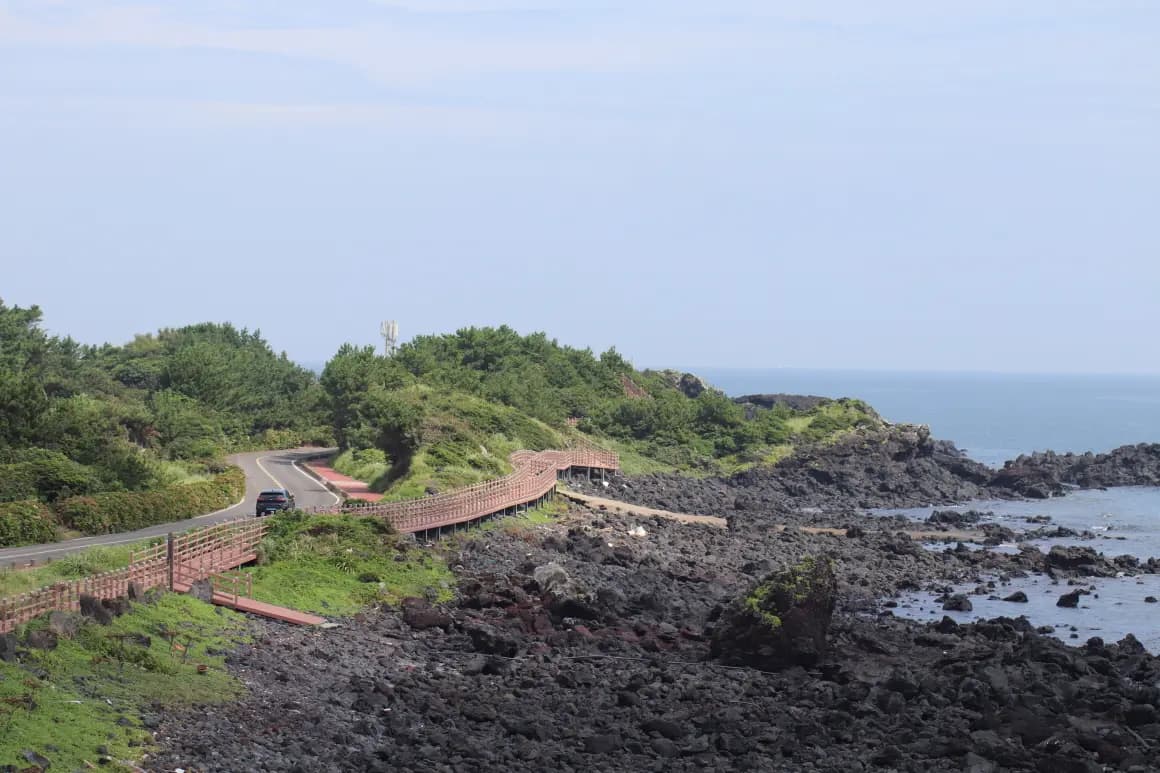
Haemaji Coastal Road is a stunning 27.8km stretch of road winding along the coastline from Gimnyeong-ri in Gujwa-eup, Jeju-si, to Ojo-ri in Seongsan-eup, Seogwipo-si. Its name beautifully captures the essence of the route, signifying the direction of the rising sun in the east. Connecting the scenic villages of Gimnyeong, Woljeong-ri, Sehwa, Hado, and Jongdal-ri to the iconic Seongsan Ilchulbong, this breathtaking drive is also a featured segment of the Olle Trail Route 21.

Woljeong Bazle Surfing & PaddleboardExperience

East90 min

Woljeong Bazle Surfing & Paddleboard

Located on Woljeong 3-gil in Gujwa-eup, Jeju-si, Woljeong Bajeul Surfing & Paddleboard specializes in professional surfing and paddleboarding lessons at the beautiful Woljeongri Beach. The programs are designed to accommodate all ages, from adults to children and students. For those looking to learn the ropes, the surfing lessons include a one-hour theory session to ensure a safe and informative experience. If you are already a pro, you can also simply rent equipment, such as paddleboards and wetsuits, to enjoy the ocean at your own pace.

Haumokdong PortNature

East120 min

Haumokdong Port

Located in the sea south of Seongsan Ilchulbong, Udo Island is a destination visited by many every year to enjoy its beautiful scenery. There are two ports on this island: Cheonjin Port, the gateway to Udo, and Haumokdong Port, located in the middle of the island. Although smaller than Cheonjin Port, it has the advantage of being close to Seobinbaeksa, where white coral washes up on the shore. When returning to the main island, you can use your purchased ticket to board a boat at either Haumokdong Port or Cheonjin Port; if you arrived via Cheonjin Port, you might consider using Haumokdong Port for your return. It takes about 10 to 15 minutes from Seongsan Port and Jongdal Port.

Ojo PortNature

East120 min

Ojo Port

Nestled within a tranquil and quiet village, Ojo Port offers a breathtaking view of Seongsan Ilchulbong rising above the sea. The name 'Ojo' carries the poetic meaning, "the sun shines upon me first when it rises over Ilchulbong." The area features lovely walking trails, perfect for enjoying a leisurely stroll while soaking in the unique scenery. A wooden bridge connected to Ojo-ri Village allows visitors to feel as if they are walking directly on the ocean. As part of the Jeju Olle Route 2, it is a popular stop for hikers looking to pause and admire the harmonious blend of the sea and Seongsan Ilchulbong. For an even better vantage point, hikers can climb the nearby Siksanbong Peak to enjoy the sweeping views amidst lush greenery and fresh air. While it may lack flashy attractions, the seamless harmony between the sea, the iconic peak, and the surrounding natural landscape makes Ojo Port a perfect place to experience the peaceful charm of a Jeju coastal village.

Haemaji Haean-roNature

East120 min

Haemaji Haean-ro

A coastal road approximately 27.8km long that stretches from Gimnyeong-ri, Gujwa-eup, Jeju City, to Ojo-ri, Seongsan-eup, Seogwipo City, carrying the meaning of the direction where the sun rises on the east side of Jeju. It connects Gimnyeong, Woljeong-ri, Sehwa, Hado, Jongdal-ri, and Seongsan Ilchulbong, and is included in Olle Course 21. Various nearby attractions such as Byeolbangseong Fortress, Tokki Island, Hado-ri Reservoir, and Jongdal-ri Haesindang are located along the route, making this a driving course where you can encounter Jeju's nature, folklore, and ecology.