← Jeju NowVisit Jeju

Nature & trails

Oreums, waterfalls, Olle — outdoor picks from 2,400+ nature listings

155 places

Gasaegi OreumNature

North120 min

Gasaegi Oreum

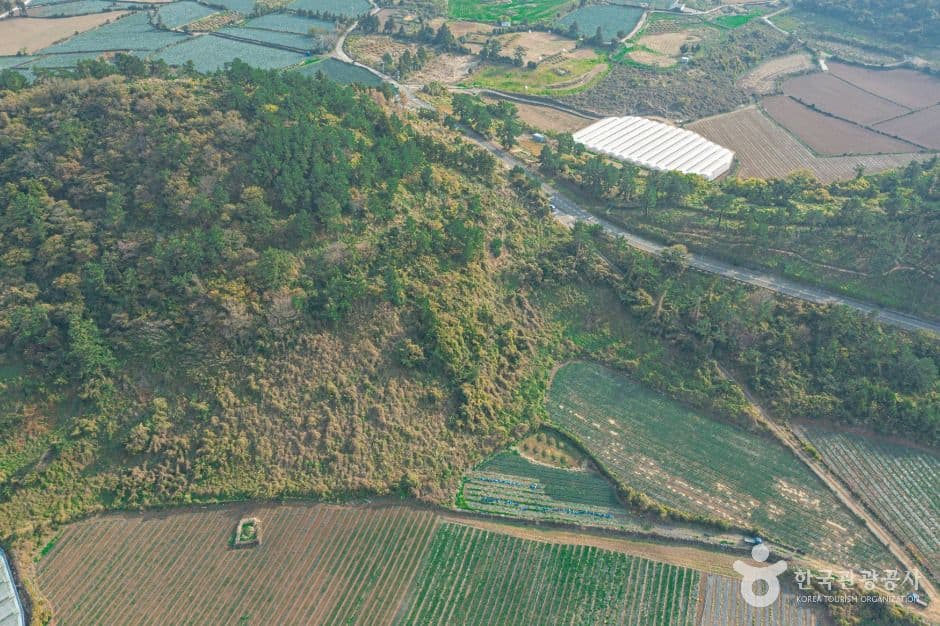
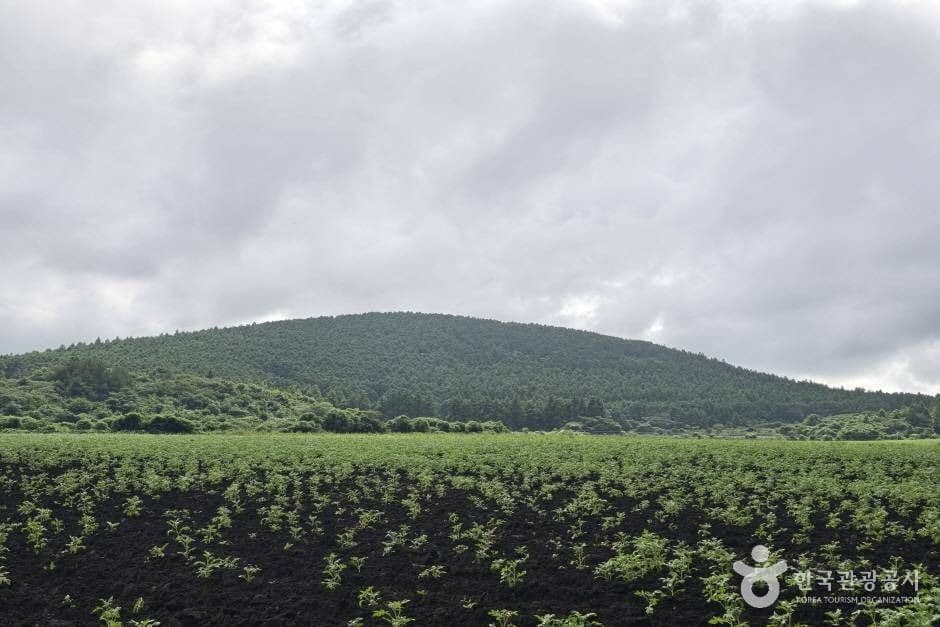
Located northwest of Yeonmi Village in Ora-dong, Gasaegi Oreum is a small, conical volcanic cone without a crater. Its north-south ridge is blanketed in a lush forest of dense black pine trees. According to local Feng Shui lore, the nearby Min Oreum represents a mother dog, while Gasaegi Oreum, situated just below, represents her puppy—giving rise to its local nickname. Because the landscape resembles a mother dog and her pup nestled together, the northwestern slopes have long been considered an auspicious site, symbolizing the nurturing breast of a mother dog.

Gaeori OreumNature

North120 min

Gaeori Oreum

Located east of the Jeju Pony Ranch, Gaeori Oreum is a complex volcanic formation characterized by three distinct peaks of varying sizes. The main peak, where a broadcasting tower stands, serves as the centerpiece of this unique landscape. The volcano features two horseshoe-shaped craters: the larger northern crater and a smaller conical peak in the center known as Saetgaeori. The entire slope is covered in a lush natural forest of deciduous and evergreen trees, interspersed with cedar and pine. During the winter months, the sight of rows of cedar trees against the grayish-brown slopes—stripped of their leaves—creates a striking and ethereal scenery. Due to its resemblance to a stingray (gaori), the mountain is also known by several local names, including Gaori Oreum, Gaewori Oreum, and Gaewol Oreum.

Gaetgeori OreumNature

South120 min

Gaetgeori Oreum

Gaetgeori Oreum is a distinct conical volcanic cone located along the roadside, connected to the eastern side of Georinsaseum and separated from it by a steep mountain pass. A rest area situated at mid-level on the slope of Georinsaseum offers drivers a place to pause and enjoy panoramic views of Jeju’s southwestern landscape, as well as the coastline stretching from Seogwipo City to Mosulpo Beach. Note that another oreum also known as Gaetgeori Oreum can be found east of Munsudo in Myeongwol-ri, Hallim-eup. On the southern side of this oreum lies the Manbeongdeung Cemetery, a site steeped in Jeju’s history where victims were buried, offering visitors a poignant space for remembrance and reflection.

Golche Oreum CampingNature

East120 min

Golche Oreum Camping

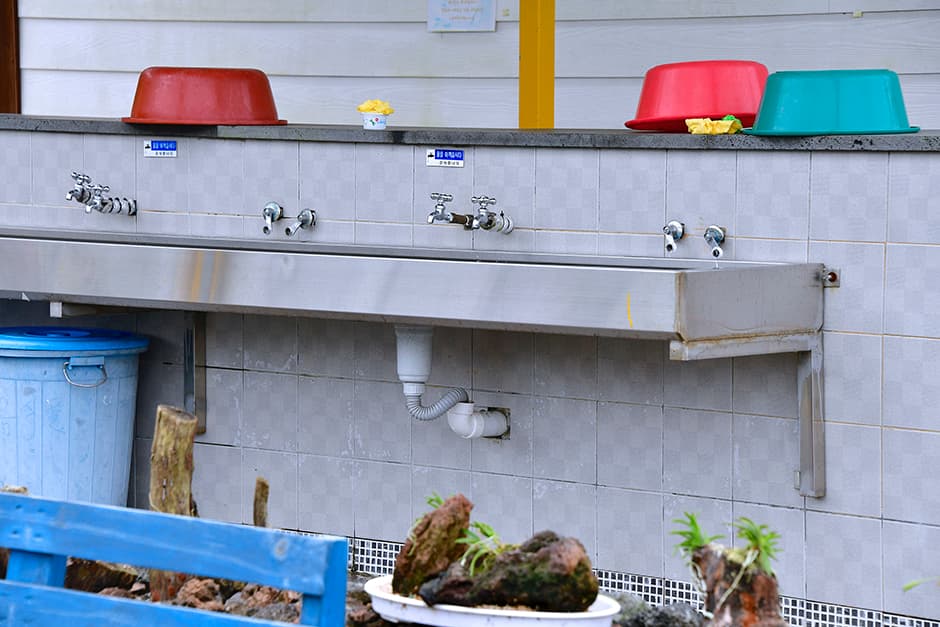
Golche Oreum Camping is an ideal family campsite featuring a central grassy field where children can run freely. The site offers free rentals of soccer balls, badminton sets, catch balls, jump ropes, and hula hoops, making it an easy place to enjoy outdoor play. The central lawn provides a safe play area for children, allowing parents to keep a watchful eye from the comfort of their tents. The facilities include six well-maintained wooden deck camping sites and clean, refreshing restrooms, including accessible facilities for people with disabilities. Each site is equipped with its own distribution box for convenient electrical use. Surrounded by numerous oreums (volcanic cones) such as Geumun, Ujinjebi, Min, Budae, and Buso, the area is perfect for scenic walks. Jeju's oreums are said to change their appearance depending on the season, weather, time of day, and even one's mood. This campsite offers the perfect opportunity to experience the ever-changing beauty of these volcanic landscapes.
Donaeri OreumNature

South120 min

Donaeri Oreum

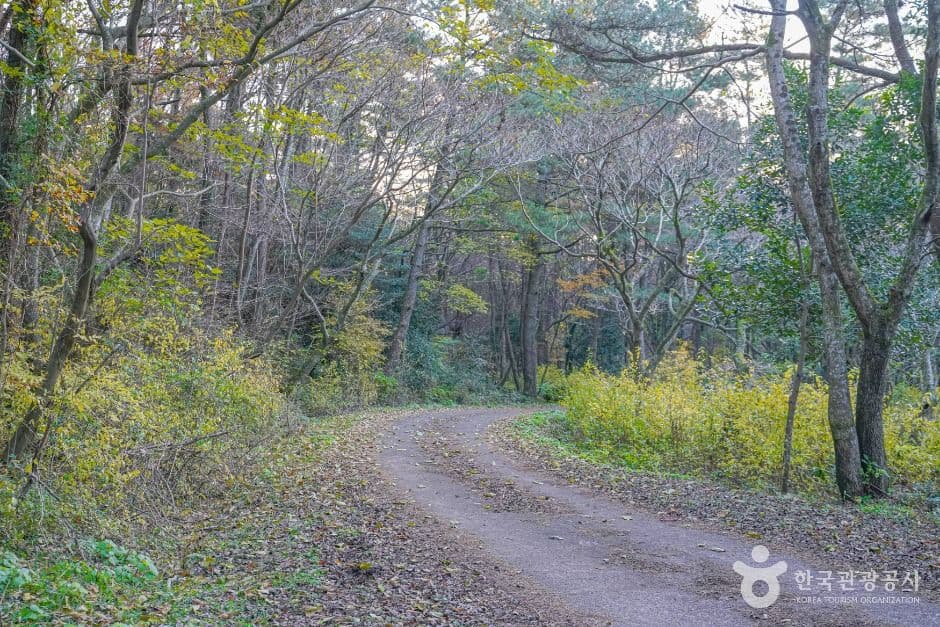
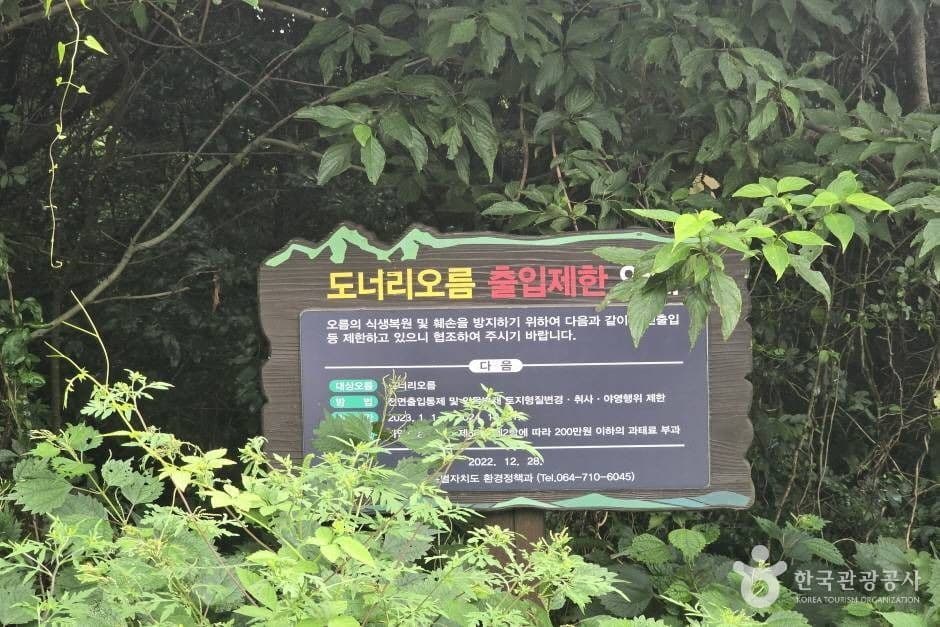
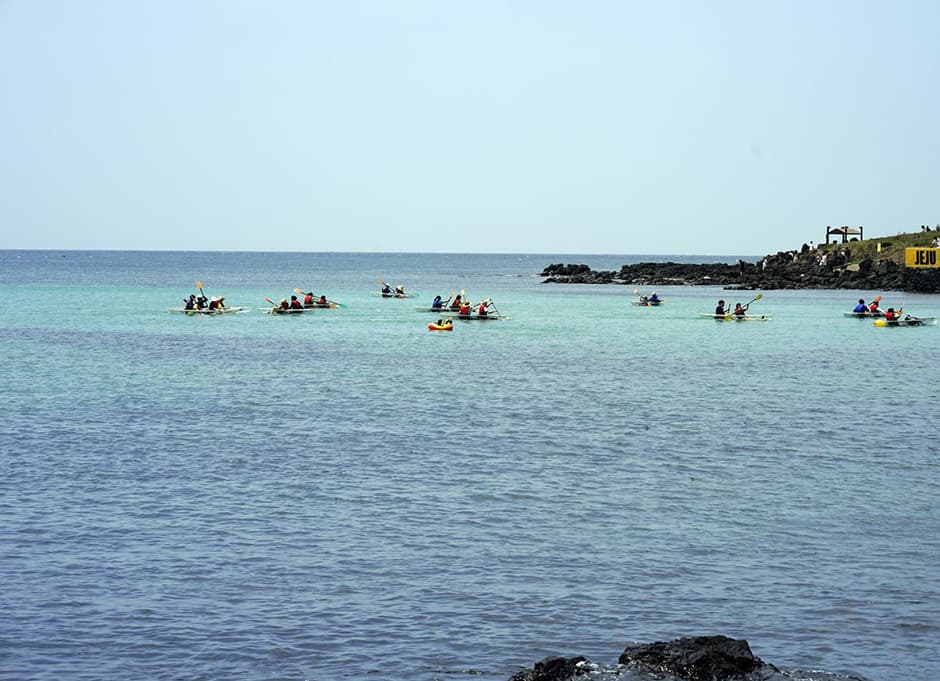
Donaeri Oreum is a quintessential Jeju forest where rugged terrain, formed by viscous lava flows, is intertwined with a lush tapestry of trees and climbing vines. Thanks to its abundant groundwater, the area boasts a unique ecosystem where northern and southern plant species coexist. Located on the border between Donggwang-ri, Andeok-myeon, and Geumak-ri, Hallim-eup, an access path to the ranch can be found midway along the road in front of Jeongmul Oreum on Hanchang-ro.

Gimnyeong Seongsegihaebyeon Beach (김녕성세기해변 (김녕해수욕장))Nature

East120 min

Gimnyeong Seongsegihaebyeon Beach (김녕성세기해변 (김녕해수욕장))

Gimnyeong Seongsegihaebyeon Beach is located in the village of Gimnyeong, which earned its name because its shape resembles the Chinese character 'Pyeong (平)' when viewed from above. Formed by sand accumulating atop massive, flat lava rocks, this beach is characterized by its white sands and cobalt-blue waters. Nearby, you can find various coastal fishing spots and caves such as Manjanggul Cave, and you can observe the geological resources of the UNESCO Global Geopark via the Geotrail walking paths.

Hwasun Golden Sand Beach (화순 금모래 해변)Nature

South120 min

Hwasun Golden Sand Beach (화순 금모래 해변)

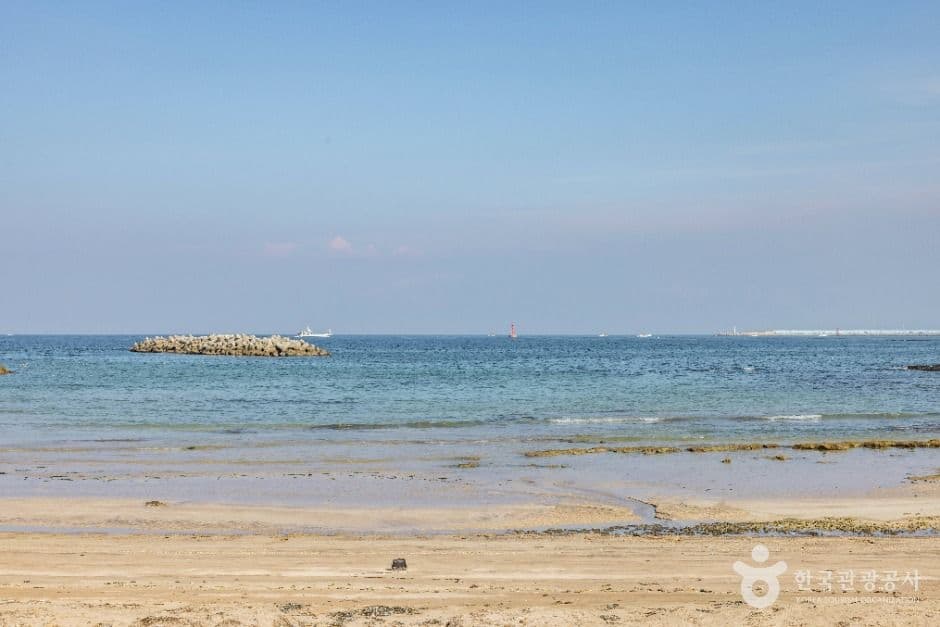
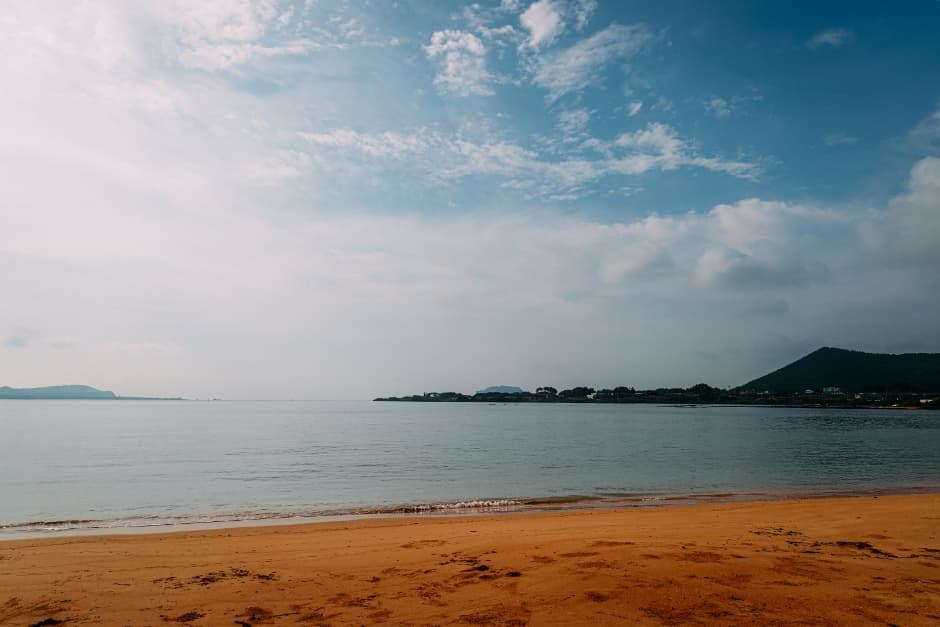
Hwasun Golden Sand Beach features a stunning landscape of black sand, framed by the majestic Sanbangsan Mountain behind it and offering breathtaking views of Gapado, Marado, and Hyeongje Island in the distance. Adjacent to the beach lies the wide sandy expanse of Sogeummak Beach. During the summer season, an outdoor freshwater pool fed by natural spring water is available, allowing visitors to enjoy both ocean swimming and freshwater bathing at the same time.

Mulyeongari OreumNature

South120 min

Mulyeongari Oreum

Mulyeongari Oreum is a volcanic cone featuring a crater filled with a pristine wetland, where legends say a "guardian deity of water" resides. In 2006, this wetland became Jeju Island's first designated Ramsar site, serving as a vital ecological sanctuary for various flora and fauna, including endangered species. Connected to the Sumang-ri Jungjatseong ecological trail, the area offers a scenic trekking experience following the perimeter of the surrounding ranch.

Gamuni OreumNature

East120 min

Gamuni Oreum

Located in Songdang-ri, Gujwa-eup, Jeju City, Gamuni Oreum is a gentle volcanic cone situated just west of Seongbul Oreum. Facing the nearby Bulgeun Oreum, its slopes are adorned with lush forests of cedar and black pine, topped by a canopy of deciduous trees. The name "Gamuni" originates from its dark appearance caused by the dense, thick forests. The horseshoe-shaped crater is home to unique wildflowers, such as white and pink pasqueflowers, and the dense woods within the crater lend the peak a mystical, sacred atmosphere. As part of a cluster of volcanic cones including Bulgeun, Guduri, and Chetmang Oreum, it is an ideal destination for hikers looking to explore multiple peaks in one trip. Nearby attractions include Mulyeongari Oreum and Buyeong Condri Club.

Jeju Olle Course 18-1: ChujadoNature

West120 min

Jeju Olle Course 18-1: Chujado

Located on Chujado Island, about an hour and a half ferry ride from Jeju Port, this 18.2km trekking course winds through a dramatic landscape of mountains and coastal cliffs, taking approximately eight hours to complete. The archipelago, comprising four inhabited islands and thirty-eight uninhabited islets, offers a mystical sense of being surrounded by layers of mountains and sea. The route features diverse trekking sections and scenic landmarks, including the Nabaron Skyway and the Yeongheung-ri Mural Alley.

Jeju Olle Course 11 (Moseulpo-Mureung)Nature

South120 min

Jeju Olle Course 11 (Moseulpo-Mureung)

Starting from Hamo Sports Park and passing through the summit of Moseulbong Peak to Mureung Oegatjib, this course is a path steeped in both modern and contemporary history. The "Forgotten Old Path" leading to the summit of Moseulbong has been restored, allowing travelers to enjoy the scenery of the oreums in the southwestern part of Jeju amidst swaying silver grass. This section also passes through Gotjawal forests, such as the "Secret Forest," where you can encounter Jeju's expansive landscapes.

Jeju Olle Course 7-1 (Seogwipo Bus Terminal - Jeju Olle Traveler Center)Nature

South120 min

Jeju Olle Course 7-1 (Seogwipo Bus Terminal - Jeju Olle Traveler Center)

This walking course begins at the Seogwipo Bus Terminal and winds through the mid-mountain areas before arriving at the Jeju Olle Traveler Center. Travelers can enjoy breathtaking views of Hallasan Mountain to the north and the southern coast of Jeju stretching out below. The trail offers a chance to marvel at the hidden scenery of the mid-mountain landscape, surrounded by dramatic rocky cliffs and lush, natural subtropical forests.

Jeju Olle Course 8 (Wolpyeong-Daepyeong)Nature

South120 min

Jeju Olle Course 8 (Wolpyeong-Daepyeong)

This walking course winds through the stunning columnar joints formed by cooled lava and passes through Yerae Ecological Park, where different flowers bloom with every season. The terminus, Daepyeong-ri, features a vast field known as 'Nandre'—a name derived from 'deureu,' meaning a wide field where the sea stretches out at the edge of Andeok Valley. The scenery of Gunsan Mountain, which embraces the village, is also breathtakingly beautiful.

Jeju Onpyeong~Pyoseon OlleNature

East120 min

Jeju Onpyeong~Pyoseon Olle

A journey into a blue world where the sea meets the grasslands, the Onpyeong~Pyoseon Olle (Olle Course 3) is a path where you walk alongside the sea while crossing over oreums. You can enjoy the vast meadows of the Sinpung-Sincheon Sea Ranch and the scenery of the blue Pyoseon Haebichi Beach. Feel the beauty of the oreums at Tongoreum and Dokjabong, and at the Kim Young-gap Gallery, you can appreciate the sky, sea, oreums, and wind of Jeju captured in photographs.

Jeju Olle Course 19 (Jocheon-Gimnyeong)Nature

North120 min

Jeju Olle Course 19 (Jocheon-Gimnyeong)

Starting from Manse Dongsan in Jocheon, Jeju City, Jeju Olle Course 19 is a 19.4km route that passes through Sinheung, Hamdeok, Bukchon, and Dongbok before reaching Gimnyeong Seopogu. This course encompasses diverse natural landscapes including the sea, oreums, Gotjawal, villages, and fields, offering a chance to experience both history and nature through forest paths and coastal trails. The course features the Patriotic Martyrs Memorial and the March 1st Independence Movement Memorial, as well as topographical features such as the path up Seoubong.