Nature & trails
Oreums, waterfalls, Olle — outdoor picks from 2,400+ nature listings
150 places
 Nature120 min
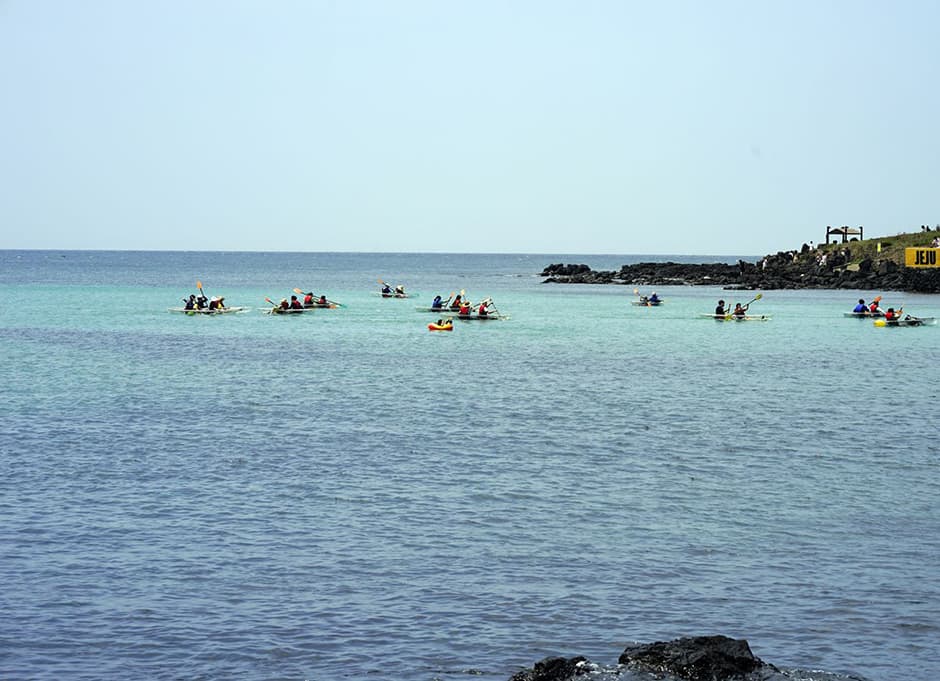
제주카약올레
제주 애월읍 한담해변에 위치한 투명카약 업체로, 바닥이 보이는 투명카약을 타고 제주 바다를 만끽할 수 있습니다. 체험 시간은 30분이며 데이트나 가족 여행을 즐기기에 적합합니다. 한담해변 애월카페거리 인근에 위치해 있습니다.
 Nature120 min
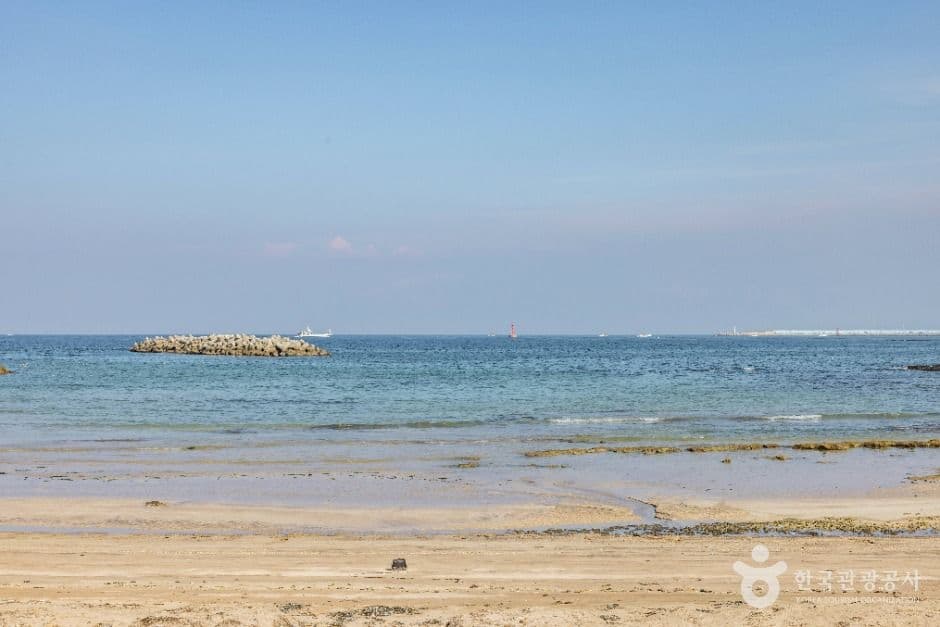
종달리해변
제주시 구좌읍에 위치한 종달리해변은 성산일출봉과 우도가 보이는 조용한 해변입니다. 지미봉 밑에 위치하며 넓은 모래 해변이 깔려 있는 것이 특징입니다. 여름철에는 수국이 아름답게 피어나며, 비교적 잘 알려지지 않아 조용하게 여행하고 싶은 사람들에게 적합합니다.
 Nature120 min
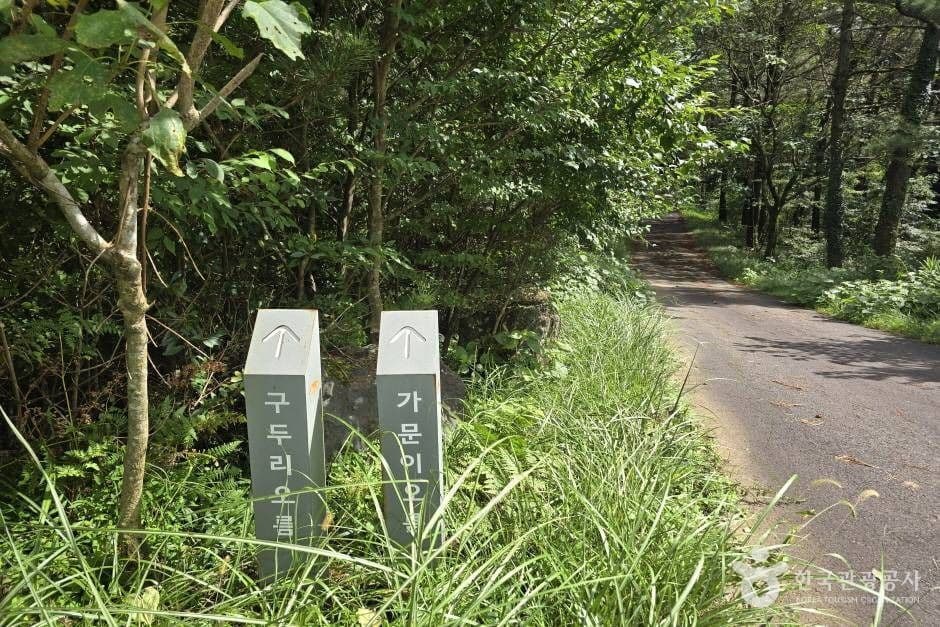
Gamuni Oreum
Located in Songdang-ri, Gujwa-eup, Jeju City, Gamuni Oreum is a gentle volcanic cone situated just west of Seongbul Oreum. Facing the nearby Bulgeun Oreum, its slopes are adorned with lush forests of cedar and black pine, topped by a canopy of deciduous trees. The name "Gamuni" originates from its dark appearance caused by the dense, thick forests. The horseshoe-shaped crater is home to unique wildflowers, such as white and pink pasqueflowers, and the dense woods within the crater lend the peak a mystical, sacred atmosphere. As part of a cluster of volcanic cones including Bulgeun, Guduri, and Chetmang Oreum, it is an ideal destination for hikers looking to explore multiple peaks in one trip. Nearby attractions include Mulyeongari Oreum and Buyeong Condri Club.
 Nature120 min
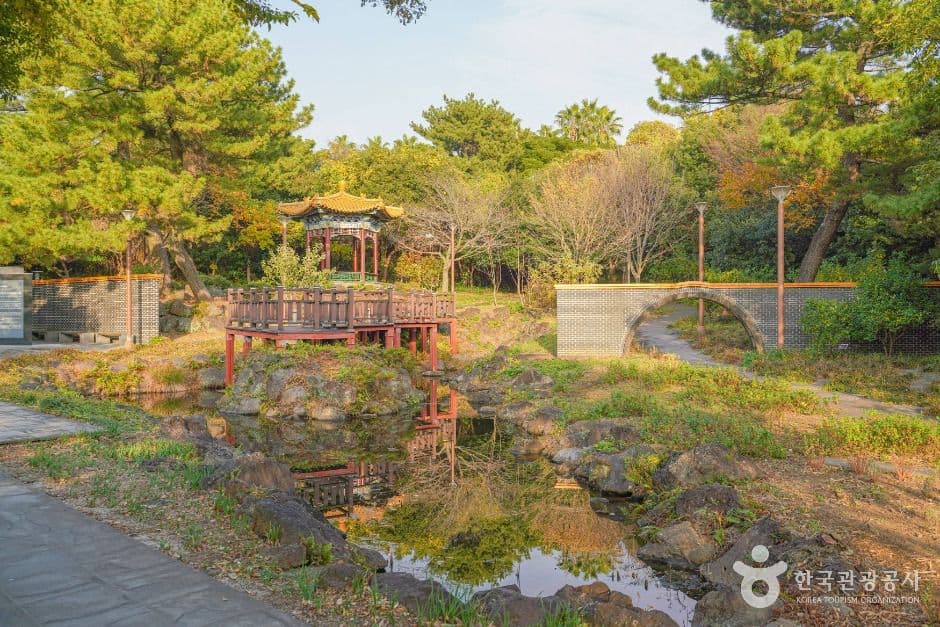
Hayeong Olle Course 2
Hayeong Olle Course 2 is a walking trail that connects the rich cultural resources of Seogwipo's old downtown with urban parks and specialized themed streets. True to its name—a combination of the Jeju dialect word 'Hayeong,' meaning 'a lot,' and 'Olle'—this path invites travelers to stroll leisurely while immersing themselves in the natural and humanistic treasures tucked within the heart of Seogwipo.
 Nature120 min
Gasi Oreum
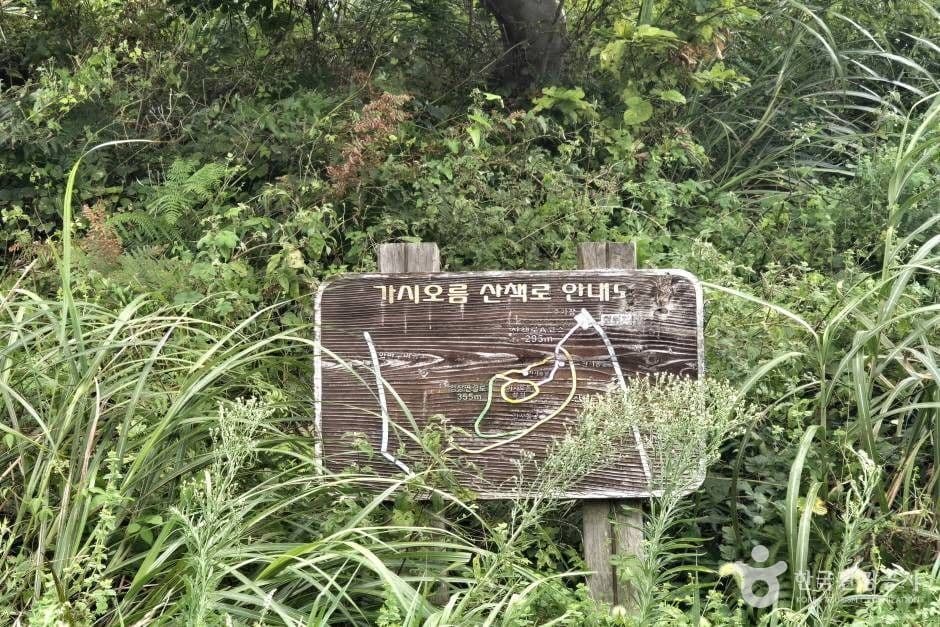
Located in Dongil-ri, Daejeong-eup, Seogwipo, Gasi Oreum takes its name from the abundance of thorn trees (water oak) that have grown across the landscape since ancient times. The summit features a horseshoe-shaped crater opening toward the southwest. While the southeastern slope is steep, the northwestern side is relatively gentle, making the hike to the top easy and accessible. With well-maintained trails, the summit offers breathtaking panoramic views of the surrounding Moseulpo Oreum and the Daejeong-eup area. The path to the peak is lined with farm roads and lush forests of mixed trees, interspersed with species such as Japanese wax trees and silverberry. Some slopes also feature cultivated farmland stretching halfway up the hillsides. For visitors using navigation, parking is available near the cattle shed on the southwest side; alternatively, parking is available on the opposite side by searching for Dongil-ri, Daejeong-eup.
 Nature120 min
Gamnang Oreum
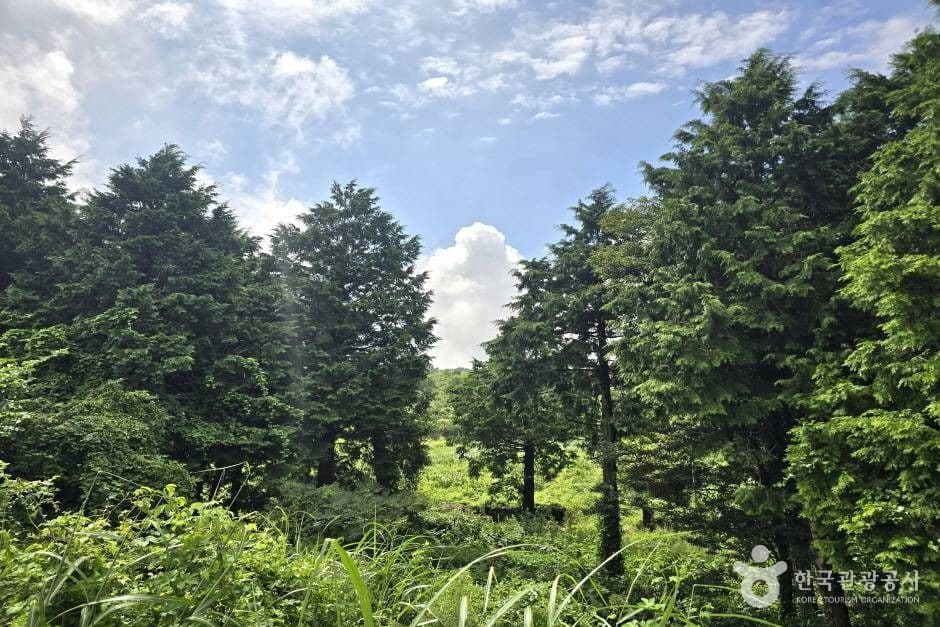
Located northeast of Donggwang-ri, Andeok-myeon, Seogwipo, Gamnang Oreum is a parasitic cone featuring gentle slopes and a horseshoe-shaped crater facing the northeast. The crater area is covered in lush grasslands, while the surrounding slopes are blanketed in cedar forests. Because Gamnang Oreum and Wonmul Oreum are joined by a continuous ridge like conjoined twins, a popular hiking route involves ascending the pine-forested Gamnang Oreum and descending via Wonmul Oreum. The trek takes about 30 minutes along grassy trails where cattle and horses once roamed. On clear days, the summit offers breathtaking panoramic views of Hallasan Mountain, Sanbangsan Mountain, and even Gapado Island in the distance. The location is also conveniently close to O'sulloc Tea Museum, famous for its green tea fields and desserts, and Camellia Hill, making it an ideal stop for a day trip.
 Nature120 min
Gapseon-i Oreum
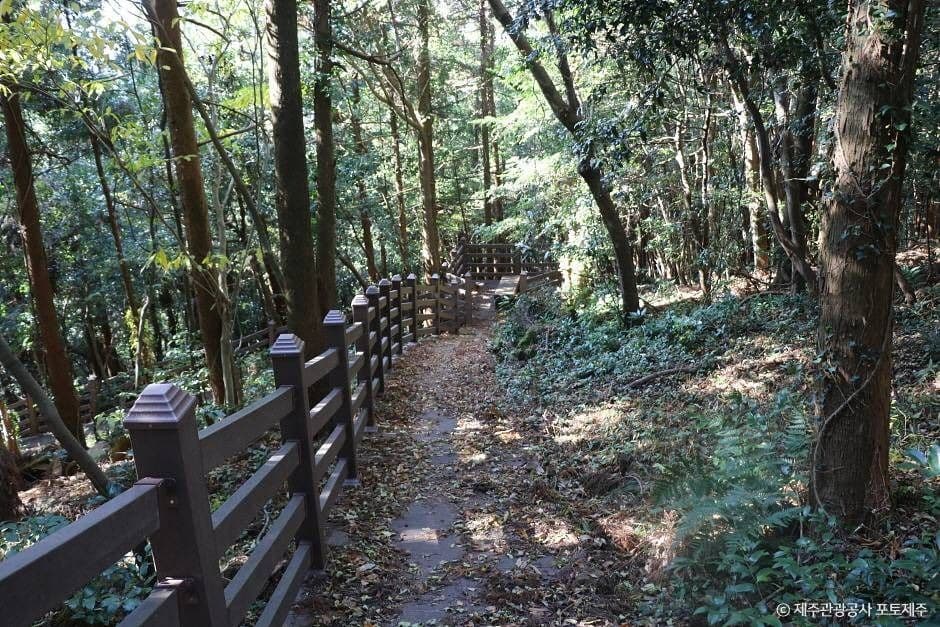
Located in Gasi-ri, Pyoseon-myeon, Seogwipo, Gapseon-i Oreum features a distinctive horseshoe-shaped crater that opens toward the southwest. The landscape is defined by the Gasinae stream flowing to the west and the cozy village of Gasi-ri nestled nearby. The terrain is surrounded by Seol Oreum to the northwest and Gasio Oreum to the south. While the exact meaning of the native Jeju name "Gapseon-i" remains uncertain, historical Chinese character transcriptions include Gapseonak (甲先嶽), Gapseonak (甲蟬嶽), and Gapseonak (甲旋嶽). Some believe the name originates from the latter transcription, suggesting the shape resembles a cicada or a grub that has yet to shed its shell. The surrounding area is characterized by a peaceful patchwork of graveyards, orchards, and farmland. A stream named Gamacheon flows between the village and the oreum, eventually leading to the shores of Sehwa-ri. The foothills are planted with cedar trees, while the slopes are covered in lush mixed forests of evergreen and deciduous trees.
 Nature120 min
Gaetgeori Oreum
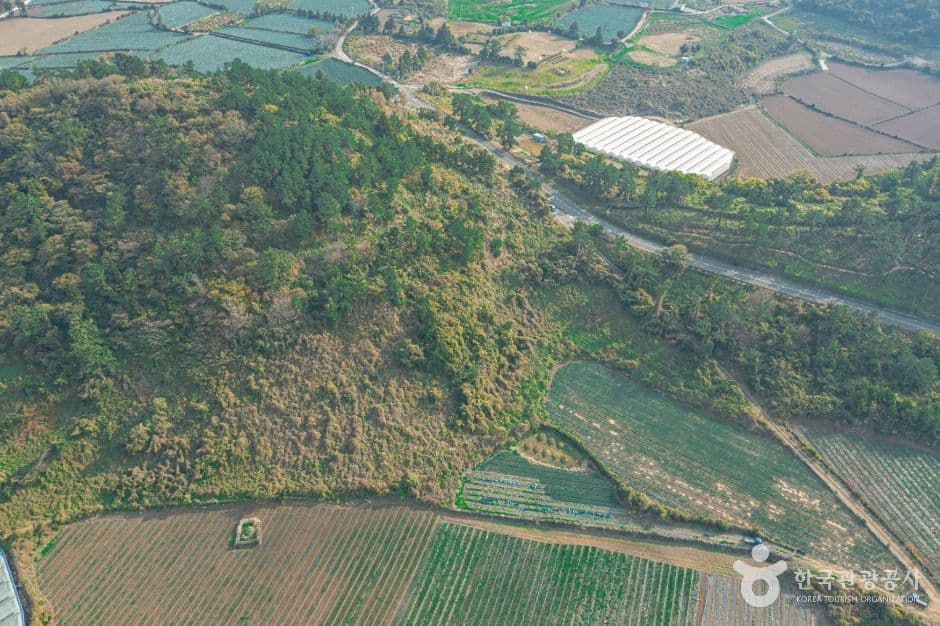
Gaetgeori Oreum is a distinct conical volcanic cone located along the roadside, connected to the eastern side of Georinsaseum and separated from it by a steep mountain pass. A rest area situated at mid-level on the slope of Georinsaseum offers drivers a place to pause and enjoy panoramic views of Jeju’s southwestern landscape, as well as the coastline stretching from Seogwipo City to Mosulpo Beach. Note that another oreum also known as Gaetgeori Oreum can be found east of Munsudo in Myeongwol-ri, Hallim-eup. On the southern side of this oreum lies the Manbeongdeung Cemetery, a site steeped in Jeju’s history where victims were buried, offering visitors a poignant space for remembrance and reflection.
 Nature120 min
Donaeri Oreum
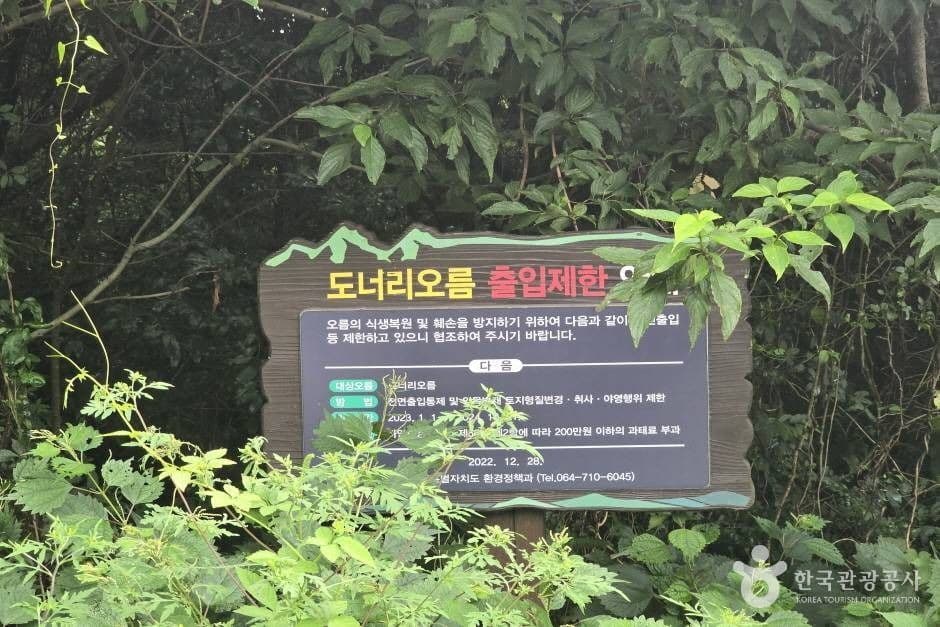
Donaeri Oreum is a quintessential Jeju forest where rugged terrain, formed by viscous lava flows, is intertwined with a lush tapestry of trees and climbing vines. Thanks to its abundant groundwater, the area boasts a unique ecosystem where northern and southern plant species coexist. Located on the border between Donggwang-ri, Andeok-myeon, and Geumak-ri, Hallim-eup, an access path to the ranch can be found midway along the road in front of Jeongmul Oreum on Hanchang-ro.
 Nature120 min
Donggeomun Oreum
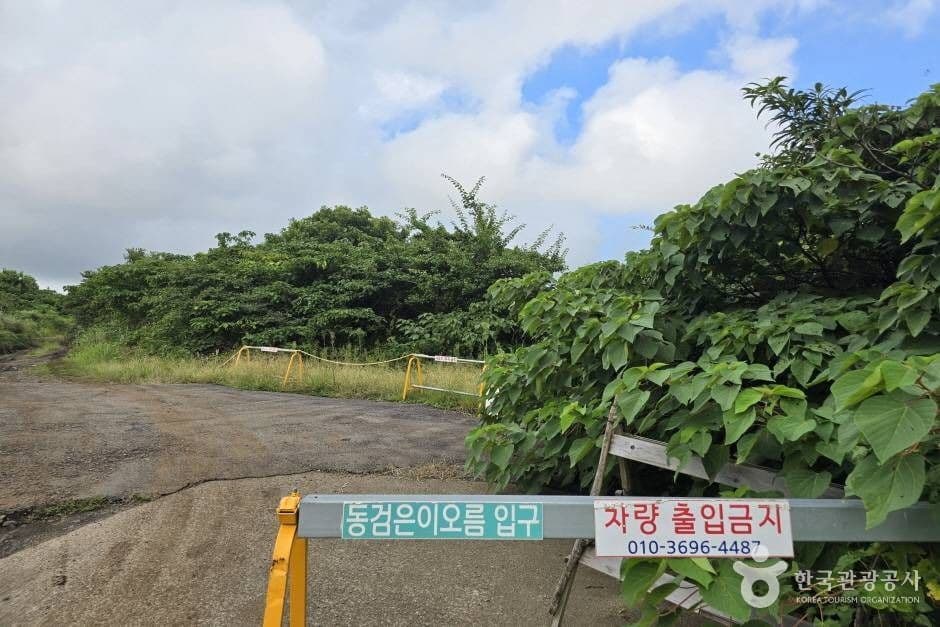
Located in Gujwa-eup, Jeju City, Donggeomun Oreum is a volcanic cone featuring three distinct craters that offer breathtaking, ever-changing views from every angle. Due to its dark volcanic terrain and the way its ridges spread out in all directions like a spiderweb, it is also affectionately known as 'Donggeomeun Oreum' or 'Geomi Oreum' (Spider Oreum).
 Nature120 min
Dwigubeun-i Oreum
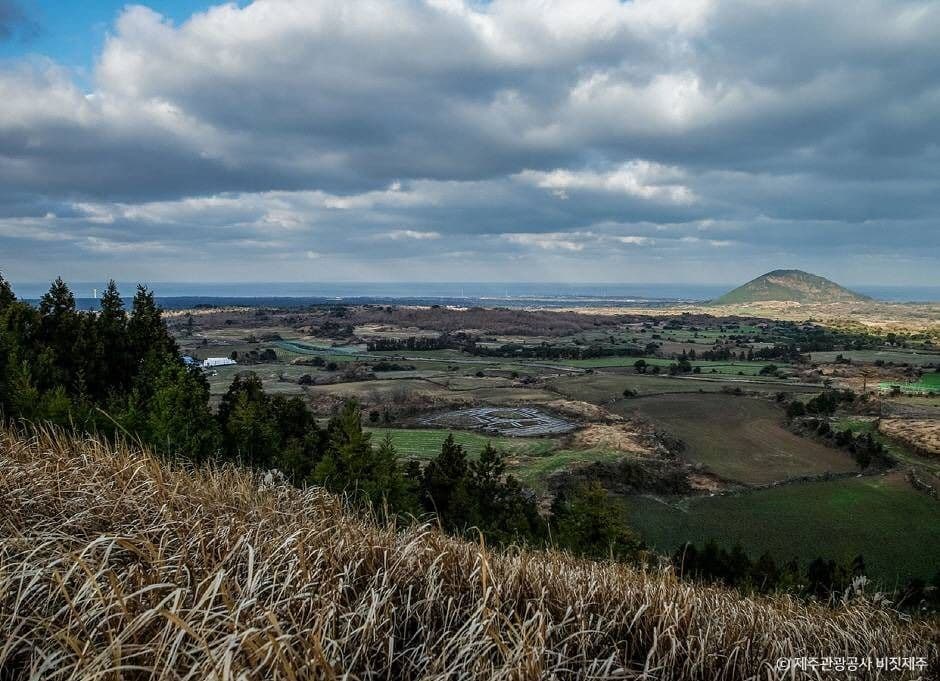
Named for its distinctive curved shape, Dwigubeun-i Oreum (also known as Dwikkubuni Oreum or Hugogak) features a crater that curves toward the south and widens toward the north. Located within easy walking distance of Songdang Village—the heart of Jeju's oreum region—this hidden gem offers a peaceful escape for those looking to enjoy the natural beauty of an oreum away from the crowds.
 Nature120 min
Ttarabi Oreum
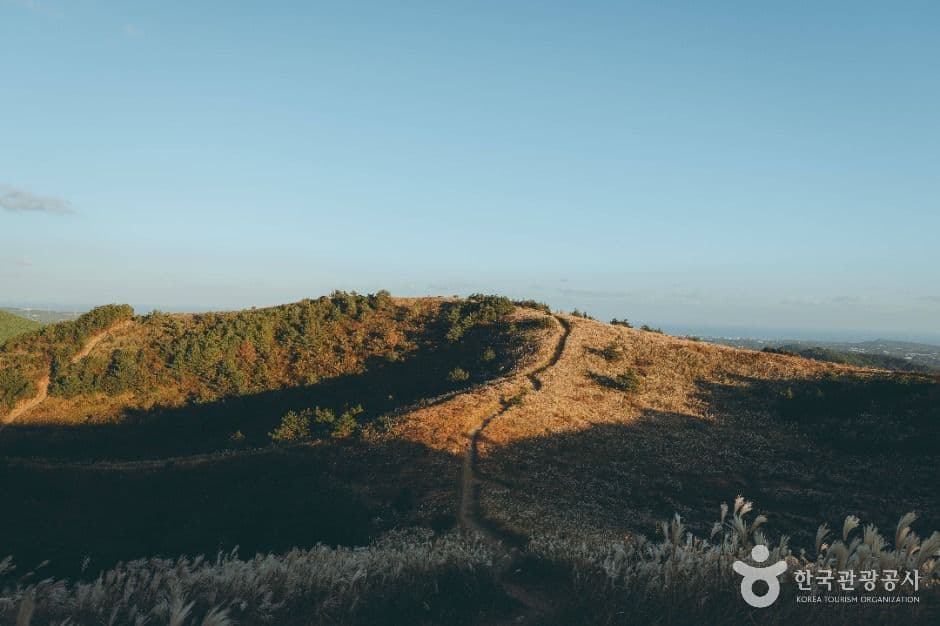
Located in Gasi-ri, Pyoseon-myeon, Ttarabi Oreum features three craters and six peaks, characterized by gentle ridges formed by volcanic eruptions. In autumn, the vast silver grass colonies covering the hills create a spectacular sight, earning it the title 'Queen of Oreums' for its breathtaking beauty.
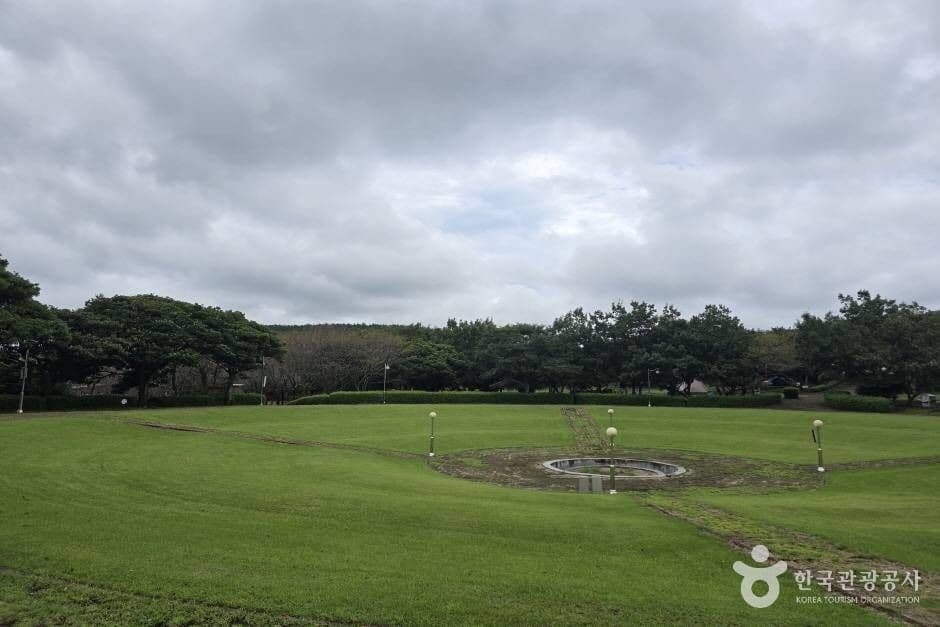 Nature120 min
Moguri Oreum
Moguri Oreum is a parasitic cone featuring a horseshoe-shaped crater that curves toward the north. The name originates from the sight of a small hill nestled within the inner slope, resembling a mother embracing her young. This gentle walking course takes approximately 30 minutes round trip and is a popular trail for visitors staying at the Moguri Campsite.
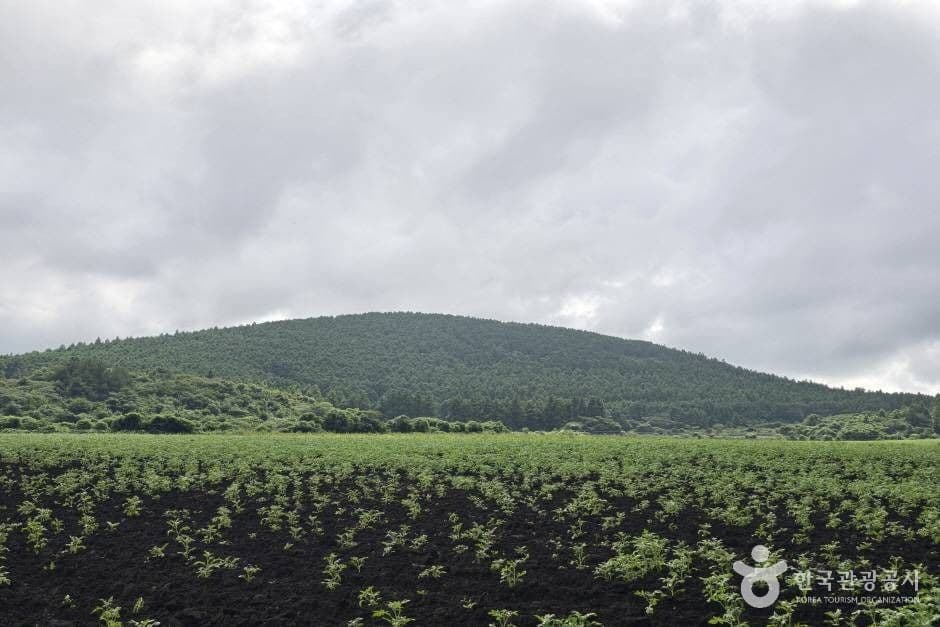 Nature120 min
Moji Oreum
Located in Seongeup-ri, Pyoseon-myeon, Seogwipo, Moji Oreum is a volcanic cone characterized by a large, horseshoe-shaped crater opening toward the northeast with a central cone rising within. The ridge line resembles a mother embracing her baby, which inspired its name. It is one of a series of oreums formed approximately 15,000 to 16,000 years ago through the same tectonic fissure.
 Nature120 min
Mulyeongari Oreum
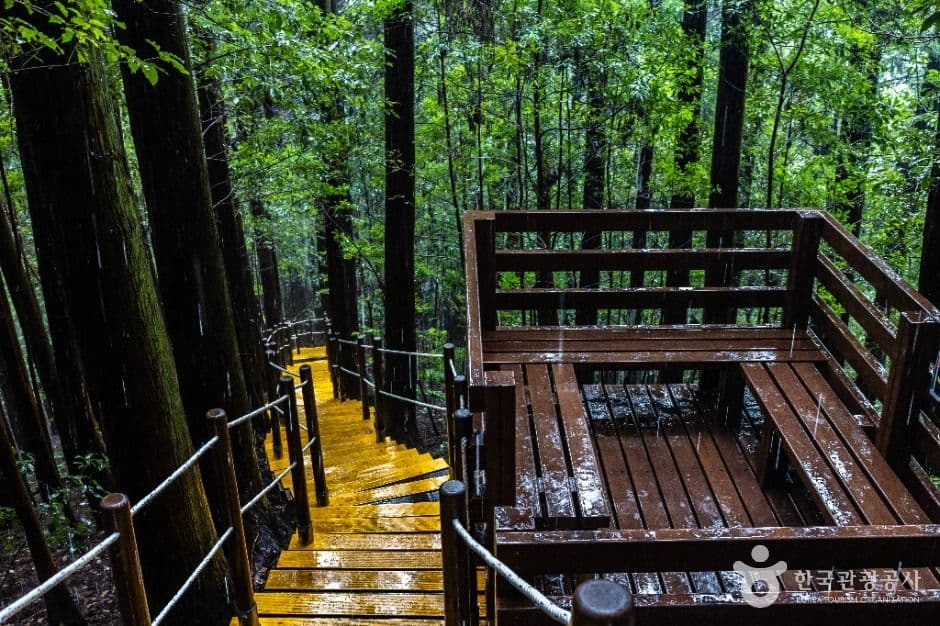
Mulyeongari Oreum is a volcanic cone featuring a crater filled with a pristine wetland, where legends say a "guardian deity of water" resides. In 2006, this wetland became Jeju Island's first designated Ramsar site, serving as a vital ecological sanctuary for various flora and fauna, including endangered species. Connected to the Sumang-ri Jungjatseong ecological trail, the area offers a scenic trekking experience following the perimeter of the surrounding ranch.
 Nature120 min
Saesin Oreum
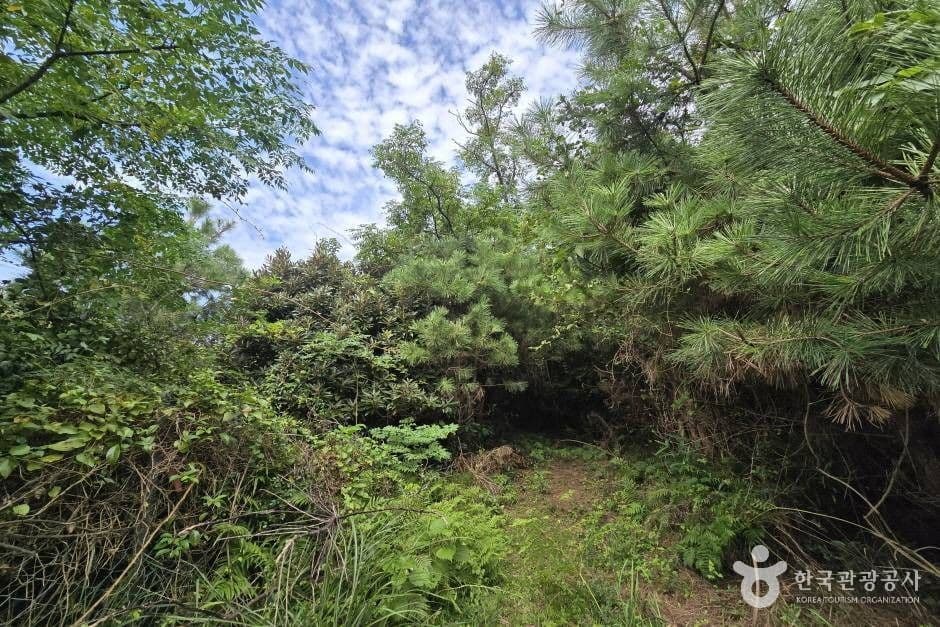
Located along the roadside northeast of Sanyang Elementary School in Sanyang-ri, Hangyeong-myeon, Jeju City, this oreum is a gentle, low-lying hill. The summit features a circular crater plain about 20 meters in diameter, locally known as 'Amme,' and preserves remnants of cave fortifications from the Japanese colonial period.
 Nature120 min
Golche Oreum Camping
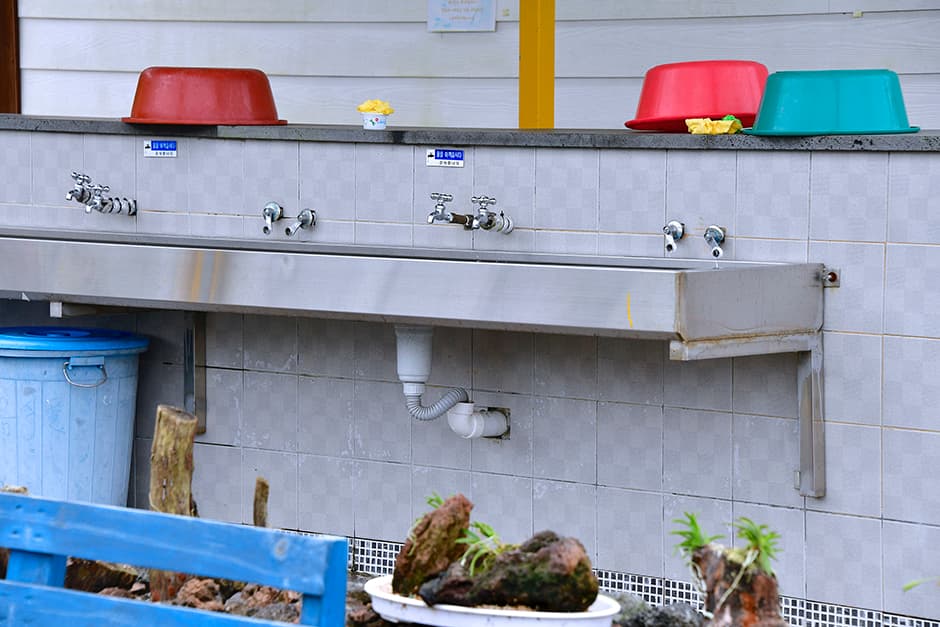
Golche Oreum Camping is an ideal family campsite featuring a central grassy field where children can run freely. The site offers free rentals of soccer balls, badminton sets, catch balls, jump ropes, and hula hoops, making it an easy place to enjoy outdoor play. The central lawn provides a safe play area for children, allowing parents to keep a watchful eye from the comfort of their tents. The facilities include six well-maintained wooden deck camping sites and clean, refreshing restrooms, including accessible facilities for people with disabilities. Each site is equipped with its own distribution box for convenient electrical use. Surrounded by numerous oreums (volcanic cones) such as Geumun, Ujinjebi, Min, Budae, and Buso, the area is perfect for scenic walks. Jeju's oreums are said to change their appearance depending on the season, weather, time of day, and even one's mood. This campsite offers the perfect opportunity to experience the ever-changing beauty of these volcanic landscapes.
 Nature120 min
Gaeori Oreum
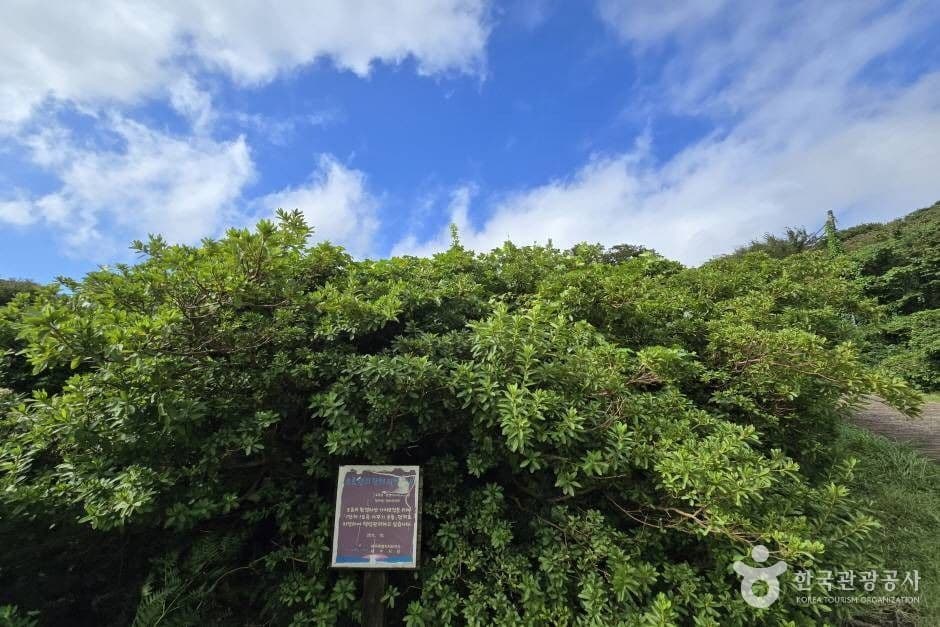
Located east of the Jeju Pony Ranch, Gaeori Oreum is a complex volcanic formation characterized by three distinct peaks of varying sizes. The main peak, where a broadcasting tower stands, serves as the centerpiece of this unique landscape. The volcano features two horseshoe-shaped craters: the larger northern crater and a smaller conical peak in the center known as Saetgaeori. The entire slope is covered in a lush natural forest of deciduous and evergreen trees, interspersed with cedar and pine. During the winter months, the sight of rows of cedar trees against the grayish-brown slopes—stripped of their leaves—creates a striking and ethereal scenery. Due to its resemblance to a stingray (gaori), the mountain is also known by several local names, including Gaori Oreum, Gaewori Oreum, and Gaewol Oreum.
 Nature120 min
하도해변
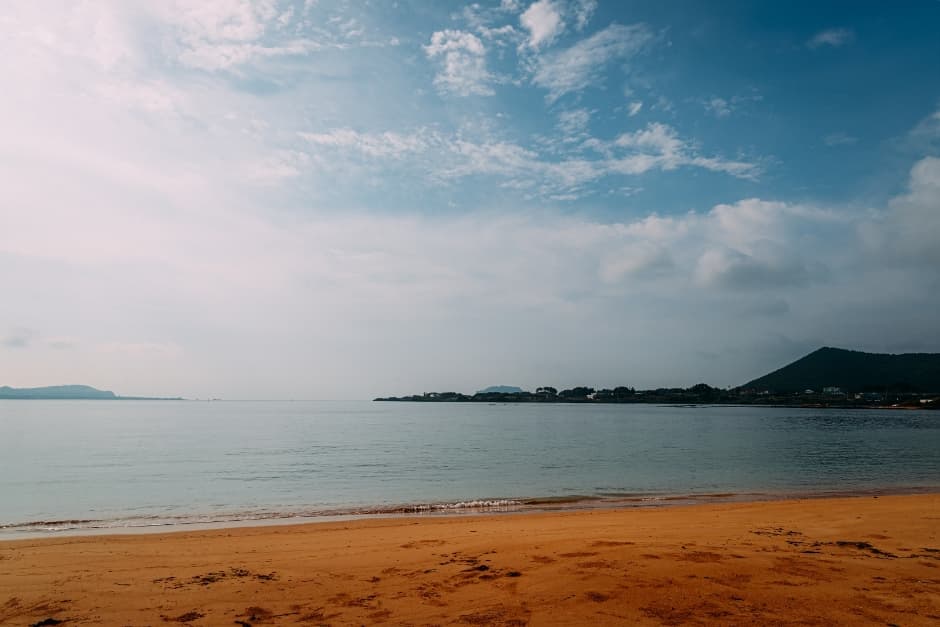
제주시 구좌읍 하도리 도로변에 위치한 해수욕장으로, 성산에서 세화를 잇는 아름다운 해안 도로 인근에 자리 잡고 있습니다. 넓은 백사장과 수심이 얕고 맑은 바다를 갖추고 있어 가족 단위 피서객이 방문하기 좋습니다. 마을 자체가 조용하여 다른 해수욕장에 비해 한적하고 자연 그대로의 아름다움을 느낄 수 있는 분위기입니다.
 Nature120 min
Hamo Beach
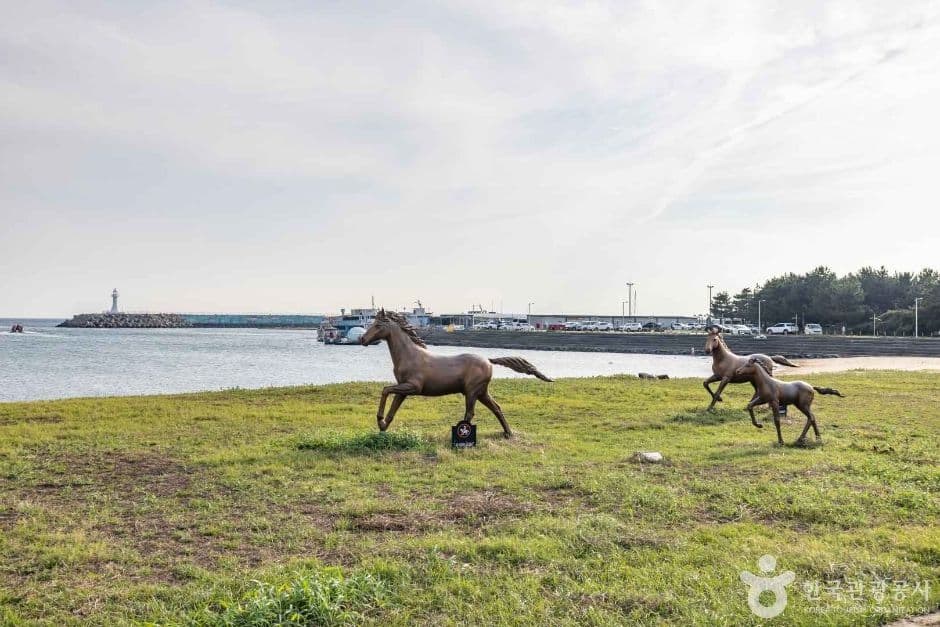
Located adjacent to Moseulpo, this beach is also known as Moseulpo Beach. While it once served as a popular swimming spot, it is currently closed to swimmers due to sand erosion and safety concerns regarding protruding rocks. As a scenic waypoint on the Olle Trail Route 10, the area features a nearby campsite where visitors can enjoy camping and the unique experience of walking along the shoreline.