Explore Jeju

Find 6,600+ places by area, type and mood.

10 places

Yumin Art Nouveau MuseumExperience

East120 min

Yumin Art Nouveau Museum

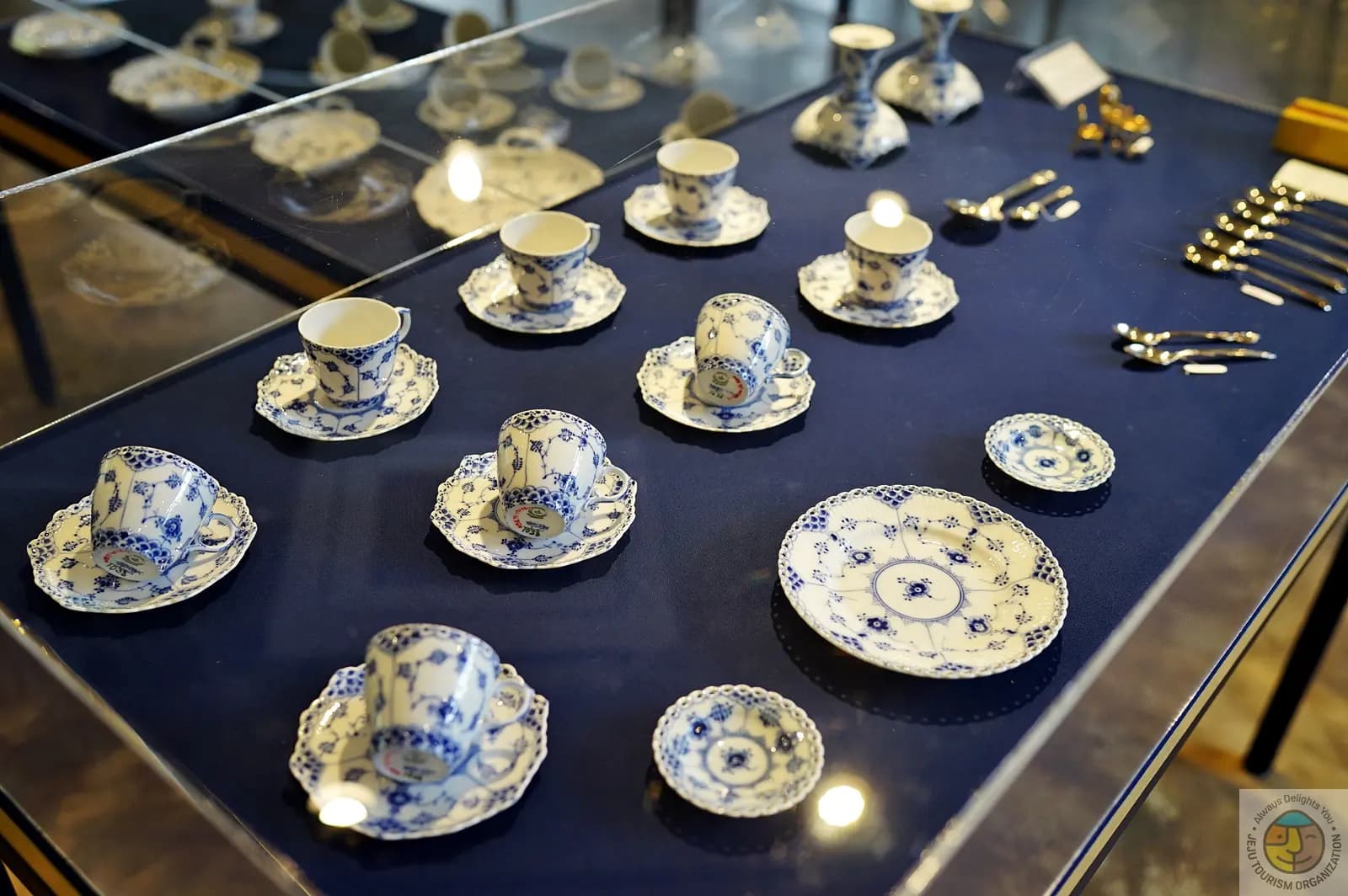
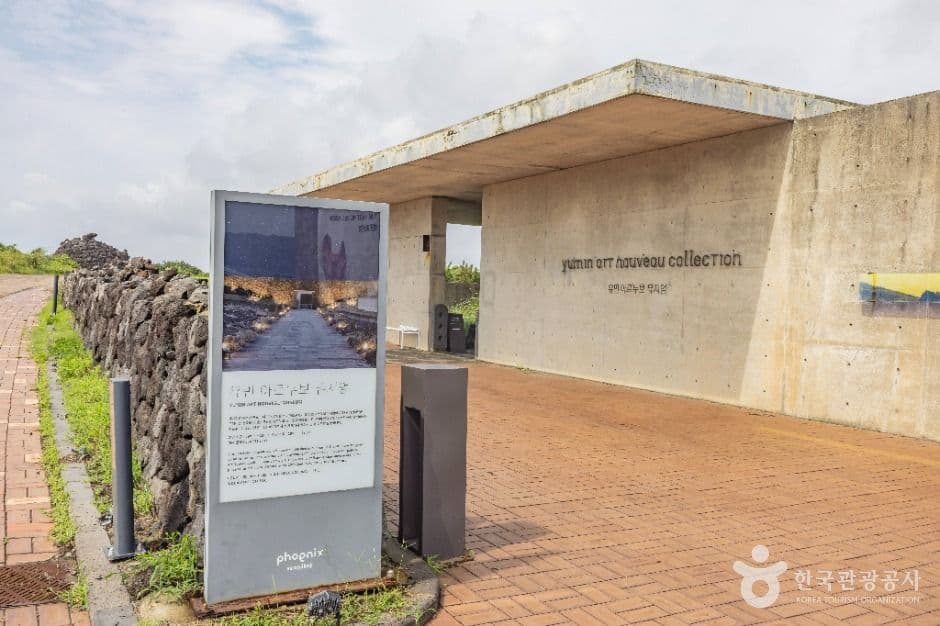
Opened on June 9, 2017, the Yumin Art Nouveau Museum is South Korea's only museum dedicated to Art Nouveau glass art, located within Phoenix Jeju Seopjikoji. It is situated within "Genius Loci," designed by the world-renowned architect Tadao Ando, while the exhibition spaces were designed by Danish architect Johan Karlsson. Visitors can admire French Art Nouveau glass artworks, and the architecture itself—where the geometric lines of exposed concrete harmonize with the surrounding nature—serves as a major highlight of the visit.
Jeju Haenyeo MuseumExperience

East90 min

Jeju Haenyeo Museum

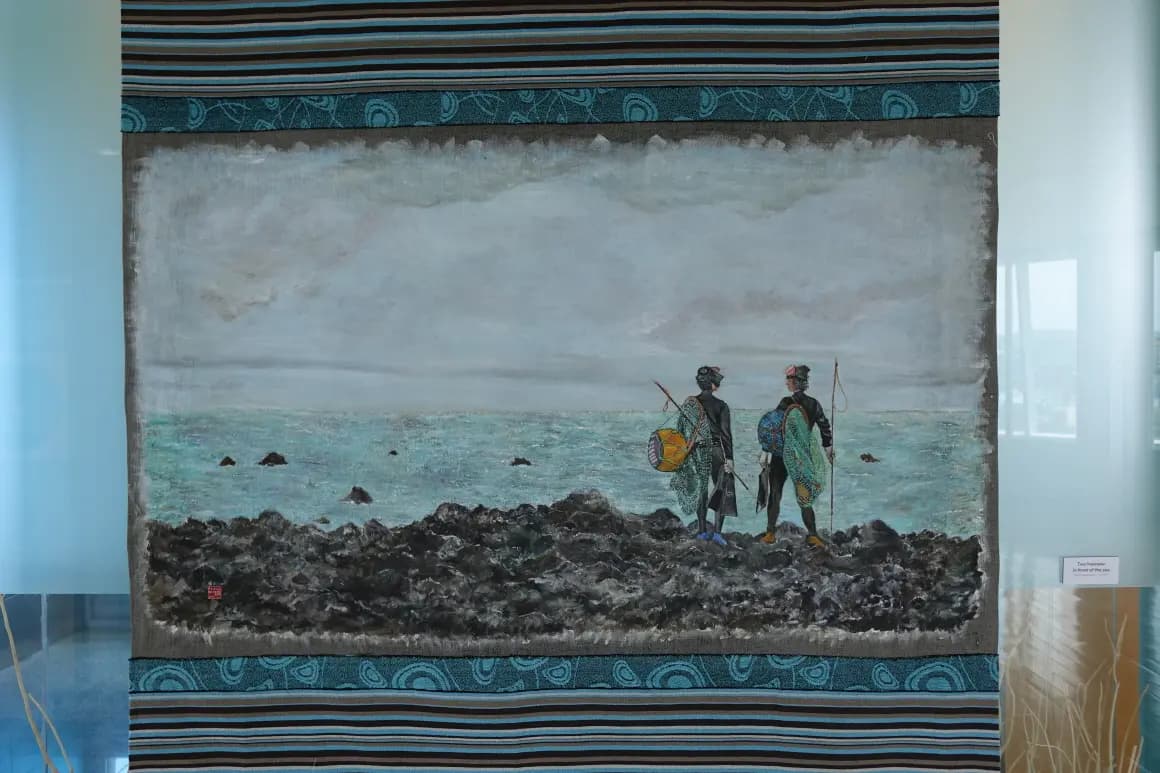
Located in a charming fishing village overlooking the white sands of Sehwa-ri in Gujwa-eup, the Jeju Haenyeo Museum showcases the rich history of Haenyeo culture—a tradition dating back to ancient times—alongside diverse marine, fishing, and folk artifacts. Every exhibit inside and outside the Jeju Haenyeo Museum, including the authentic Haenyeo houses, was generously donated by the Haenyeo themselves. Visitors can gain deep insights into their unique culinary traditions and the spiritual heritage of the Yeongdeunggut rituals.

Jeju Marine Animal MuseumExperience

East90 min

Jeju Marine Animal Museum

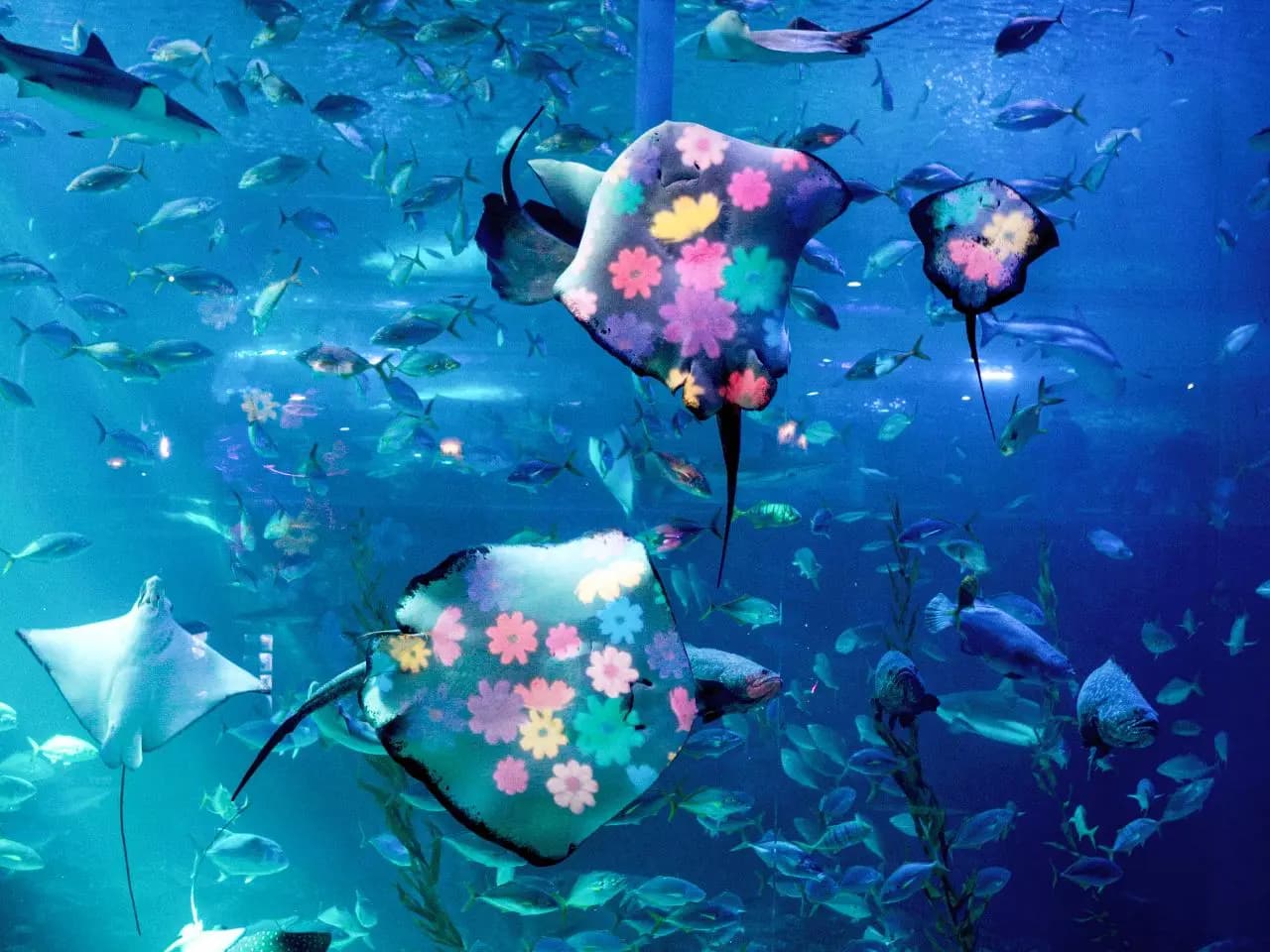
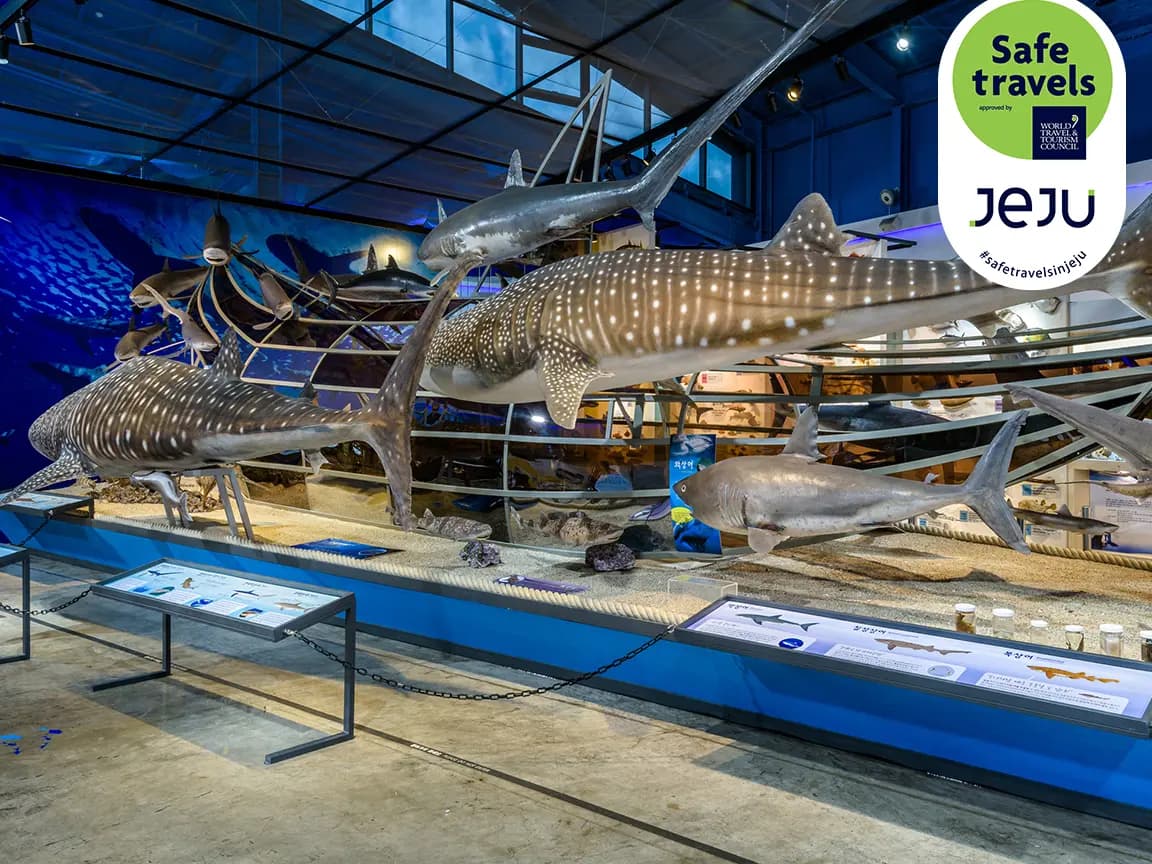
Located on a sprawling 33,000-square-meter site near Seongsan Ilchulbong, the Jeju Marine Animal Museum offers a unique opportunity to observe a diverse array of marine specimens up close, including whale sharks, ocean sunfish, starfish, and even sturgeon—a species no longer found on the Korean Peninsula. The Jeju Marine Animal Museum provides engaging educational and hands-on experience programs using authentic specimens, and with its outdoor playground, it is an ideal destination for families traveling with children.

Sunrise Land Art CenterExperience

East90 min

Sunrise Land Art Center

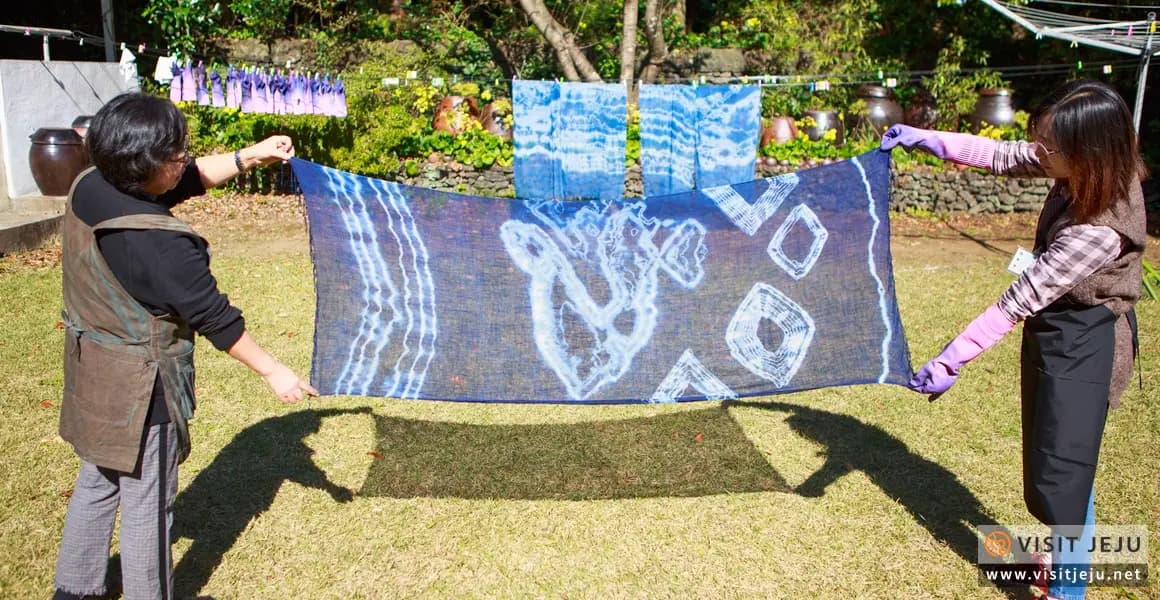
Ilchul Land Art Center is a specialized space for experiencing indigo dyeing. What makes this indigo dyeing experience so special is the indigo plant itself, cultivated directly. The indigo plant is sown from seeds in March or April and harvested in July or August. Once the plant reaches 60-70cm in height, it is fermented by hand to create the dye. Indigo not only boasts beautiful colors but also possesses strong antibacterial and sterilizing properties, making it a popular dye for precious clothing and documents since ancient times. Natural dyeing can be laborious, but the more effort you put into it, the richer and deeper the color.

World Liquor MuseumExperience

East90 min

World Liquor Museum

Located in Seogwipo, Jeju, the World Liquor Museum houses a fascinating collection of historical documents, traditional brewing tools, and rare, vanishing traditional liquors. The museum is divided into four specialized exhibition halls—the Tool Exhibition Hall, the Korean Hall, the World Hall, and the Miniature Hall—allowing visitors to trace the evolution of Korean spirits and traditional vessels at a glance while exploring the rich history of liquors from around the globe.