Explore Jeju

Find 6,600+ places by area, type and mood.

815 places

Jaeju Do-a Jo · Banjjak Banjjak Jigu SanghoeExperience

West90 min

Jaeju Do-a Jo · Banjjak Banjjak Jigu Sanghoe

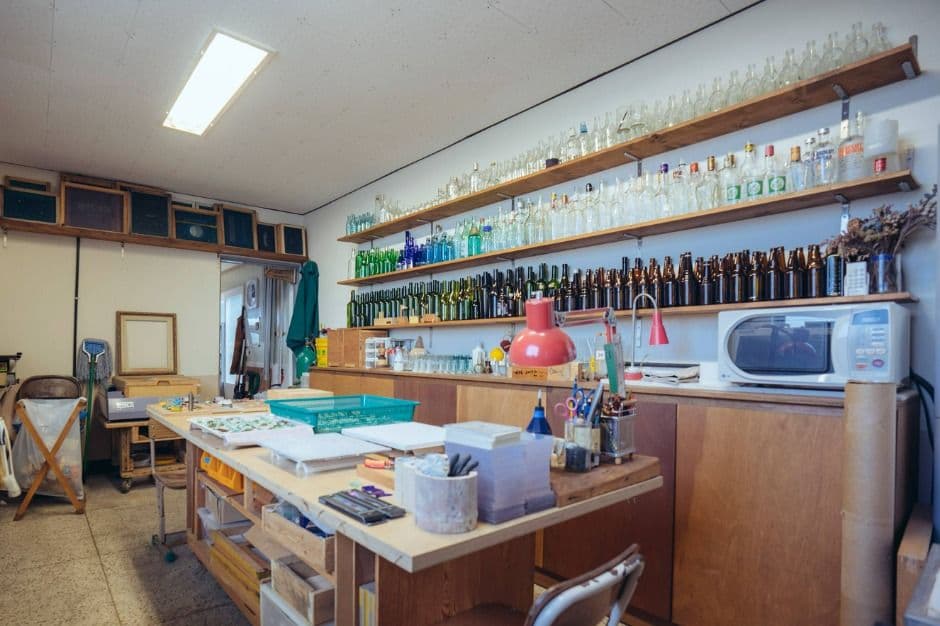
Jaeju Do-a Jo · Banjjak Banjjak Jigu Sanghoe is a space dedicated to creating and exhibiting upcycled crafts made from ocean debris washed ashore. Here, you can experience various beachcombing workshops and environmental art education, such as making sea glass frames and brooches or crafting Haenyeo mobiles. Every year, the "Beachcombing Festival: Baradeon Bada," which combines marine cleanup activities, second-hand markets, and musical performances, is held here.
Jeongui HyanggyoExperience

East120 min

Jeongui Hyanggyo

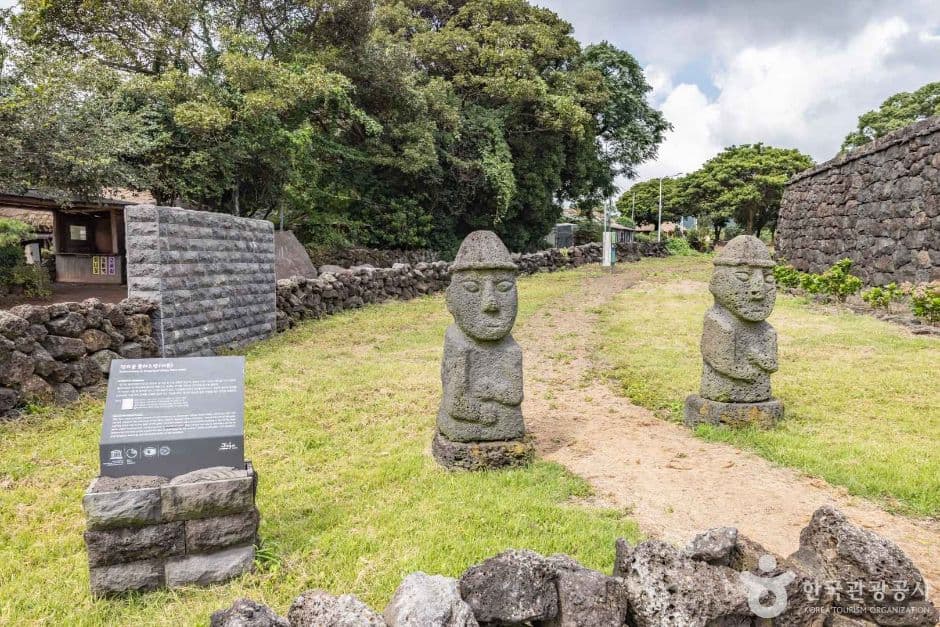
Jeongui Hyanggyo is a Confucian school established in the early Joseon Dynasty (founded in 1416) to provide education and moral guidance to the local people, and it has been designated as Jeju Special Self-Governing Province Tangible Cultural Heritage No. 5. The Daeseongjeon Shrine and Myeongnyundang Hall are arranged side by side. Daeseongjeon enshrines the memorial tablets of the Five Sages, including Confucius, the Four Sages of the Song Dynasty, and the 18 Sages of Korea. With various Songdeokbi monuments erected both inside and outside the grounds, Jeongui Hyanggyo is a place where one can explore the historical value of Confucian schools from the Joseon Dynasty.

Myeongdoam Chamssari VillageExperience

North120 min

Myeongdoam Chamssari Village

Located near Bassemi Oreum in Bonggae-dong, Jeju City, Myeongdoam Village is a mid-mountain village surrounded by 16 oreums, characterized by its many natural ponds and wetlands. The name originates from the Confucian scholar Myeongdoam Kim Jin-yong, who spread Confucianism in the area around 1604. The village features an eco-friendly environment where roe deer reside, produces vegetables year-round throughout the village, and offers landscapes that harmonize with nature.

Experience

West120 min

Jeju Blackstone Golf Club

Located in the Gotjawal area of Jeju Island, this membership-only golf course boasts landscapes reminiscent of prestigious international courses by preserving the original circular old-growth trees. It is a family-oriented resort golf destination featuring a 27-hole course, a clubhouse, the boutique business Hillhouse Hotel, a spa, and villas. Situated at the western foot of Hallasan Mountain, the North Course offers views of the mountain, and the area enjoys a climate that is mild in winter with little snow or wind and cool in summer.

Jeju Science Exploration CenterExperience

North90 min

Jeju Science Exploration Center

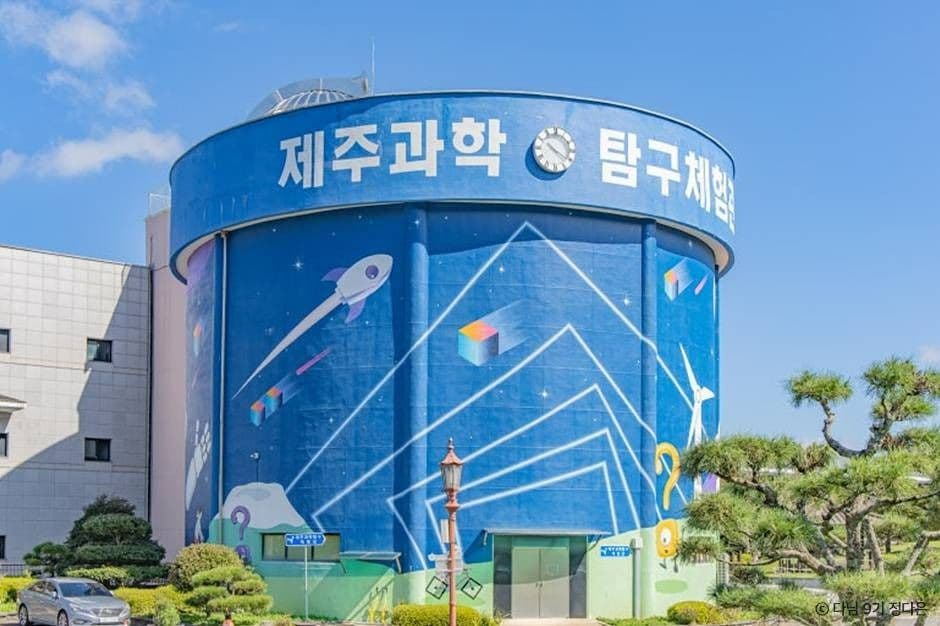
The Jeju Science Exploration Center is a free science experience facility located within the Jeju Convergence Science Institute (Future Education Research Institute) in Ora-dong, Jeju-si. The center features themed exhibits on each floor: the Cube of Dynamics (physics and mechanics) on the 1st floor, the Cube of Discovery (mathematics, biology, and earth science) on the 2nd floor, and the Cube of Leap (drones, space, robotics, and energy) on the 3rd floor. It also operates a 3D video theater and a planetarium.

Jeju Island UNESCO Global GeoparkExperience

East90 min

Jeju Island UNESCO Global Geopark

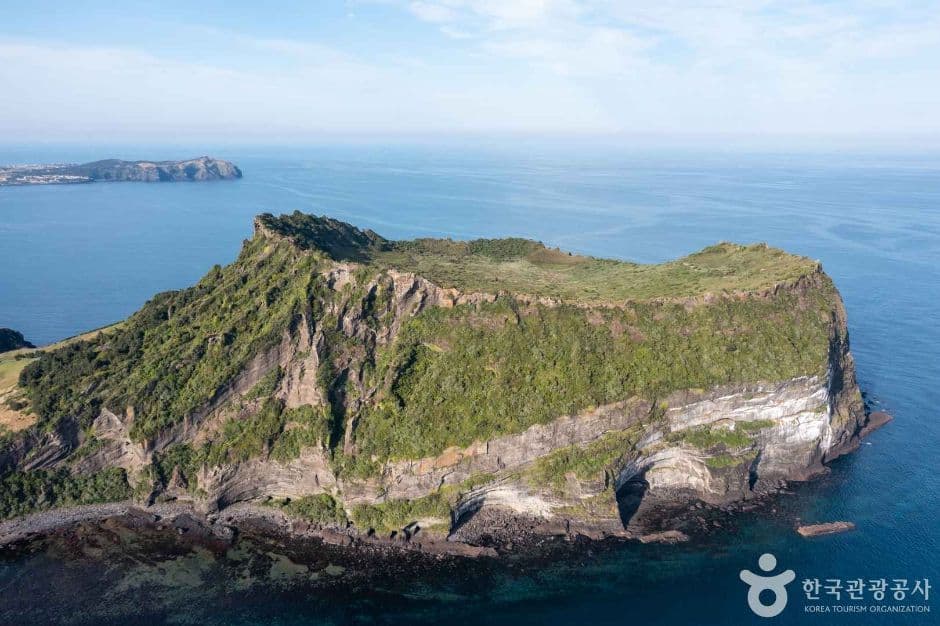
Jeju is a volcanic island formed by volcanic eruptions. Nine geological sites with outstanding landscapes and immense geoscience value—including Hallasan, Seongsan Ilchulbong, and Manjanggul Cave—have been certified as the Jeju Island UNESCO Global Geopark. Major attractions include Hallasan (1,950m), the highest peak in South Korea, Manjanggul Cave (7,400m long) within the Geomunoreum Lava Tube System, Sanbangsan Mountain, and Yongmeori Coast, all of which preserve the original forms of volcanic topography.

Jeju DoyecheonExperience

South120 min

Jeju Doyecheon

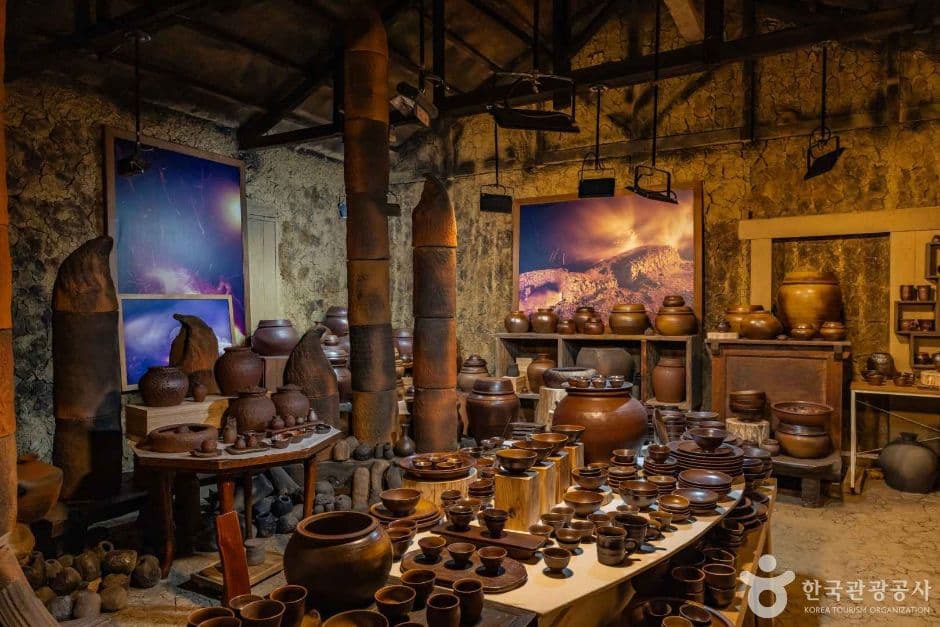
Jeju Doyecheon is an exhibition facility for Jeju Onggi (traditional earthenware), where Heo-beokjang Sin Chang-hyeon, Jeju Intangible Cultural Heritage No. 14, and his successors carry on the tradition of pottery. It is characterized by firing ceramics using natural glazes created by flames without artificial glazes, and by using pure Jeju volcanic ash soil with minimized impurities. Visitors can view traditional Jeju Onggi amidst stone walls and a tranquil Hanok atmosphere to experience the unique sensibility of Jeju.