Explore Jeju

Find 6,600+ places by area, type and mood.

1,695 places

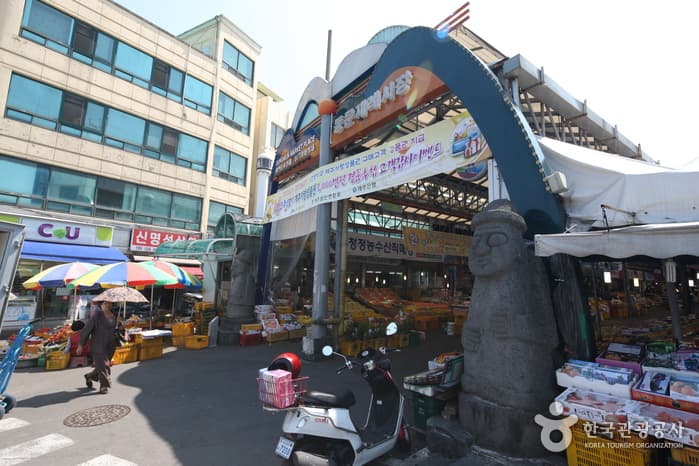
Dongmun Traditional Market (동문재래시장)Shopping

North90 min

Dongmun Traditional Market (동문재래시장)

Dongmun Traditional Market is a representative traditional market of Jeju Island, established shortly after Korea's liberation in 1945. It offers a wide variety of goods, including vegetables, fruits, seafood, and clothing. In particular, fresh seafood and fusion dishes such as sliced hairtail and abalone innards rice samhap are highly popular. Together with the Dongmun Traditional Fish Market, it functions as the largest permanent market on Jeju Island.
Downtown Night Tour: The Season for Jeju Island Nights (원도심 야간여행 ‘섬夜시즌’ 운영)Experience

South120 min

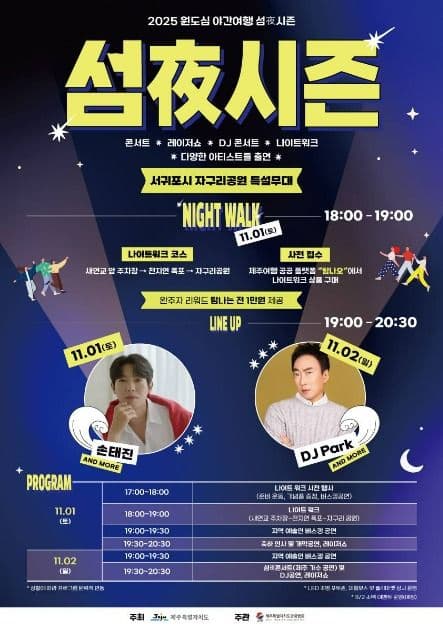
Downtown Night Tour: The Season for Jeju Island Nights (원도심 야간여행 ‘섬夜시즌’ 운영)

The old downtown of Jeju City, located around the Jungang Rotary area, is the city's former center, characterized by a dense concentration of historic buildings and cultural heritage sites. To develop night tourism content in this area, Jeju Special Self-Governing Province hosts the Downtown Night Tour: The Season for Jeju Island Nights, featuring various programs such as night walks, concerts, and fireworks displays.

Gwandeokjeong Pavillion (Jeju) [관덕정(제주)]Nature

North120 min

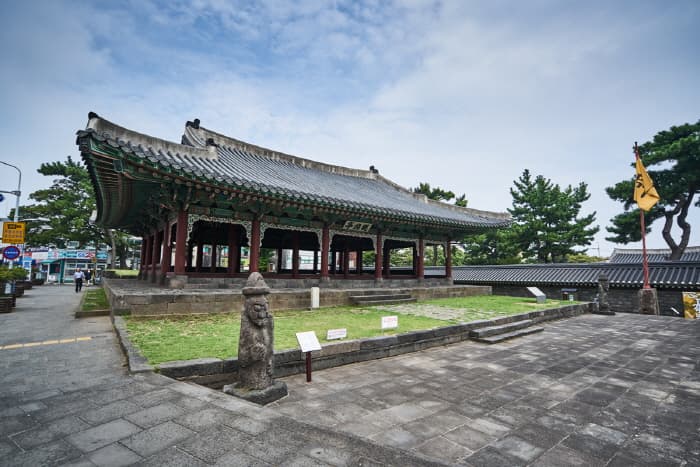
Gwandeokjeong Pavillion (Jeju) [관덕정(제주)]

Gwandeokjeong Pavillion (Jeju) is an early Joseon Dynasty pavilion built in 1448 by the Jeju Moksa (magistrate) to train local troops, making it one of Jeju's oldest structures. It features colorful dancheong (traditional multicolored patterns) depicting the Sipjangsaeng (ten symbols of longevity), scenes from the Battle of Red Cliffs, and hunting scenes, as well as a signboard known for the calligraphy of Grand Prince Anpyeong.

Nature

North120 min

Hyein Medical Foundation Medical Corporation Hankook Hospital (의료법인 혜인의료재단 한국병원)

Hyein Medical Foundation Medical Corporation Hankook Hospital has been a general hospital located on Seogwang-ro, Jeju-si, Jeju Special Self-Governing Province, since 1983. It operates specialized departments including a Joint and Spine Center, a Neurosciences Center, and a Hypertension and Diabetes Center, and is equipped with health screening services and an emergency room.

Jeju Folklore & Natural History Museum (제주민속자연사박물관)Experience

North90 min

Jeju Folklore & Natural History Museum (제주민속자연사박물관)

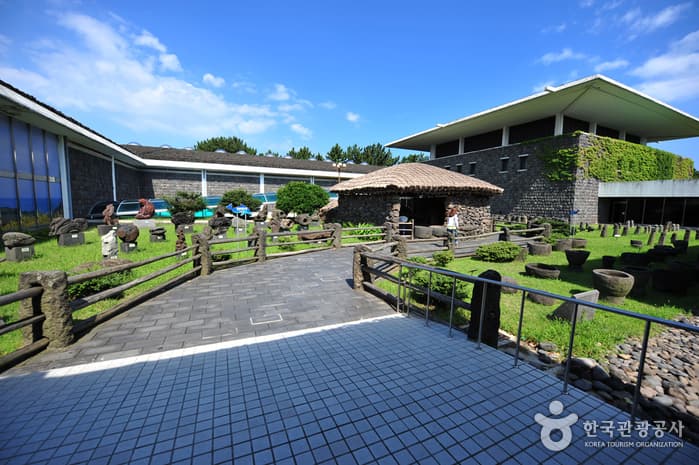
Opened in 1984, the Jeju Folklore & Natural History Museum is a museum that collects and exhibits Jeju Island's archaeological and folklore materials, as well as specimens of animals, minerals, plants, and marine life. The lobby features a 12.6-meter-long whale skeleton specimen and a large-scale fish diorama, while the Natural History Exhibition Hall offers a three-dimensional viewing experience of approximately 1,500 items, including Jeju Island's geology and various flora and fauna specimens.

Jeju International Peace Center (제주국제평화센터)Experience

South120 min

Jeju International Peace Center (제주국제평화센터)

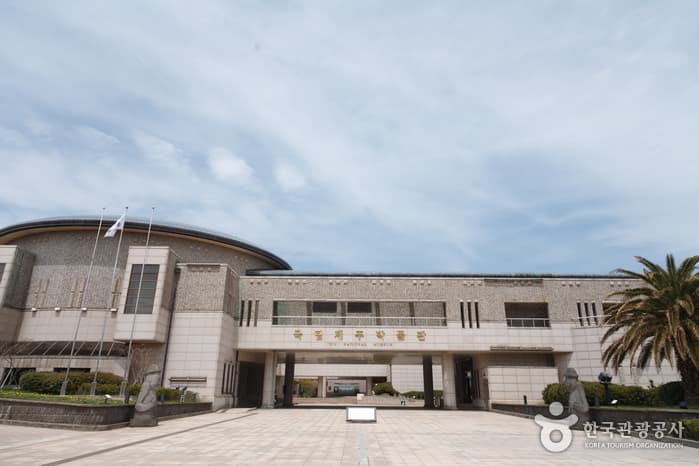
The Jeju International Peace Center is a symbolic landmark established in the Jungmun Tourist Complex, Seogwipo-si, to commemorate Jeju's designation as a UNESCO World Peace Island in 2005. Spanning two floors above ground and one basement level, the facility features four exhibition halls, seminar rooms, and a cafeteria. It showcases various audiovisual materials that introduce the background of Jeju's peace designation and its role as a center for peace in Northeast Asia.

Stay

North90 min

Jeju Pacific Hotel

Located on Seosa-ro in Jeju-si, Jeju Pacific Hotel is situated in the heart of the old downtown area, where Jeju's traditions and history are well preserved. It offers excellent accessibility, being located close to major tourist attractions such as Jeju International Airport, Yongduam Rock, and Dongmun Market. The hotel features 177 guest rooms and a variety of amenities, including a rooftop pool, a fitness center, and both Korean and Western-style restaurants.

Experience

North120 min

Jeju Samseonghyeol (제주 삼성혈)

Jeju Samseonghyeol is a prehistoric oral tradition site where it is said that Go Eul-na, Yang Eul-na, and Bu Eul-na—the progenitors of the Go, Yang, and Bu clans—emerged from the ground. The site features three holes arranged in a character shape, along with various monuments such as Samseongjeon, Hongmun, and Hyeolbi, which were built to honor them. Chunchujae is performed every spring and autumn, and Geondaeje is held in December as a festival for the people of Jeju.