Explore Jeju

Find 6,600+ places by area, type and mood.

1,438 places

Nemo StoryCafé

East90 min

Nemo Story

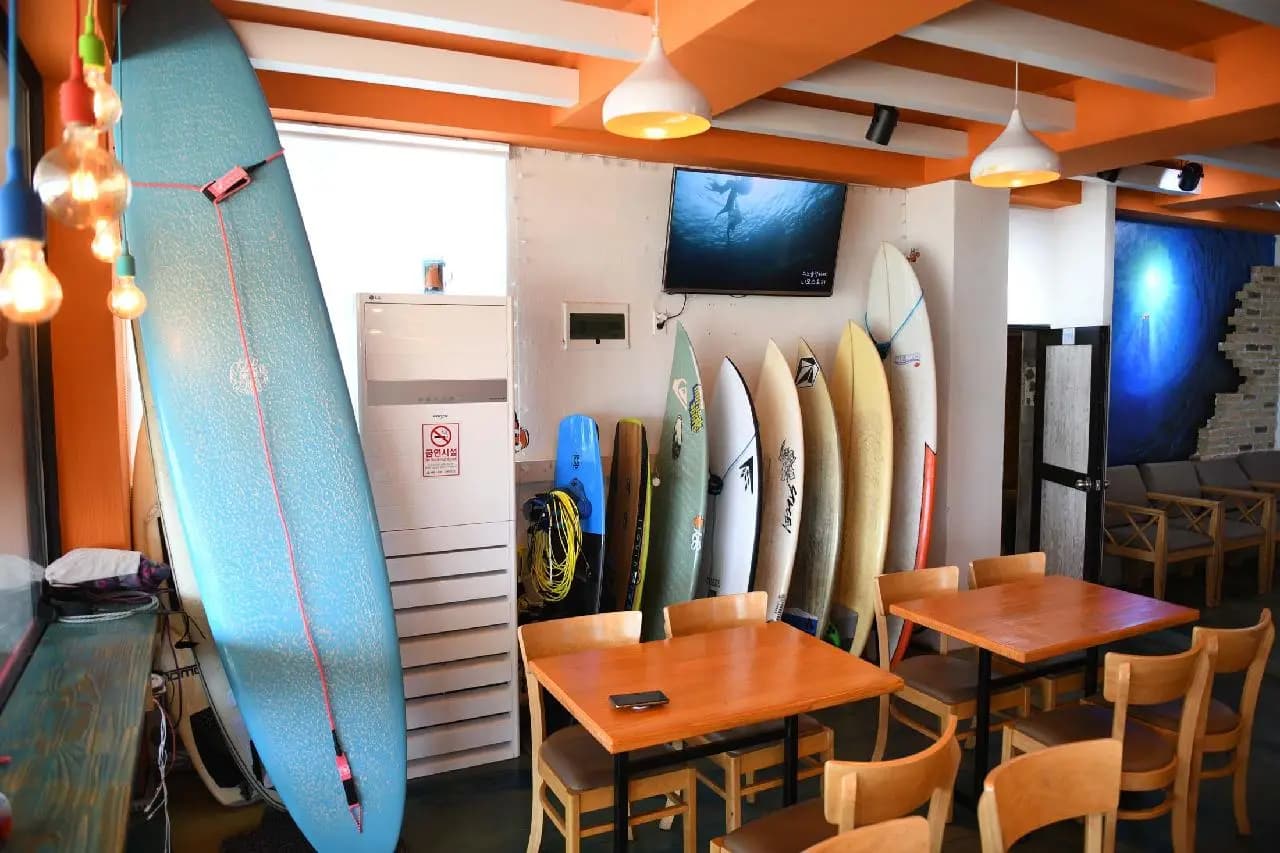
Located near Gimnyeong Beach, Nemo Story is a premier water activity center offering everything from snorkeling and surfing to paddleboarding lessons and rentals. The area features safe surfing spots with shallow waters and fine sandy bottoms, making it ideal for all skill levels. For those looking to capture their adventures, the premium snorkeling package includes professional guided tours, GoPro footage of your underwater explorations, and access to private shower facilities.

Kim Man-il Memorial HallExperience

South90 min

Kim Man-il Memorial Hall

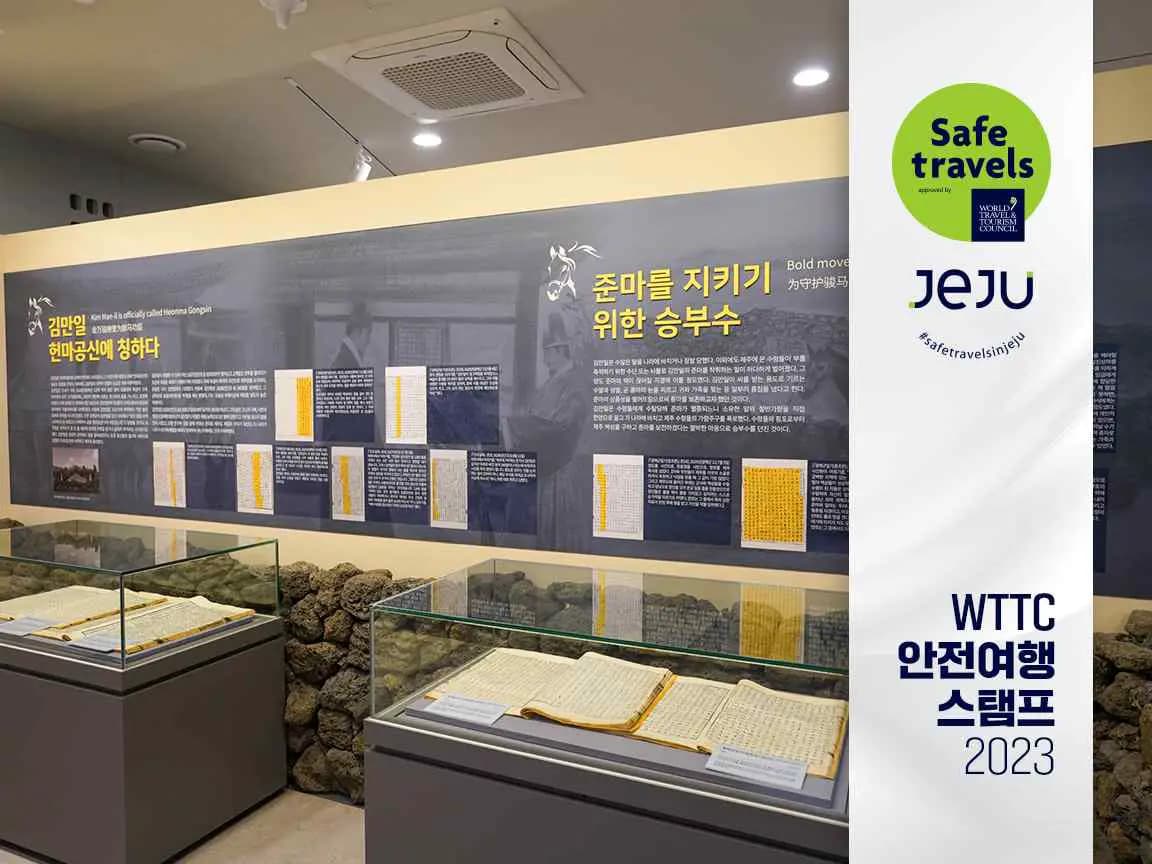
Established by Jeju Special Self-Governing Province, the Kim Man-il Memorial Hall was built to honor the extraordinary achievements of Kim Man-il (1550–1632), a meritorious figure who provided numerous warhorses to the nation through his exceptional livestock breeding skills during the Imjin War. Opened in August 2021 following its establishment by the province in October 2020, the Kim Man-il Memorial Hall offers a profound look into his legacy, showcasing the history and processes behind his success in cultivating vast pastures and raising top-tier steeds for the country.

Photo Gallery Images of NatureNature

East120 min

Photo Gallery Images of Nature

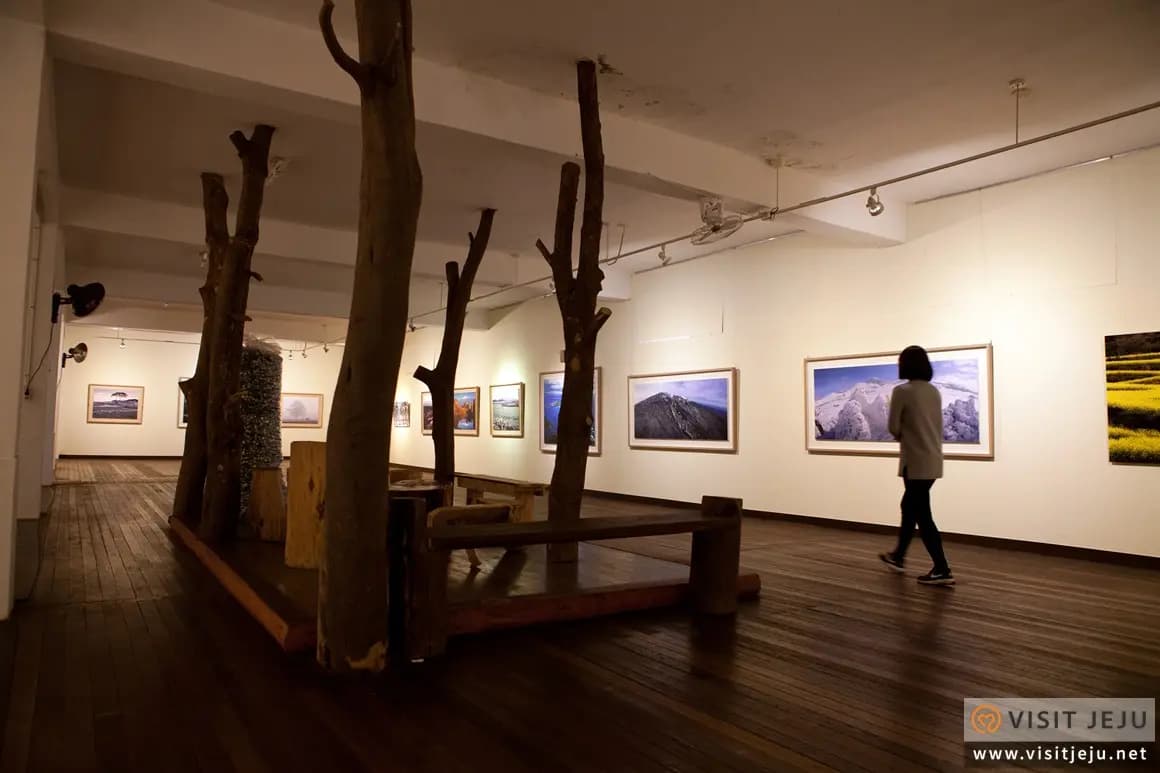
Transformed from the former Gasi Elementary School into a vibrant cultural space, Photo Gallery Images of Nature showcases a breathtaking collection of Jeju's seasonal landscapes and nostalgic scenes captured by photographer Seo Jae-cheol since the 1960s. The venue features a specialized volcanic bomb gallery where visitors can observe various shapes of volcanic bombs firsthand, alongside dedicated spaces that highlight the unique and distinctive culture of Jeju.

Sunrise Land Art CenterExperience

East90 min

Sunrise Land Art Center

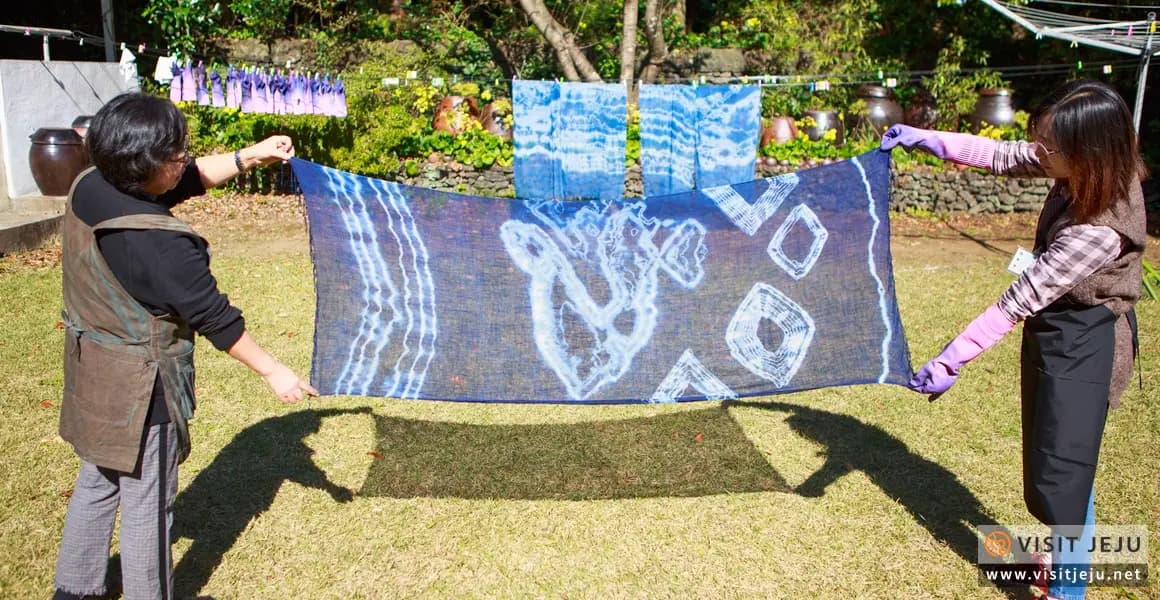
Ilchul Land Art Center is a specialized space for experiencing indigo dyeing. What makes this indigo dyeing experience so special is the indigo plant itself, cultivated directly. The indigo plant is sown from seeds in March or April and harvested in July or August. Once the plant reaches 60-70cm in height, it is fermented by hand to create the dye. Indigo not only boasts beautiful colors but also possesses strong antibacterial and sterilizing properties, making it a popular dye for precious clothing and documents since ancient times. Natural dyeing can be laborious, but the more effort you put into it, the richer and deeper the color.

The map shows the 12 places on this page.