Explore Jeju

Find 6,600+ places by area, type and mood.

6,710 places

Golche Oreum CampingNature

East120 min

Golche Oreum Camping

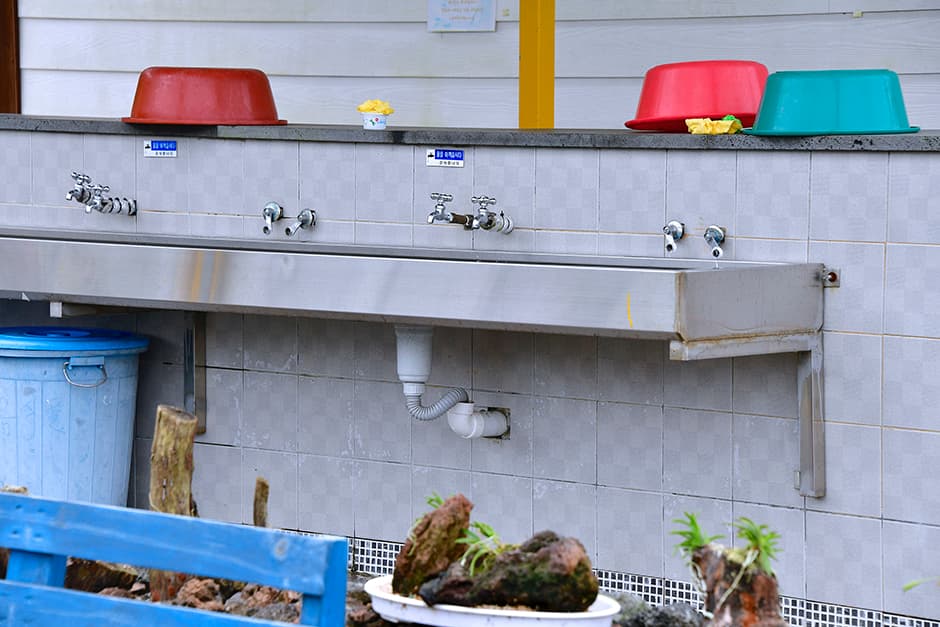
Golche Oreum Camping is an ideal family campsite featuring a central grassy field where children can run freely. The site offers free rentals of soccer balls, badminton sets, catch balls, jump ropes, and hula hoops, making it an easy place to enjoy outdoor play. The central lawn provides a safe play area for children, allowing parents to keep a watchful eye from the comfort of their tents. The facilities include six well-maintained wooden deck camping sites and clean, refreshing restrooms, including accessible facilities for people with disabilities. Each site is equipped with its own distribution box for convenient electrical use. Surrounded by numerous oreums (volcanic cones) such as Geumun, Ujinjebi, Min, Budae, and Buso, the area is perfect for scenic walks. Jeju's oreums are said to change their appearance depending on the season, weather, time of day, and even one's mood. This campsite offers the perfect opportunity to experience the ever-changing beauty of these volcanic landscapes.

Gyorae Samdasoo VillageNature

North120 min

Gyorae Samdasoo Village

Gyorae Samdasu Village is an experiential tourism village created through a collaboration between local residents and the Jeju Special Self-Governing Province Development Corporation to transform the entire Gyorae-ri area into a tourist destination. Located in the mid-mountain region near Hallasan, this area was historically a vital transportation hub known as 'Dori' due to its many bridges. To the southeast, the village boasts a stunning natural landscape featuring expansive ranch lands and volcanic cones (oreums).

GusimulNature

North120 min

Gusimul

Located in Sanggui-ri, Aewol-eup, Jeju City, this spring is fed by groundwater and is said to have served as a vital water source for the Sambyeolcho military force. It is renowned for its high-quality spring water that never runs dry, even during severe droughts; historical records suggest this purity helped prevent cholera outbreaks in the area. To protect the water source, historical fortifications were built, including stone walls and channels crafted from wood and stone to manage the flow.

The map shows the 12 places on this page.