Nature
Byeoldobong Peak (Beri Oreum) (별도봉(베리오름))
Seonban-ro, Jeju-si, Jeju-do
Find 6,600+ places by area, type and mood.
2,461 places
Seonban-ro, Jeju-si, Jeju-do
 Nature
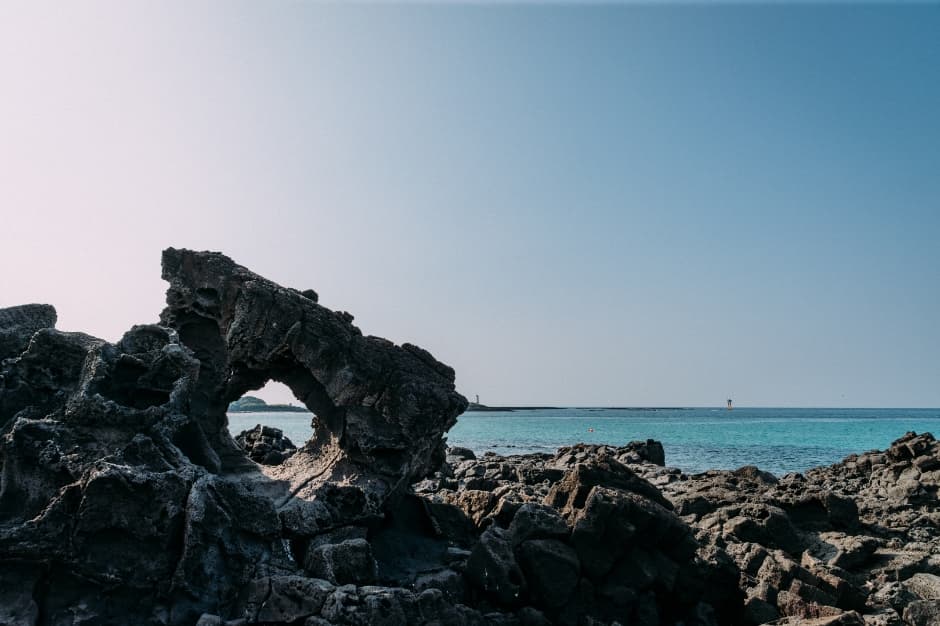
Changkkom is a rock located in Bukchon-ri, Jocheon-eup, Jeju-si. Its name comes from the Jeju dialect term "Chang Gomang," meaning a stone with a hole, derived from "Ttoechangmun." It is famous for its unique scenery, where the ocean and Daryeodo Island can be seen through a naturally formed hole in the rock. It is also well-known as a filming location for the drama "Extraordinary Attorney Woo."
 Nature
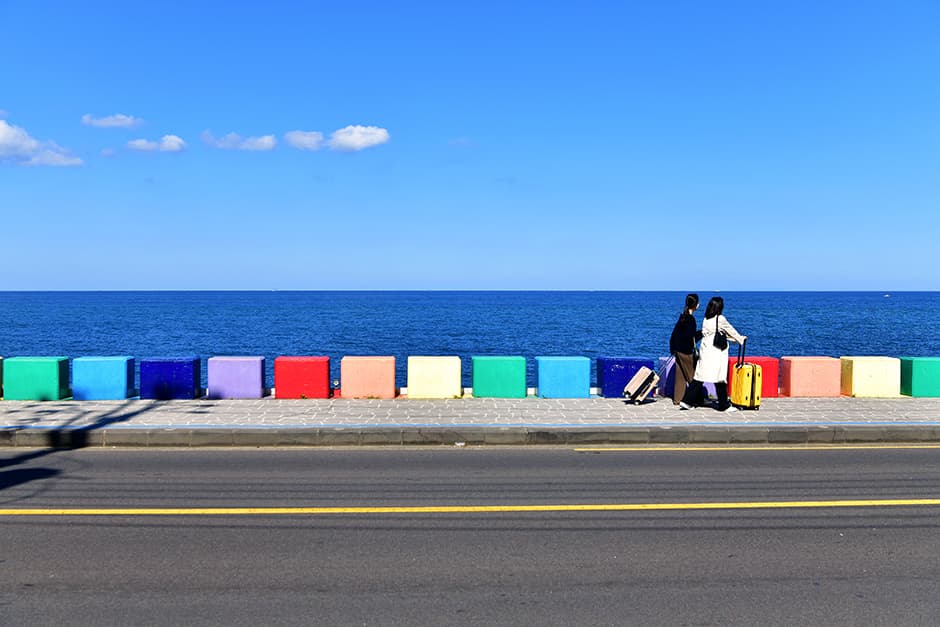
The Dodu-dong Rainbow Coastal Road is part of the Yongdam-Iho Coastal Road, located approximately a 10-minute drive from Jeju International Airport. This unique road features protective barriers painted in vibrant rainbow colors—a creative touch implemented based on local residents' suggestions to prevent vehicles from falling into the sea. It is an excellent spot for enjoying a drive against the backdrop of the blue sky and the horizon. The surrounding area features various sculptures, such as the Haenyeo statues, and is home to Dodubong Peak, which is accessible on foot.
 Nature
Jeju Island, South Korea
 Experience
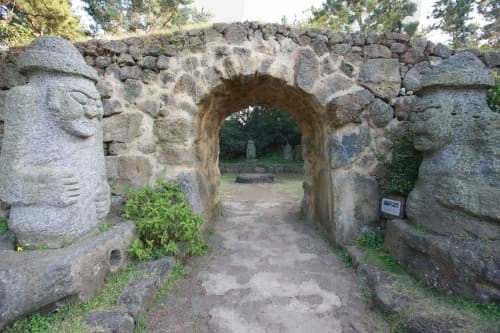
Located in Jocheon-eup, Jeju-si, the Dolhareubang Museum is a park of life and peace, personally developed over 15 years by local Jeju resident and director Kim Nam-heung. The museum features faithful recreations of 48 Dolhareubang statues gathered from various parts of the island, alongside various modern interpretations of Dolhareubang and approximately 250 sculptures displayed outdoors. Along the Gotjawal walking trails, visitors can connect with nature while observing diverse flora, such as ferns and Smilax china.
 Shopping
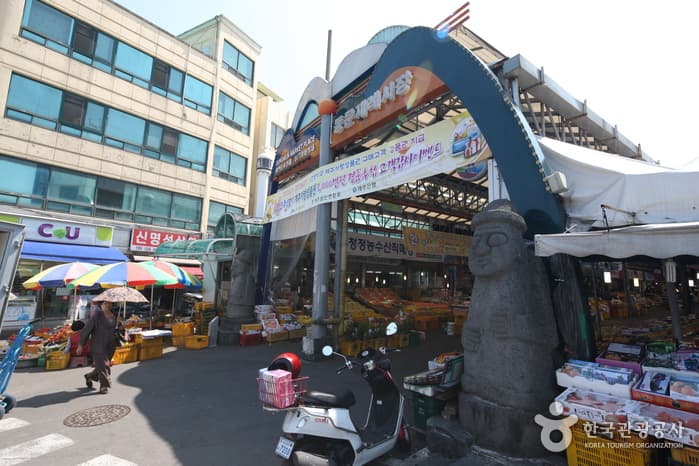
Dongmun Traditional Market is a representative traditional market of Jeju Island, established shortly after Korea's liberation in 1945. It offers a wide variety of goods, including vegetables, fruits, seafood, and clothing. In particular, fresh seafood and fusion dishes such as sliced hairtail and abalone innards rice samhap are highly popular. Together with the Dongmun Traditional Fish Market, it functions as the largest permanent market on Jeju Island.
 Food
19 Upyeong-ro, Jeju-si, Jeju-do
 Nature
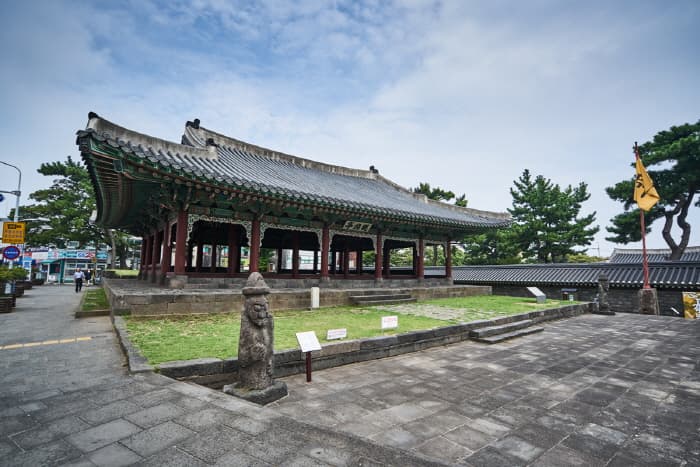
Gwandeokjeong Pavillion (Jeju) is an early Joseon Dynasty pavilion built in 1448 by the Jeju Moksa (magistrate) to train local troops, making it one of Jeju's oldest structures. It features colorful dancheong (traditional multicolored patterns) depicting the Sipjangsaeng (ten symbols of longevity), scenes from the Battle of Red Cliffs, and hunting scenes, as well as a signboard known for the calligraphy of Grand Prince Anpyeong.
 Nature
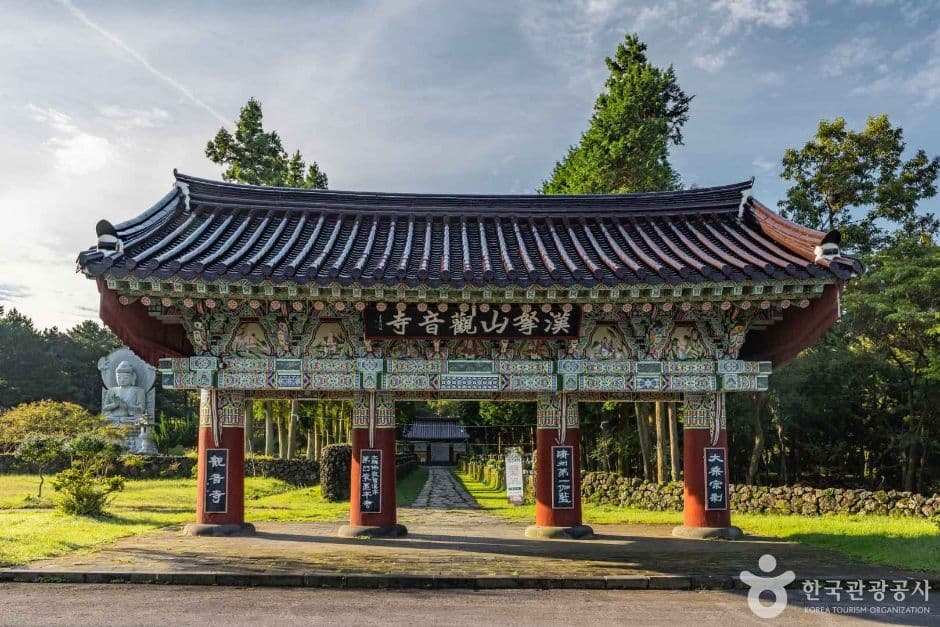
Located at the foot of Hallasan at an altitude of 650m, Gwaneumsa Temple (Jeju) is the head temple of the 23rd District of the Jogye Order of Korean Buddhism, serving as the spiritual center for approximately 30 temples in the Jeju region. The temple offers Temple Stay experiences and Seon meditation programs. The surrounding area also features the Gwaneumsa District Campground within Hallasan National Park, making it a popular base for hiking and camping.
 Nature
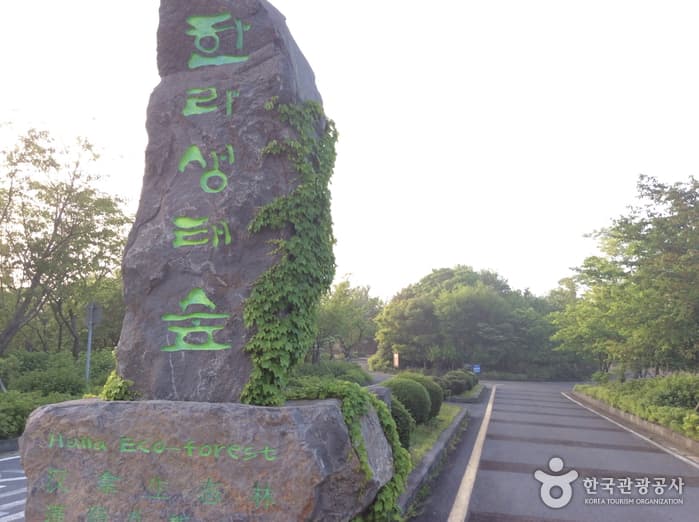
Halla Ecological Forest is a site where former grazing lands once used for horses have been restored to their original forest state. Here, you can observe a diverse range of flora, including subtropical, temperate, and alpine plants. Featuring 13 themed forests—such as the Maple Forest and the Korean Fir Forest—along with ecological trails, an observatory, and a rock garden, Halla Ecological Forest is a premier forest trekking destination where you can encounter the various animals and plants native to Hallasan.
 Nature
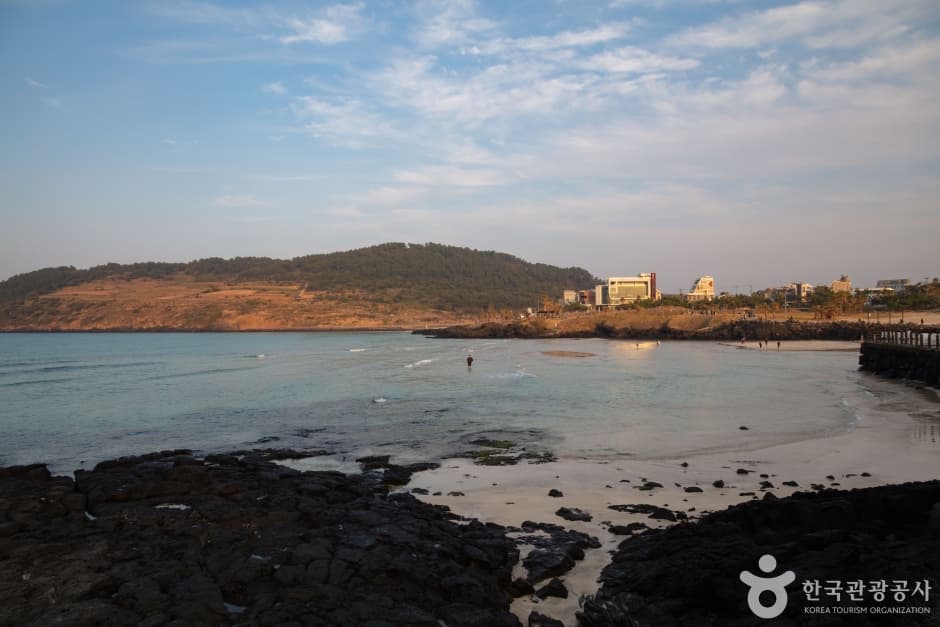
The Seoubong Trail is a walking path included in Jeju Olle Course 19, bordering the eastern sea of Hamdeok Seoubonghaebyeon Beach. As you walk along the gentle ridges of the conical volcanic cone, Seoubong, you can enjoy the yellow canola flowers and emerald-colored coastline in the spring. From the summit, you can take in panoramic views of Hallasan and Hamdeok Seoubonghaebyeon Beach.
 Stay
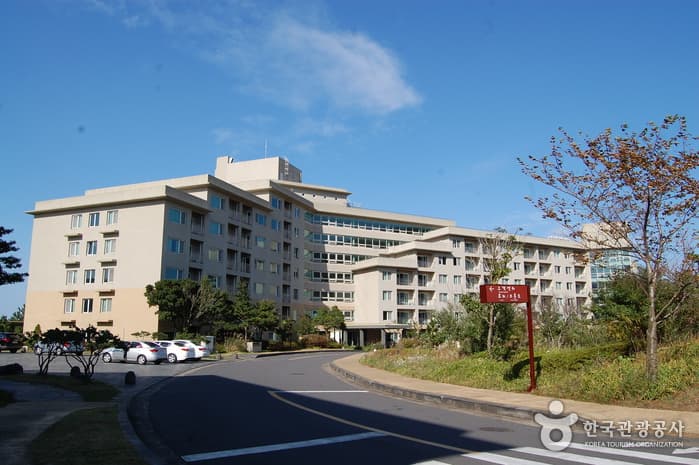
Located in Jocheon, approximately a 40-minute drive from Jeju International Airport, Hanwha Resort Jeju is a resort featuring spacious family rooms with balconies, a wellness center, a shopping arcade, and a garden restaurant. Guests can enjoy various room types, including Deluxe Two-Bedroom suites, while taking in views of the fresh air at the foot of Hallasan, the ocean, the island, and the city lights at night.