 Nature
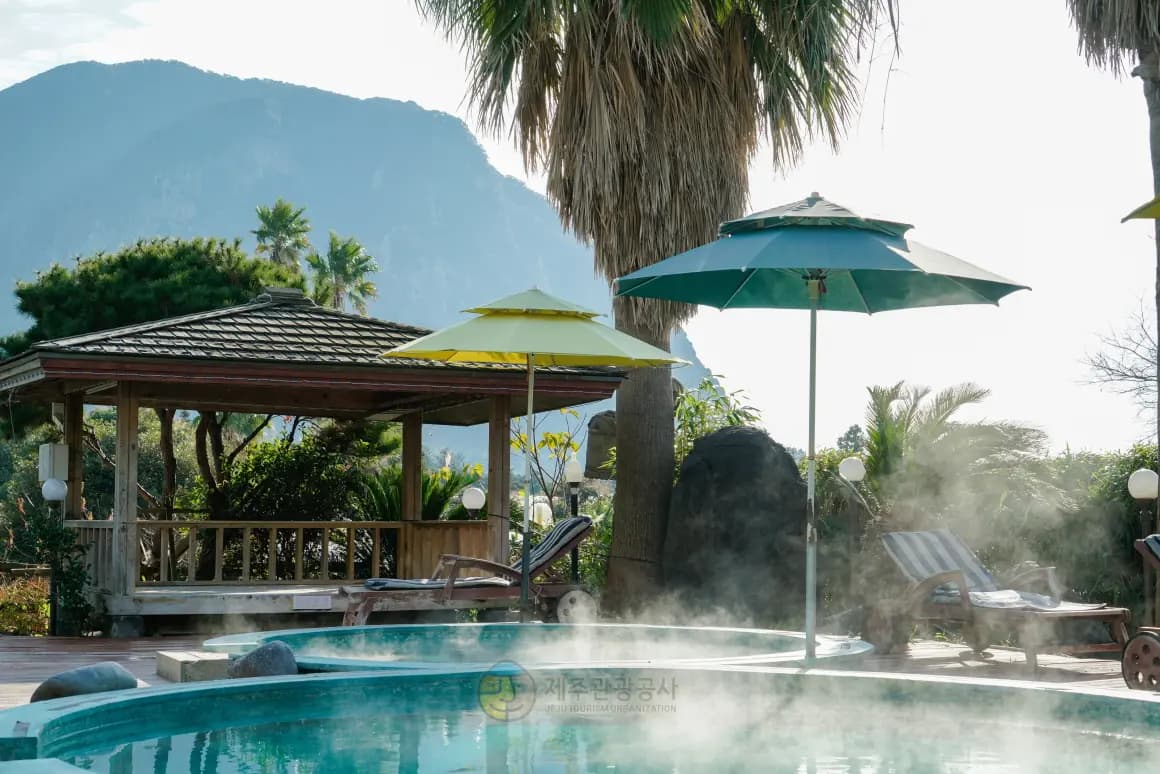
Jeju Sanbangsan Carbonate Hot Springs
Jeju Sanbangsan Mountain Carbonate Hot Springs, the Greatest Carbonate Hot Springs in Korea and the Only Carbonate Hot Springs in Jeju
Find 6,600+ places by area, type and mood.
2,121 places
NatureJeju Sanbangsan Mountain Carbonate Hot Springs, the Greatest Carbonate Hot Springs in Korea and the Only Carbonate Hot Springs in Jeju
 Experience
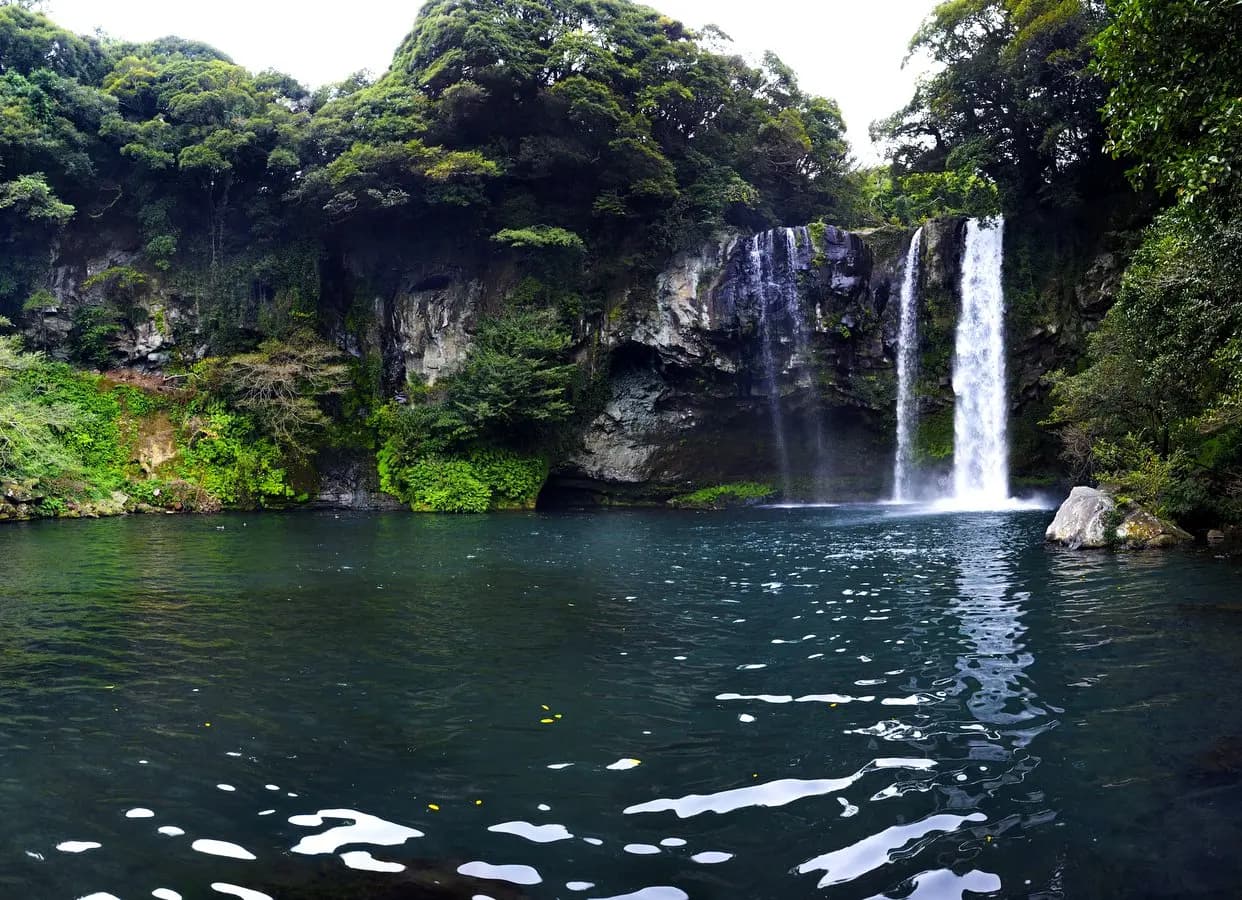
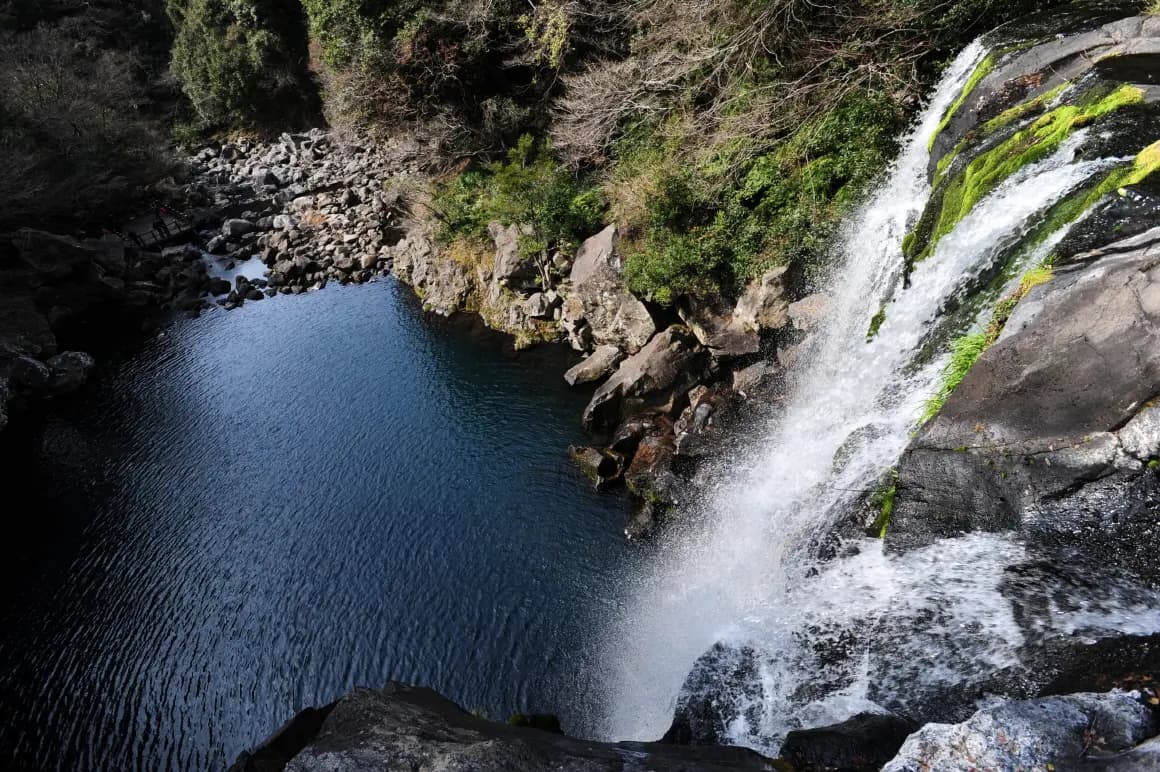
Located in Seogwi-dong, Seogwipo, Jeju, Cheonjiyeon Falls is characterized by its striking white columns of water that thunder down from towering rocky cliffs. Standing approximately 22 meters high, the name Cheonjiyeon translates to "the pond where heaven and earth meet." The area boasts beautifully preserved natural vegetation and serves as a vital habitat for various species, including the natural monument, the Korean spine eel.
 Nature
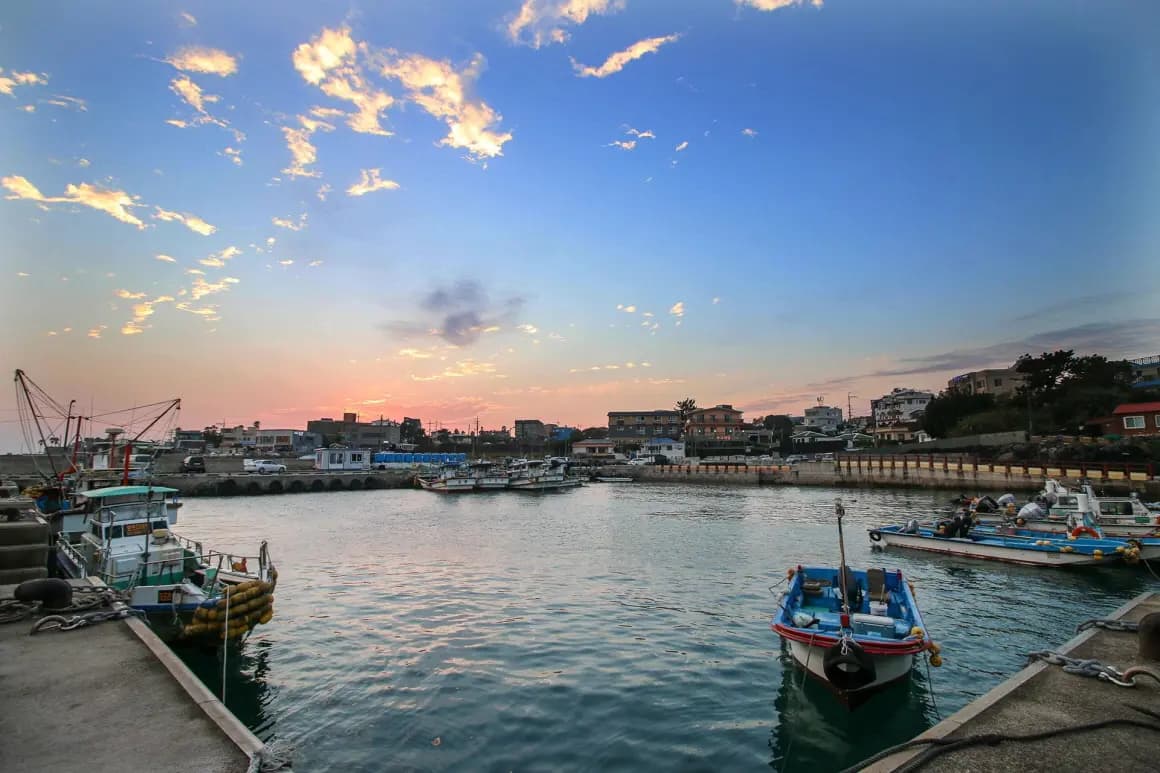
Beophwan Port is also known as "Maksukgae," originating from the history of General Choe Yeong setting up his camp here during the late Goryeo Dynasty to house his soldiers and repel enemy forces. Located along the Jeju Olle Route 7, Beophwan Port is a popular destination for hikers, serving as a landmark of Beophwan Village where the spring-fed Maksuk and the traditional lifestyle of Jeju Haenyeo are well-preserved.
 Nature
A takeout gimbap shop in Seogwipo known for the texture and savory flavor of deep-fried bean curd in its rolls
 Café
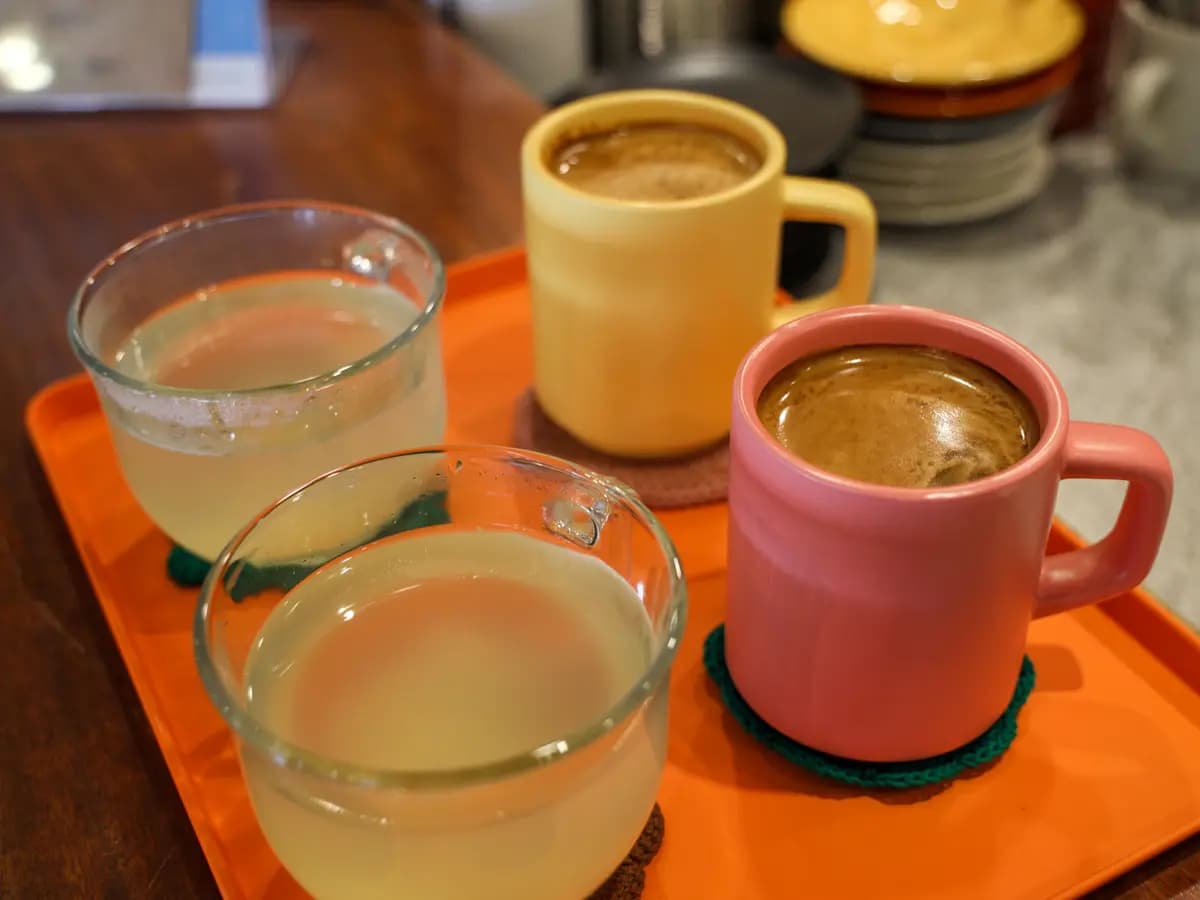
60 Beans, which you can find while walking Jeju Olle Trail Course 7, is a place where you can enjoy a beautiful garden and feel the blue sea spread out before your eyes up close.
 Café
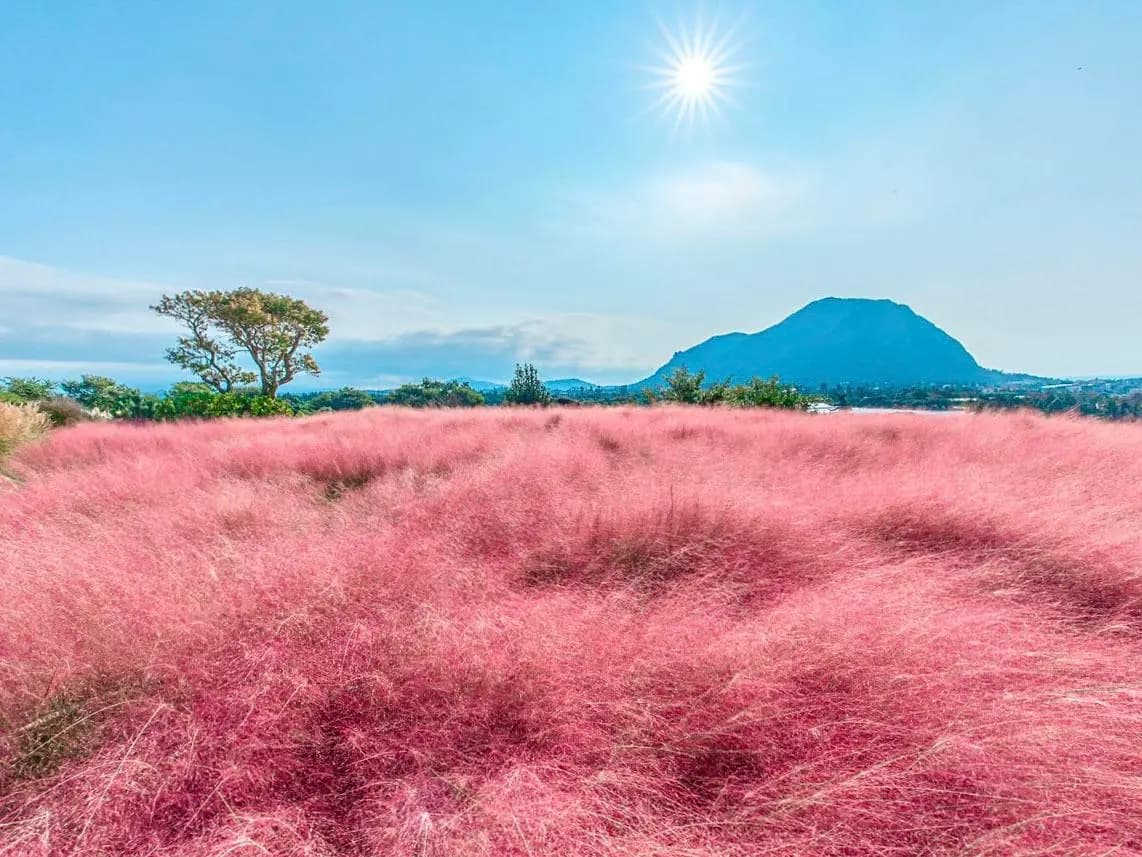
Located on a hill in Andeok-myeon, Seogwipo-si, Manor Blanc is a garden-style cafe spanning approximately 6,600 square meters. Set against the stunning backdrop of Sanbangsan Mountain and Hyeongje Island, visitors can enjoy flowers blooming throughout the seasons, including European hydrangeas, roses, and camellias. The pink muhly garden, which blooms in August, and the indoor space decorated with antique props are the primary photo spots. During the winter season, visitors can also participate in tangerine and Hallabong experiences.
 Experience
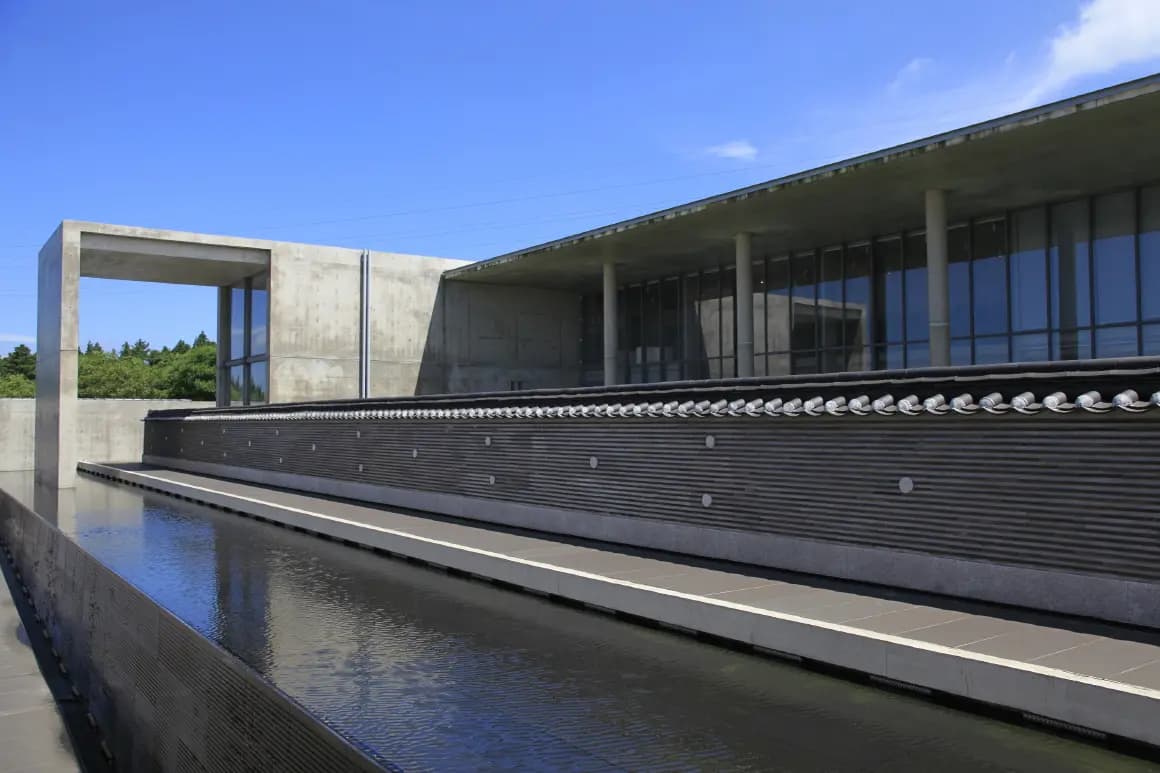
Exhibits of traditional crafts and contemporary art, housed in a building featuring world-renowned architect Tadao Ando’s signature poetic harmony of eco-friendly architecture
 Nature
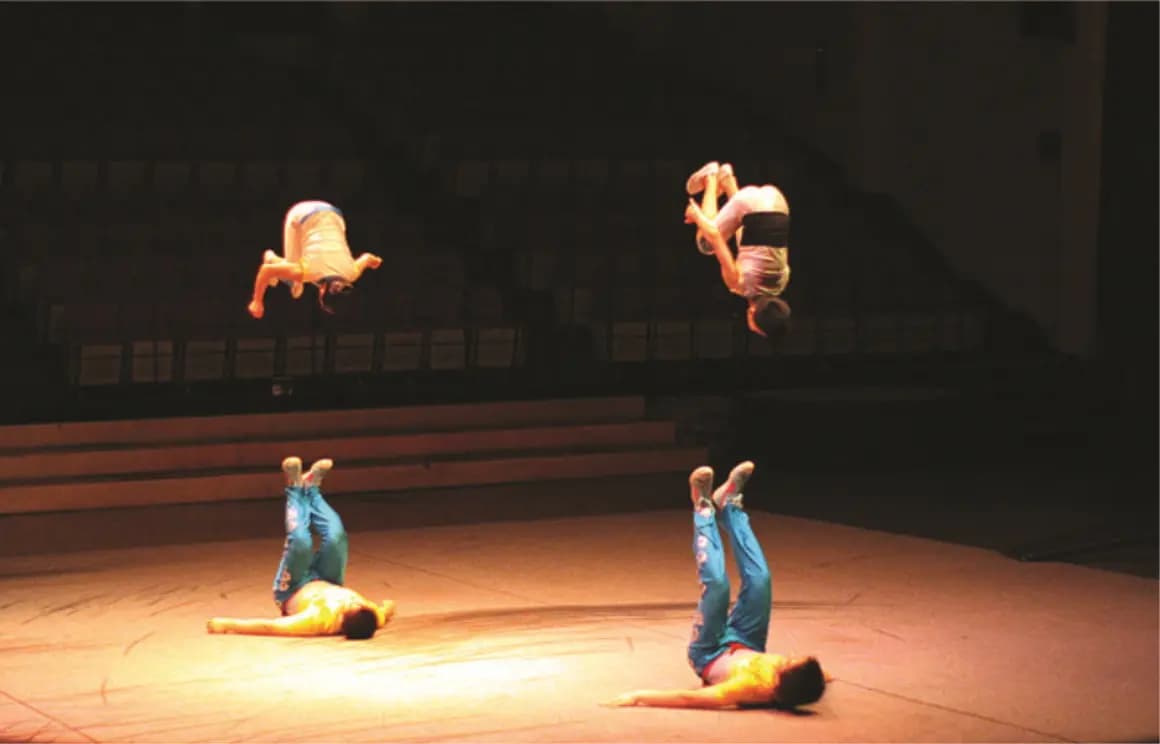
Opened in January 2004 on the former site of the Happy Town performance hall, Art Circus is Korea's first permanent venue for Chinese circus and motorcycle shows. It features a curated selection of award-winning international circus acts, including motorcycle shows, bicycle acrobatics, and Chinese acrobatics. Visitors can experience a world-class production featuring approximately 40 performers and cutting-edge special effects.
 Nature
Where Forest and Falls Combine In a Beautiful Way
 Nature
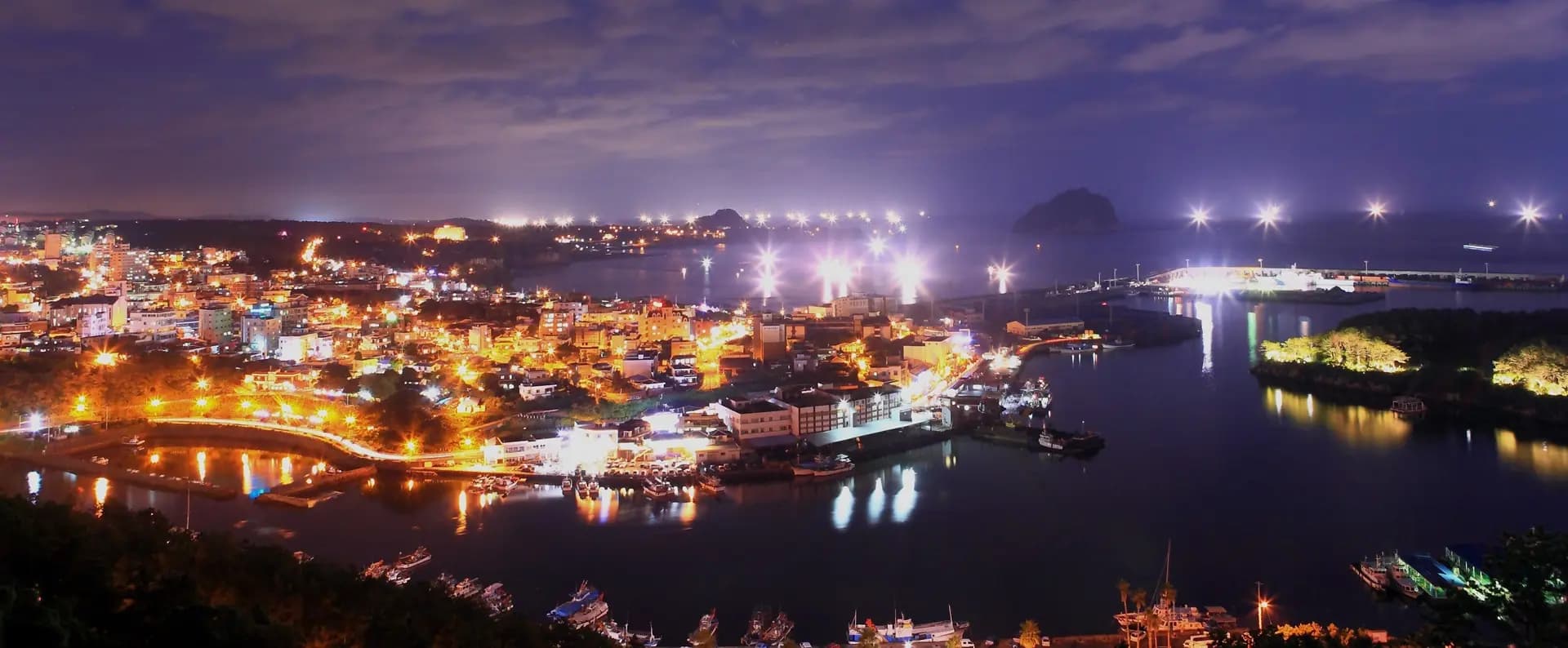
Located at the southernmost tip of the country, Seogwipo Port maintains calm sea temperatures throughout most of the year, thanks to the protective influence of Hallasan. Beyond its original function as a fishing port, it plays a significant role as a major maritime hub for welcoming tourists. Visitors can easily explore the nearby uninhabited island, Saeseom, by crossing Saeyeon Bridge, which beautifully connects Seogwipo Port to the island.
 Nature
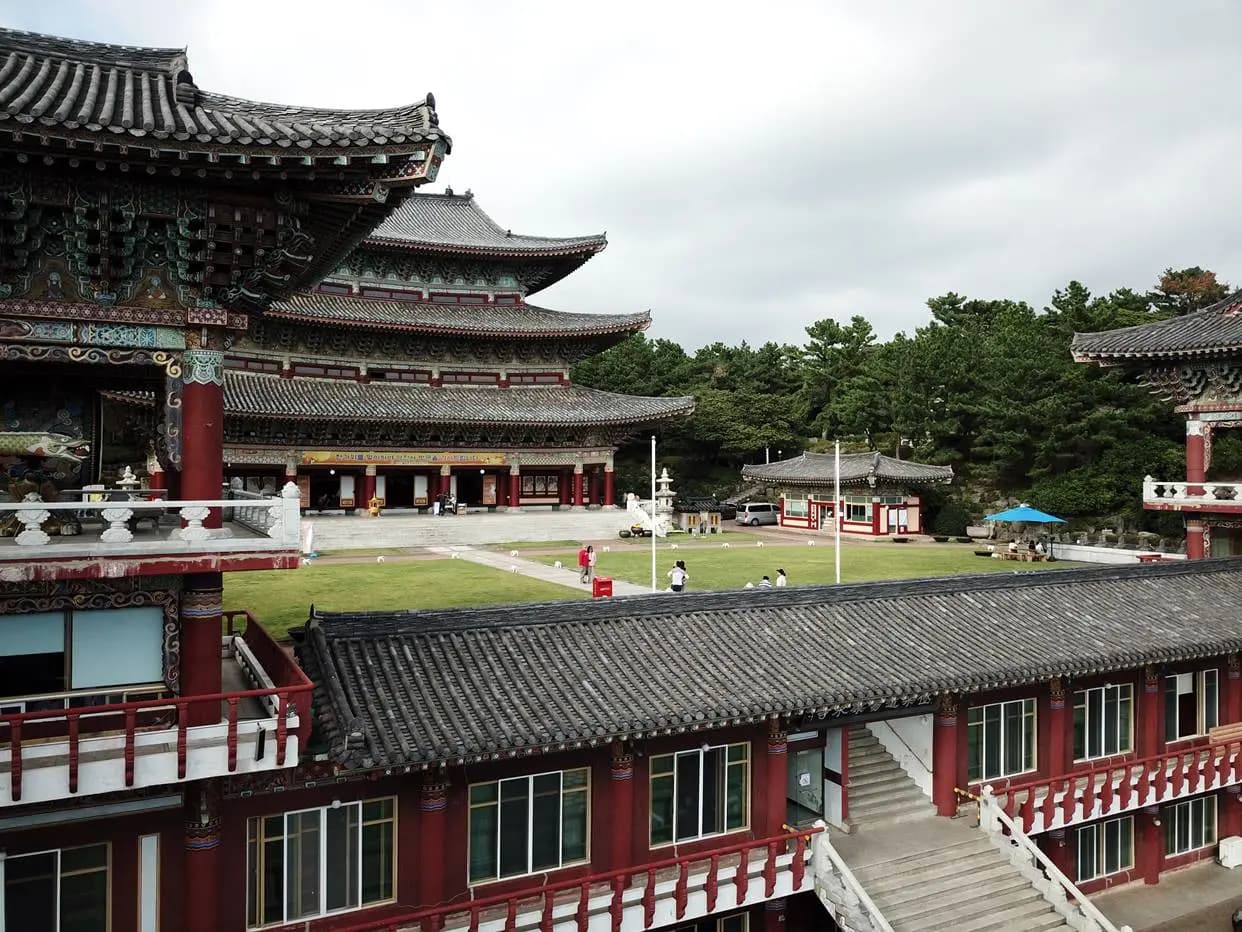
Located in Seogwipo, Jeju, Yakcheonsa Temple is home to the Daejeokgwangjeon, the largest Buddhist prayer hall in the East, which was completed in 1996. The surrounding area is further enriched by lush Hallabong citrus orchards and scenic Olle trails.
 Nature
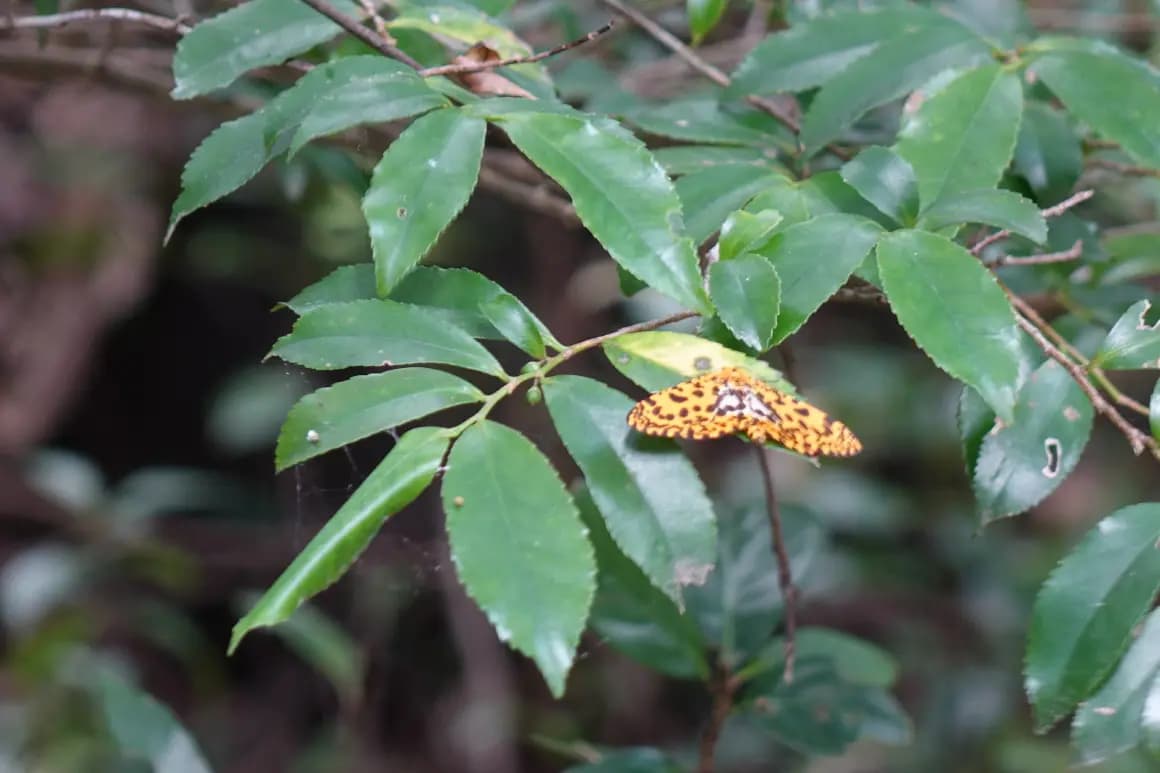
Sanyang Keuneonggot is a unique forest area located within the Hangyeong-Andeok Gotjawal, one of Jeju's four major Gotjawal ecosystems. Originally serving as a communal pasture for the local village, this enchanting space was transformed into a beautiful woodland through the creative vision of local residents. The forest boasts a rare ecological landscape where plants from both tropical and subarctic climates coexist, creating a mystical atmosphere. Because the area holds significant groundwater reserves, it naturally regulates its temperature, offering a refreshing escape year-round. The exploration trails span approximately 3.5km and are divided into two paths: the Dalgu-ji Trail and the Forest Trail. The Dalgu-ji Trail is wheelchair and stroller accessible, making it easy for everyone to explore. This path also features whimsical themes, such as a "Witch's House," bringing the charm of a fairy tale village to life.