2025 — 2026 Season
Jeju Now
6,000+ official Visit Jeju listings — browse by north, east, south, west or category, or explore themed picks below.
CuratedSections.region_east
 Nature120 min
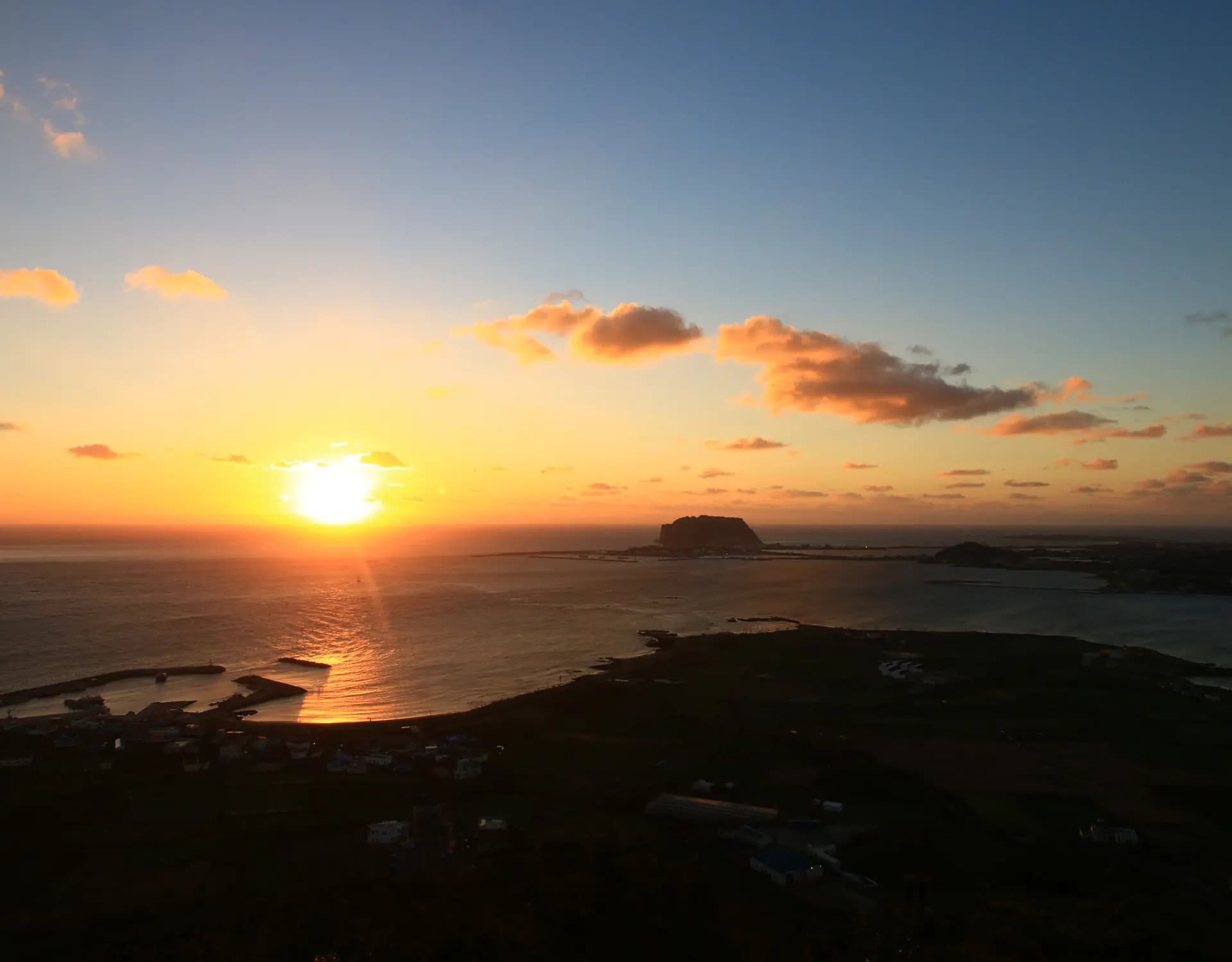
The way to greet the sun <Jeju sunrise trip>
There is a time when we spend our days most meaningfully. It is when a year begins and when a year ends. If we can live worthily every day, each day will be precious. You are the one starting your day.
 Experience90 min
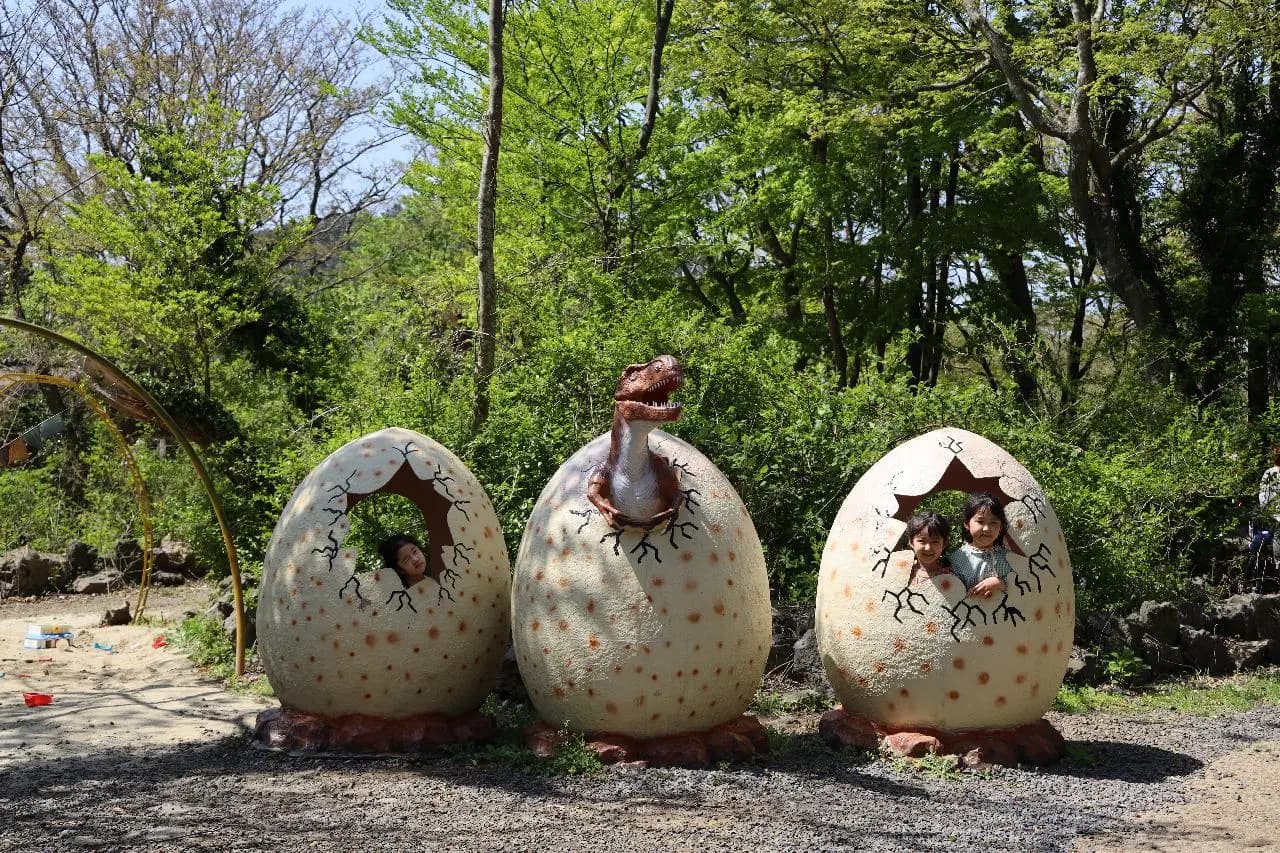
Forest Safari
As Jeju's largest safari-themed park, Forest Safari offers an immersive experience where you can get up close to lifelike animal models, including giraffes, lions, and zebras, that move and make sounds just like the real thing. It is a perfect destination for families, featuring various activities such as riding safe animal and dinosaur models, painting experiences, and numerous photo zones that children will absolutely love.
 Nature120 min
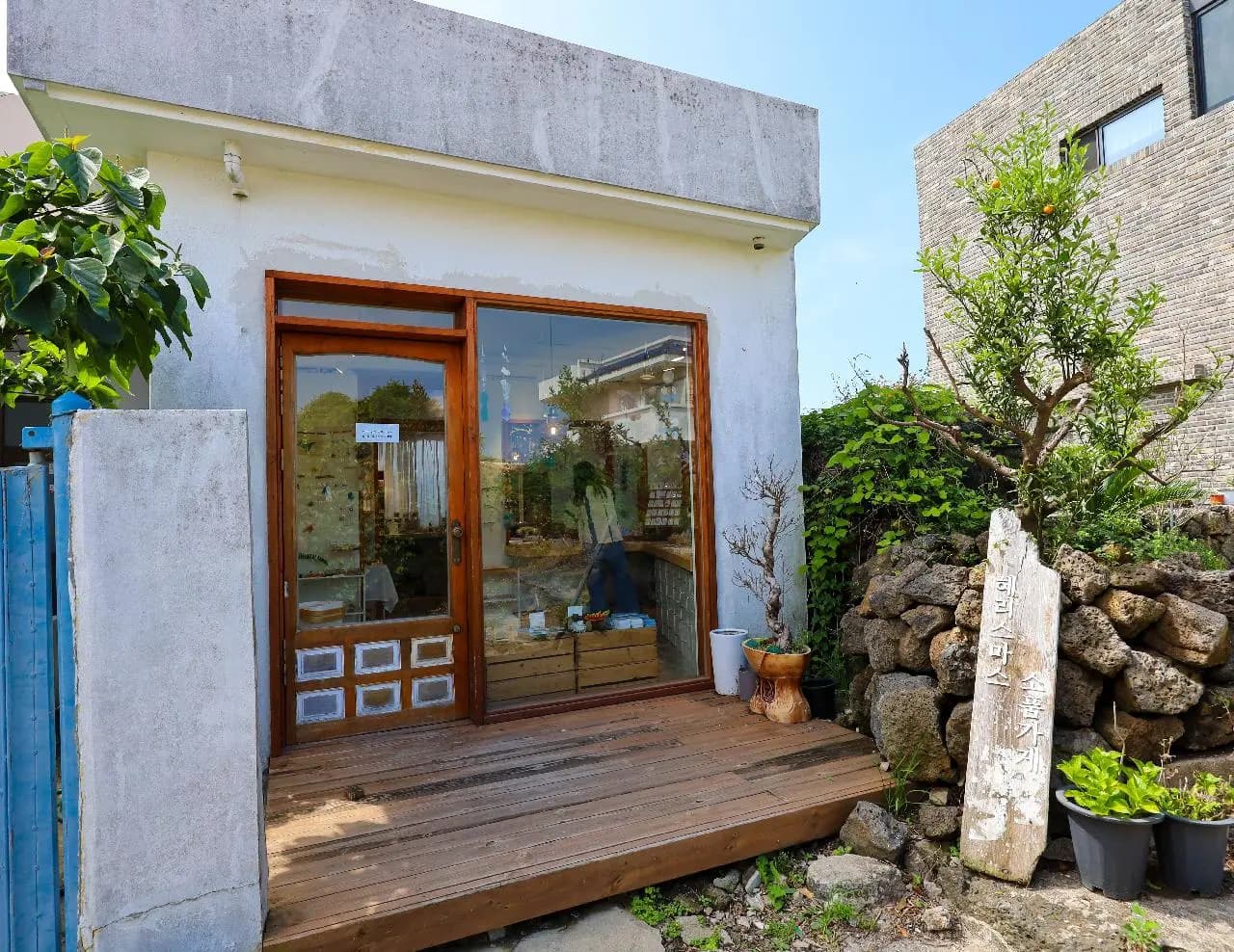
Christmas
Tucked away in a residential neighborhood near Sehwa Beach, Christmas is a charming handmade boutique that offers a peaceful shopping experience away from the bustling crowds. As you climb the stone steps, you will discover a collection of quaint, soulful treasures, including vintage wooden signs, postcards capturing the beauty of the Jeju sea, and delicate mother-of-pearl mobiles.
 Nature120 min
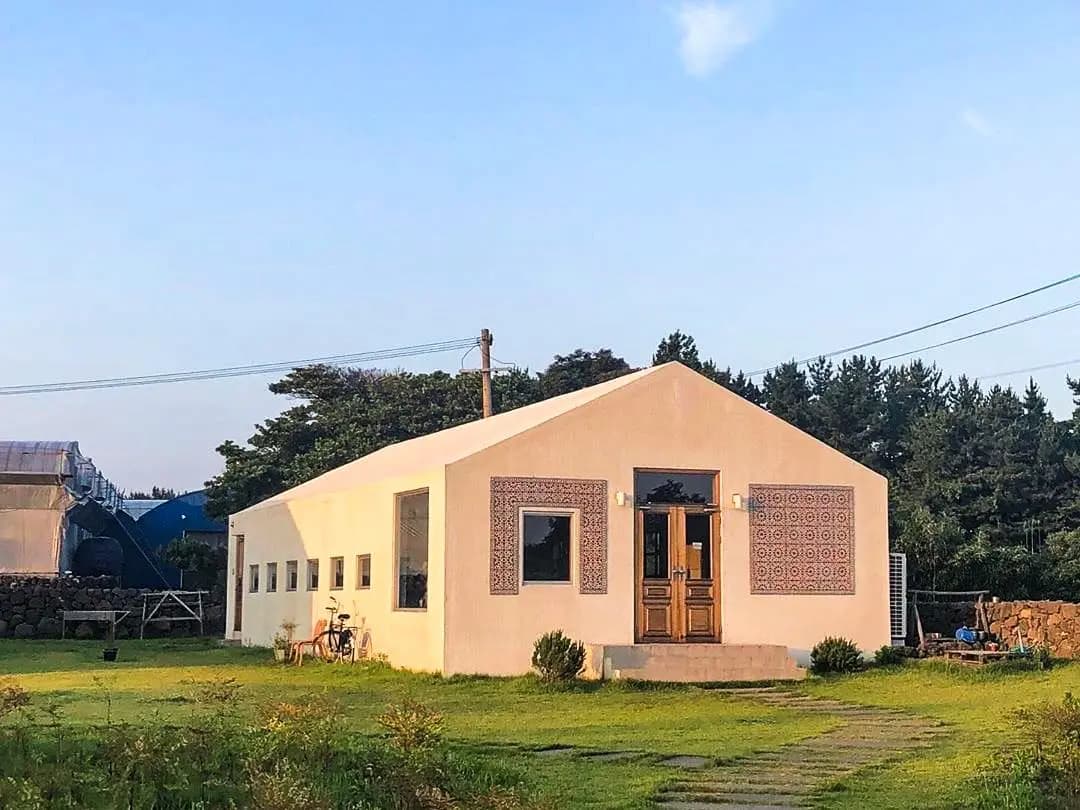
Azulejo
Nestled in the quiet village of Sinpung-ri, Seongsan-eup, Seogwipo-si, Jeju, Azulejo is a Lisbon-style cafe whose name—meaning 'tile' in Portuguese—reflects its stunning entrance and exterior adorned with intricate tilework. The cafe is famous for its delicious egg tarts, which are a must-buy for many visitors, and features a charming little garden just outside.
 Nature120 min
Hanmosal (Pyoseonbaeksa Beach)
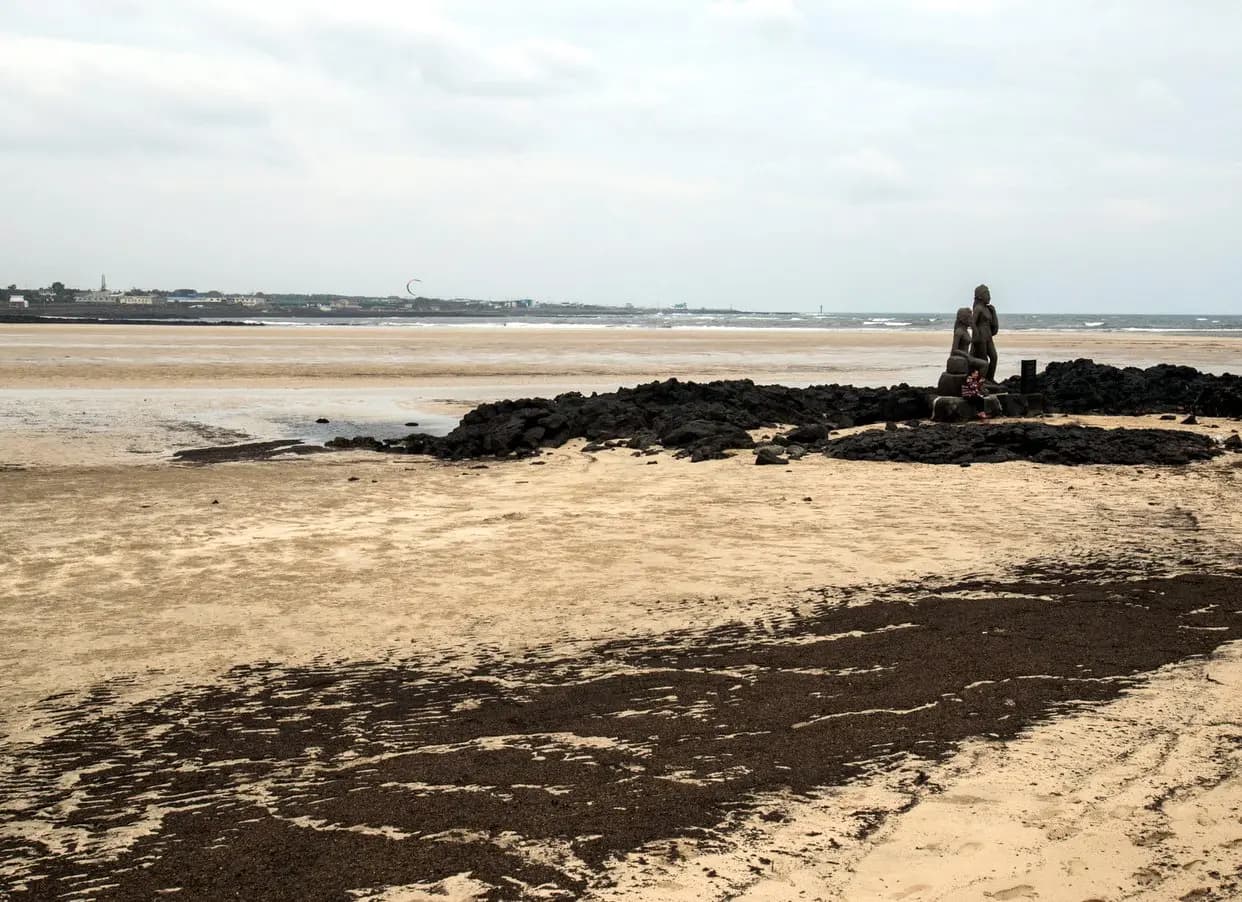
Hanmosal (Pyoseonbaeksa Beach) derives its name from the Jeju dialect word "Han," meaning a vast and expansive sandy field, and refers to the wide stretch of coastline located to the west of Pyoseon Beach. This site holds a profound and somber history, as it was a place where residents from Pyoseon-myeon and Namwon-myeon were brought during the Jeju April 3 Incident, where massacres were tragically commonplace. In particular, three large-scale massacres occurred here between December 1948 and February 1949. Today, while the Pyoseon Folk Village and Pyoseon-myeon Library stand nearby, only the open space at the entrance of the library remains as a silent witness to the large-scale tragedies that once took place.
 Nature120 min
Samdal Garden
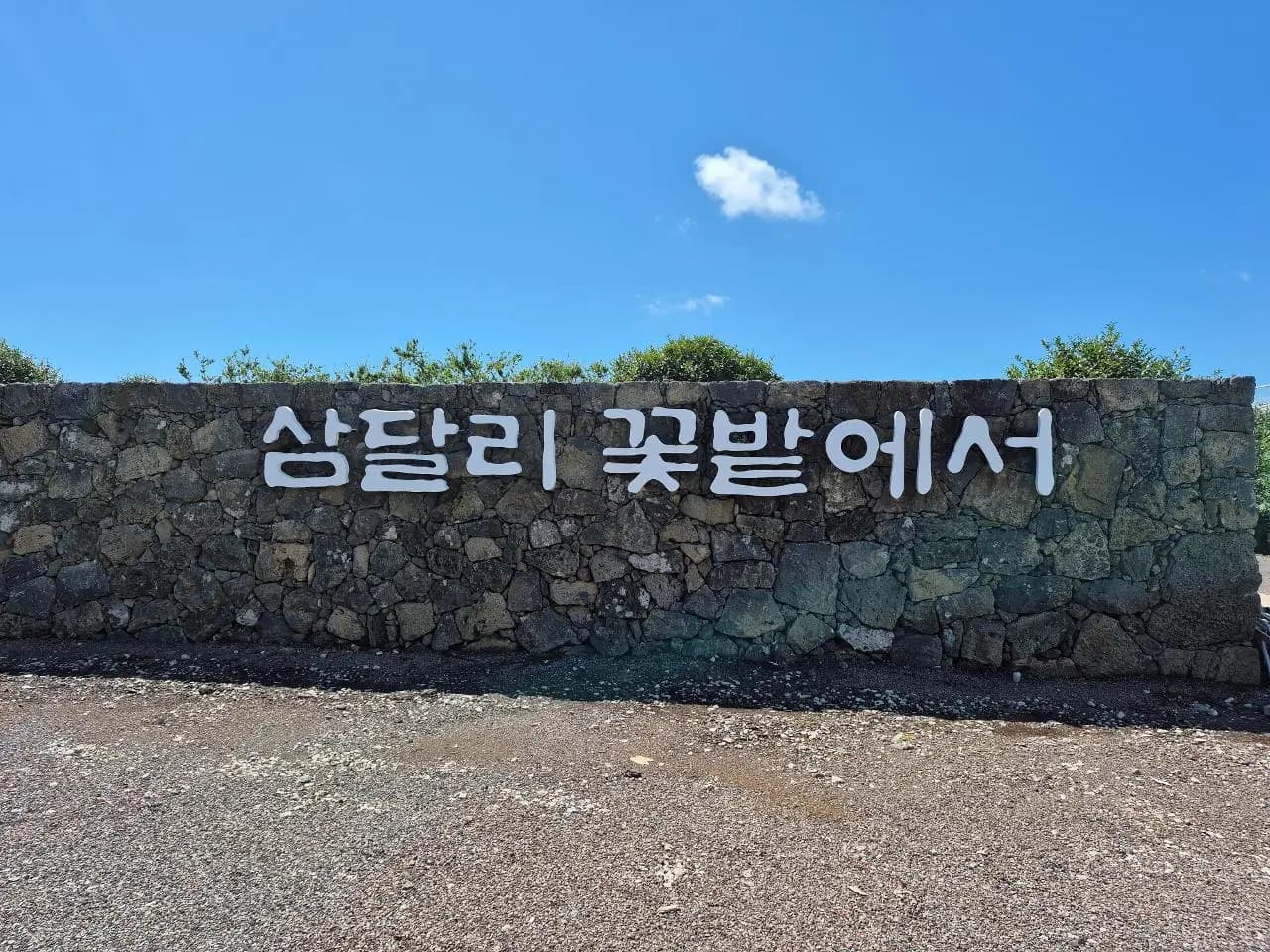
Located in Samdal-ri, Seongsan-eup, Seogwipo-si—the filming location for the popular dramas *Welcome to Samdal-ri* and *Our Blues*—Samdal Garden is a private camellia garden of breathtaking beauty. Spanning approximately 33,000 square meters, this enchanting estate features a blend of palm tree paths, olive tree walkways, and a charming cafe, creating a uniquely exotic atmosphere. It is especially renowned as a premier destination to witness the stunning bloom of miniature camellias, which reach their peak splendor in February.
 Nature120 min
Riul
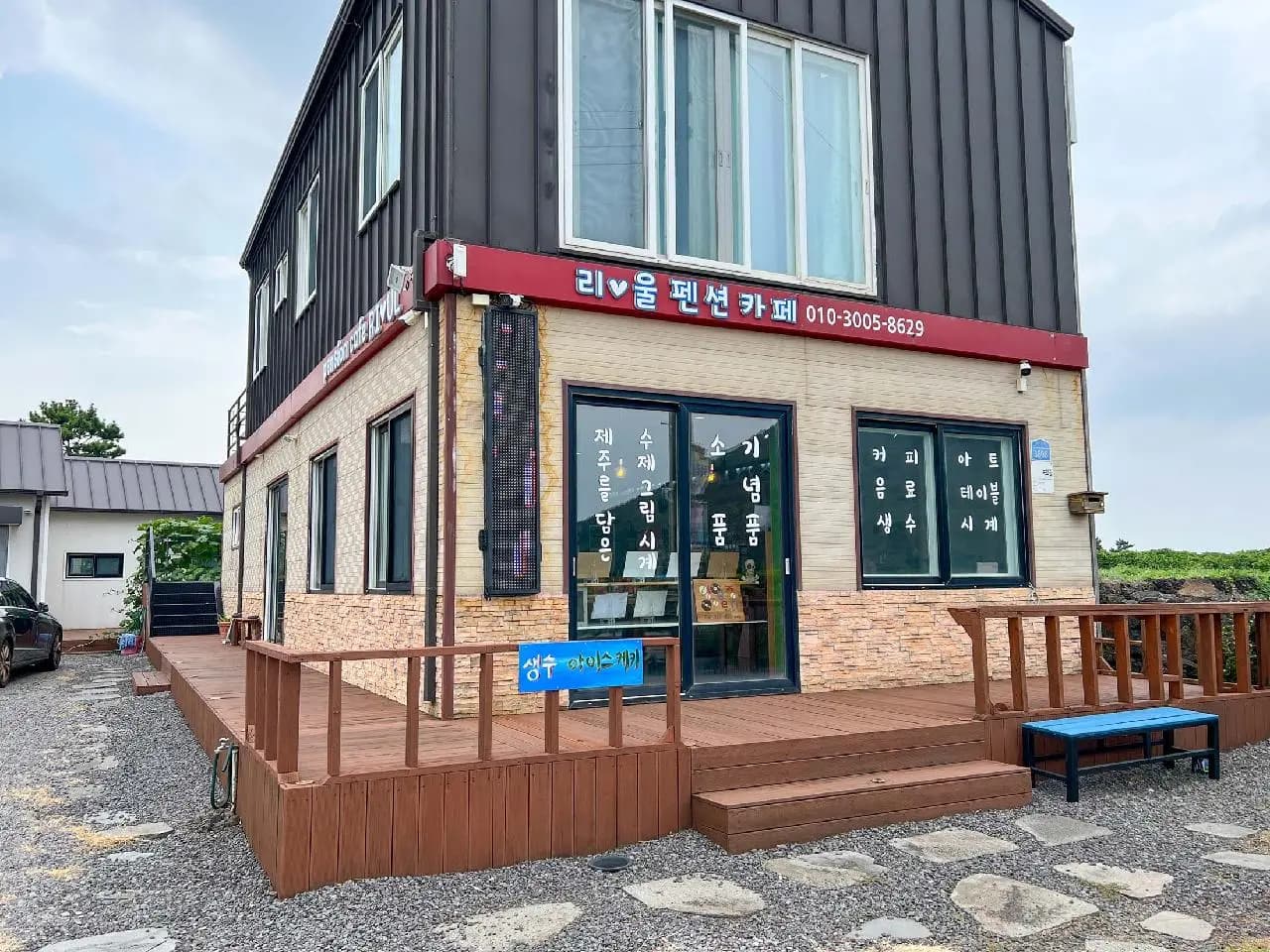
Located along the main road near Jimibong—a premier sunrise spot on eastern Jeju—Riul is a charming boutique cafe that is easily accessible with its spacious parking area. Here, you can admire and purchase a curated collection of handmade treasures inspired by the island, including hand-painted canvas landscapes of Jeju, local postcards, and delicate resin artworks all crafted with love by the owner.
 Nature120 min
Daewangsan Volcanic Cone (Wanmoe, Wangme, Wangmi)
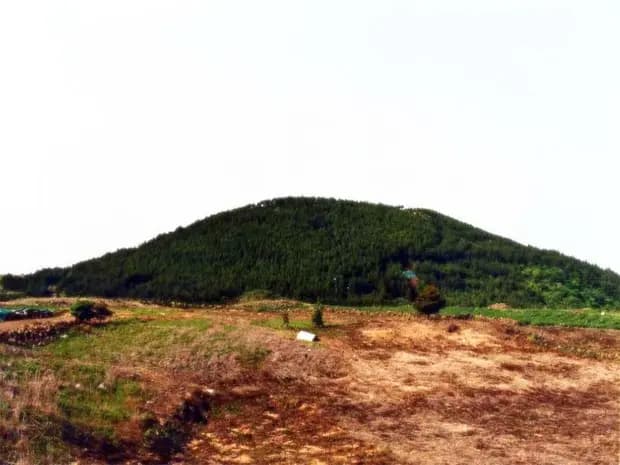
Located in Susan-ri, Seongsan-eup, Seogwipo-si, Jeju, Daewangsan Volcanic Cone (Wanmoe, Wangme, Wangmi) is a captivating oreum steeped in local legend. According to folklore, an ancient geomancer once observed that the surrounding landscape possessed the auspicious shape of the Chinese character for 'King' (王), with its vital energy flowing directly from this peak. Another local legend suggests that the very silhouette of Daewangsan Volcanic Cone (Wanmoe, Wangme, Wangmi) was intentionally shaped like the character 'King' to honor this mystical connection.
 Food90 min
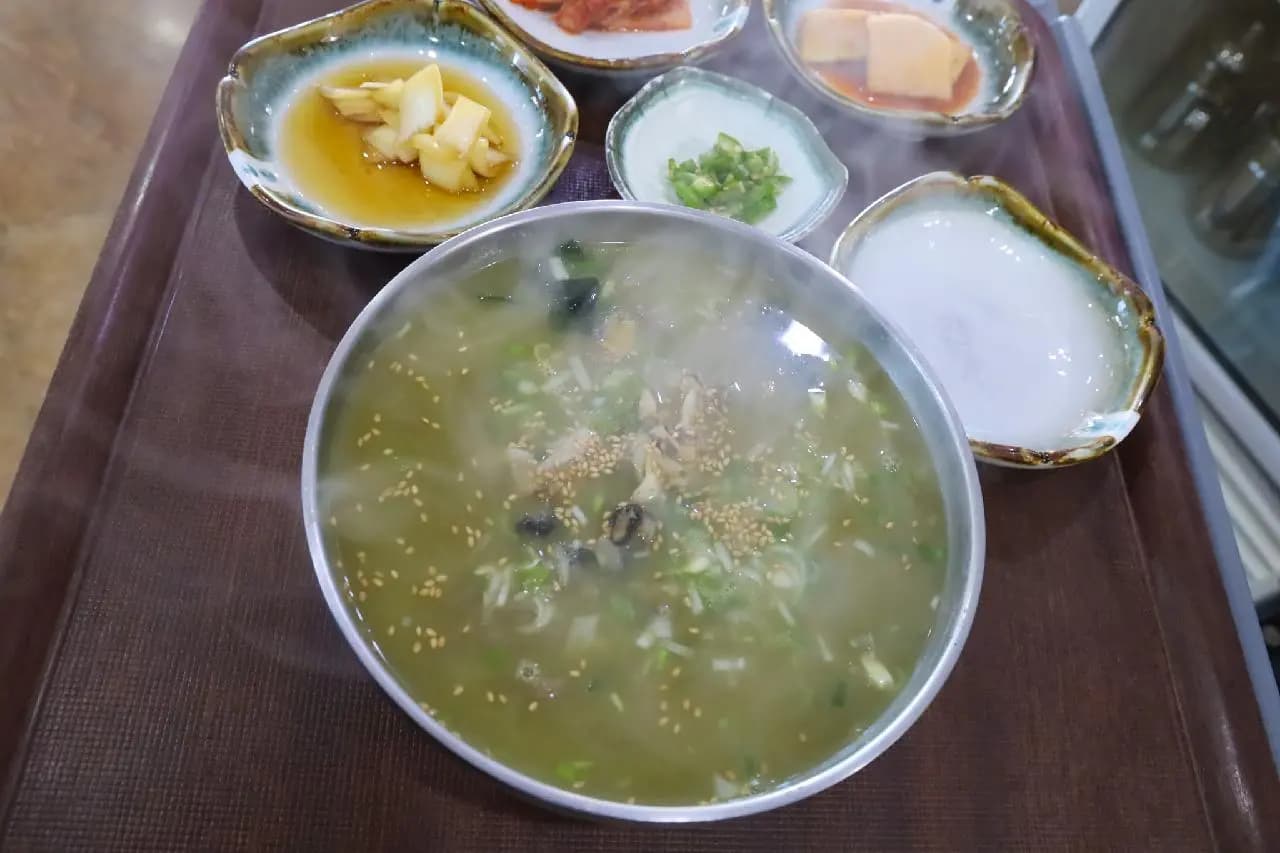
Noodles and Pyoseon Main Branch
Located right next to Pyoseon Beach in Seogwipo, Jeju, Noodles and is a specialty restaurant specializing in abalone and bomal (top shell) kalguksu. They serve delicious kalguksu made with healthy noodles infused with hijiki (seaweed), offering a unique and nutritious dining experience. With a private parking lot available right in front of the restaurant and a spacious interior, Noodles and is a perfect destination for groups and families.
 Café90 min
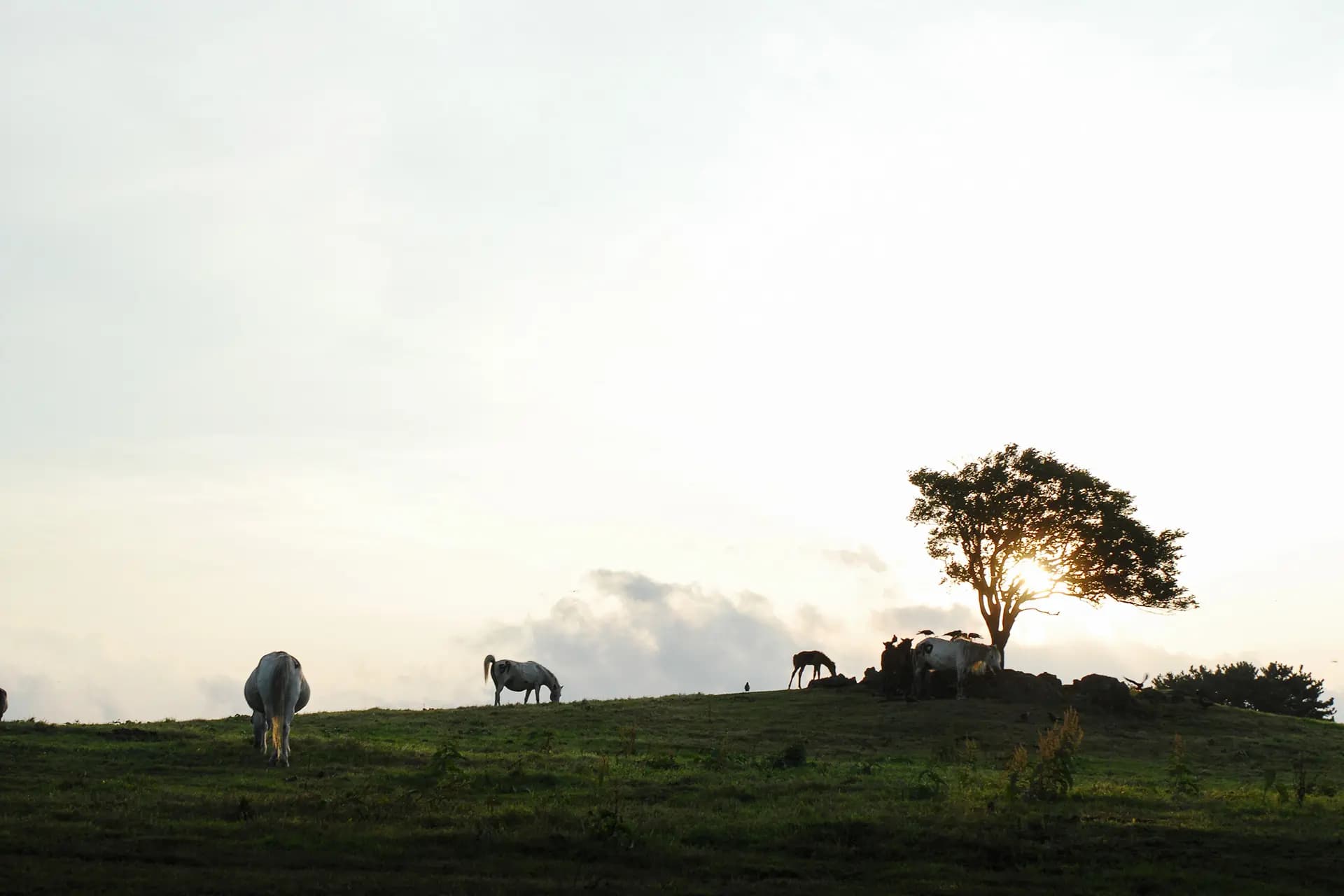
말 많은 제주도 <제주의 말문화 만나기>
예부터 제주도는 말로 유명하다. 속담에도 ‘말이 나면 제주로 보내라’ 했다. 곳곳에 목장의 초원이 자리하고 있고, 여름철에는 꽃마차가 아이들을 부지런히 실어 나른다. 말과 관련한 속담이 가득하고, 말 요리까지 발달한 제주도는 전국 어디에서도 찾아보기 힘들 정도로 말문화의 본고장이다.
 Nature120 min
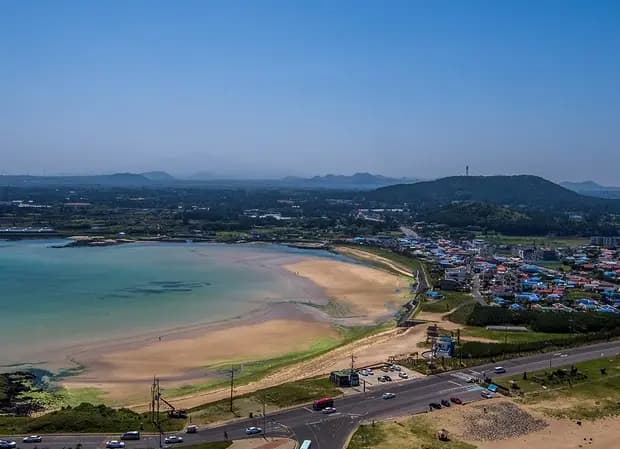
Sosusanbong Volcanic Cone (Jokeunmulmoe)
Distinguished from Daesusanbong, Sosusanbong Volcanic Cone (Jokeunmulmoe) is a charming oreum characterized by its lush forest of maritime pine trees. You can easily access the site via the small path next to Seongsan Bada Restaurant or the side road near the children's playground at the entrance of Sinyang-ri. To the north, you will find a small, egg-shaped peak that the local villagers affectionately call Doksaegi Oreum.
 Food90 min
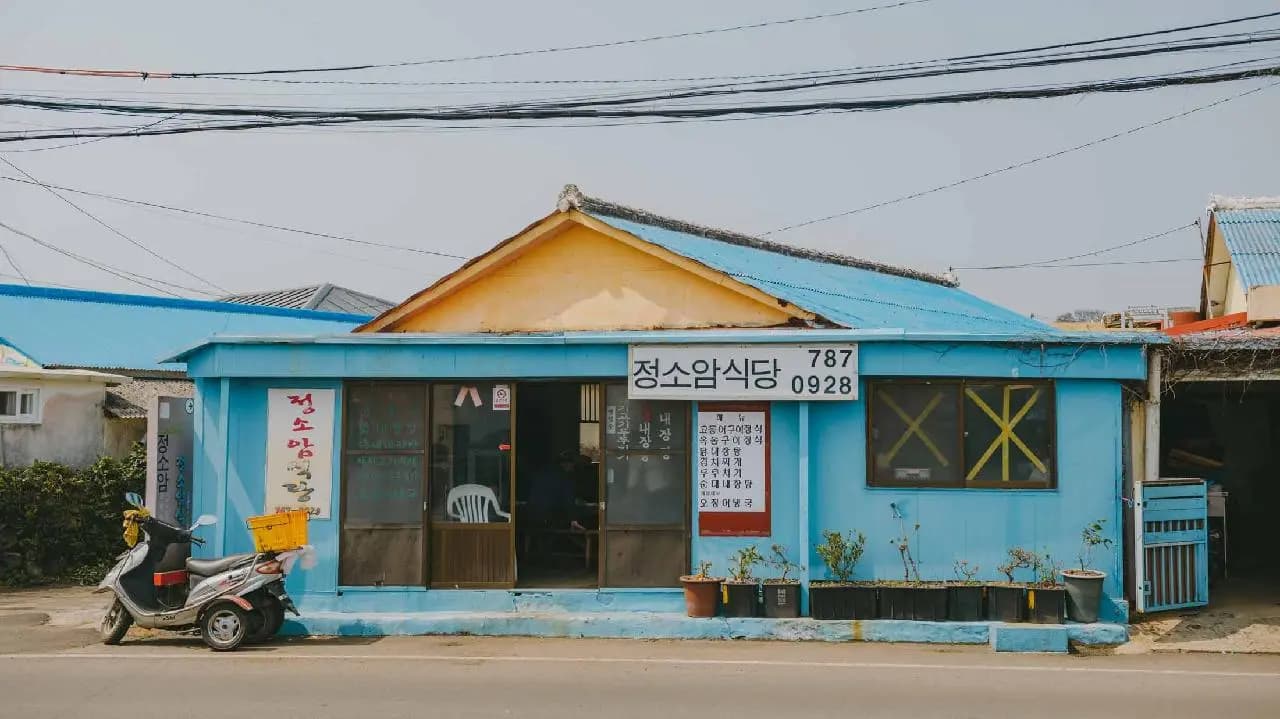
Jeongsoam Restaurant
Located near Seongup Folk Village in Pyoseon-myeon, Seogwipo, Jeju, Jeongsoam Restaurant is a beloved local institution with a 30-year history. The restaurant serves authentic Korean cuisine that feels just like a warm, home-cooked meal prepared by a grandmother. Guests can enjoy a variety of local specialties, including grilled tilefish (okdom-gui) sets, duruchigi (spicy stir-fried pork), kimchi-jjigae, and savory chicken intestine soup (daknaejang-tang).