Explore Jeju

Find 6,600+ places by area, type and mood.

6,741 places

Dolhareubang Museum (돌하르방미술관)Experience

North90 min

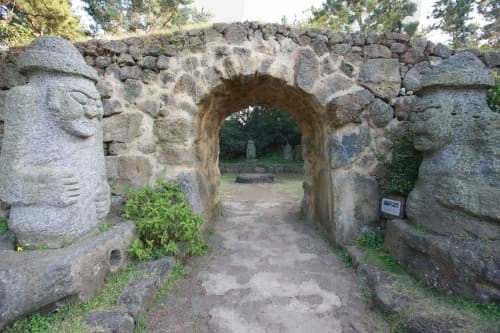
Dolhareubang Museum (돌하르방미술관)

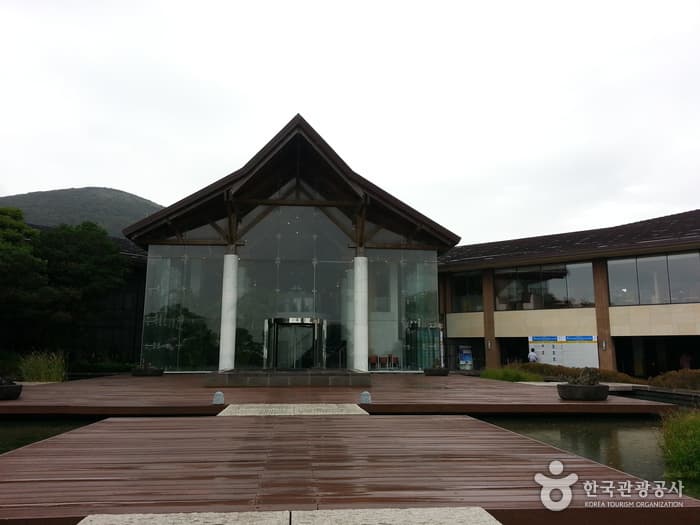
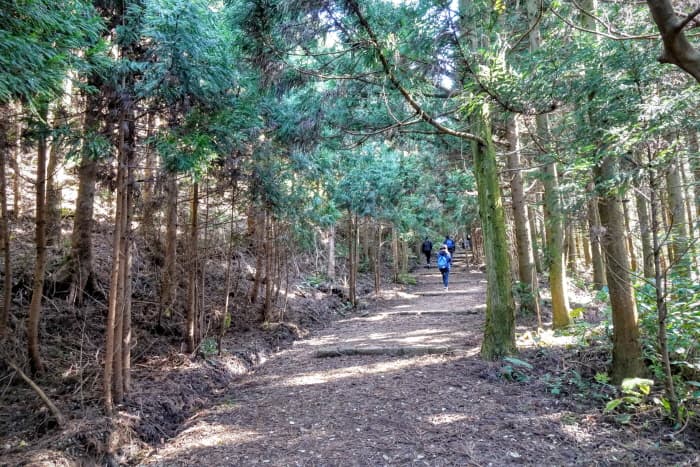
Located in Jocheon-eup, Jeju-si, the Dolhareubang Museum is a park of life and peace, personally developed over 15 years by local Jeju resident and director Kim Nam-heung. The museum features faithful recreations of 48 Dolhareubang statues gathered from various parts of the island, alongside various modern interpretations of Dolhareubang and approximately 250 sculptures displayed outdoors. Along the Gotjawal walking trails, visitors can connect with nature while observing diverse flora, such as ferns and Smilax china.
Dongmun Traditional Market (동문재래시장)Shopping

North90 min

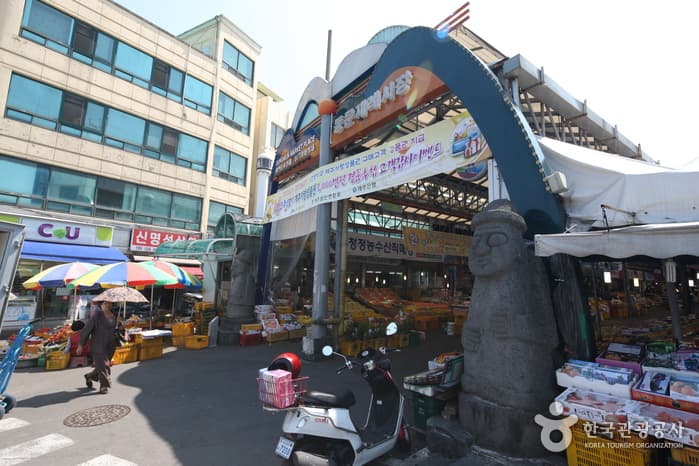
Dongmun Traditional Market (동문재래시장)

Dongmun Traditional Market is a representative traditional market of Jeju Island, established shortly after Korea's liberation in 1945. It offers a wide variety of goods, including vegetables, fruits, seafood, and clothing. In particular, fresh seafood and fusion dishes such as sliced hairtail and abalone innards rice samhap are highly popular. Together with the Dongmun Traditional Fish Market, it functions as the largest permanent market on Jeju Island.

Downtown Night Tour: The Season for Jeju Island Nights (원도심 야간여행 ‘섬夜시즌’ 운영)Experience

South120 min

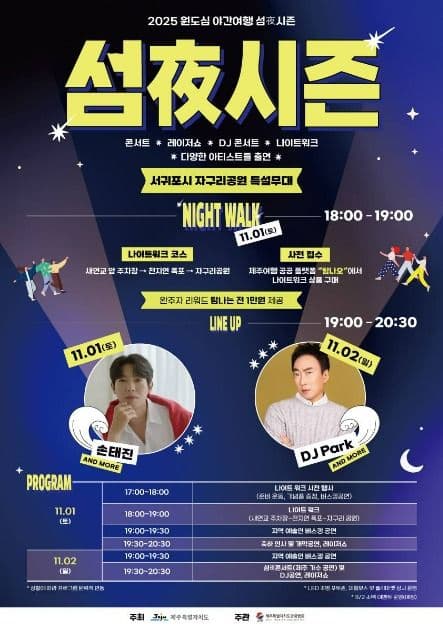
Downtown Night Tour: The Season for Jeju Island Nights (원도심 야간여행 ‘섬夜시즌’ 운영)

The old downtown of Jeju City, located around the Jungang Rotary area, is the city's former center, characterized by a dense concentration of historic buildings and cultural heritage sites. To develop night tourism content in this area, Jeju Special Self-Governing Province hosts the Downtown Night Tour: The Season for Jeju Island Nights, featuring various programs such as night walks, concerts, and fireworks displays.

Gangjeongcheon Stream (강정천)Nature

South120 min

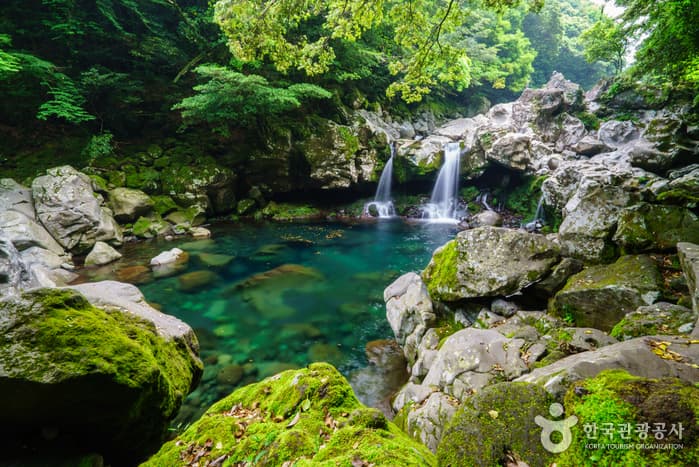
Gangjeongcheon Stream (강정천)

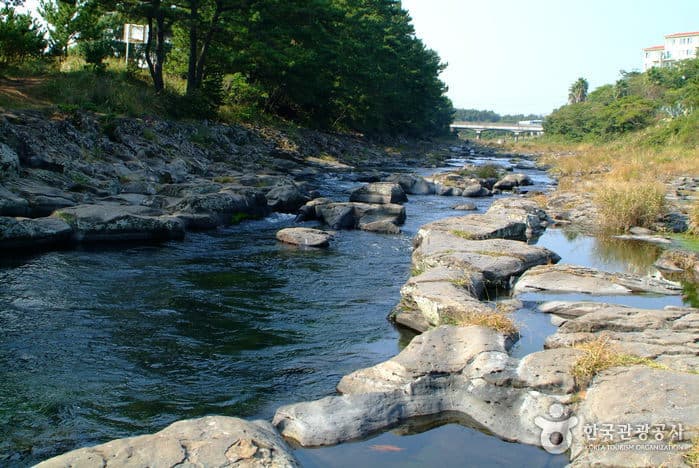
Gangjeongcheon Stream is a scenic stream where clear waters, fed by natural bedrock water from Hallasan flowing year-round, harmonize with a beautiful natural environment. It serves as a vital lifeline, supplying 70% of the drinking water for Seogwipo-si. The area is home to sweetfish, which are rare to find in Jeju, and sightings of the natural monument Mandarin duck are common. During the summer, many visitors come to enjoy playing in the water to escape the heat.

Nature

East120 min

Geommeolle Beach (검멀레해변)

Located within a canyon beneath Udobong Peak, Geommeolle Beach is a black sand beach approximately 100 meters wide. Its name originates from the Jeju dialect words for "black" and "sand." At the end of the beach lies Gyeongan Cave, where legends say whales once lived; the interior of this cave is occasionally used as a venue for small concerts. You can access the beach via stairs from the road, where you can enjoy swimming along with black sand baths.

Geomunoreum Lava Tube [UNESCO World Natural Heritage Site] (거문오름 [유네스코 세계자연유산])Nature

East120 min

Geomunoreum Lava Tube [UNESCO World Natural Heritage Site] (거문오름 [유네스코 세계자연유산])

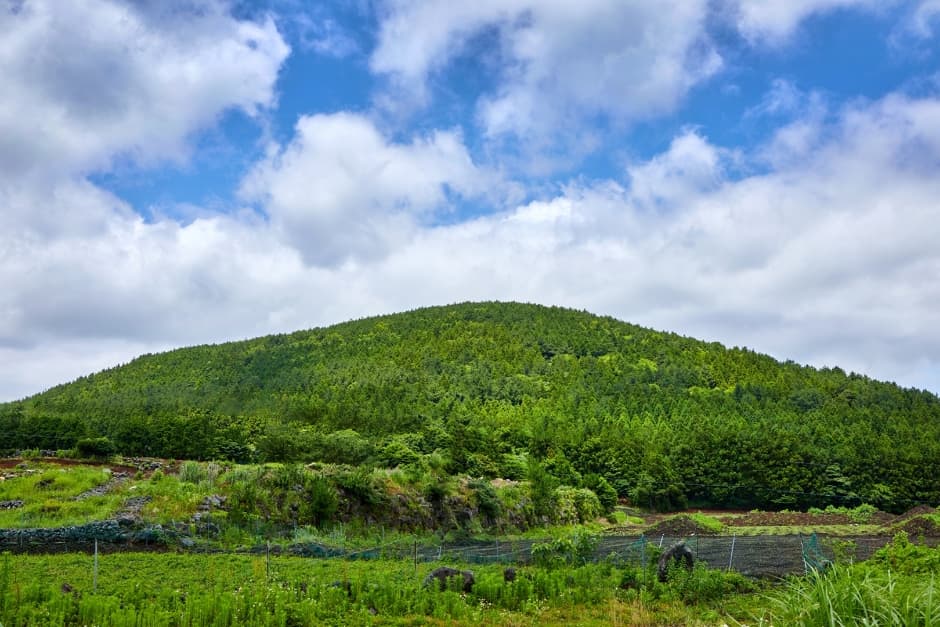
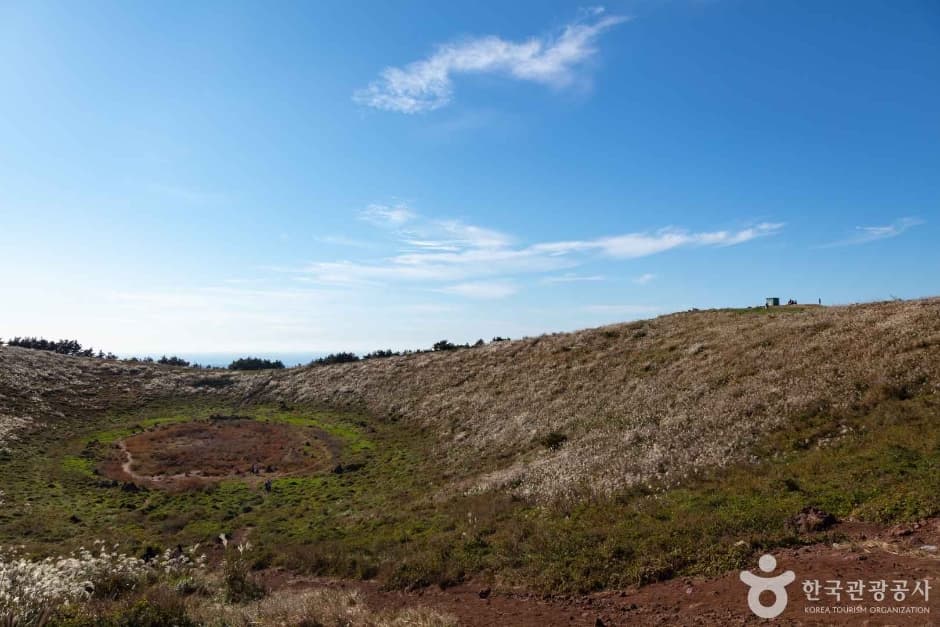
Standing at 456 meters above sea level, Geomunoreum Lava Tube [UNESCO World Natural Heritage Site] is the parent volcanic cone that formed the Geomunoreum Lava Tube System and is the only oreum in Jeju to be inscribed as a UNESCO World Natural Heritage site. Lava flows erupted from the center of the crater to form a continuous 4km streamlined erosion valley, creating a lush forest filled with planted black pines and cedar trees.