2025 — 2026 Season
Jeju Now
6,000+ official Visit Jeju listings — browse by north, east, south, west or category, or explore themed picks below.
CuratedSections.region_south
 Nature120 min
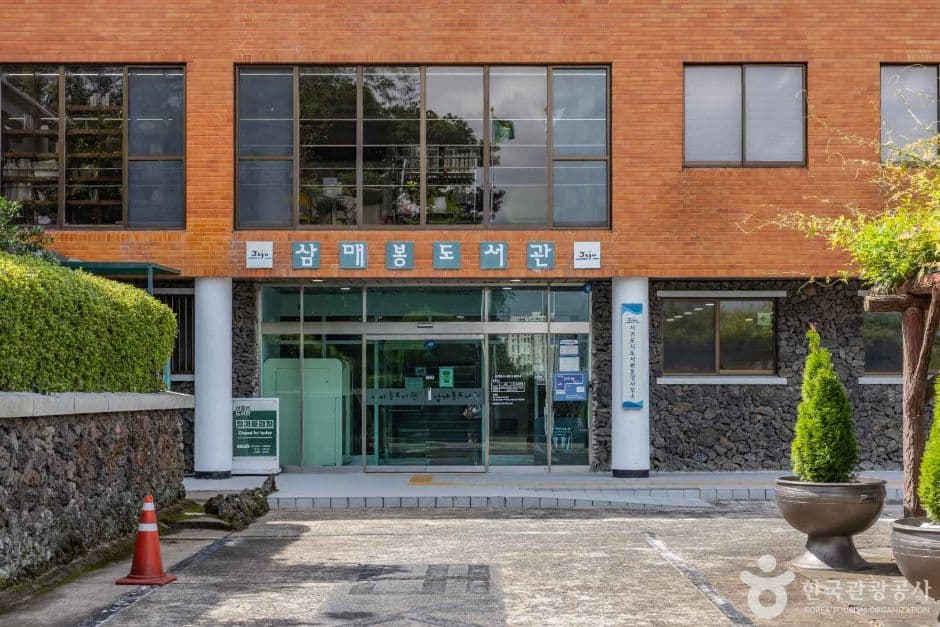
Sammaebong Library
Located in Seohong-dong, Seogwipo, Jeju, this public library is situated right next to Gidang Museum of Art. It offers a diverse collection of resources and hosts various reading culture programs for all age groups, aiming to foster a lifelong reading habit and continuous education for the local community.
 Food90 min
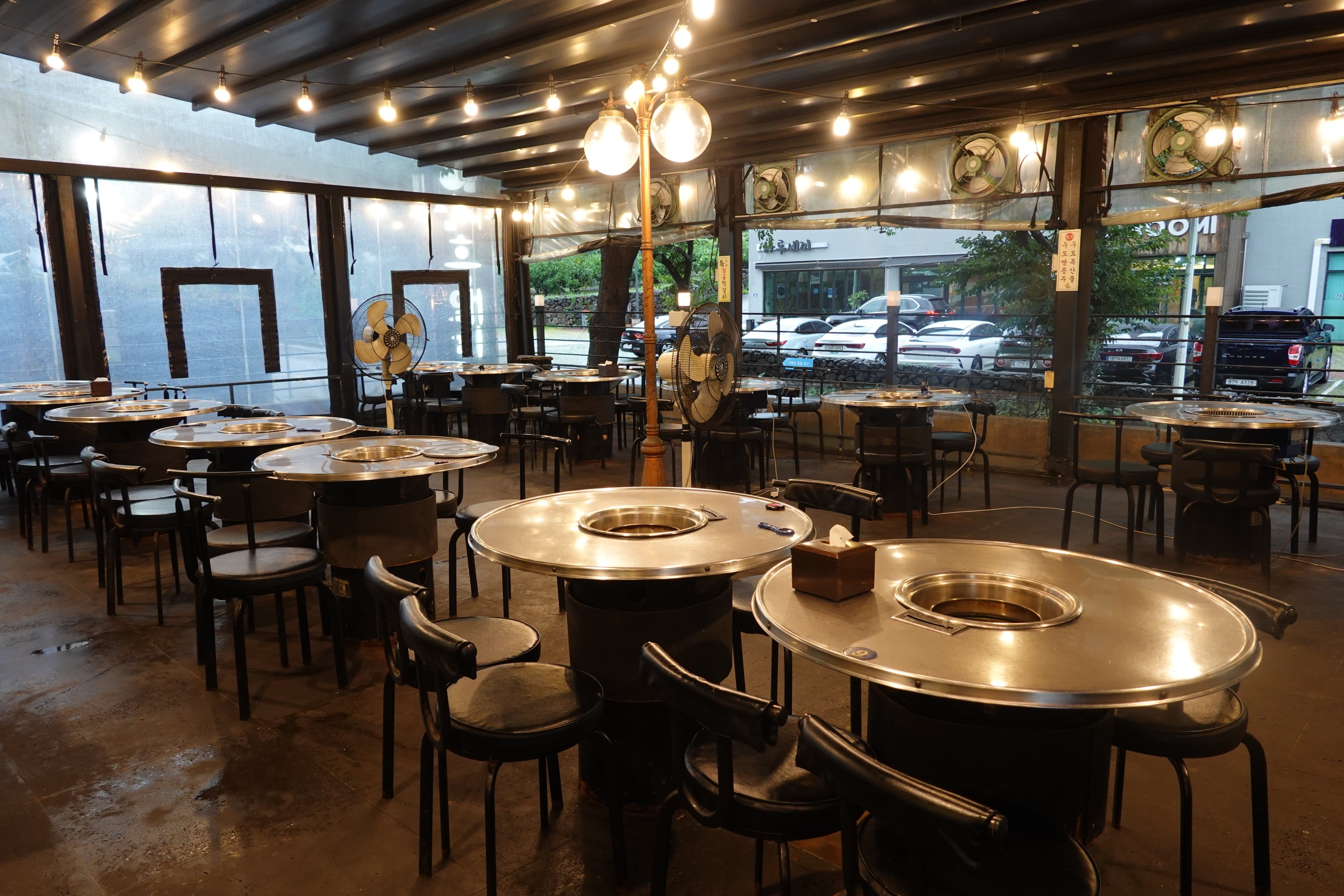
Sammi Heukdwaeji Jungmun Branch
Located in the Jungmun Tourist Complex in Seogwipo, Sammi Heukdwaeji is a Korean restaurant specializing in charcoal-grilled Jeju black pork. The black pork set features premium pork belly (ogyeopsal) and pork neck, offering a juicy and chewy texture. It is best enjoyed with a signature dipping sauce made by combining meljeot (salted anchovy sauce) with fresh shrimp and garlic.
 Experience90 min
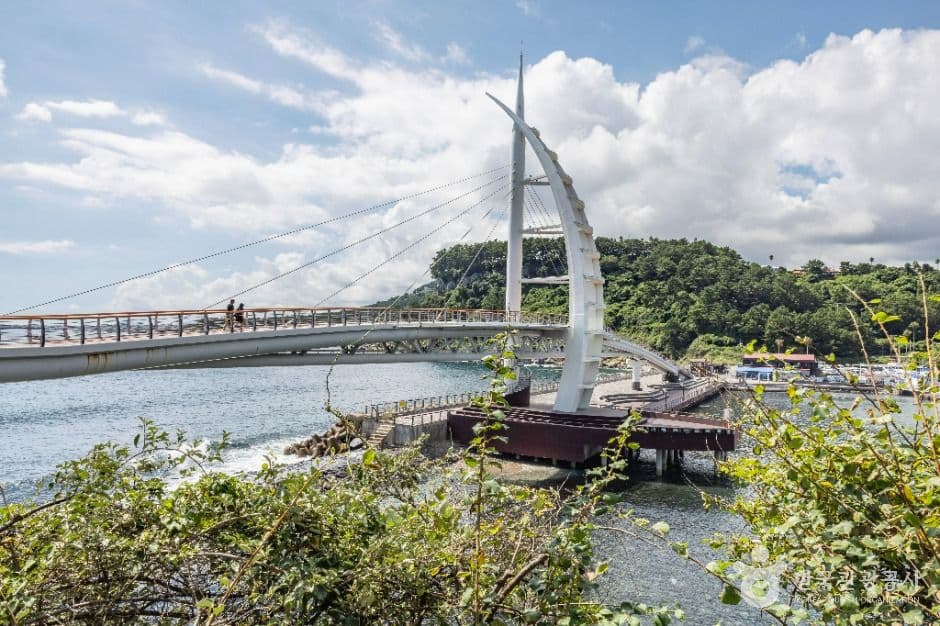
Saeseom Park
Located in Seogwi-dong, Seogwipo, Saeseom Park is an island park known for its abundant silver grass, which has earned it the names Saeseom or Modo. Due to its name, it is sometimes mistakenly written as Jodo, causing confusion with the word for "bird."
 Nature120 min
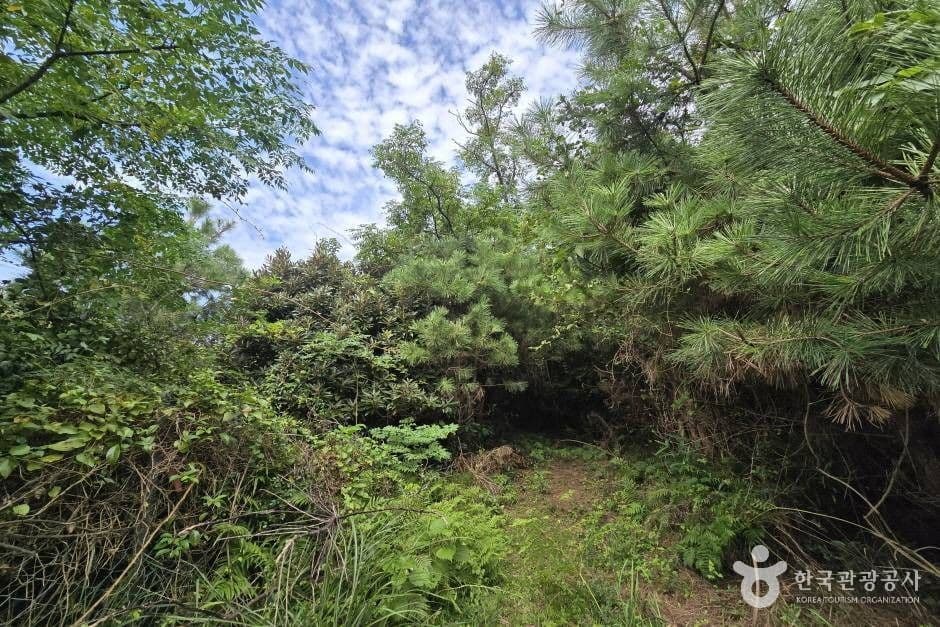
Saesin Oreum
Located along the roadside northeast of Sanyang Elementary School in Sanyang-ri, Hangyeong-myeon, Jeju City, this oreum is a gentle, low-lying hill. The summit features a circular crater plain about 20 meters in diameter, locally known as 'Amme,' and preserves remnants of cave fortifications from the Japanese colonial period.
Saekdal Haenyeo-ui Jip
Located in Seogwipo, Saekdal Haenyeo-ui Jip is a traditional Korean restaurant where you can savor incredibly fresh seafood harvested directly from the sea by local haenyeo (female divers). The menu features seasonal specialties such as stone octopus and filefish, prepared on-site as sashimi, alongside a variety of fresh seafood dishes including sea squirt.
 Nature120 min
Seogeondo Island
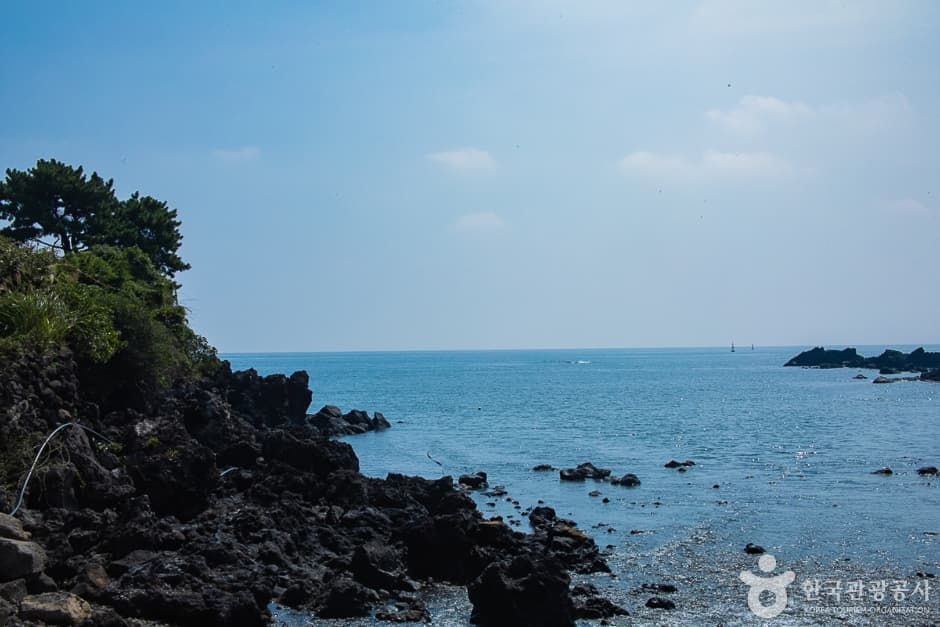
Located along the coast of Gangjeong-dong, Seogwipo, Seogeondo Island is famous for its "Miracle of Moses" phenomenon, where the sea splits to connect the island to Jeju's main island about ten times a month depending on the tides. This phenomenon is most pronounced during full moons, new moons, and spring tide periods; at low tide, the receding waters reveal a path over 10 meters wide, allowing visitors to walk directly to the island.
 Café90 min
Seogwang Tea Garden
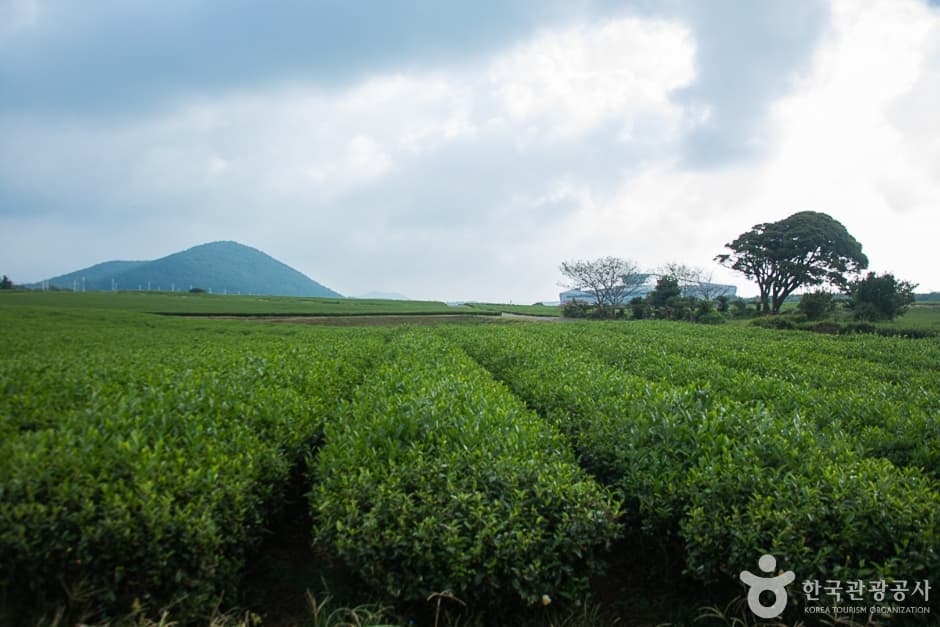
Located in Seogwang-ri, Seogwipo, this is one of the largest tea production sites in Korea and is operated by the Amorepacific Group. Set across the vast plains near Sanbangsan Mountain, the gardens benefit from optimal sunlight conditions for tea cultivation. Since its initial development in 1983, it has grown into a sprawling landscape of organic tea plantations.
 Nature120 min
Seogwijinji
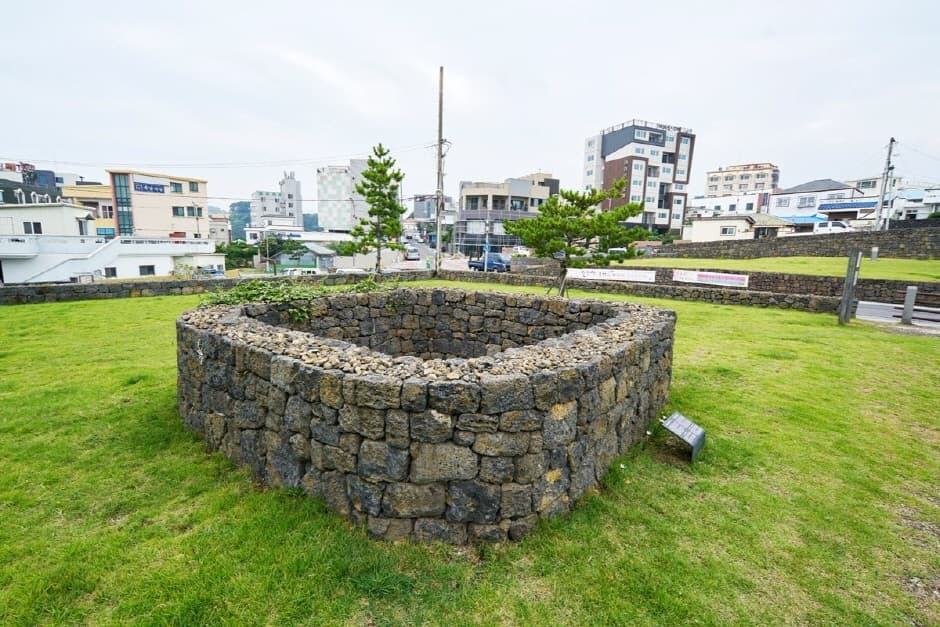
Seogwijinji is a historical fortification site dating back to the Joseon Dynasty, which later served as a Japanese government office during the Japanese colonial period. Following the Jeju April 3 Incident, the fortress walls were dismantled to be repurposed as defensive structures for village protection and residential building materials. Today, remnants of the fortress walls still stand, known locally as 'Ujatdam' and 'Seonggubdam.'
 Nature120 min
Seogwipo Altosan Village
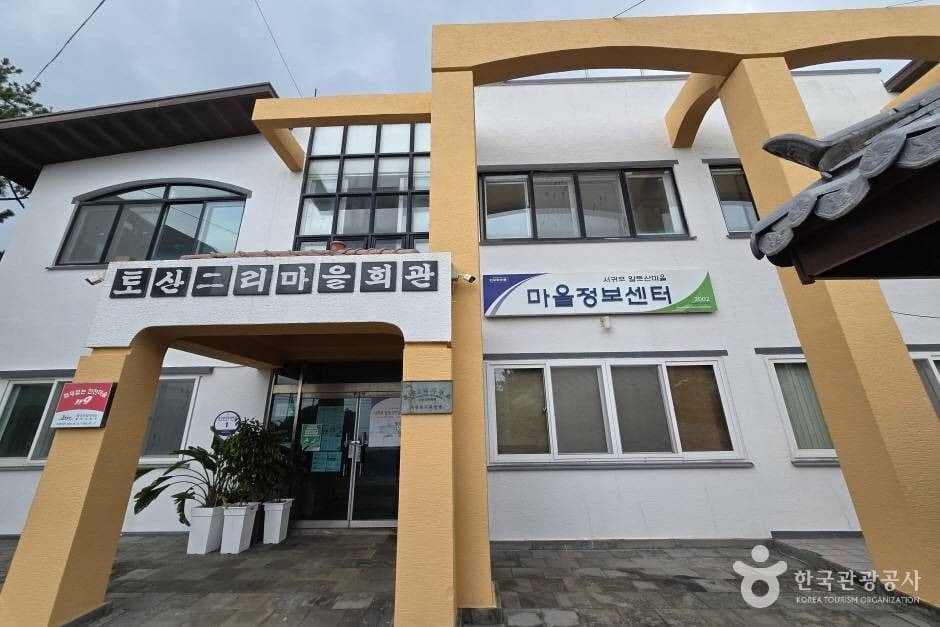
Located in Pyoseon-myeon, Seogwipo, this rural experience information village is nestled between the majestic Hallasan Mountain to the northwest and the nearby sea. The village is a leading center for citrus cultivation, as the Tosanmang ridge to the north serves as a natural windbreak, creating the perfect environment for growing premium tangerines.
 Nature120 min
Seogwipo Yongwang Nandre Village
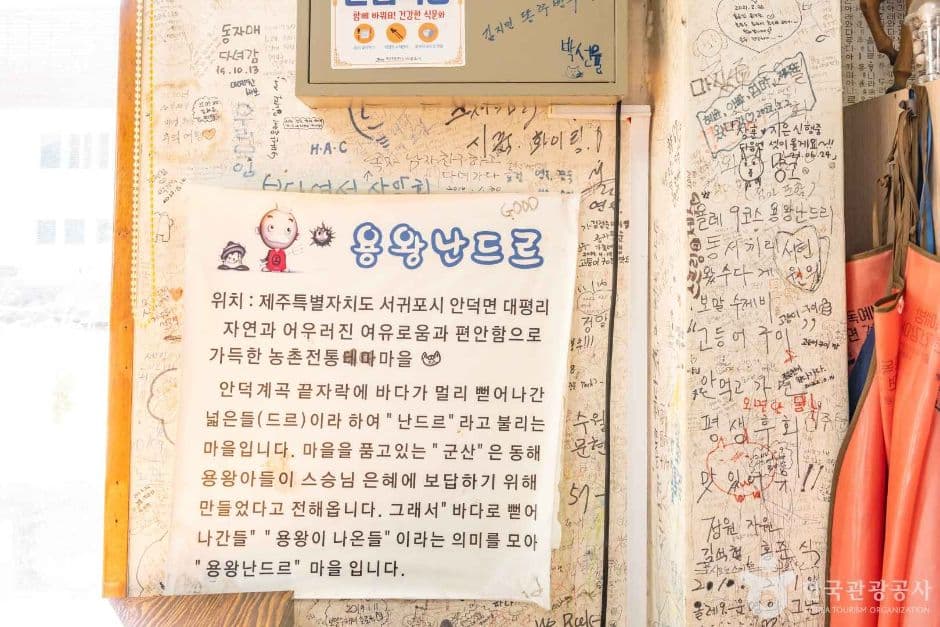
Located in Daepyeong-ri, Andeok-myeon, Seogwipo, this traditional rural theme village derives its name from the meaning "a vast field where the Dragon King appears." The village focuses on discovering and preserving traditional knowledge and customs while celebrating its rustic charm. Visitors can enjoy a variety of immersive experiences, including agricultural learning programs, authentic farmhouse stays, and the opportunity to purchase fresh local produce.
 Nature120 min
Seogwipo Shell Fossil Site
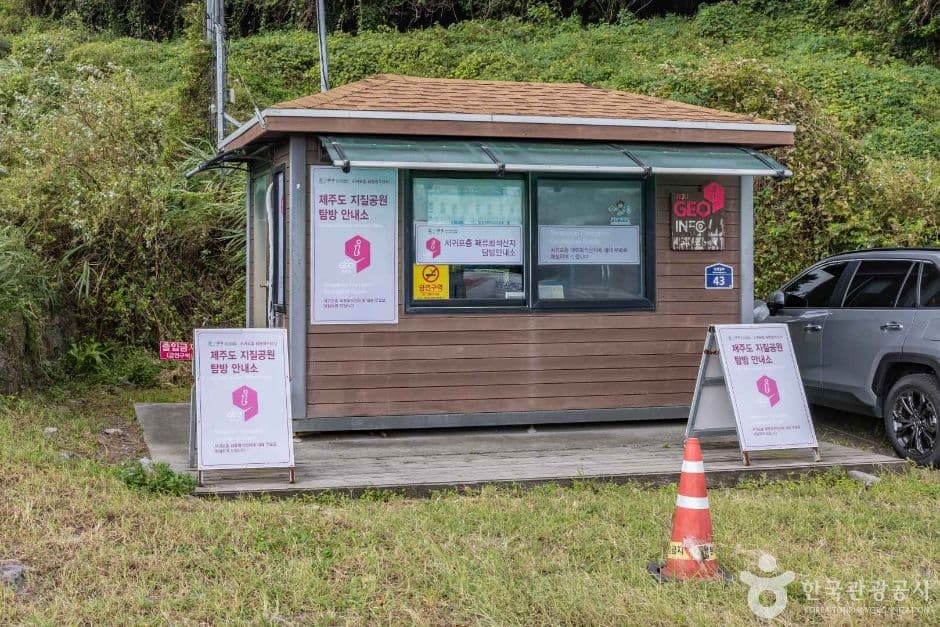
Located on the southwestern coastal cliffs of Seogwipo, this fossil site features sedimentary rock layers formed between 1.8 million and 500,000 years ago, where an abundance of shell fossils can be discovered. Visitors can observe paleontological traces, primarily animal fossils, along the rugged basalt cliffs, which showcase unique geological formations sculpted by the waves.
 Nature120 min
Hanon Crater
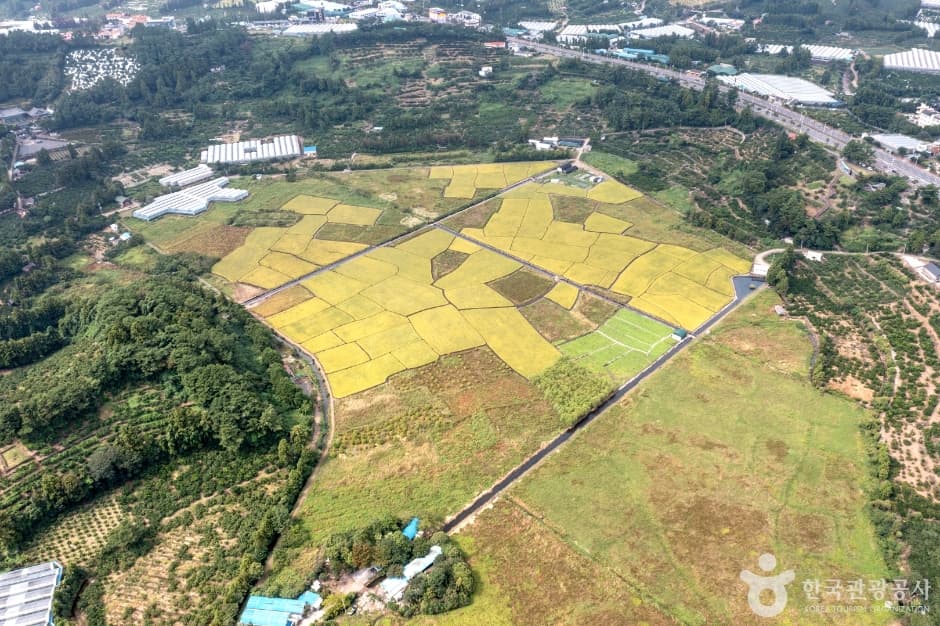
Located in Hogun-dong, Seogwipo, Hanon Crater is South Korea's largest maar-type volcanic crater, forming a distinct caldera landscape. Currently utilized as rice paddies by local farmers, the volcanic body features an elliptical shape measuring approximately 1.8 km east-to-west and 1.3 km north-to-south, with a circular crater sitting at an elevation of 143.4 meters.