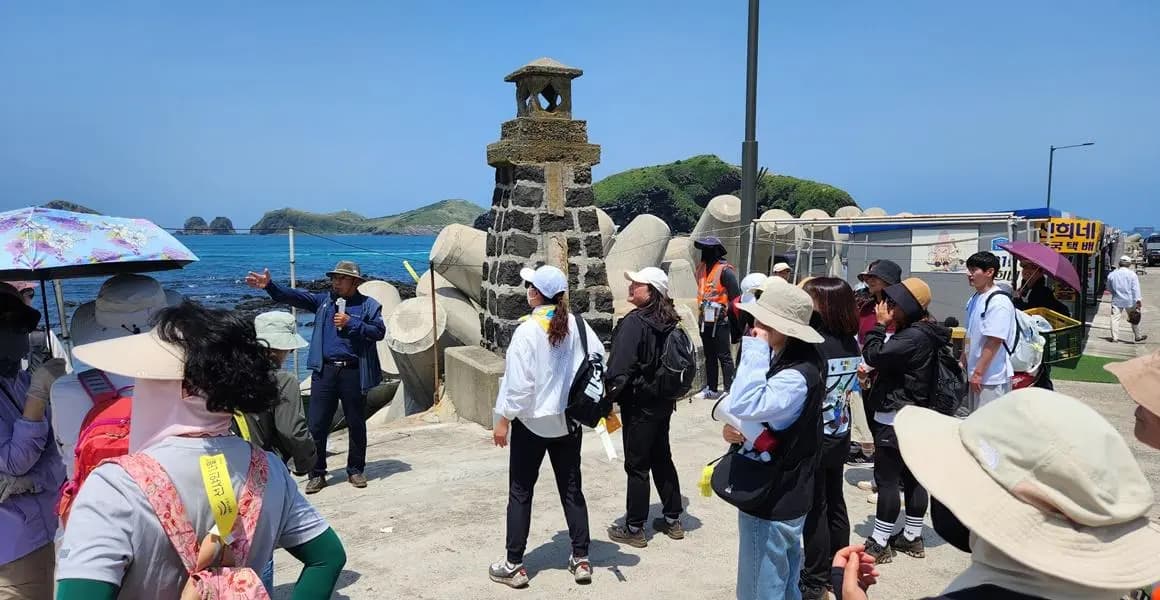
 Experience
Jeju Sunshine, the First People of the Neolithic Age
A program designed to understand the value and heritage of the Jeju Gosan-ri site through a complex series of events, including Gosan-ri trekking, educational experiences, and camping.
Find 6,600+ places by area, type and mood.
2,118 places
ExperienceA program designed to understand the value and heritage of the Jeju Gosan-ri site through a complex series of events, including Gosan-ri trekking, educational experiences, and camping.
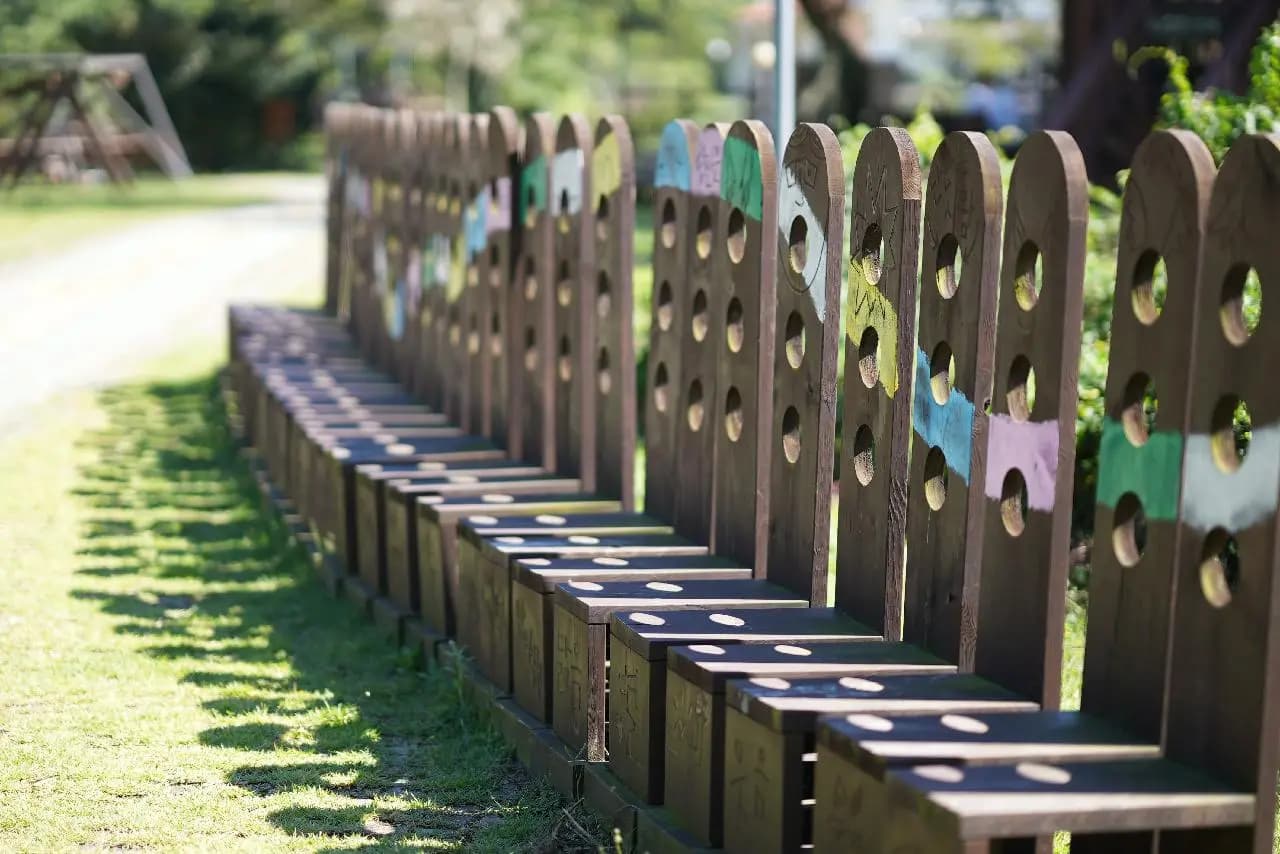 Experience
Nakcheon Ahhopgut Chair Park, with its thousand chairs, is located along Olle Trail Course 13 and is a popular stop. An observation deck with elevator has been opened, offering breathtaking views. We introduce Nakcheon-ri Chair Park, also known as Ahhopgut Village for its nine springs.
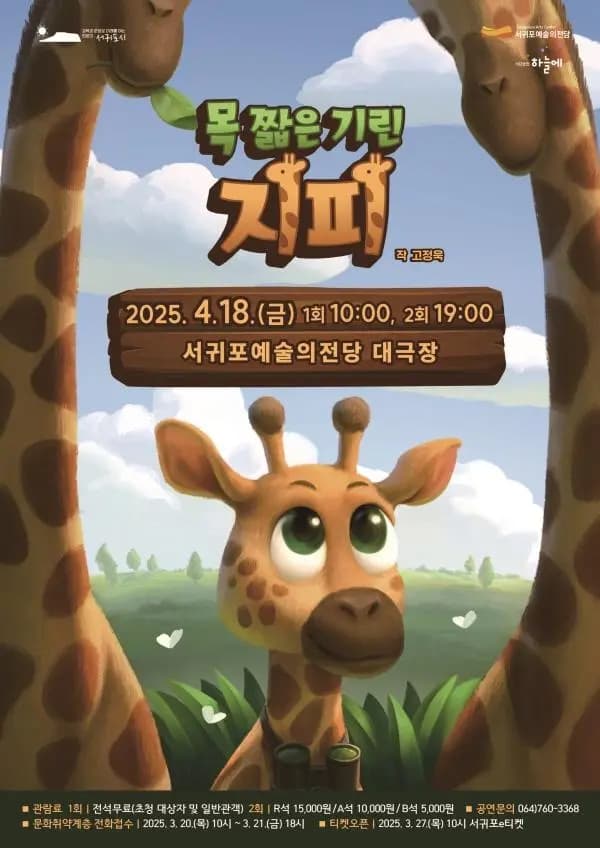 Nature
Hosted at the Seogwipo Arts Center Grand Theater, the special performance "Zippy, the Short-Necked Giraffe" is suitable for audiences aged 36 months and older. Free admission is provided to culturally underserved groups, including students from special schools and facilities for the disabled.
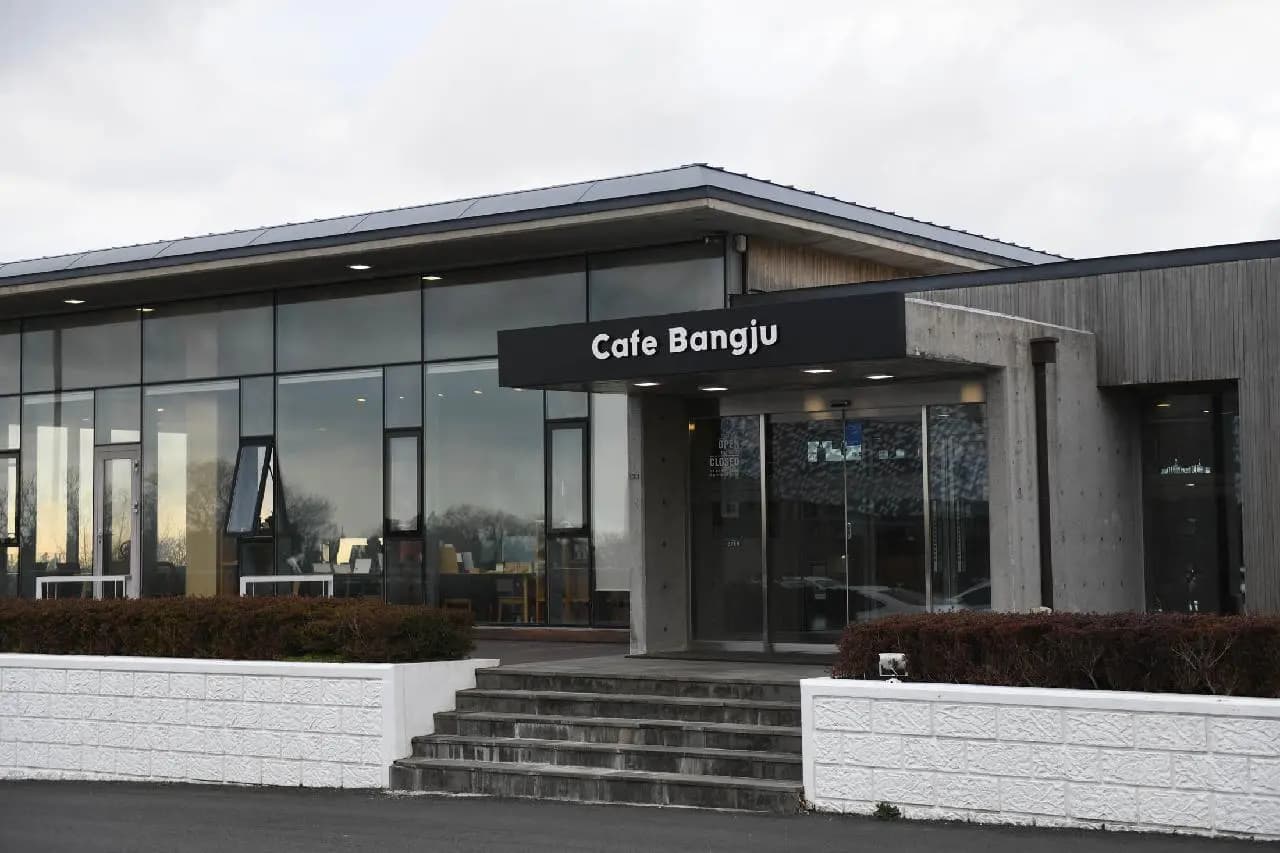 Café
Operated by the same team behind the Bangju Church—a masterpiece designed by the world-renowned architect Itami Jun—Cafe Bangju is conveniently located right next to the church, making it the perfect place to unwind after your visit. With a spacious courtyard and private parking area situated between the church and the cafe, it is an ideal spot for children to run around freely while you soak in the breathtaking scenery of Jeju's mid-mountain landscape.
 Café
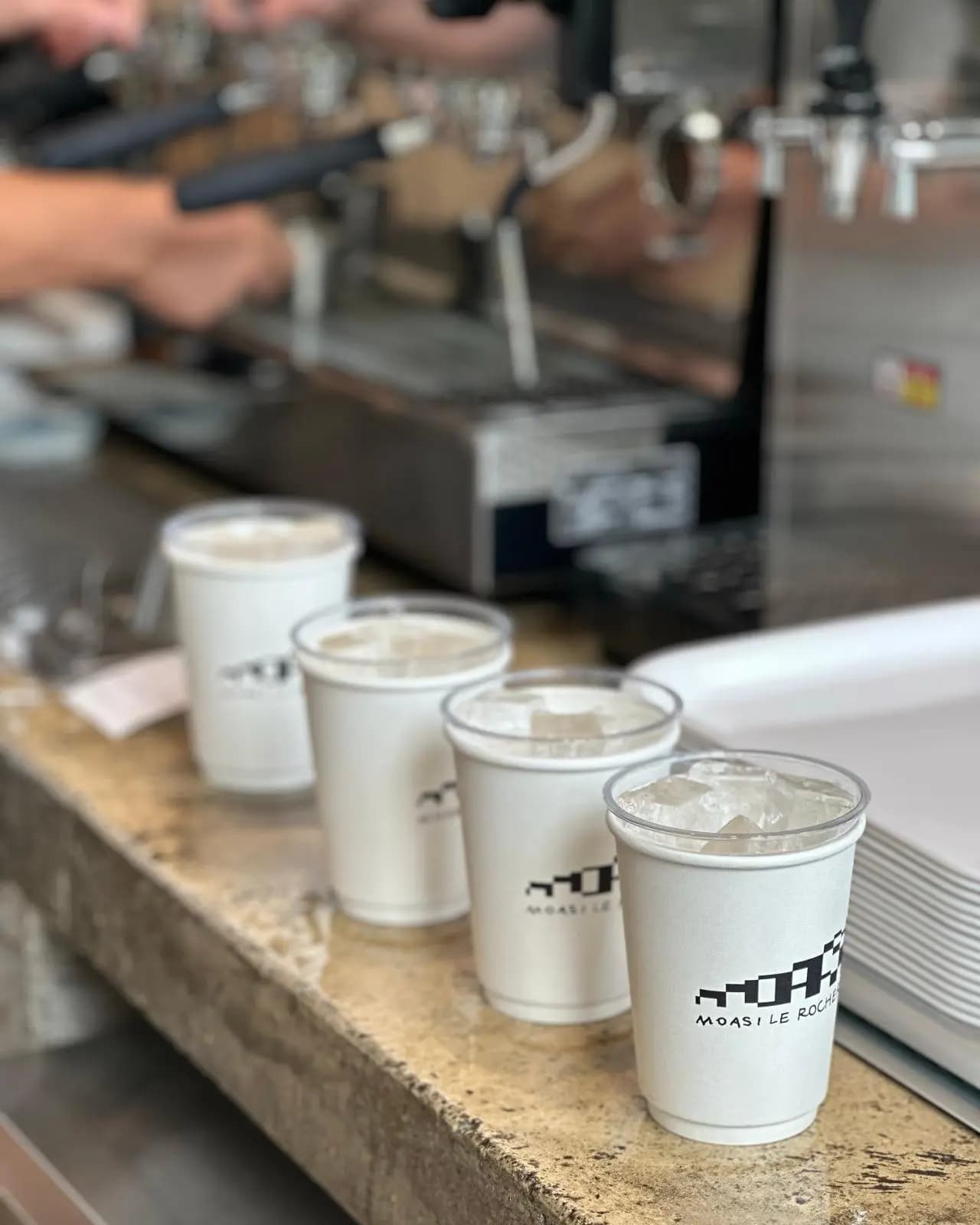
Located in Daejeong-eup, Seogwipo-si, Jeju, Moasi (Moasi Le Rocher) derives its name from a combination of "Mureung," meaning endlessly vast landscapes, and "Oasis," signifying a peaceful sanctuary. The cafe features a striking triangular concrete exterior paired with textured walls that mimic the ruggedness of natural rock. With its inviting rooftop, Moasi (Moasi Le Rocher) is the perfect destination to unwind and enjoy a moment of quiet tranquility.
 Experience
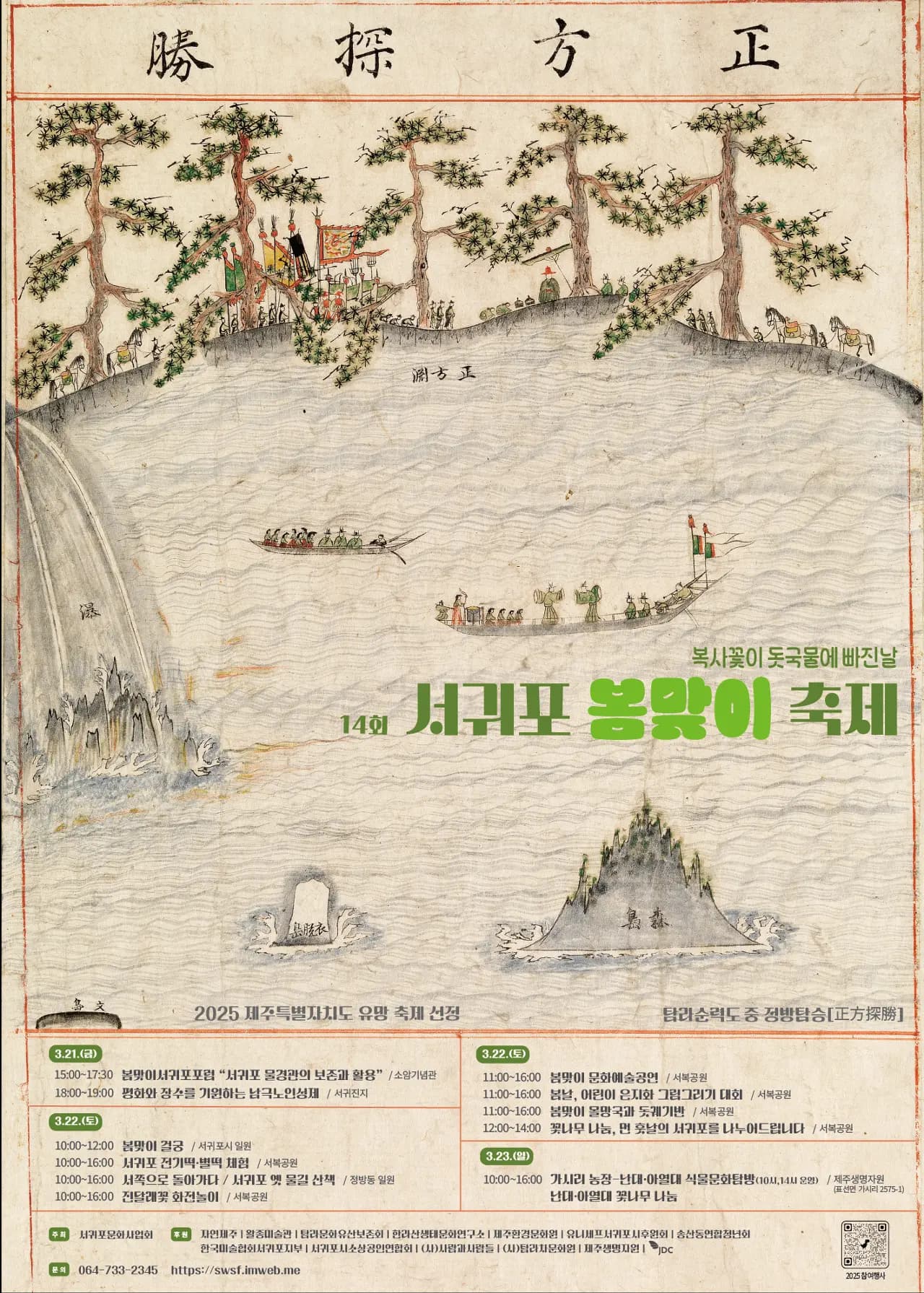
Held from March 21 to 23, 2025, the 14th Seogwipo Spring Festival will take place across Seobok Park, Soam Memorial Hall, Seogwijingji Site, and the Gasi-ri area in Pyoseon-myeon. Visitors can enjoy a variety of seasonal programs including traditional food experiences, azalea flower pancake making, bingtteok and byeoltteok workshops, and flower sharing events, all accompanied by vibrant cultural and arts performances.
 Nature
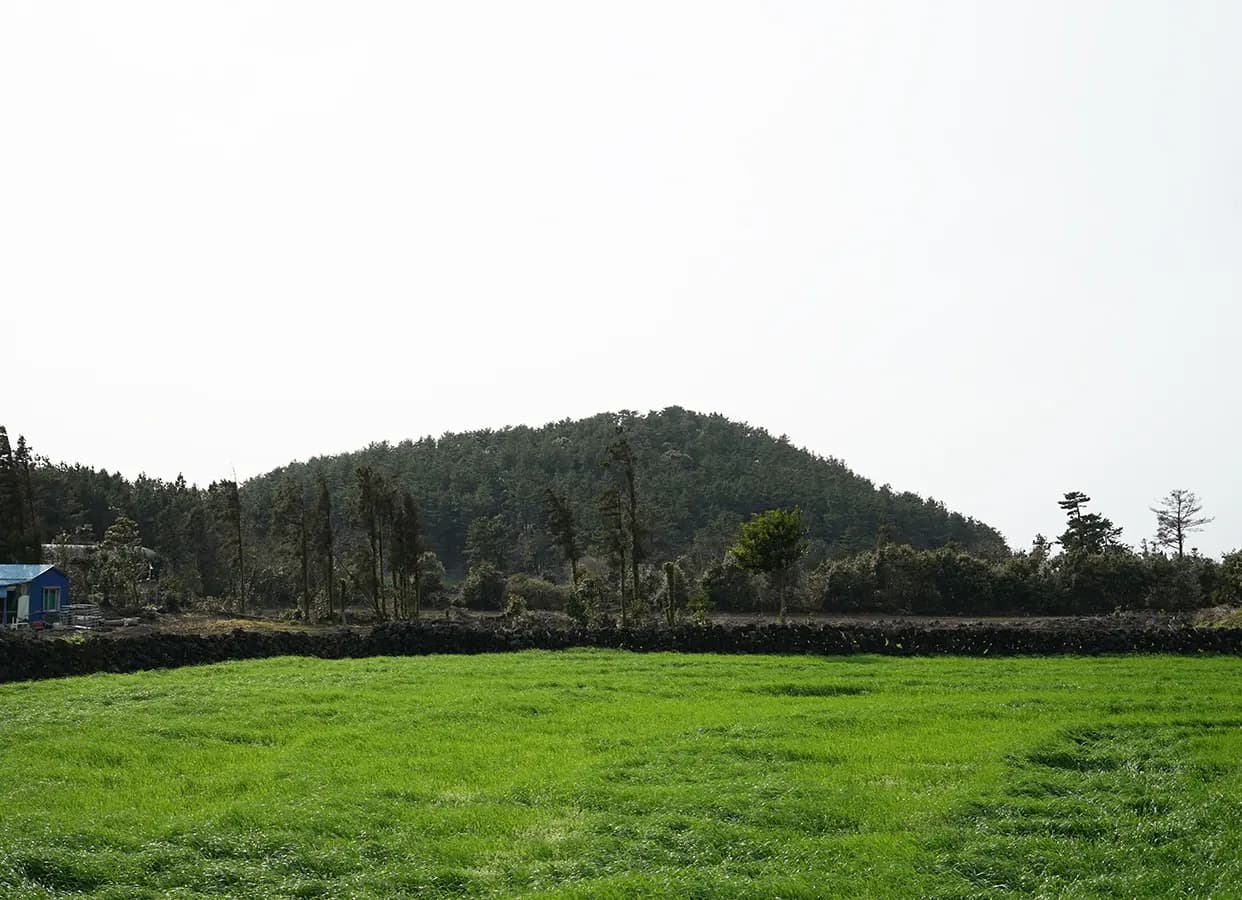
Located along the roadside in Seogwang-ri, southwest of Donggwang Village in Andeok-myeon, Georin Oreum Volcanic Cone (Buk Oreum Volcanic Cone) is a unique volcanic cone characterized by two distinct peaks stretching from north to south. The southern peak, Georin, features grassy fields interspersed with scattered black pine trees, while the northern peak, Buk Oreum, is covered in a lush pine forest. Between these two peaks lies a deep crater that plunges toward the southwest. The name 'Georin' is derived from a Jeju dialect term meaning 'to split' or 'to divide,' referring to the way the summit splits into two paths or remains distinct from Buk Oreum.
 Nature
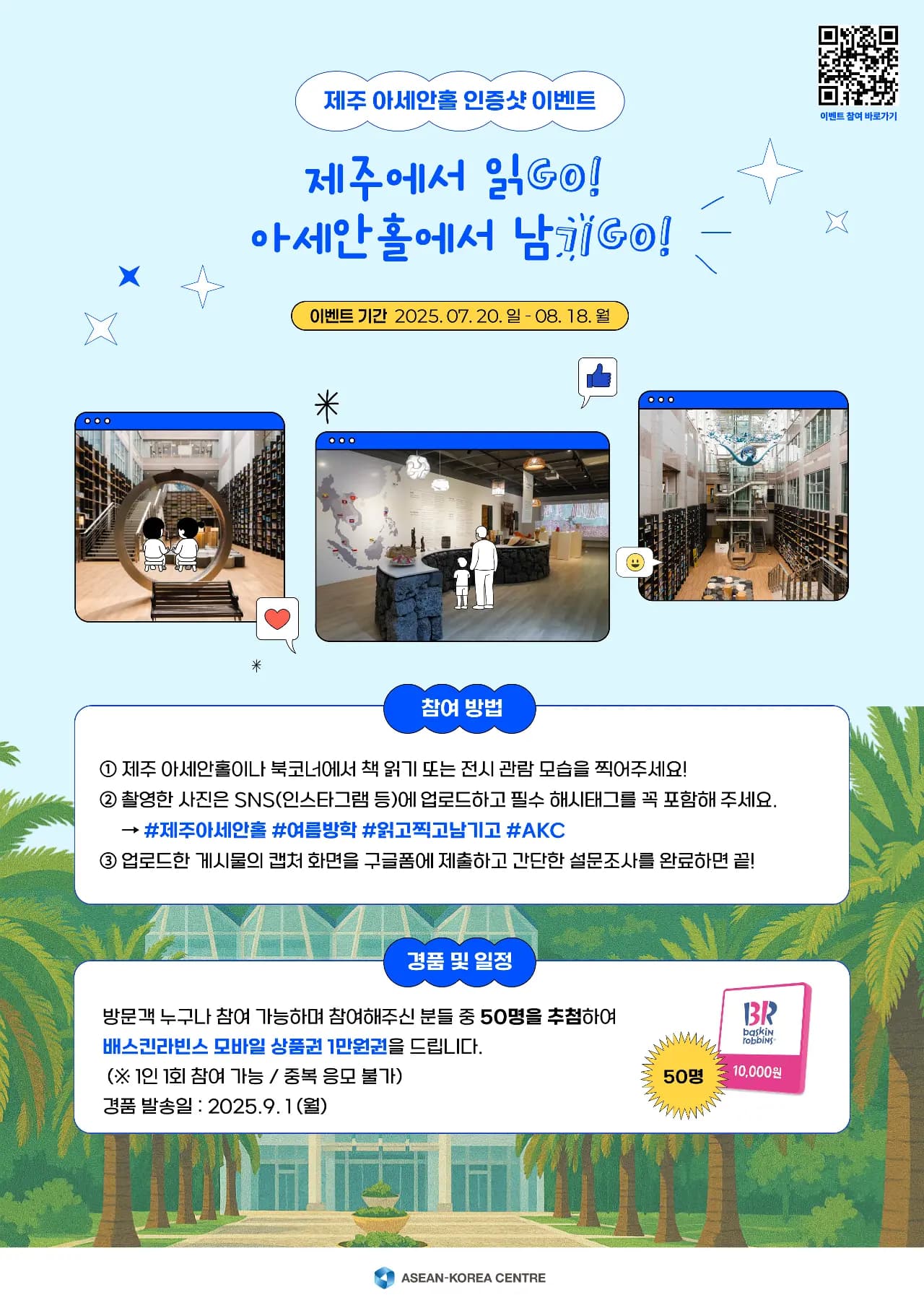
Visit Jeju ASEAN Hall and participate in the photo authentication and survey on social media to enter a lucky draw for a Baskin Robbins mobile gift voucher.
 Café
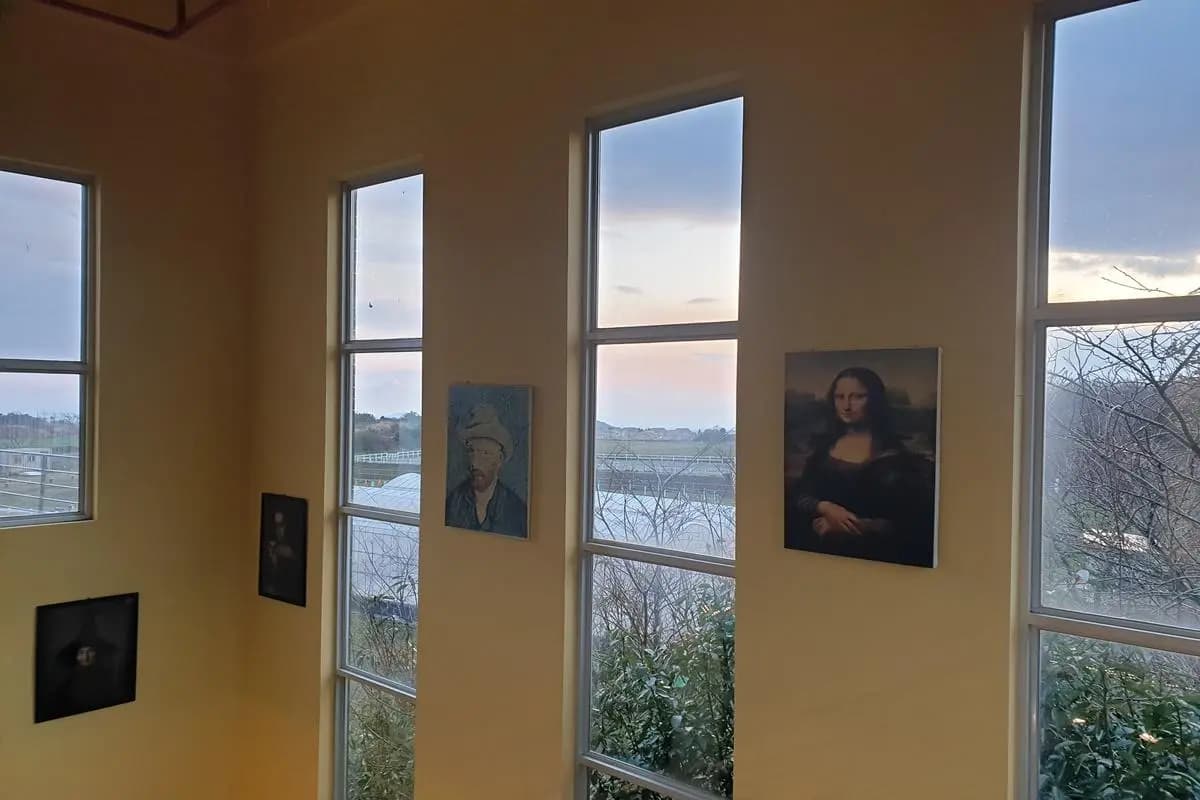
Featuring a unique exterior shaped like a giant robot, the Book and Toy Museum is a vibrant cultural complex that combines a museum, art gallery, and cafe. Visitors can enjoy a variety of activities, including survival games, art studios, and gaming rooms, or even experience the charm of feeding carrots to horses.
 Nature
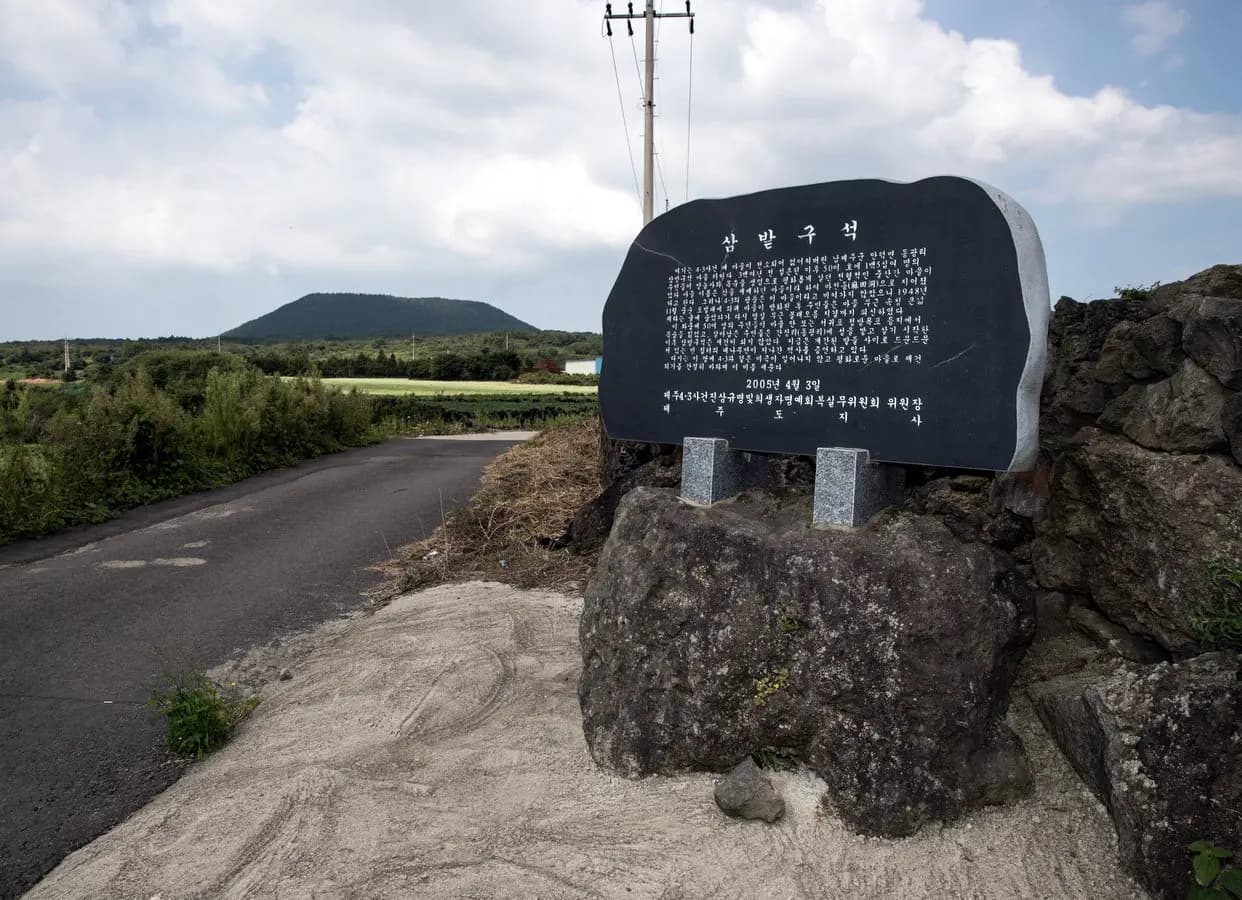
Standing beneath a 500-year-old zelkova tree that once served as the heart of the ancient Sambatguseok village, the Sambatguseok & Donggwang-ri 4.3 Victims Memorial was erected in 1999, prior to the enactment of the Jeju 4.3 Special Act. This memorial was built by local villagers to honor the souls of the Sambatguseok residents who lost their lives during the April 3 Incident. Today, the Sambatguseok & Donggwang-ri 4.3 Victims Memorial stands as a poignant site of remembrance, preserved alongside the bamboo groves that now grow over the remains of the ancient village.
 Nature
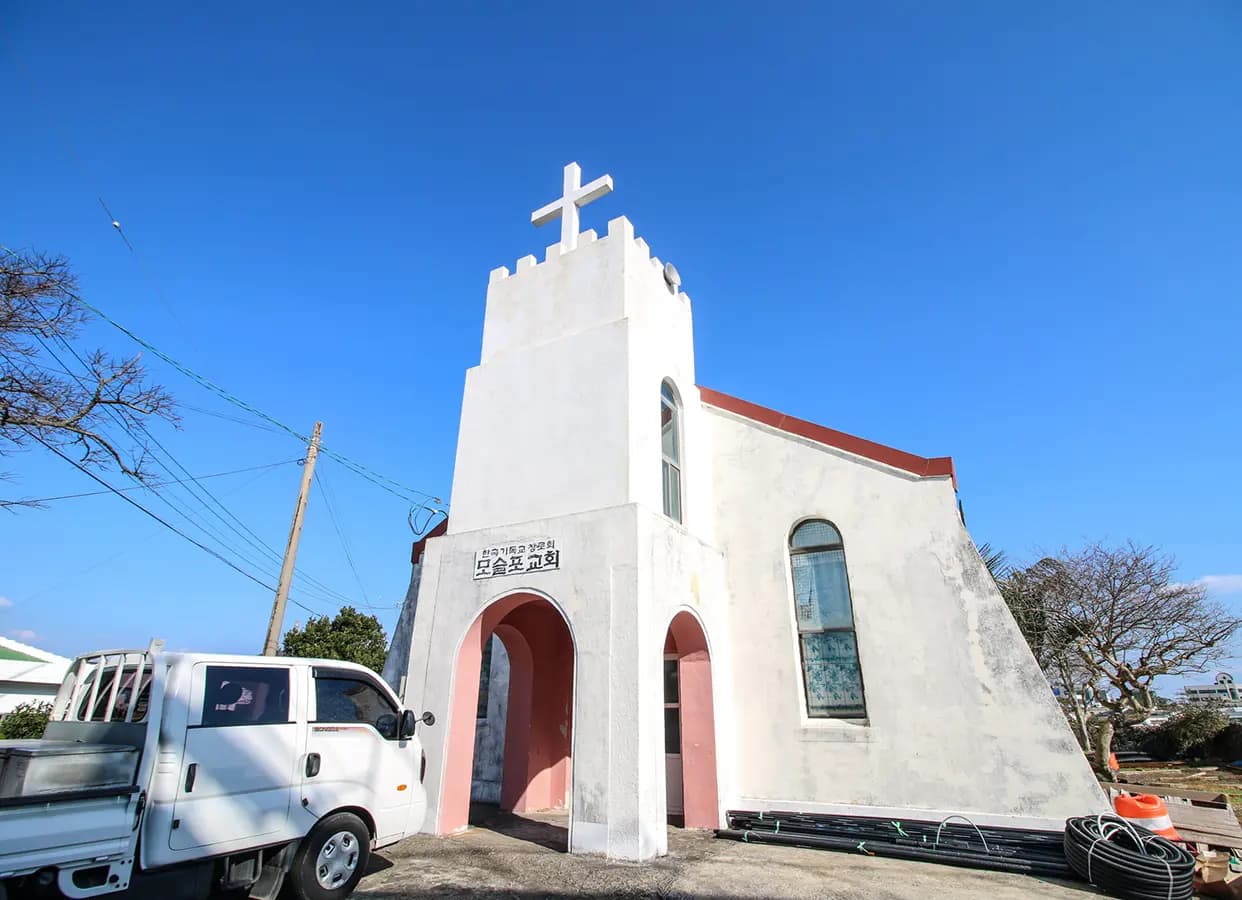
Christian Pilgrimage Route 4 (Road of Reconciliation) is an 11.3km journey that begins at the Martyrdom Site of Pastor Lee Do-jong and traverses through Daejeong Church, the entrance to the Chusa Exile Site, Moseulbong Peak, Gangbyeongdae Church, and Moseulpo Church, before concluding at the Monument to Pastor Jo Nam-su. Along this route, travelers can explore the history of Gangbyeongdae Church, established during the Korean War, and the legacy of rural churches dedicated to their local communities. By following the footsteps of pastors who saved martyrs and residents during the Jeju April 3 Incident, visitors can reflect deeply on the profound meanings of reconciliation and peace.
 Shopping
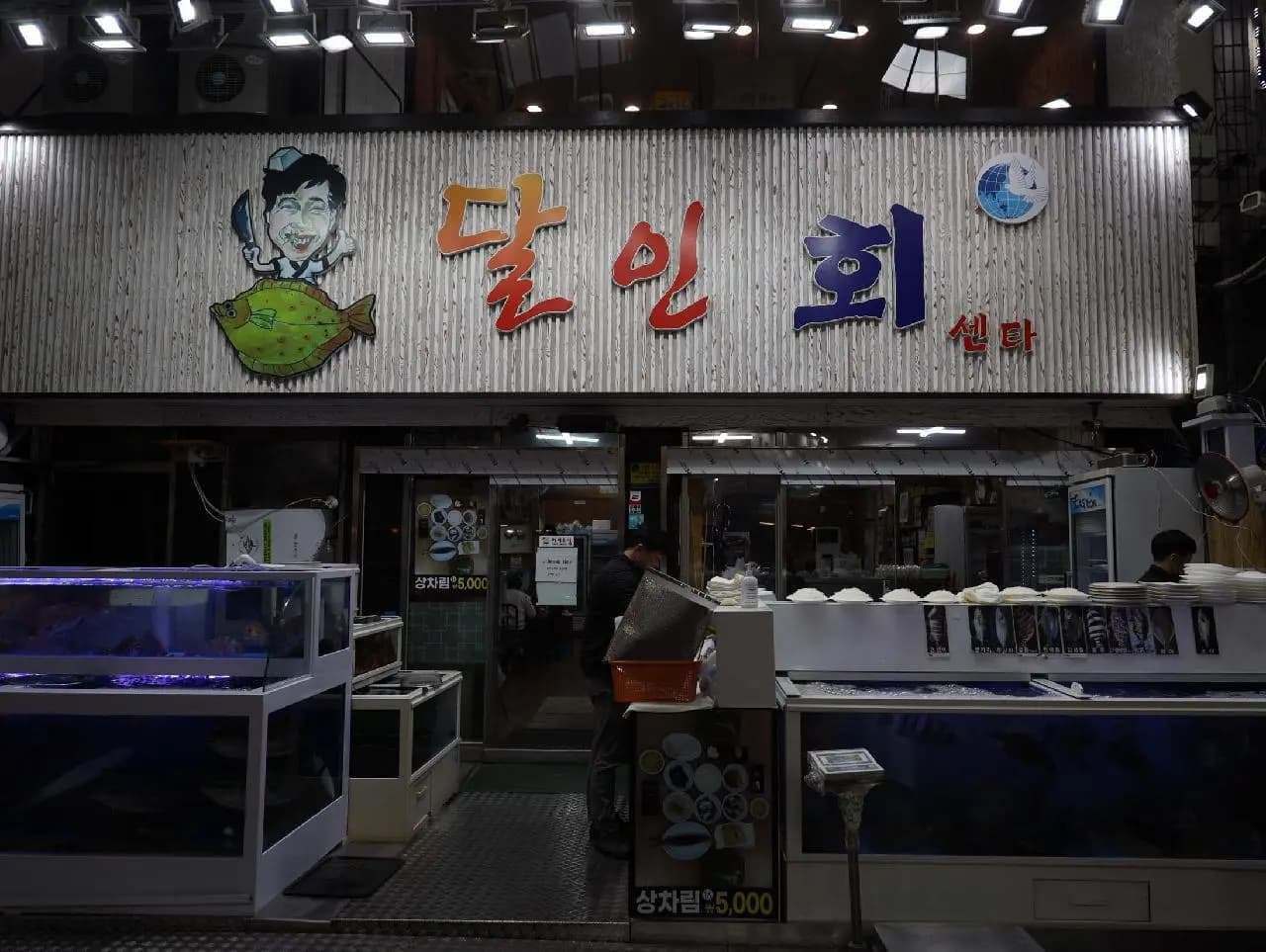
Located within the vibrant Seogwipo Maeil Olle Market, Dalinhoe Center is the perfect destination to enjoy Jeju's freshest live sashimi and seafood. You can enjoy a generous spread of side dishes alongside a variety of fresh catches, including tiger prawns, mackerel, rockfish, and flatfish.