Explore Jeju

Find 6,600+ places by area, type and mood.

1,223 places

Gopyeong-o Old House, Seongup Village, JejuNature

East120 min

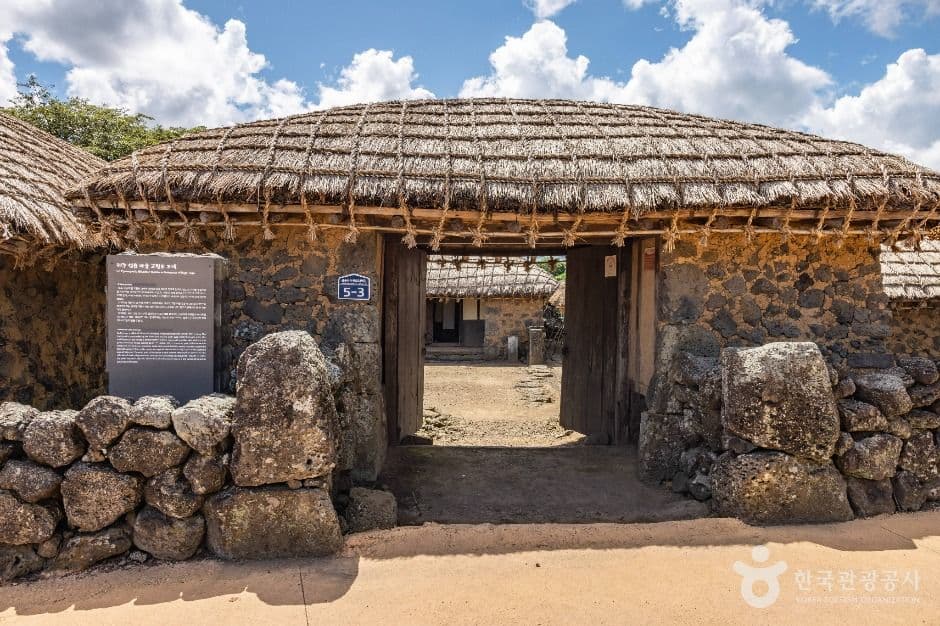
Gopyeong-o Old House, Seongup Village, Jeju

Gopyeong-o Old House, Seongup Village, Jeju is a traditional house believed to have been built during the Joseon Dynasty (estimated 1829). The layout consists of an Anggeori (inner house), Bakgeori (outer house), and Mokeori (storehouse). The Bakgeori once served as lodging and dining quarters for officials from the Jeongui-eup township office, while the double-leaf windows of the Daecheong (main hall) in the Anggeori are considered a rare architectural style found only in the southern regions of Jeju.
Jeju Tokki Islandunjuran HabitatNature

East120 min

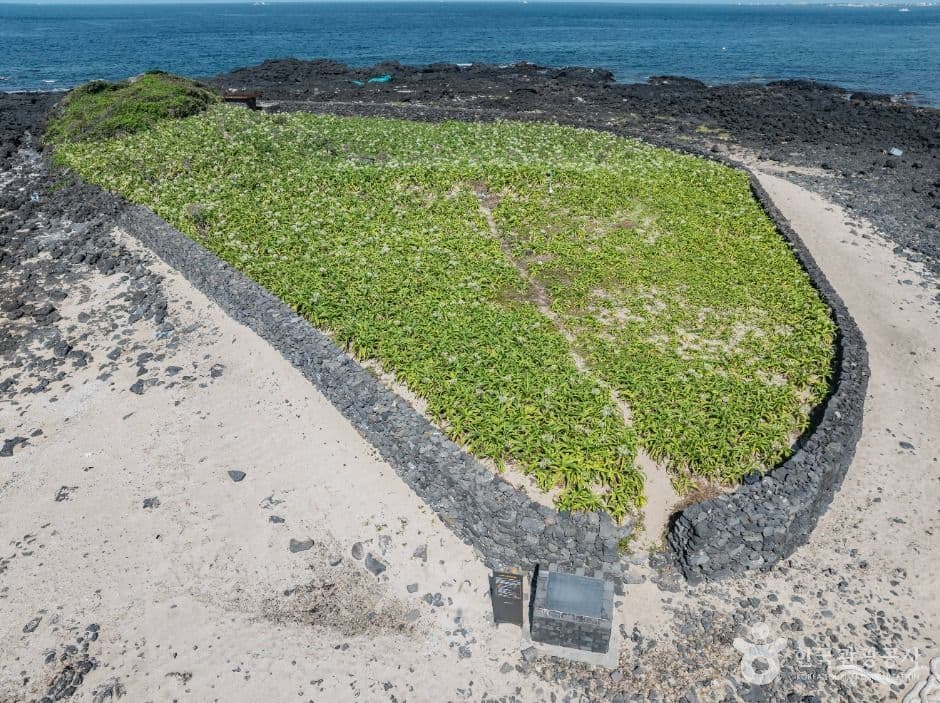
Jeju Tokki Islandunjuran Habitat

Located on Tokki Island, approximately 50m from the Hado-ri coast, Jeju Tokki Islandunjuran Habitat is the only natural habitat for Jeju Tokki Islandunjuran in Korea. The island is surrounded by rocks, with the colony flourishing on the sandy ground within. Growing in an environment with an average annual temperature of over 15°C, the Jeju Tokki Islandunjuran blooms with white flowers at night, releasing a strong fragrance. As the northernmost limit of its distribution, this site holds high academic value and is protected as a Natural Monument.

Bokdwaeji Sikdang, a Jeju Bracken Specialty RestaurantFood

East90 min

Bokdwaeji Sikdang, a Jeju Bracken Specialty Restaurant

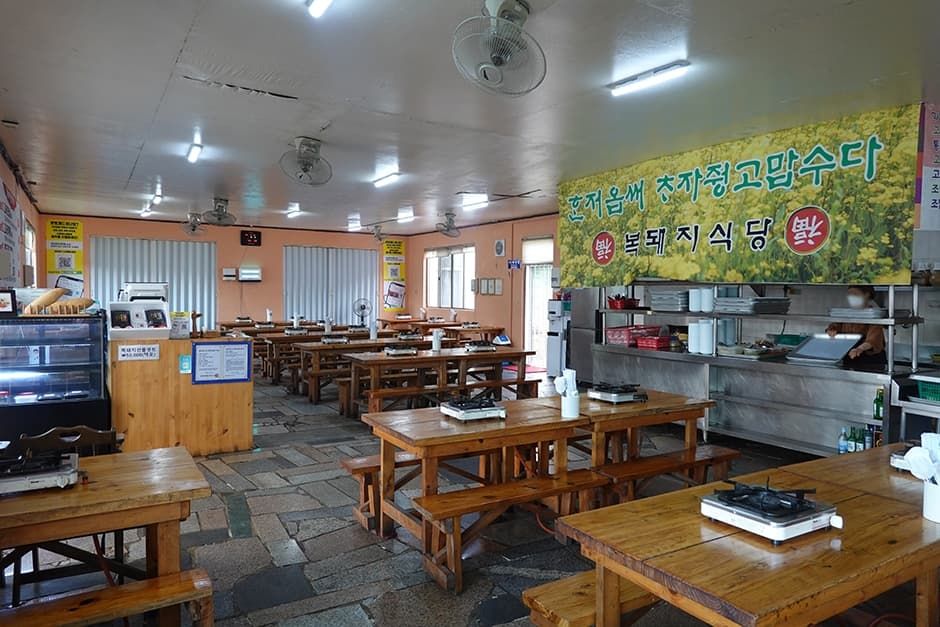
Located north of Seongup Folk Village in Jeju, Bokdwaeji Sikdang, a Jeju Bracken Specialty Restaurant offers seasonal meals featuring fresh produce grown by local Jeju women and hand-harvested fresh bracken. The restaurant's signature menu items are loaded with Jeju-grown fresh bracken, including bracken pork belly, bracken yukgaejang (spicy beef soup), and bracken bibimbap. Operating on a reservation basis, Bokdwaeji Sikdang, a Jeju Bracken Specialty Restaurant features a spacious, pleasant interior and a private parking lot.

Jeju Island UNESCO Global GeoparkExperience

East90 min

Jeju Island UNESCO Global Geopark

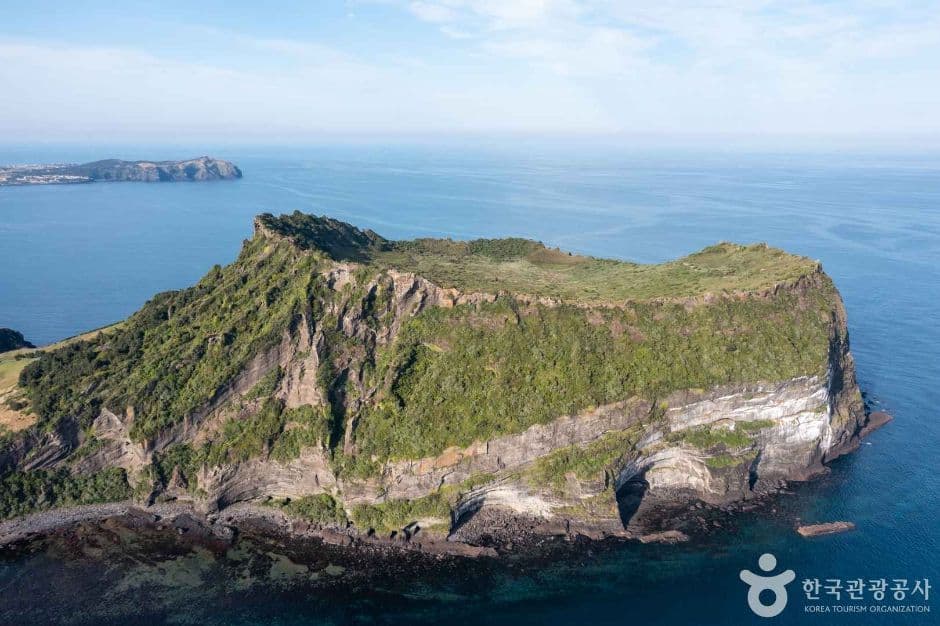
Jeju is a volcanic island formed by volcanic eruptions. Nine geological sites with outstanding landscapes and immense geoscience value—including Hallasan, Seongsan Ilchulbong, and Manjanggul Cave—have been certified as the Jeju Island UNESCO Global Geopark. Major attractions include Hallasan (1,950m), the highest peak in South Korea, Manjanggul Cave (7,400m long) within the Geomunoreum Lava Tube System, Sanbangsan Mountain, and Yongmeori Coast, all of which preserve the original forms of volcanic topography.

Jeju SalonNature

East120 min

Jeju Salon

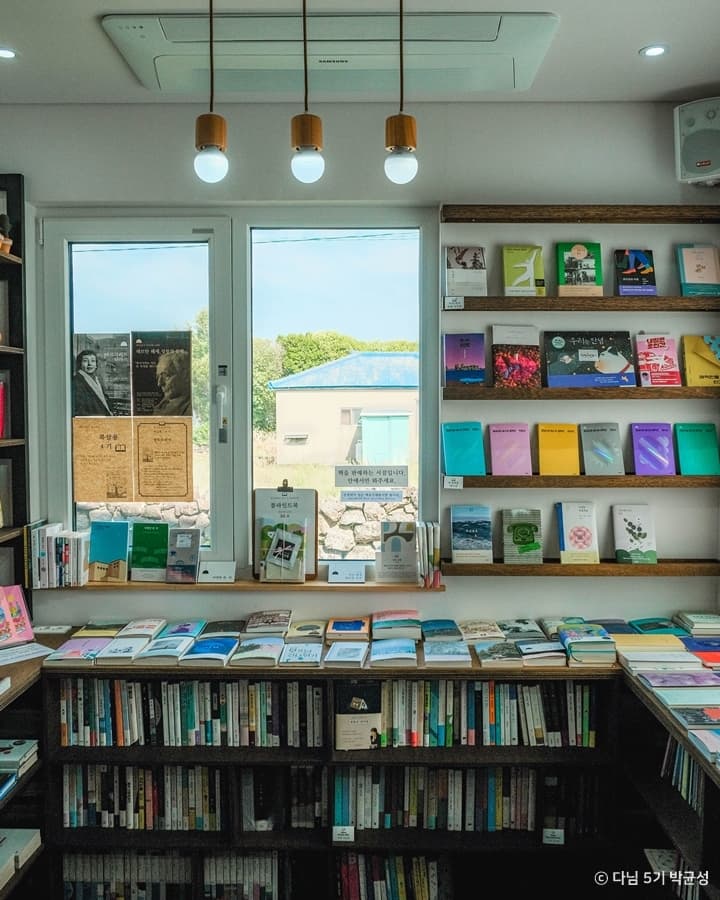
Located in Songdang, a small and quiet village in Jeju, this book cafe offers a space to read books with simple beverages. It also operates 'Saenggak-ui Oreum,' a bookstay facility. The bookstay is exclusively for solo female travelers, and guests can borrow books from the shelves during their stay. The interior of the book cafe is thoughtfully designed with spaces that allow solo travelers to read comfortably. As a bookstore specializing in the humanities, Jeju Salon reflects the owner's deep interest in the arts and humanities. Some displayed books feature brief, one-line reviews by the owner, adding a sense of connection and fun to the book-selecting process. The bookstore also hosts various programs, such as book clubs for those who love reading and lectures by invited authors on the humanities.

Jeju Haenyeo Anti-Japanese Movement Memorial TowerExperience

East90 min

Jeju Haenyeo Anti-Japanese Movement Memorial Tower

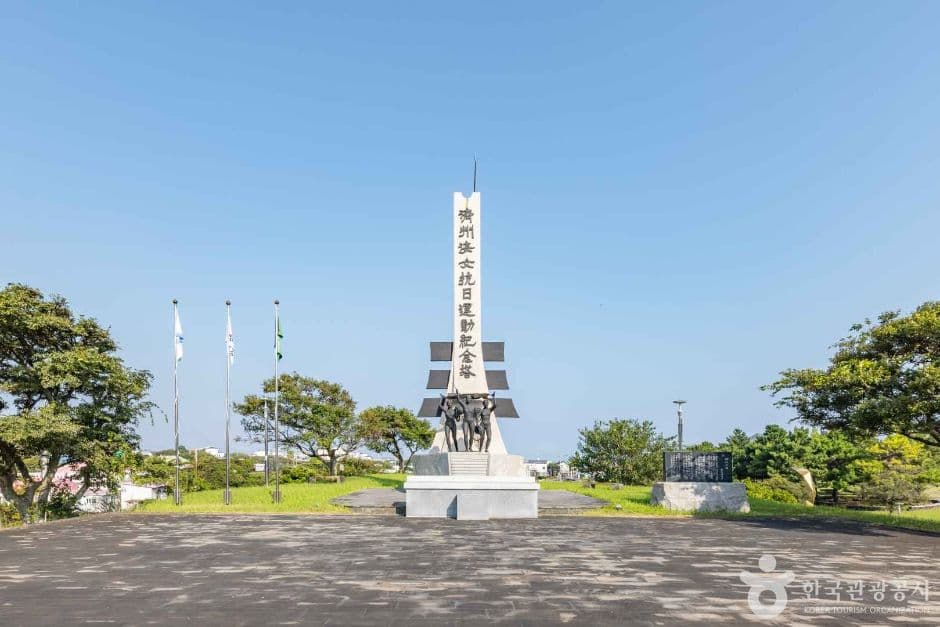
The Jeju Haenyeo Anti-Japanese Movement Memorial Tower is a monument established to honor the Jeju Haenyeo Anti-Japanese Movement, the largest female-led anti-Japanese movement in Korea, which resisted Japanese colonial exploitation in the areas of Gujwa-eup, Seongsan-eup, and Udo-myeon in 1932. Located at Yeondumang Jageundongsan in Sangdo-ri, Gujwa-eup—which served as the second assembly point for the haenyeo at the time—the site also features the Haenyeo Plaza and the outdoor sculpture "Sea, Sound."