TripJeju BEST
Top 12 Nature spots in East Jeju
Ranked by popularity & trend data · updated weekly
- 1
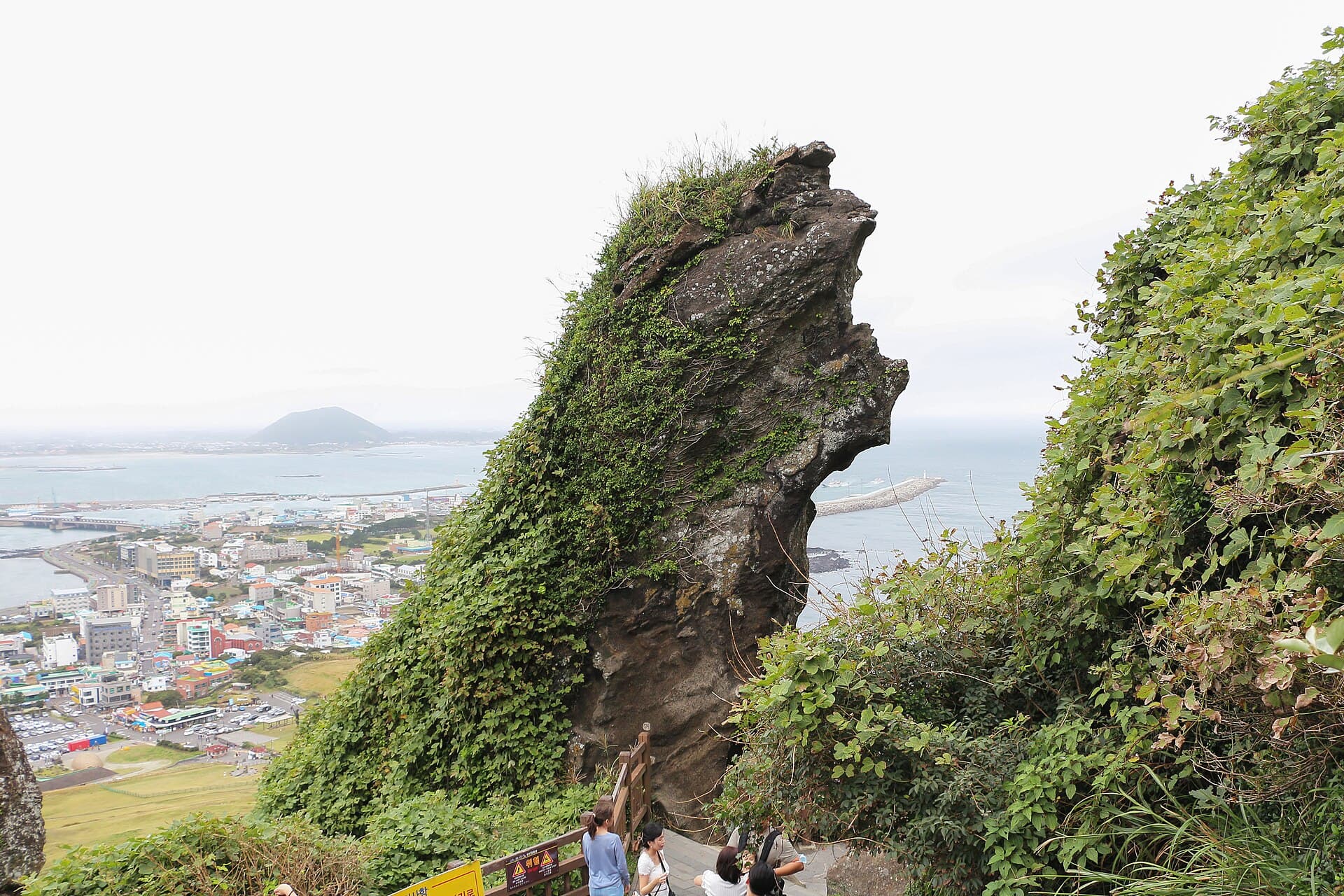
Seongsan Ilchulbong (Sunrise Peak)
Formed by a volcanic eruption under the sea approximately 5,000 years ago, Seongsan Ilchulbong (Sunrise Peak) is a magnificent tuff cone that has been designated as a UNESCO World Natural Heritage site, a Global Geopark, and a Natural Monument. Its unique terrain, reminiscent of a fortress, offers a breathtaking backdrop for one of South Korea's most stunning sunrise views. To preserve its natural splendor, the crater of Seongsan Ilchulbong (Sunrise Peak) and the surrounding 1km marine area are strictly managed as a protected natural zone.
- 2
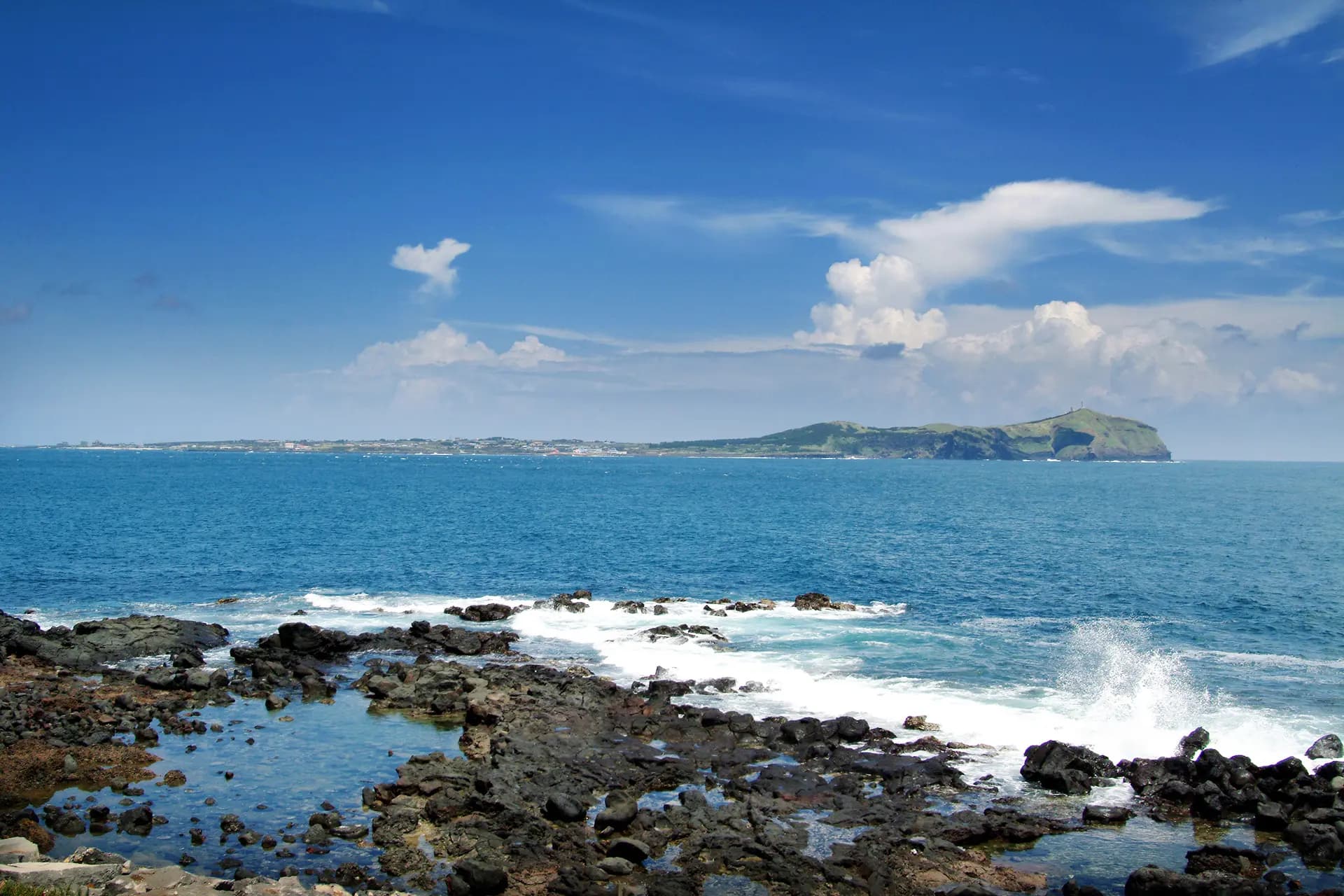
Udo Island
Udo Island, affectionately known as “Cow Island” or “Seo Island” due to its resemblance to a resting cow, is one of Jeju’s most iconic satellite islands. Blessed with gentle slopes and abundant fishing grounds, it offers pristine natural beauty that draws visitors from near and far. Located just a 15-minute ferry ride from Seongsan Port or Jongdal Port, Udo Island is a marine provincial park renowned for its breathtaking scenery and vibrant coastal charm. Home to the famous Udo Eight Scenic Views and the pristine Hago Sudong Beach, this enchanting destination welcomes approximately two million tourists each year, making it a must-visit spot for nature lovers and adventure seekers alike.
- 3
Seopjikoji
A stunning natural landmark on Jeju's eastern coast, characterized by its distinctive peninsula-like shape that juts out into the sea, offering breathtaking coastal views with Seongsan Ilchulbong Peak in the background. Visitors can wander along paths made of red volcanic scoria, marvel at dramatic coastal cliffs, and admire the iconic standing rock formations. The area also features the beautiful sands of Sinyang Beach and vibrant fields of yellow canola flowers.
- 4
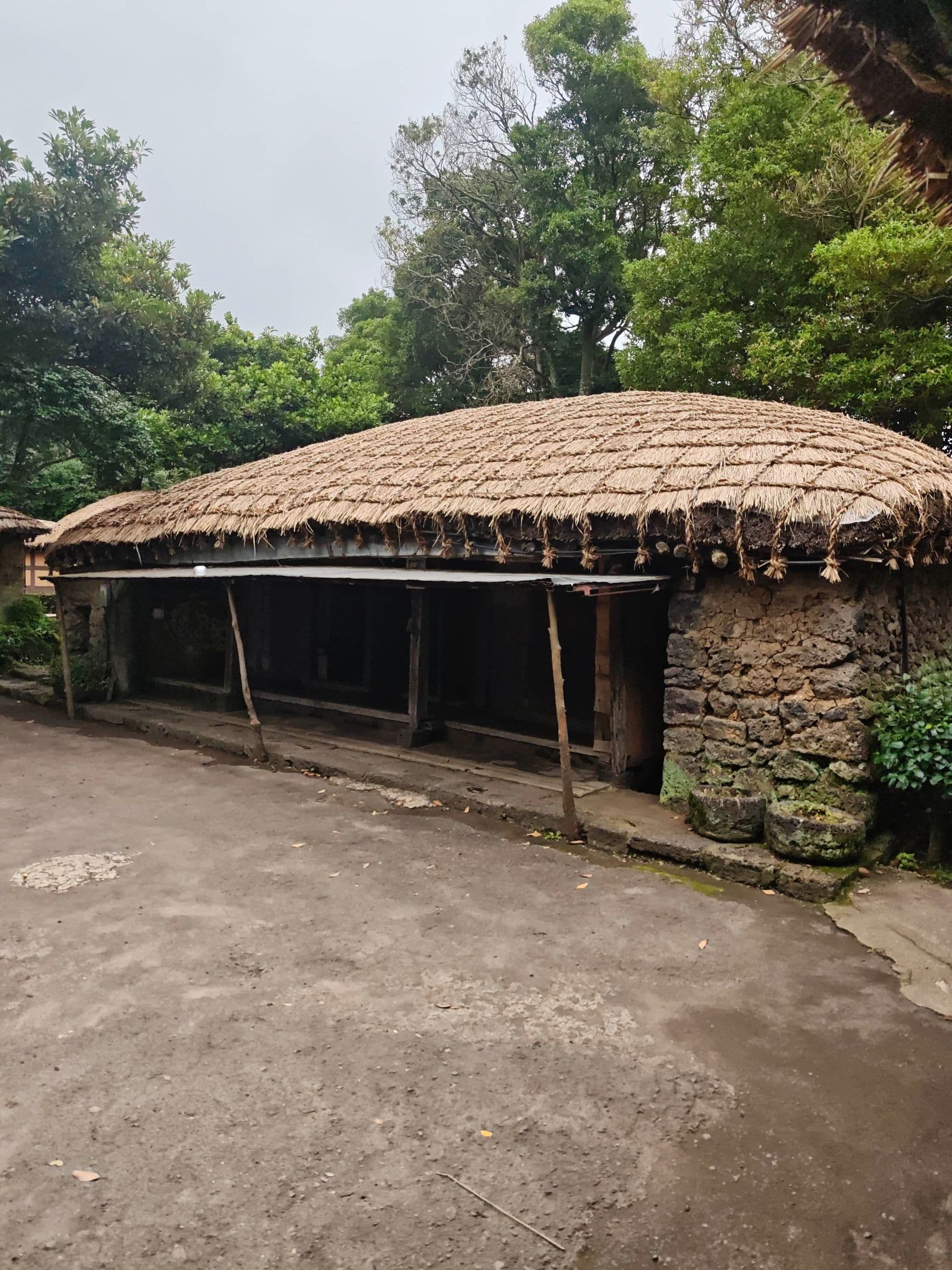
Seongeup Folk Village
Located about 8km north of Pyoseon-ri at the foot of Hallasan Mountain, Seongeup Village once served as the capital of Jeongui-hyeon during the era when Jeju was divided into three administrative districts (1410–1914). Today, it is a designated folk village that meticulously preserves the traditional architectural landscape and cultural heritage of old Jeju. Visitors can explore a wealth of tangible heritage, including traditional thatched houses, Confucian academies, historic government offices, Dolharubang statues, stone millstones, fortress walls, and monuments. The village also breathes with intangible traditions, such as local folk songs, traditional games, regional cuisine, folk crafts, and the unique Jeju dialect. Ancient zelkova and hackberry trees, some hundreds of years old, stand as proud witnesses to its five-century history as a capital. As one of the best-preserved sites for traditional thatched-roof houses, Seongeup Folk Village offers a rare opportunity to see residents living in authentic traditional homes and to experience the 'tongsi'—Jeju's unique traditional outdoor toilet. The harmonious blend of ancient trees, stone walls, and historic fortress ruins creates an elegant atmosphere that vividly showcases its storied past.
- 5
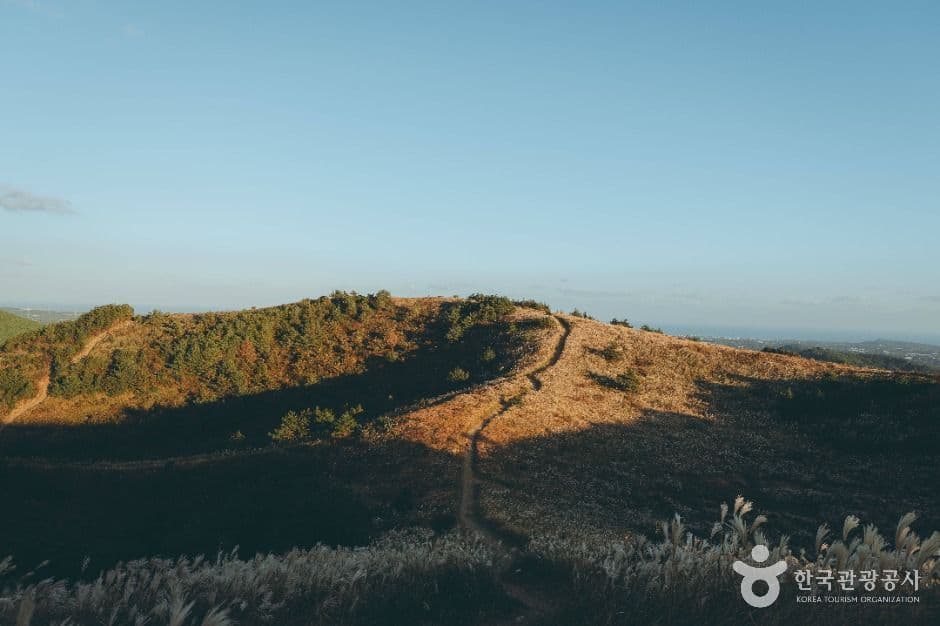
Ttarabi Oreum
Located in Gasi-ri, Pyoseon-myeon, Ttarabi Oreum features three craters and six peaks, characterized by gentle ridges formed by volcanic eruptions. In autumn, the vast silver grass colonies covering the hills create a spectacular sight, earning it the title 'Queen of Oreums' for its breathtaking beauty.
- 6

Pyoseon Beach
Located in Pyoseon-ri, Pyoseon-myeon, Seogwipo, Jeju Island, this beach is characterized by its vast, flat sandy shore with extremely fine sand and minimal slope. At low tide, the beach reveals a wide, rounded expanse of white sand, while at high tide, it transforms into a stunning landscape reminiscent of a shallow, emerald-colored circular lake. The eastern coastline is also distinguished by sand dunes rising approximately 2 to 3 meters high.
- 7

Jeju Nature Ecology Park
Located in Seongsan-eup, Seogwipo-si, Jeju, Jeju Nature Ecology Park is a natural ecological space spanning approximately 429,000㎡, featuring Gungdae Oreum (Gungdaeak) and crater trails. Visitors can observe wildlife such as injured birds of prey (eagles, Eurasian eagle-owls, etc.) and roe deer, and enjoy experiences involving insect ecology and traditional ways of life.
- 8

Haumokdong Port
Located in the sea south of Seongsan Ilchulbong, Udo Island is a destination visited by many every year to enjoy its beautiful scenery. There are two ports on this island: Cheonjin Port, the gateway to Udo, and Haumokdong Port, located in the middle of the island. Although smaller than Cheonjin Port, it has the advantage of being close to Seobinbaeksa, where white coral washes up on the shore. When returning to the main island, you can use your purchased ticket to board a boat at either Haumokdong Port or Cheonjin Port; if you arrived via Cheonjin Port, you might consider using Haumokdong Port for your return. It takes about 10 to 15 minutes from Seongsan Port and Jongdal Port.
- 9

Ojo Port
Nestled within a tranquil and quiet village, Ojo Port offers a breathtaking view of Seongsan Ilchulbong rising above the sea. The name 'Ojo' carries the poetic meaning, "the sun shines upon me first when it rises over Ilchulbong." The area features lovely walking trails, perfect for enjoying a leisurely stroll while soaking in the unique scenery. A wooden bridge connected to Ojo-ri Village allows visitors to feel as if they are walking directly on the ocean. As part of the Jeju Olle Route 2, it is a popular stop for hikers looking to pause and admire the harmonious blend of the sea and Seongsan Ilchulbong. For an even better vantage point, hikers can climb the nearby Siksanbong Peak to enjoy the sweeping views amidst lush greenery and fresh air. While it may lack flashy attractions, the seamless harmony between the sea, the iconic peak, and the surrounding natural landscape makes Ojo Port a perfect place to experience the peaceful charm of a Jeju coastal village.
- 10
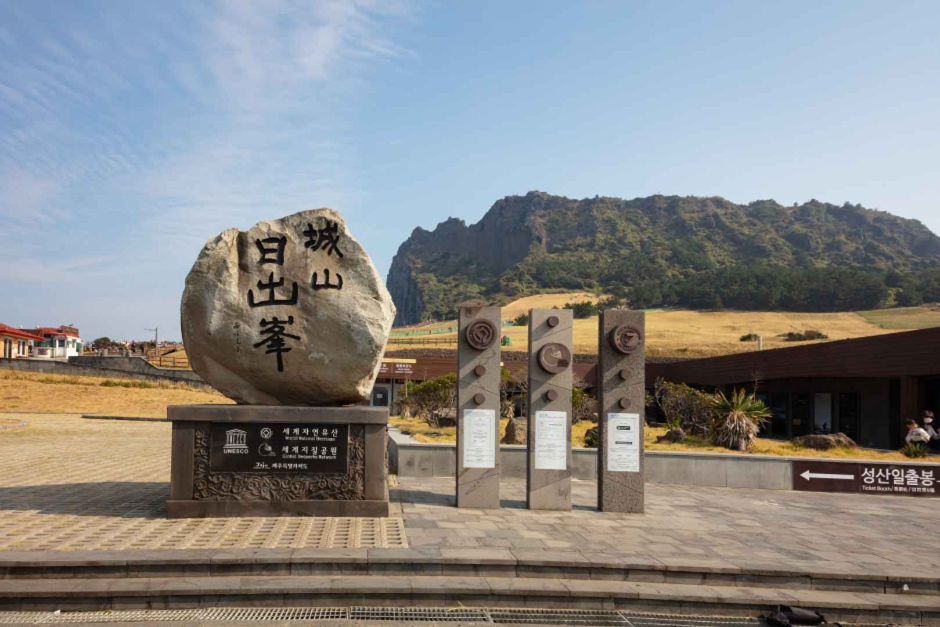
Seongsan Ilchulbong
Rising 180 meters above sea level, Seongsan Ilchulbong is a rare hydrovolcanic formation created by an underwater explosion approximately 5,000 years ago. Formed when hot magma met cold seawater, erupting viscous volcanic ash, its breathtaking sunrise from the summit is considered the finest of the Ten Scenic Views of Yeongju.
- 11
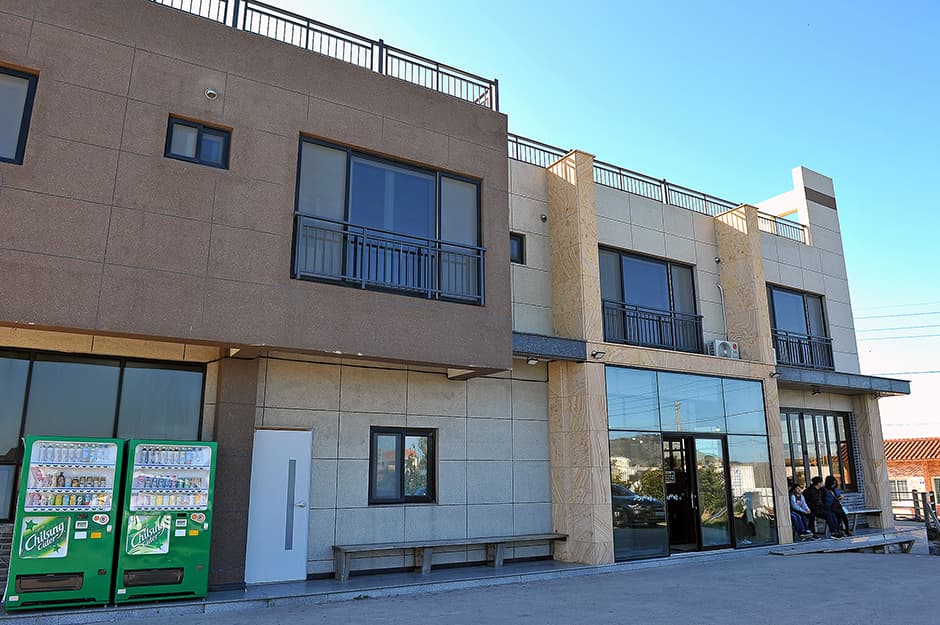
Gasia Bang Guksu
Located in Seongsan-eup, Gasia Bang Guksu is a popular local restaurant specializing in Gogi-guksu (meat noodles), a signature Jeju specialty. The signature meat noodles feature a rich, savory broth paired with tender yellow noodles and flavorful Dombe-gogi (boiled pork) toppings. Other popular choices include spicy mixed noodles (Bibim-guksu) and anchovy noodles, both known for their unique umami flavors. For those wanting to try a bit of everything, the set menu offers a great value, allowing you to enjoy both noodles and a portion of Dombe-gogi in one meal.
- 12
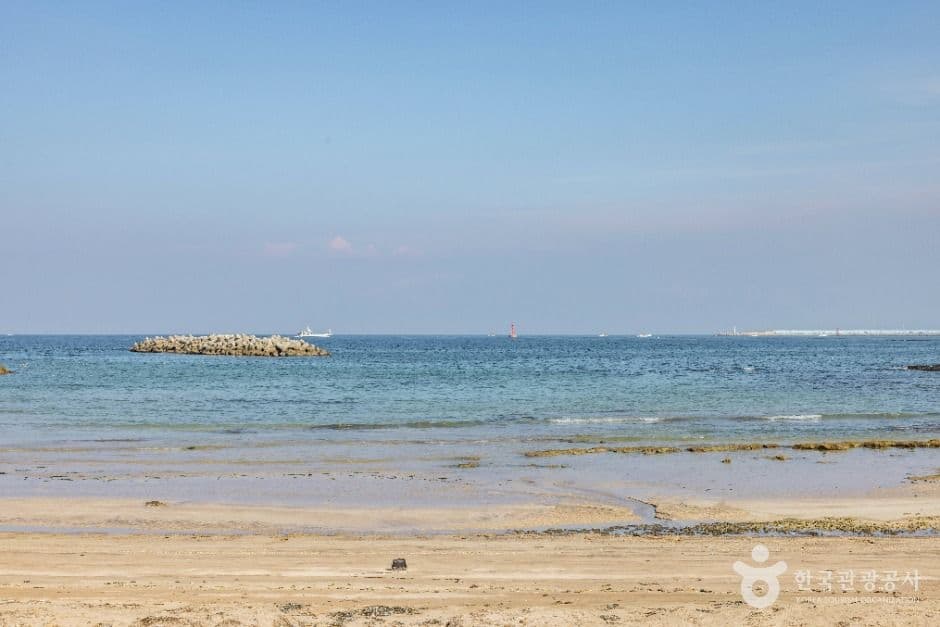
Jongdal-ri Beach
Jongdal-ri Beach is a spacious sandy beach located at the foot of Jimibong (a mountain shaped like a bell), offering beautiful views of Seongsan Ilchulbong and Udo. As it is relatively lesser-known, it is a perfect spot for those seeking a quiet getaway, and the nearby coastal road is famous as a premier destination for viewing hydrangeas.