TripJeju BEST
Top 12 Nature spots in North Jeju
Ranked by popularity & trend data · updated weekly
- 1
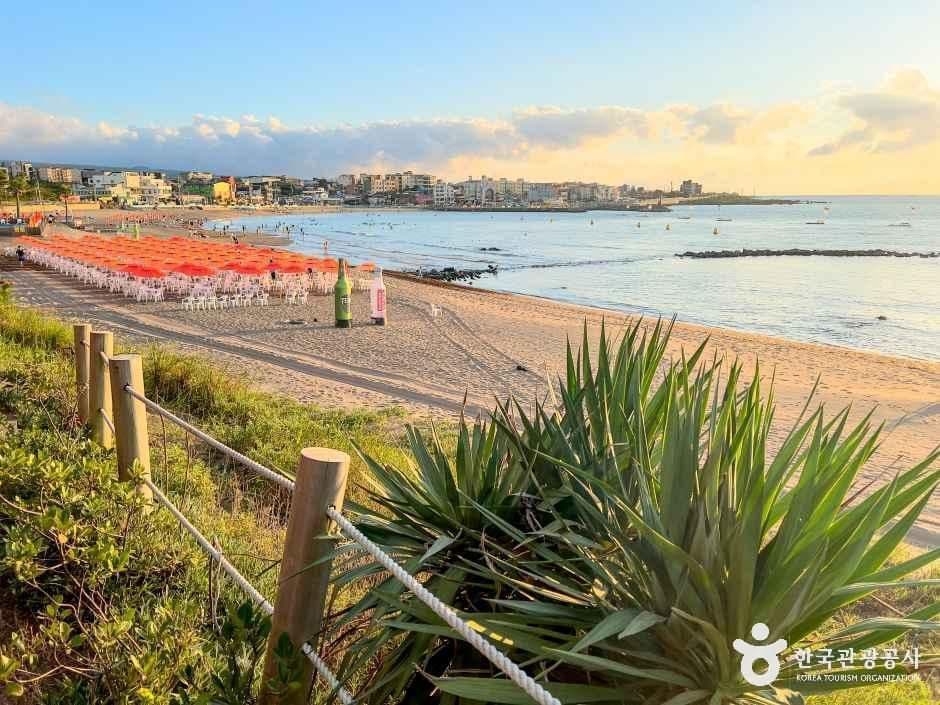
Iho Tewoo Beach
Iho Tewoo Beach (Iho Beach) is a great place to take photos of Jeju Island thanks to its pony lighthouses, where the striking contrast between the red and white ponies creates an exotic landscape. It is conveniently located near Jeju City with well-equipped amenities. The gentle slope of the sandy beach attracts many vacationers, and a pine forest provides the perfect setting for camping. During low tide, when the sea level is at its lowest, you can see the vast expanse of the white sand beach along with the wondam. The wondam is a traditional Jeju fishing method that utilizes the difference between high and low tides; at Iho Tewoo Beach (Iho Beach), the space known as Iho Mosalwon has been restored to showcase this method.
- 2

Udon Kaden
Located near Gyorae Branch School in Jocheon-eup, Jeju, Udon Kaden is an authentic Japanese udon specialty restaurant run directly by a star chef. The signature dish, Yamakake Udon, features chewy cold udon topped with grated yam and an egg yolk, boasting a clean and deep flavor. You can also enjoy a variety of Japanese dishes, including Tempura Udon, Ikaten Bukkake Udon, and chicken karaage.
- 3

- 4

Geubun Oreum Natural Recreation Forest
Located in Pyoseon-myeon, Seogwipo City, Geubun Oreum Natural Recreation Forest is a serene natural retreat offering diverse hiking trails such as the Geubun Oreum Trail (1.7 km), Sunrise Forest Path (6.7 km), Sangjatsung Forest Path (3.2 km), and the Barrier-Free Sharing Forest Trail (1 km). Facilities include forest cabins, a forestry culture and recreation center, an ecological pond, a forest bathing area, and a lawn plaza. Visitors can enjoy accommodation and camping at the forest campsite, which operates from June to November.
- 5
Jeju Jeolmul Natural Recreation Forest
Located at the foot of a parasitic volcanic crater in Bonggae-dong, Jeju City, Jeju Jeolmul Natural Recreation Forest opened in 1997. Spanning 300 hectares, this forest relaxation space is primarily composed of cedar trees aged 30 to 45 years. It features various facilities such as gentle walking trails, mineral springs, waterfalls, and ponds, and is accessible to the elderly and people with disabilities. From the observatory at the summit of the nearby Jeolmul Oreum, you can view Seongsan Ilchulbong and Musucheon.
- 6

Witseoreum
Witseoreum is the highest oreum on Jeju Island after Hallasan, situated at an altitude of 1,700m. It is a collective name for three distinct oreums: Red Oreum, Nuun Oreum, and Jogeun Oreum. You can hike to Witseoreum via the Eorimok, Yeongsil, or Donnaeko courses, where you can enjoy views of the eastern and southern walls of Baengnokdam. In the spring, the area transforms into a sea of flowers as royal azaleas and Korean azaleas bloom.
- 7

Saryeoni Forest Path
Recognized as one of Jeju's 31 hidden gems, this cedar-lined forest trail winds from Bijarim-ro through Mulchat Oreum and Saryeoni Oreum. The name 'Saryeoni' carries the meaning of a 'sacred forest,' offering travelers a serene escape where you can wander through dense cedar groves while immersing yourself in subtle woodland scents and the soothing sounds of nature.
- 8

Yong Kkwabaegi
Located across from Jeju City Hall and in Nohyeong-dong, Yong Kkwabaegi is a specialty pretzel doughnut shop known for its signature chewy dough. The menu features a variety of treats including their standout scallion kkwabaegi, classic twisted doughnuts, red bean doughnuts, croquettes, and hot dogs. Most orders are available for takeout, making them a perfect snack to enjoy on the go.
- 9
Samdasoo Forest Trail
Originally a forest road used by local residents, this trail was revitalized to showcase a lush canopy of towering cedar trees planted in the 1970s. At the trailhead, you will find a water exhibition center highlighting the value of Jeju Samdasoo, while the trail itself offers a glimpse into the area's history as a former pasture for horses and a traditional hunting ground.
- 10

Yeonbukjeong
Yeonbukjeong is a Joseon Dynasty pavilion built in 1590, during the 23rd year of King Seonjo's reign, and was renovated and renamed in 1599. It is designated as Jeju Special Self-Governing Province Tangible Cultural Heritage No. 3. Located on a flat area by the seaside, the structure features a three-bay front and two-bay side with a paljak (hip-and-gable) roof. It embodies the loyal devotion of those exiled to the island, expressing their longing for the King in the north.
- 11

Changkom
Changkom is a rock located east of Bukchon Hwanhae Fortress and Yongmul, and its name refers to a stone with a hole, derived from the Jeju dialect "Chang Gomang." It serves as a popular photo zone where you can take pictures of Daryeodo Island and the ocean through a naturally formed hole. It is also famous as a filming location for the drama "Extraordinary Attorney Woo."
- 12

Gueom-ri Stone Salt Farm
The Gueom-ri Stone Salt Farm is a historic site where seawater was evaporated on expansive basalt rock formations to produce salt; it is also known as 'Sogeum-bille' in the Jeju dialect. Located near Gueom Port, this scenic landmark offers a glimpse into the traditional lifestyle of old Jeju, especially when paired with the breathtaking views of the sunset over the ocean.