 Nature
Mochungsa Shrine
Located within Sarabong Park in Geonip-dong, Jeju City, Mochungsa Shrine was built to honor the patriotic spirits of the martyrs who sacrificed their lives for Korea's independence during the Japanese colonial period.
Find 6,600+ places by area, type and mood.
781 places
NatureLocated within Sarabong Park in Geonip-dong, Jeju City, Mochungsa Shrine was built to honor the patriotic spirits of the martyrs who sacrificed their lives for Korea's independence during the Japanese colonial period.
 Nature
Hosted by the Ministry of Culture, Sports and Tourism and Seogwipo City, the Month of Culture Festival is a long-standing tradition held annually during the third week of October since 1990. The 2025 festivities will take place from October 17th to 19th around Cheonjiyeon Falls and the Seogwipo Old Town, held in conjunction with the 31st Seogwipo Chilsimni Festival.
Located on Gwandeok-ro 8-gil in Jeju City, this Indian cuisine specialty restaurant features flavorful curry dishes that are perfect even for beginners. Popular menu items include the Large Curry & Half Tandoori combo, Masala Chicken Curry, and Garlic Naan. The restaurant offers a welcoming atmosphere with stylish interiors and friendly service.
 Nature
Located in Arail-dong, Jeju City, Bae Chef is an authentic Chinese cuisine restaurant favored by locals rather than the typical tourist-oriented seafood spots. The signature dishes include Kkanpung Shrimp, tossed in a sweet and sour signature sauce for a perfect crispy-on-the-outside, tender-on-the-inside texture, and Yusanseul, a savory dish featuring sea cucumber and vegetables seasoned with rich oyster sauce.
Located on Jungjeong-ro in Seogwipo, Backpacker's Home is a vibrant guesthouse designed for backpackers, boasting an active atmosphere with lively evening parties and frequent travel information exchanges. The property offers a variety of room types ranging from single rooms to dormitories, and guests can enjoy access to a garden, free private parking, a shared lounge, and a terrace.
 Nature
Founded in 1943 with the construction of an 18-pyeong thatched-roof prayer hall, Bodeoksa is a sub-temple of Gwaneumsa Temple under the Jogye Order of Korean Buddhism. The Daeungjeon (Main Buddha Hall) houses a 17th-century wooden seated Buddha, which was brought from Daeheungsa Temple in Haenam during the temple's founding. This exquisite Buddhist statue is designated as a Jeju Special Self-Governing Province Cultural Material.
 Nature
Established in 1957 at the entrance of Sarabong in Jeju, Borimsa Temple features various structures including the Daeungjeon Hall, Dharma Hall, and Cheonwangmun Gate. The temple is a must-visit destination as it enshrines the Wooden Seated Avalokitesvara Bodhisattva, which was designated as a Jeju Tangible Cultural Heritage in 2002.
 Nature
Dating back to the early Joseon Dynasty, these two massive stone Buddha statues are the largest of their kind on Jeju Island. Located in Geonip-dong and Yongdam-dong as Dongjabok and Seojabok respectively, these 2.8-meter-tall statues are carved from porous basalt. They feature oval faces and brimmed hats reminiscent of the iconic Dolhareubang (stone grandfathers), and stand as significant historical treasures mentioned in the 1704 publication, Namhwan Bangmul.
 Nature
Located near Jeju City Hall, this Japanese restaurant specializes in soba, salmon, and tempura. The menu features a deep, flavorful broth simmered for 48 hours with katsuobushi and soy sauce, paired with fresh salmon prepared every morning. Embracing a slow-food philosophy, every dish is cooked to order to ensure the highest quality and freshness.
 Nature
Located along the scenic Yongdam Coastal Road near Jeju International Airport, this restaurant specializes in fresh, wild-caught sashimi. The seafood is kept exceptionally fresh thanks to a constant direct supply of clean seawater to their tanks. They exclusively use domestic flatfish and red seabream, and orders of assorted sashimi come with a delightful spread of side dishes, including porridge, mackerel sashimi, spear squid sashimi, and sushi, along with abalone fried rice.
 Nature
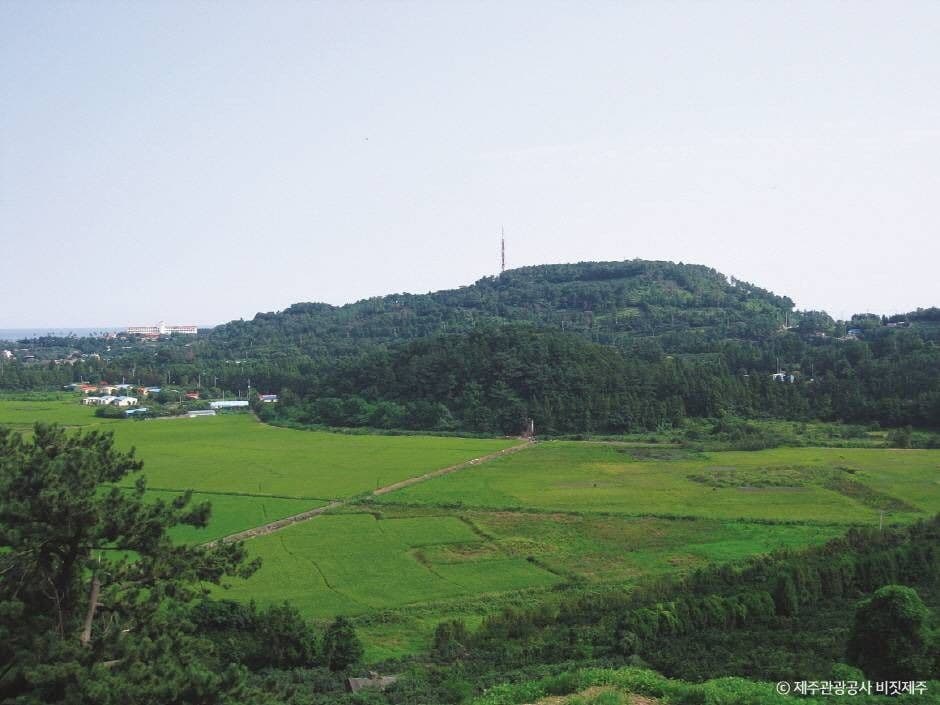
Located just ahead of Oedolgae in Seogwipo, this small oreum serves as a beautiful civic park where lush pine forests harmonize perfectly with the azure sea. Situated at the junction where Jeju Olle Trail Course 6 ends and Course 7 begins, the peak features a gentle 1.2km walking trail that allows visitors to loop around the summit with ease.
 Nature
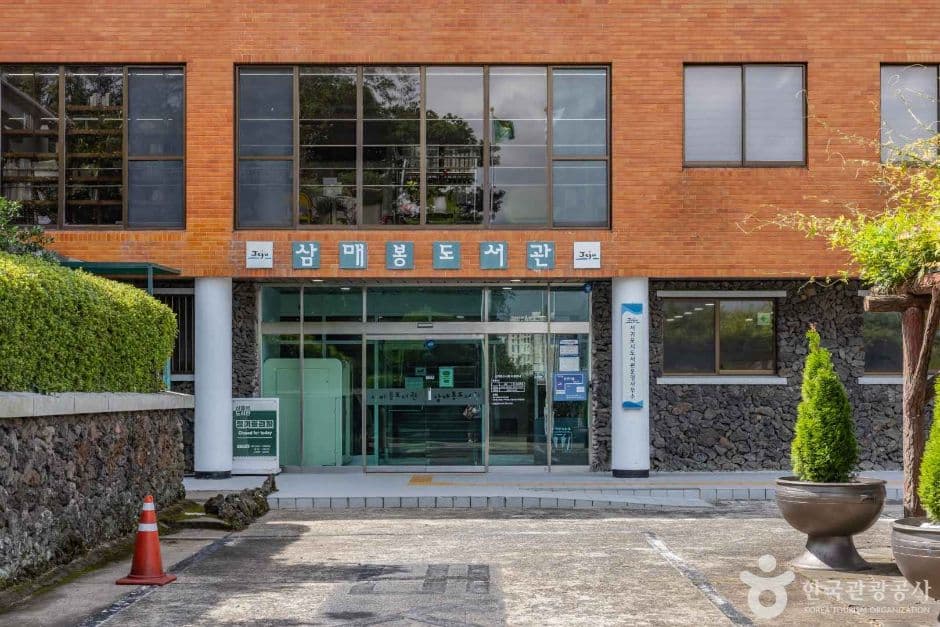
Located in Seohong-dong, Seogwipo, Jeju, this public library is situated right next to Gidang Museum of Art. It offers a diverse collection of resources and hosts various reading culture programs for all age groups, aiming to foster a lifelong reading habit and continuous education for the local community.