2025 — 2026 Season
Jeju Now
6,000+ official Visit Jeju listings — browse by north, east, south, west or category, or explore themed picks below.
Nature
 Nature90 min
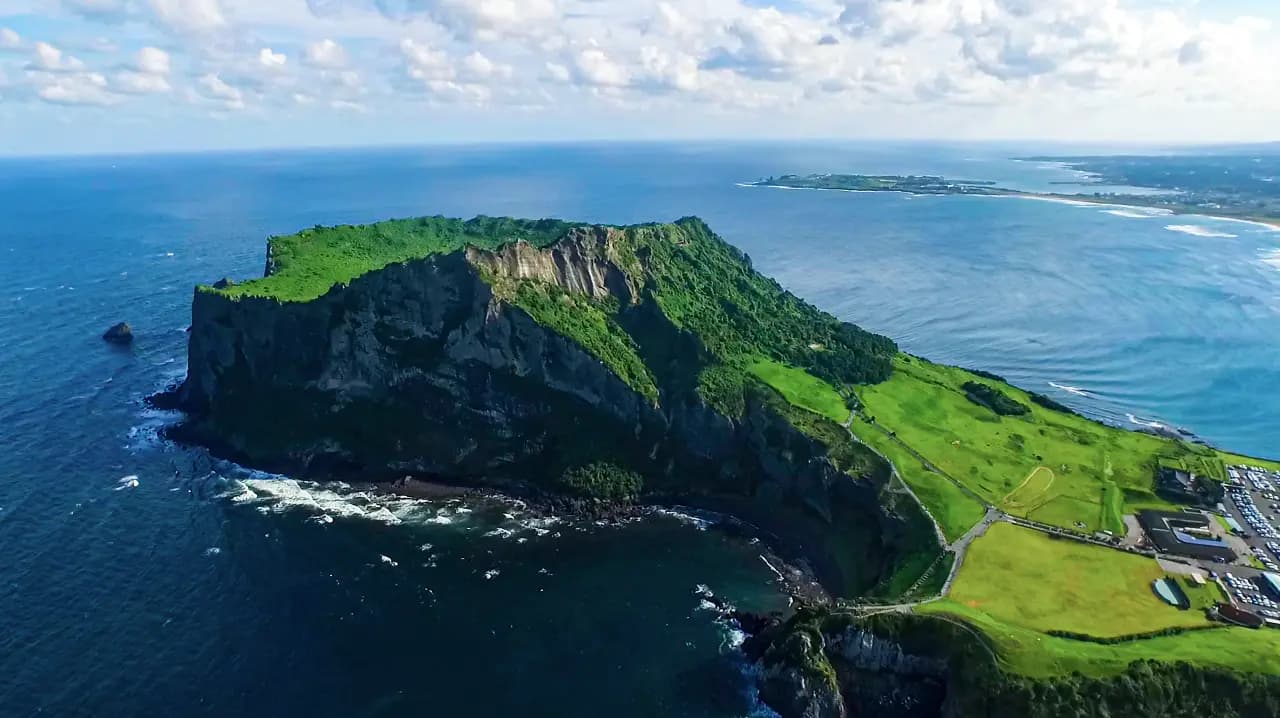
Seongsan Ilchulbong (Sunrise Peak)
Formed by a volcanic eruption under the sea approximately 5,000 years ago, Seongsan Ilchulbong (Sunrise Peak) is a magnificent tuff cone that has been designated as a UNESCO World Natural Heritage site, a Global Geopark, and a Natural Monument. Its unique terrain, reminiscent of a fortress, offers a breathtaking backdrop for one of South Korea's most stunning sunrise views. To preserve its natural splendor, the crater of Seongsan Ilchulbong (Sunrise Peak) and the surrounding 1km marine area are strictly managed as a protected natural zone.
 Nature240 min
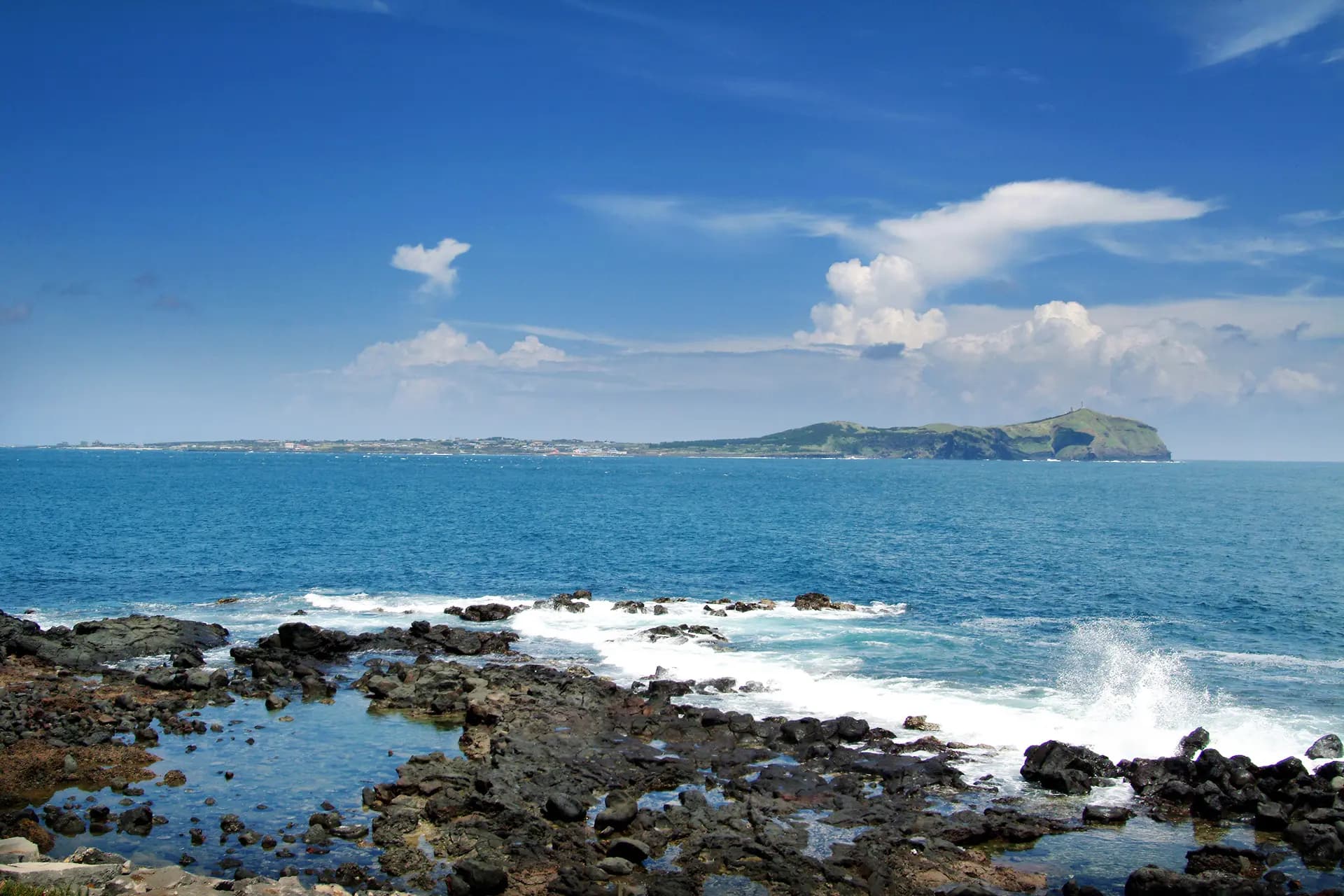
Udo Island
Udo Island, affectionately known as “Cow Island” or “Seo Island” due to its resemblance to a resting cow, is one of Jeju’s most iconic satellite islands. Blessed with gentle slopes and abundant fishing grounds, it offers pristine natural beauty that draws visitors from near and far. Located just a 15-minute ferry ride from Seongsan Port or Jongdal Port, Udo Island is a marine provincial park renowned for its breathtaking scenery and vibrant coastal charm. Home to the famous Udo Eight Scenic Views and the pristine Hago Sudong Beach, this enchanting destination welcomes approximately two million tourists each year, making it a must-visit spot for nature lovers and adventure seekers alike.
 Nature90 min
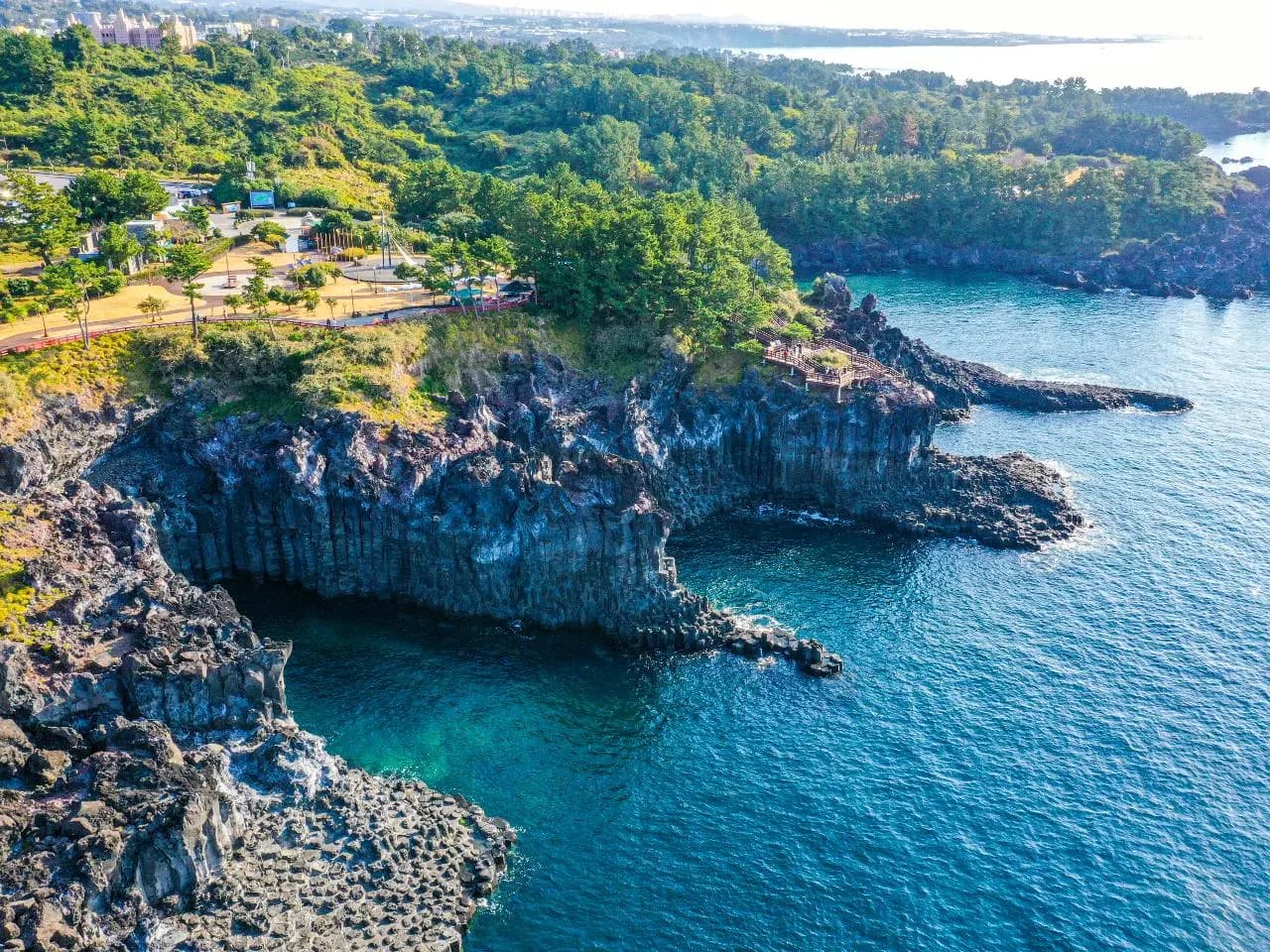
Bangkeulyeung Cliff
Dramatic volcanic cliff formations overlooking the East China Sea.
 Nature90 min
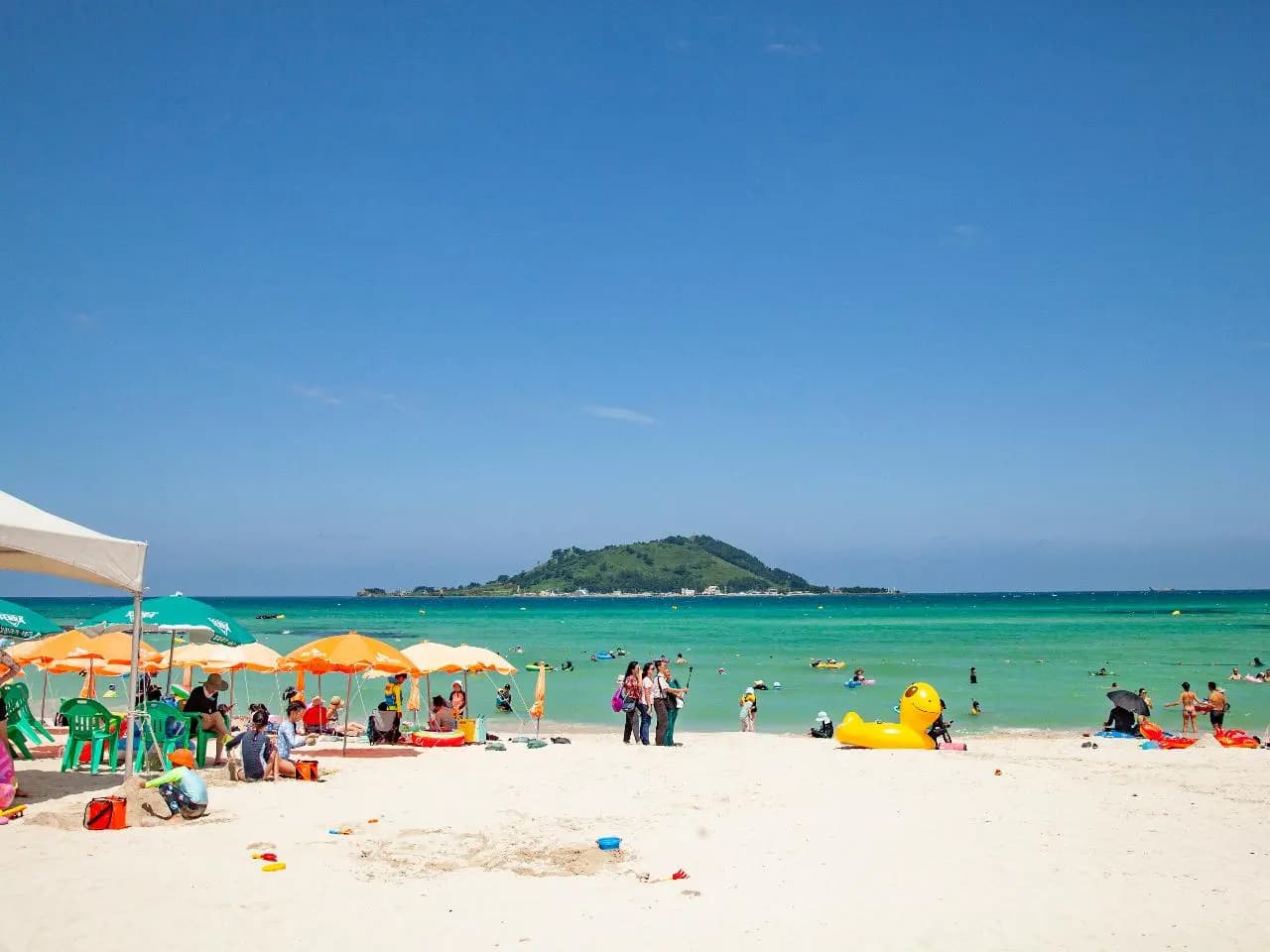
Hyeopjae Beach
Located in Hallim-eup in western Jeju, Hyeopjae Beach features gentle slopes and shallow waters, making it an ideal destination for families. The beach boasts a stunning landscape where white sands scattered with seashells meet lush pine forests. With Biyangdo Island floating gracefully in the offshore view, this scenic spot also serves as a beautiful segment of the Jeju Olle Route 14.
 Nature120 min
Garam
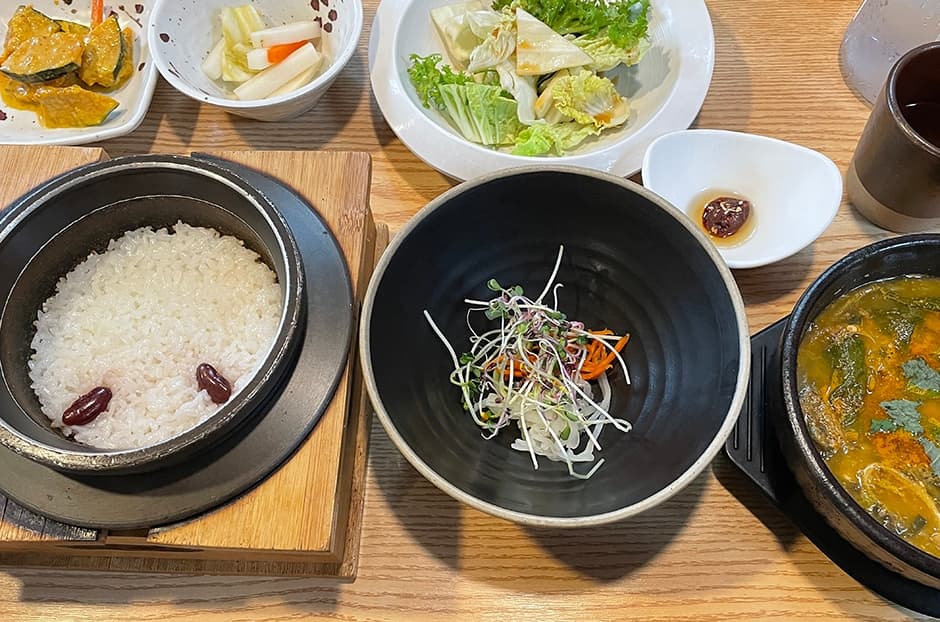
Located in front of the KBS Jeju Broadcasting Station, Garam is best known for its signature set meal of dogfish soup (chueotang) and stone pot rice. The dish comes with healthy side dishes such as cabbage salad, pickles, and sweet pumpkin. You can enjoy the stone pot rice by mixing it into bibimbap or scraping up the crispy scorched rice at the bottom (nurungji). The chueotang is a savory, nourishing broth made with perilla seed powder, known for its clean taste, making it a favorite spot among broadcasting station staff. In summer, try their green tea doksaegi kongguksu (cold soybean noodle soup). Nearby attractions include Mineo Oreum and the Jeju Folklore & Natural History Museum.
 Nature120 min
Garam Dolsotbap
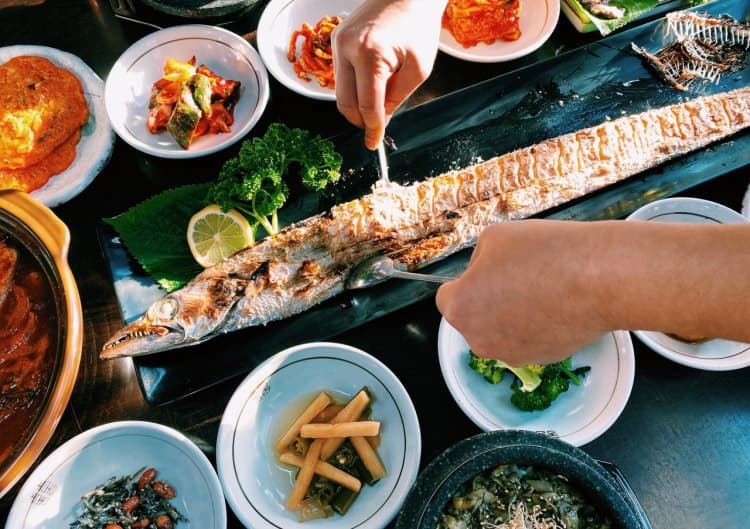
Located on Jungmun Tourist Road, Garam Dolsotbap opened in 2003 to honor the memory of the owner's mother, a haenyeo (female diver), by sharing the same heartfelt devotion and fresh ingredients she once provided. The restaurant is beloved for its clean side dishes and popular sea urchin seaweed soup, with every meal featuring abalone or fresh sashimi. A standout feature is the dedicated station where you can mix your seafood stone pot rice with margarine and soy sauce for a rich, flavorful finish. With the warm, smiling service of the staff, it is an ideal spot to enjoy a hearty and satisfying breakfast in Seogwipo.
 Nature120 min
Gamuni Oreum
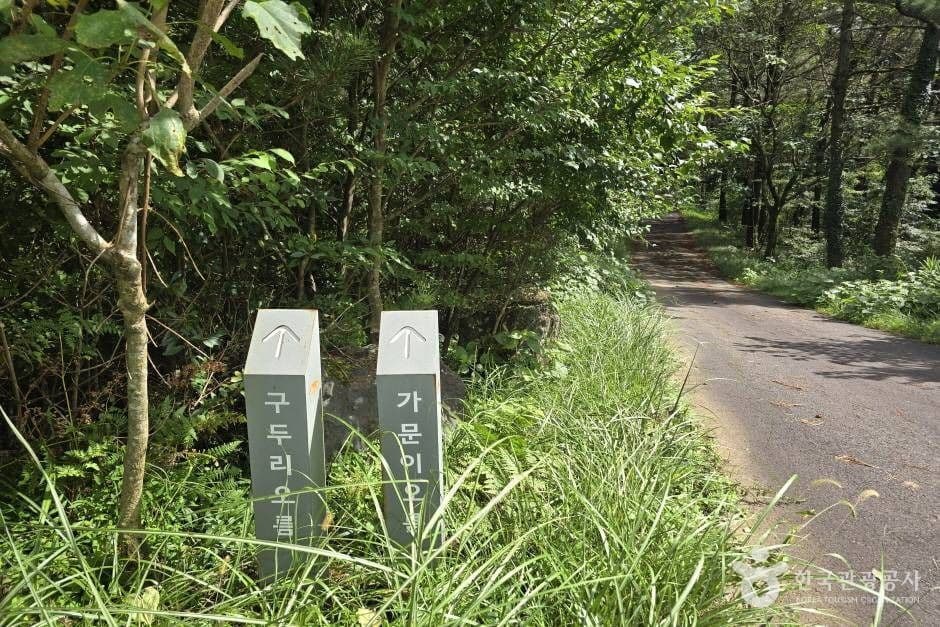
Located in Songdang-ri, Gujwa-eup, Jeju City, Gamuni Oreum is a gentle volcanic cone situated just west of Seongbul Oreum. Facing the nearby Bulgeun Oreum, its slopes are adorned with lush forests of cedar and black pine, topped by a canopy of deciduous trees. The name "Gamuni" originates from its dark appearance caused by the dense, thick forests. The horseshoe-shaped crater is home to unique wildflowers, such as white and pink pasqueflowers, and the dense woods within the crater lend the peak a mystical, sacred atmosphere. As part of a cluster of volcanic cones including Bulgeun, Guduri, and Chetmang Oreum, it is an ideal destination for hikers looking to explore multiple peaks in one trip. Nearby attractions include Mulyeongari Oreum and Buyeong Condri Club.
 Nature120 min
Gasaegi Oreum
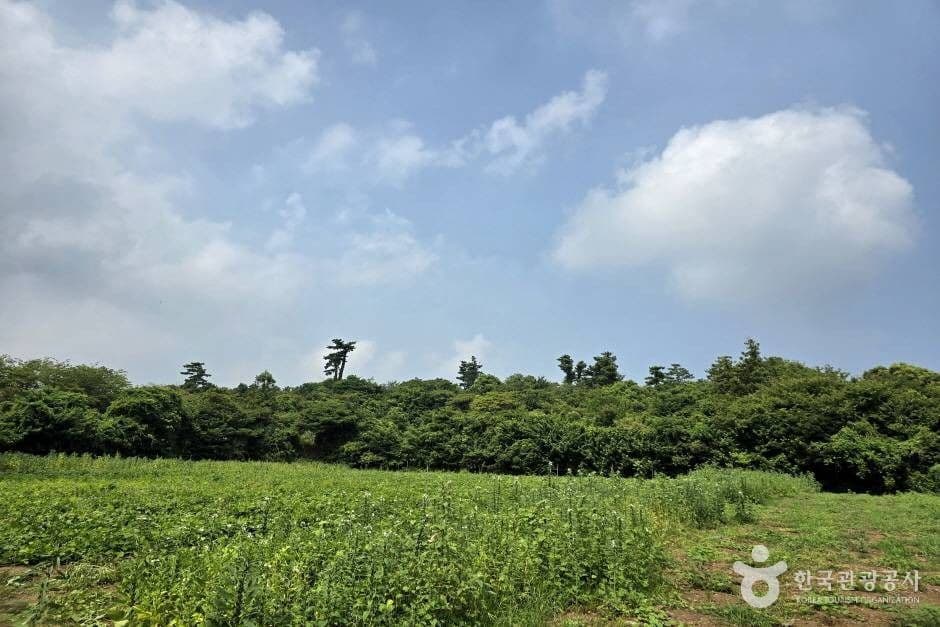
Located northwest of Yeonmi Village in Ora-dong, Gasaegi Oreum is a small, conical volcanic cone without a crater. Its north-south ridge is blanketed in a lush forest of dense black pine trees. According to local Feng Shui lore, the nearby Min Oreum represents a mother dog, while Gasaegi Oreum, situated just below, represents her puppy—giving rise to its local nickname. Because the landscape resembles a mother dog and her pup nestled together, the northwestern slopes have long been considered an auspicious site, symbolizing the nurturing breast of a mother dog.
 Nature120 min
Gase Oreum
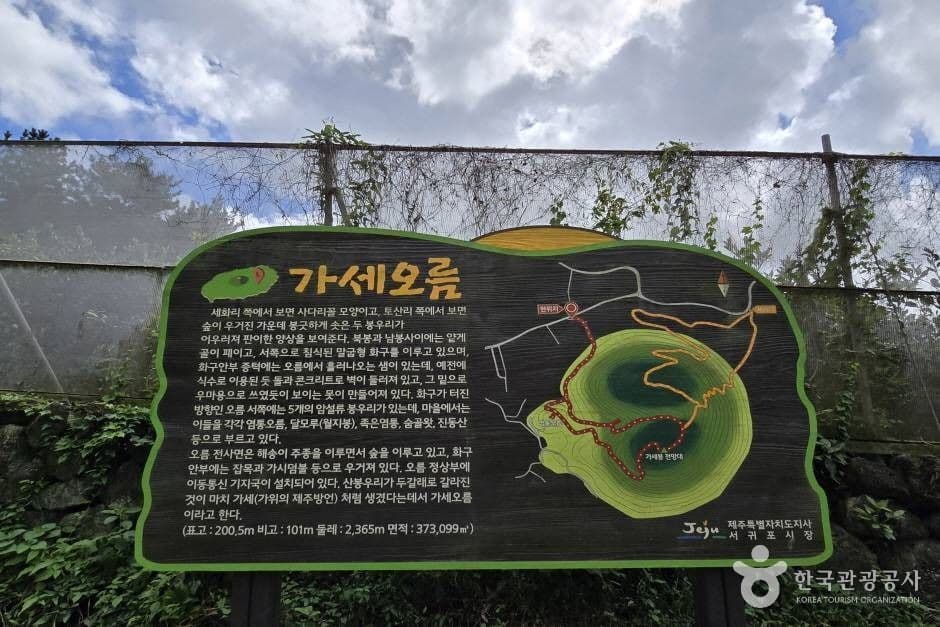
Located in Pyoseon-myeon, Gase Oreum is a horseshoe-shaped volcanic cone with a split summit. Its name, derived from the Jeju dialect word "gase" meaning "scissors," comes from its resemblance to a pair of shears. The oreum features five rocky peaks: Yeomtong Oreum, Jogeun Yeomtong, Dalmoru, Jindongsan, and Sumgolwat. However, these peaks are often hidden by dense thickets and lack formal trails, making them difficult to locate. While there are directional signs for first-time visitors, the complex terrain can easily lead to getting lost. Due to the risk of scratches from thorny bushes, wearing long pants is highly recommended. A mobile base station sits on the northern peak, while a guard post stands atop the southern peak, serving as easy landmarks for navigation. Once you reach the summit and climb to the guard post, you can enjoy a breathtaking panoramic view of the cluster of oreums in Gasi-ri.
 Nature120 min
Gasiri Guksanhwa Wind Farm
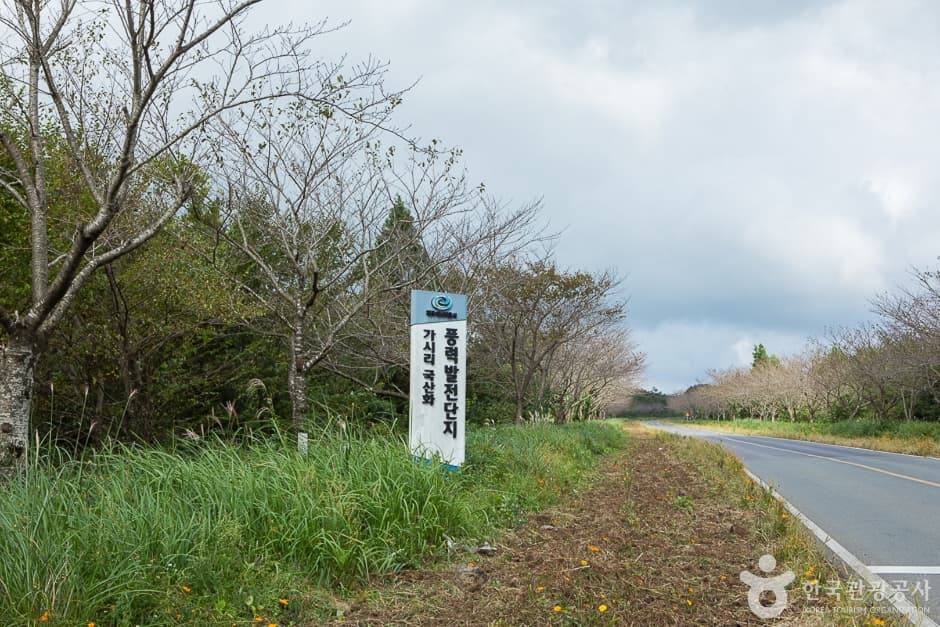
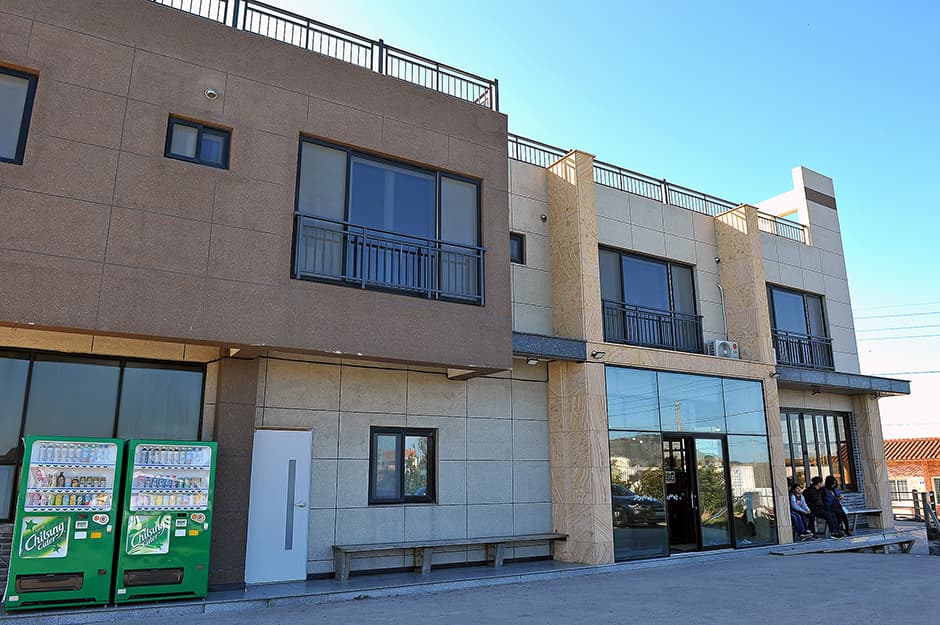
Located in Gasiri, Pyoseon-myeon—an untouched corner of southeastern Seogwipo—this wind farm marks a transformative milestone for the village since its selection in 2009 as Korea's first community-participatory wind power project. Set within the vast plains of the Gasiri Common Pasture, the site is surrounded by stunning canola flower fields. It is situated near the famous Noksan-ro road, a premier driving route known for its breathtaking collaboration of yellow canola blossoms and cherry blossoms in spring. In the autumn evenings, the fields transform into an exotic spectacle where shimmering silver grass dances alongside the rhythmic rotation of massive wind turbines. Visitors can enjoy picturesque scenes of Jeju ponies and cattle grazing peacefully against a backdrop of towering turbines, Hallasan Mountain, and traditional stone walls. To the left of the entrance, a path leads to the Canola Flower Plaza, where you can enjoy a cup of tea at a local cafe. The view from the cafe stairs offers a charming, pastoral landscape, with even more vibrant canola fields stretching out behind the building.
 Nature120 min
Gasia Bang Guksu
Located in Seongsan-eup, Gasia Bang Guksu is a popular local restaurant specializing in Gogi-guksu (meat noodles), a signature Jeju specialty. The signature meat noodles feature a rich, savory broth paired with tender yellow noodles and flavorful Dombe-gogi (boiled pork) toppings. Other popular choices include spicy mixed noodles (Bibim-guksu) and anchovy noodles, both known for their unique umami flavors. For those wanting to try a bit of everything, the set menu offers a great value, allowing you to enjoy both noodles and a portion of Dombe-gogi in one meal.
 Nature120 min
Gasi-eomeong Gimbap
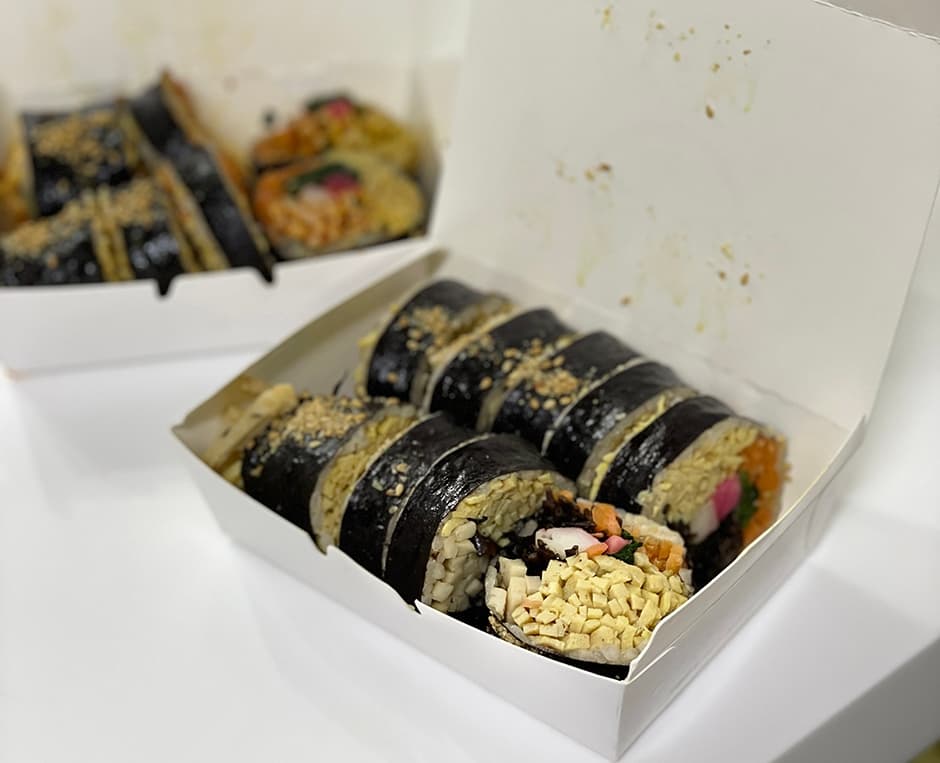
Located in Nohyeong-dong, Jeju City, Gasi-eomeong Gimbap is a popular snack bar perfectly situated in the city center just 10 minutes from Jeju International Airport—making it an ideal spot for a meal before or after your flight. The name "Gasi-eomeong" means "mother-in-law" in the Jeju dialect. Originally gaining fame for its signature gimbap featuring Jeju hijiki (tot), this original branch has grown into a nationwide chain. The restaurant uses fresh, locally grown Jeju ingredients, with signature items including Gasi-eomeong Gimbap and Gimbap Lunch Boxes, as well as popular choices like Chungmu-gimbap and Hanwoo (Korean beef) Rice Cake Soup. Many travelers choose to grab these gimbap to go for a convenient meal on the road. Opening early at 7:00 AM, it is also an excellent option for breakfast. Nearby attractions worth visiting include Iho Tewoo Beach and Naedo Aljakji Beach.