Explore Jeju

Find 6,600+ places by area, type and mood.

498 places

Jinville Field RoadNature

East120 min

Jinville Field Road

Located in Woljeong-ri, Gujwa-eup, Jinville Field Road is a scenic walking path created as part of a rural sixth-industry development project that celebrates Jeju's traditional stone walls. This area is considered a core section of the island's stone walls, where the density and unique characteristics of the structures are most striking. As part of the Jeju stone walls, which were designated as a Globally Important Agricultural Heritage System by the FAO in 2014, Jinville Field Road offers a beautiful way to immerse yourself in Jeju's distinctive rural landscape and traditional farming culture while strolling along paths harmoniously woven into nature.

MadoleineNature

East120 min

Madoleine

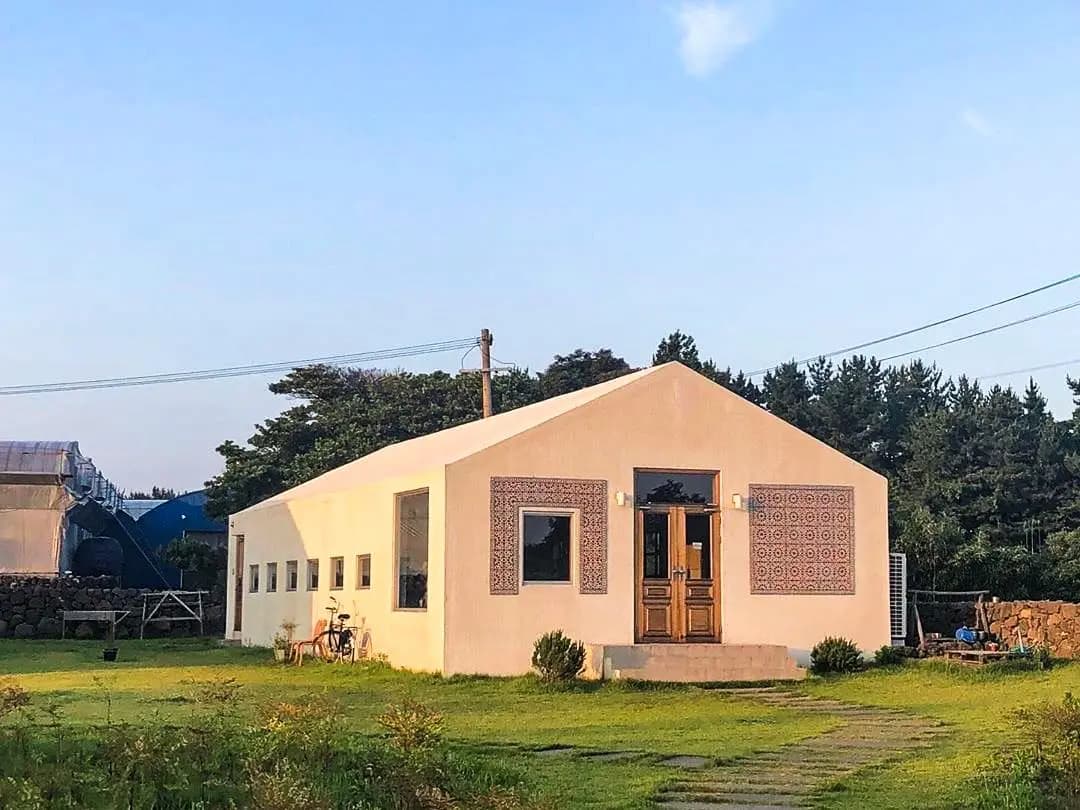
Located in Woljeong-ri, Gujwa-eup, Jeju, Madoleine is a specialty macaron shop set in a beautifully renovated stone warehouse. The space features expansive floor-to-ceiling windows that offer breathtaking, unobstructed views of the ocean. Madoleine is famous for its signature macarons, which boast a unique visual design inspired by Jeju's basalt rocks, and its packaging beautifully captures the essence of Jeju's natural beauty. With a diverse range of flavors including garlic, brown butter, and green tea, these treats are incredibly popular as unique and delightful souvenirs.

Hanmosal (Pyoseonbaeksa Beach)Nature

East120 min

Hanmosal (Pyoseonbaeksa Beach)

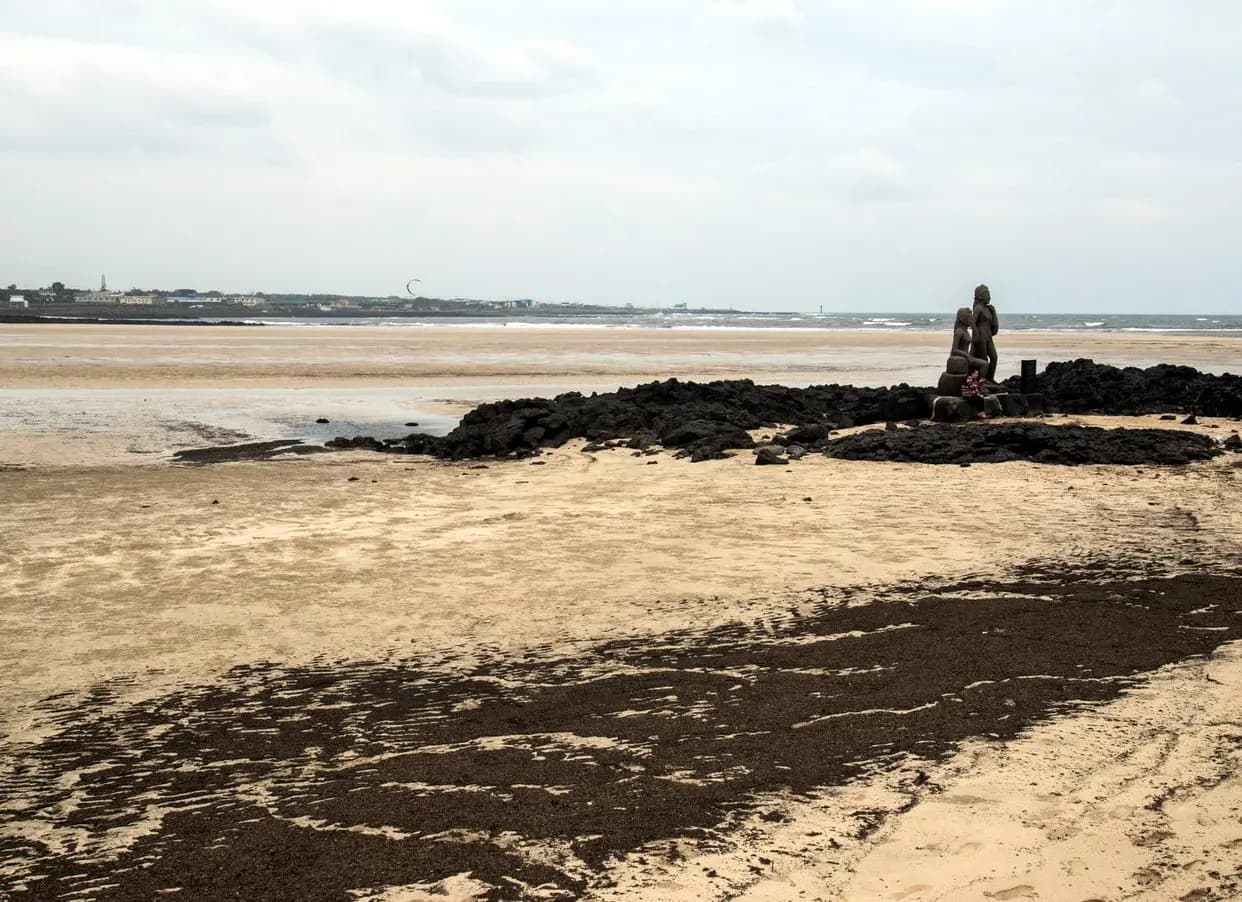
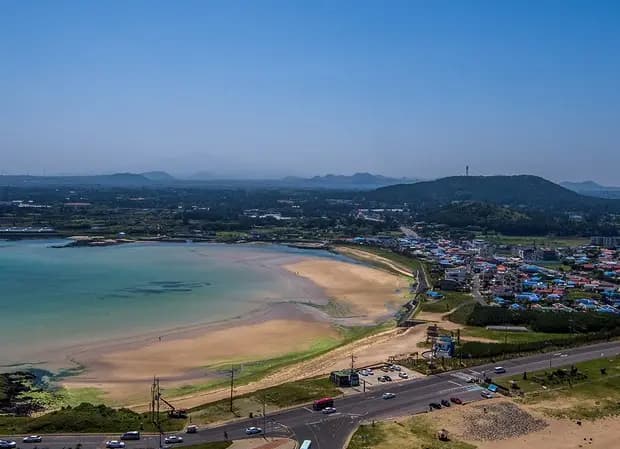
Hanmosal (Pyoseonbaeksa Beach) derives its name from the Jeju dialect word "Han," meaning a vast and expansive sandy field, and refers to the wide stretch of coastline located to the west of Pyoseon Beach. This site holds a profound and somber history, as it was a place where residents from Pyoseon-myeon and Namwon-myeon were brought during the Jeju April 3 Incident, where massacres were tragically commonplace. In particular, three large-scale massacres occurred here between December 1948 and February 1949. Today, while the Pyoseon Folk Village and Pyoseon-myeon Library stand nearby, only the open space at the entrance of the library remains as a silent witness to the large-scale tragedies that once took place.

Samdal GardenNature

East120 min

Samdal Garden

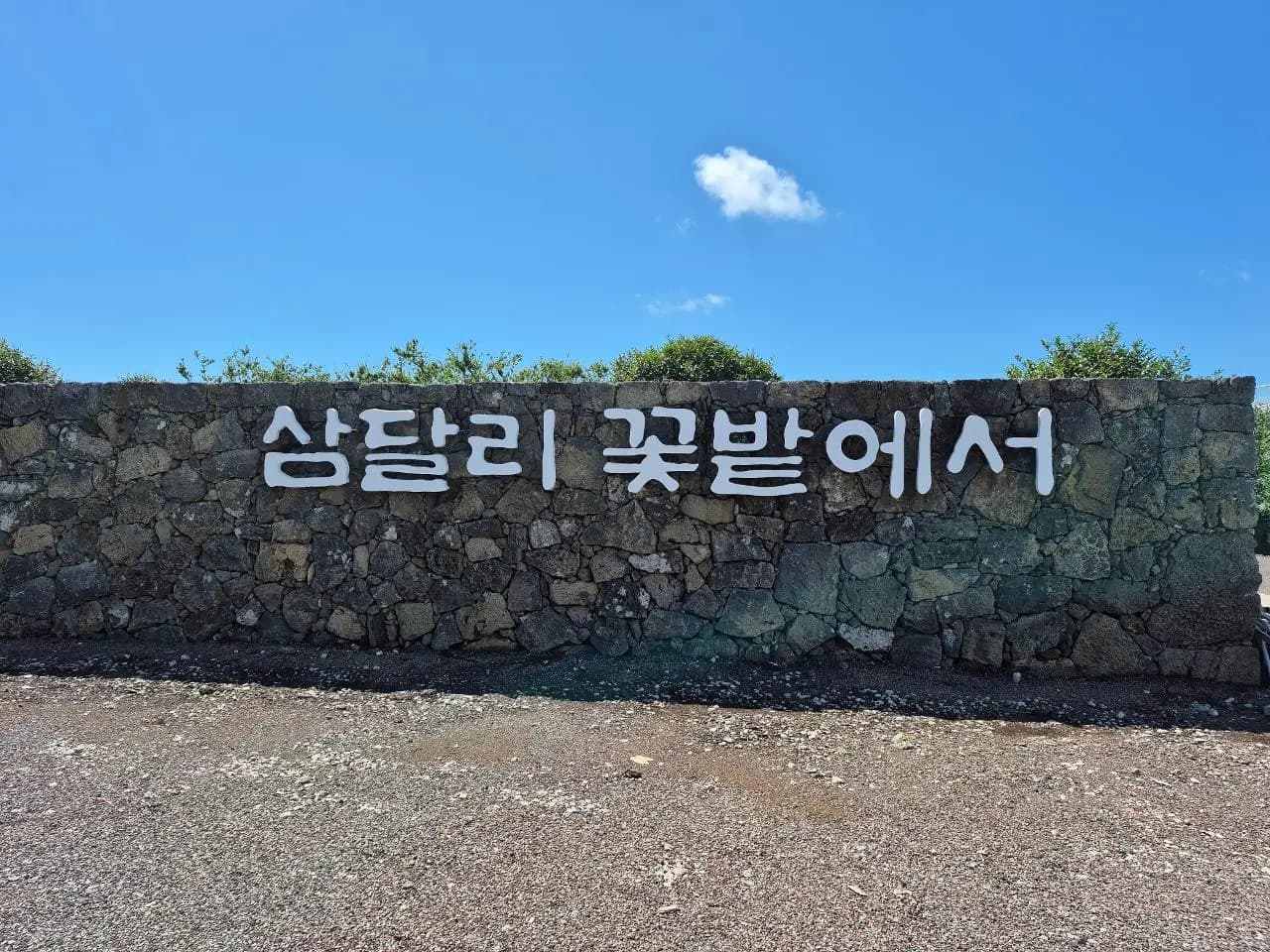
Located in Samdal-ri, Seongsan-eup, Seogwipo-si—the filming location for the popular dramas *Welcome to Samdal-ri* and *Our Blues*—Samdal Garden is a private camellia garden of breathtaking beauty. Spanning approximately 33,000 square meters, this enchanting estate features a blend of palm tree paths, olive tree walkways, and a charming cafe, creating a uniquely exotic atmosphere. It is especially renowned as a premier destination to witness the stunning bloom of miniature camellias, which reach their peak splendor in February.

Daewangsan Volcanic Cone (Wanmoe, Wangme, Wangmi)Nature

East120 min

Daewangsan Volcanic Cone (Wanmoe, Wangme, Wangmi)

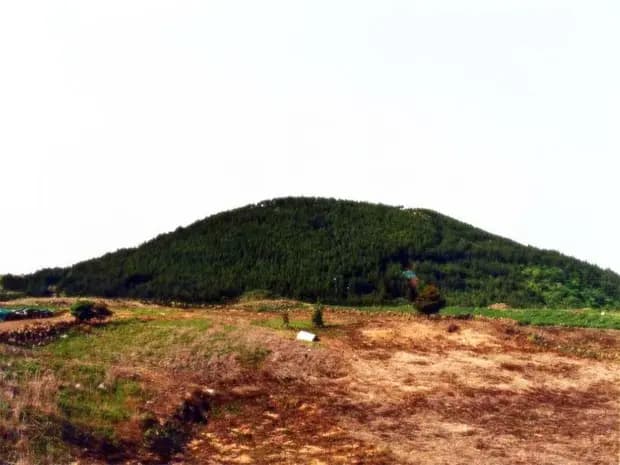
Located in Susan-ri, Seongsan-eup, Seogwipo-si, Jeju, Daewangsan Volcanic Cone (Wanmoe, Wangme, Wangmi) is a captivating oreum steeped in local legend. According to folklore, an ancient geomancer once observed that the surrounding landscape possessed the auspicious shape of the Chinese character for 'King' (王), with its vital energy flowing directly from this peak. Another local legend suggests that the very silhouette of Daewangsan Volcanic Cone (Wanmoe, Wangme, Wangmi) was intentionally shaped like the character 'King' to honor this mystical connection.