2025 — 2026 Season
Jeju Now
6,000+ official Visit Jeju listings — browse by north, east, south, west or category, or explore themed picks below.
CuratedSections.region_west · Nature
 Nature120 min
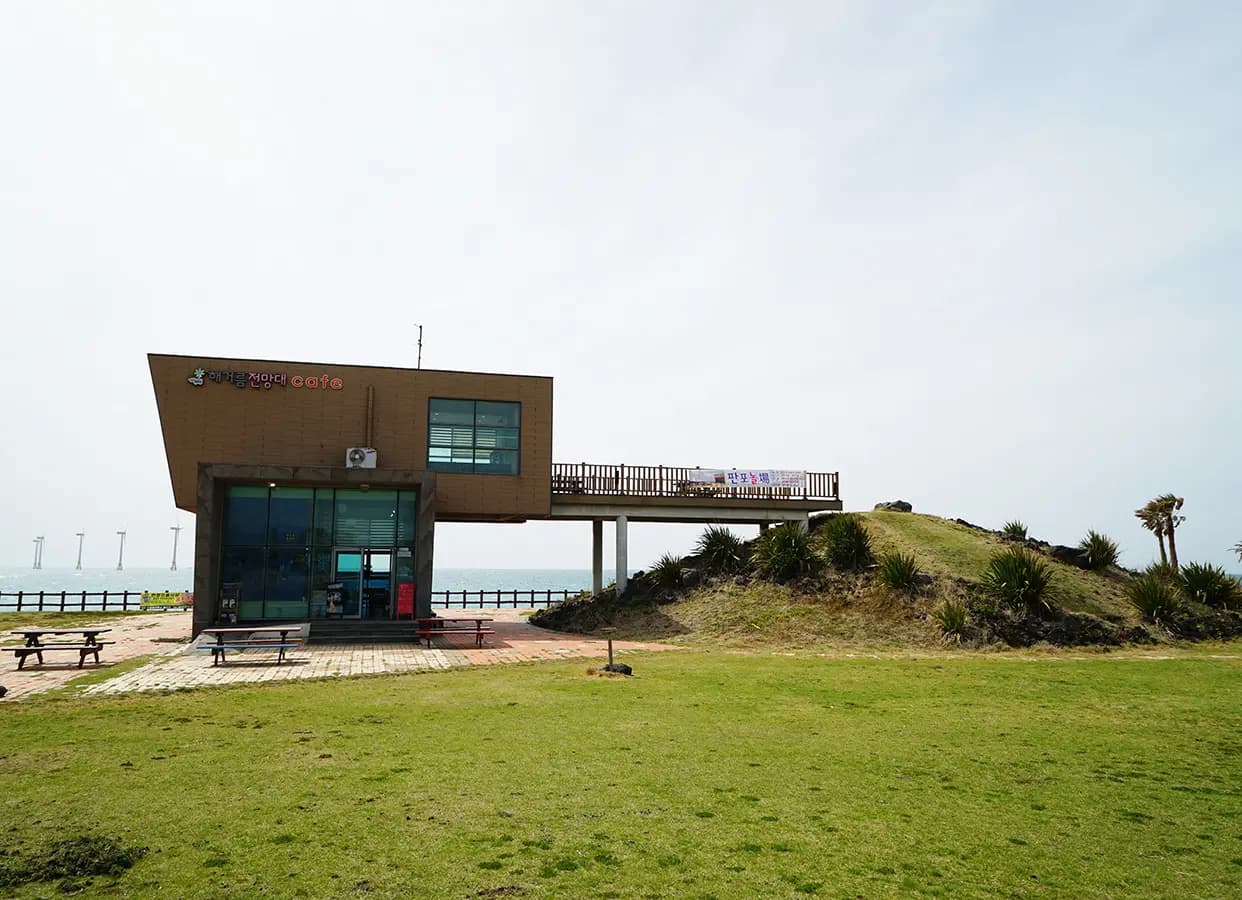
Haegereum Observatory
End the day at Haegereum Observatory
 Nature120 min
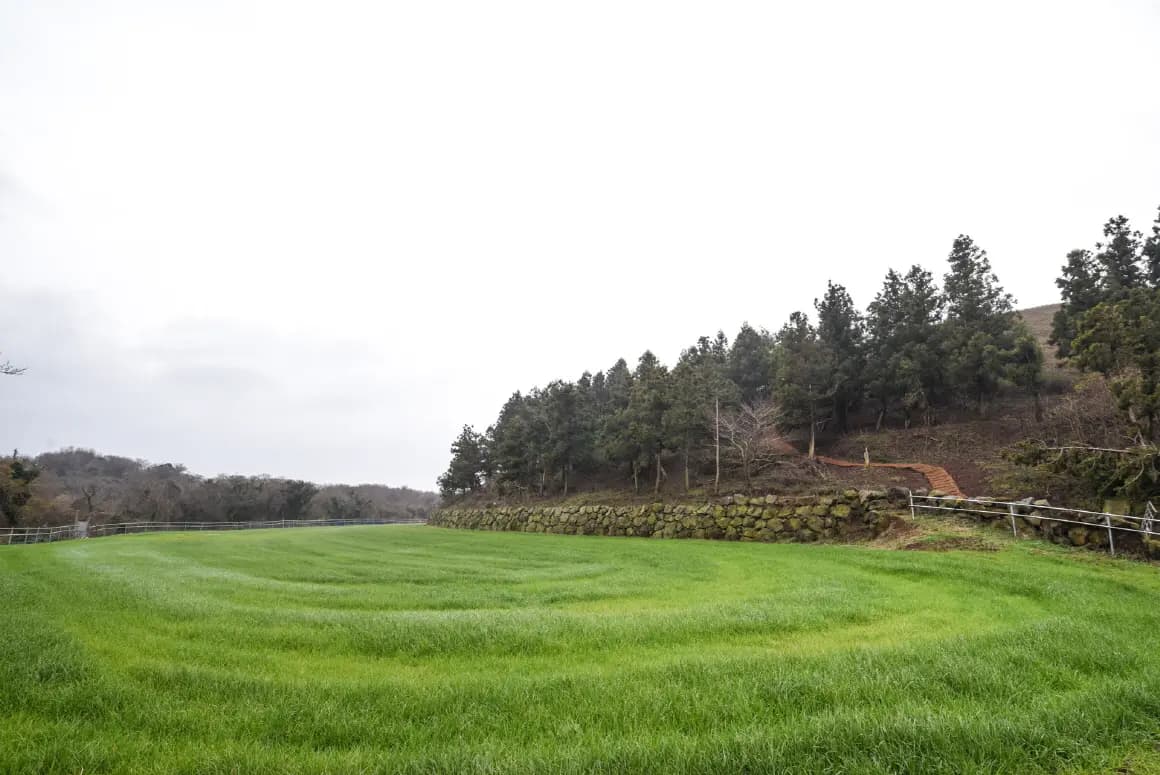
Jeju Olle Course 14-1
Located Between the Artists' Village in Jeoji and Inhang-dong Bus Stop
 Nature120 min
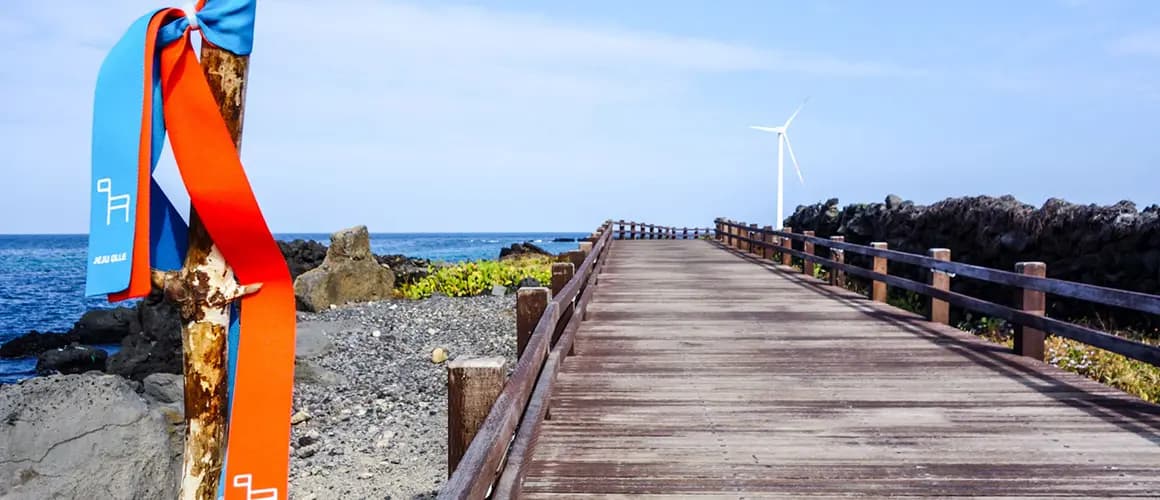
Jeju Olle Course 14
Located Between the Artists' Village in Jeoji and Hallim Port
 Nature120 min
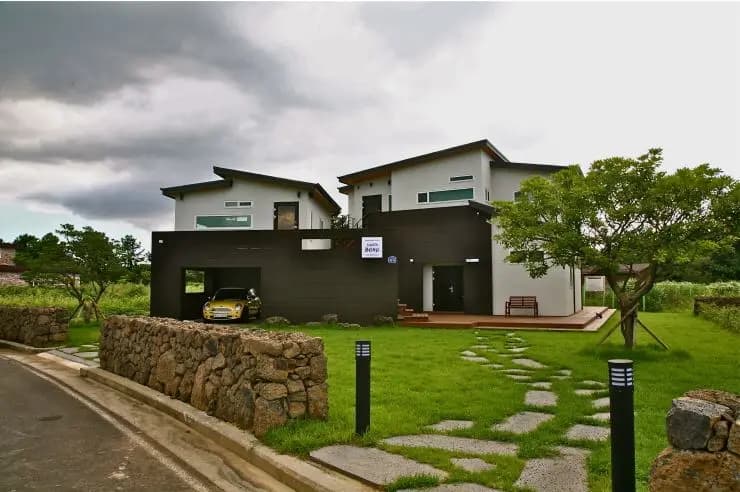
UncleBORO Guest House
A Quiet, Laid-back Guest House
 Nature120 min
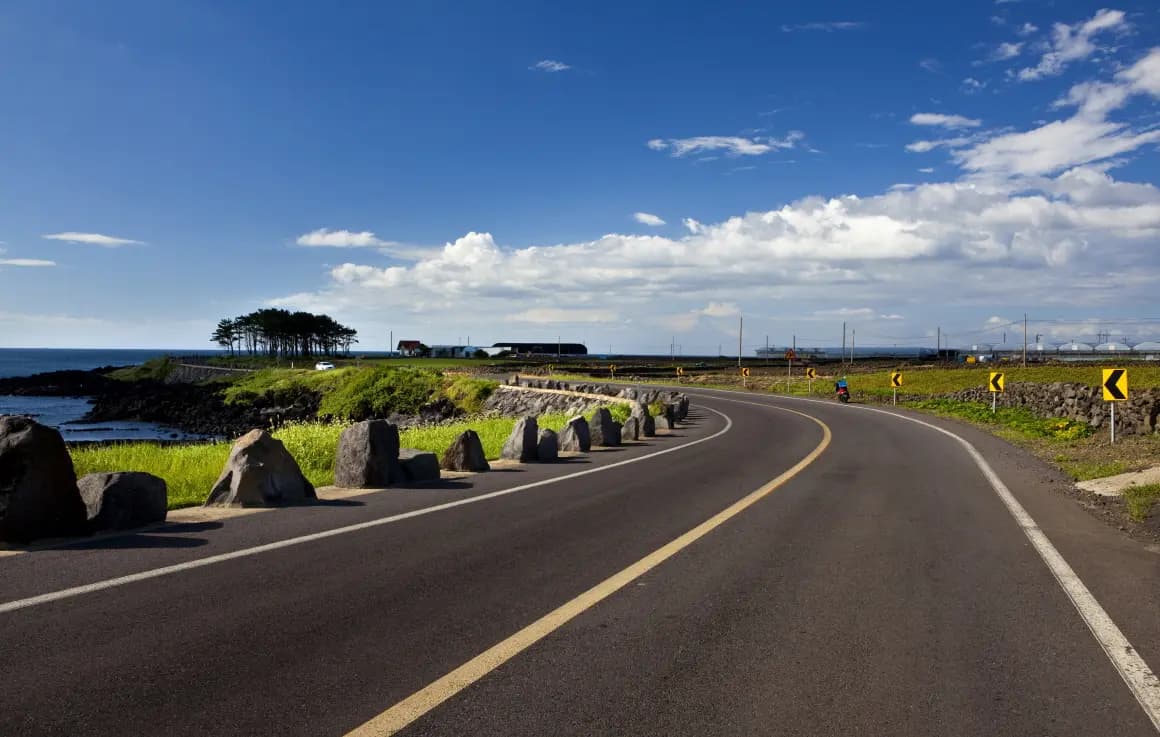
Hallim Coastal Road
A coastal road where you can drive leisurely from Gwideok Gwemuldongsan, past Biyangdo, to Ongpo Intersection
 Nature120 min
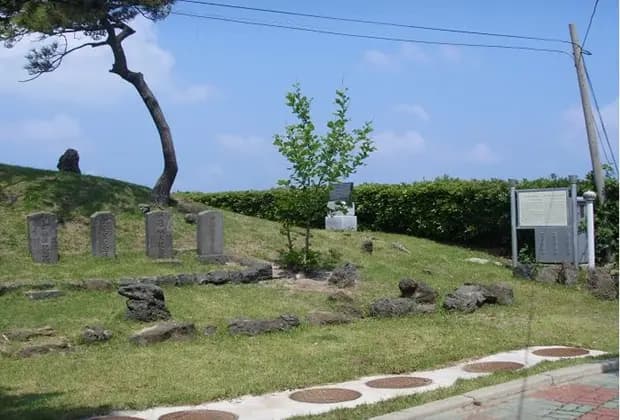
Gwideok Signaling Site
North of Gwideok Elementary School
 Nature120 min
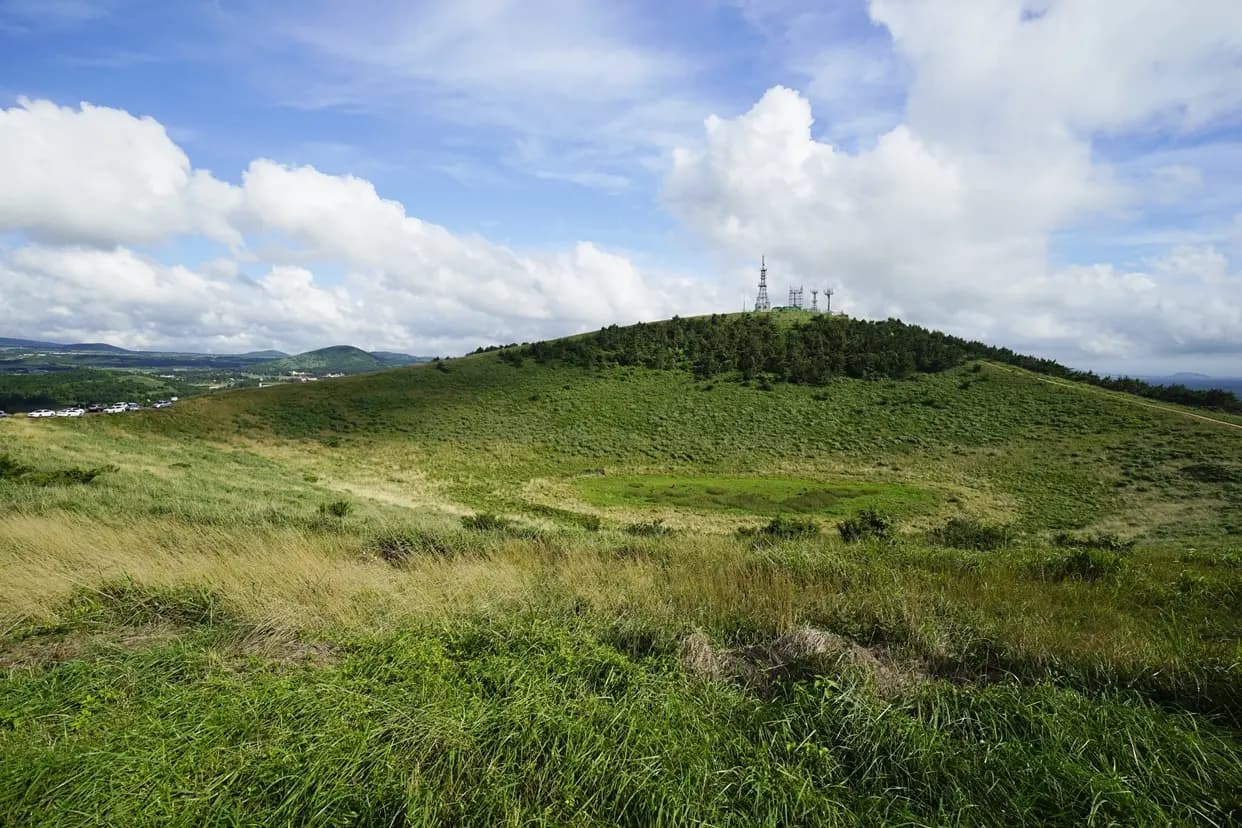
Geum (Geumak) Oreum Volcanic Cone and Wangmae Crater Lake
Geum Oreum Volcanic Cone, the perfect spot for a light hike
 Nature120 min
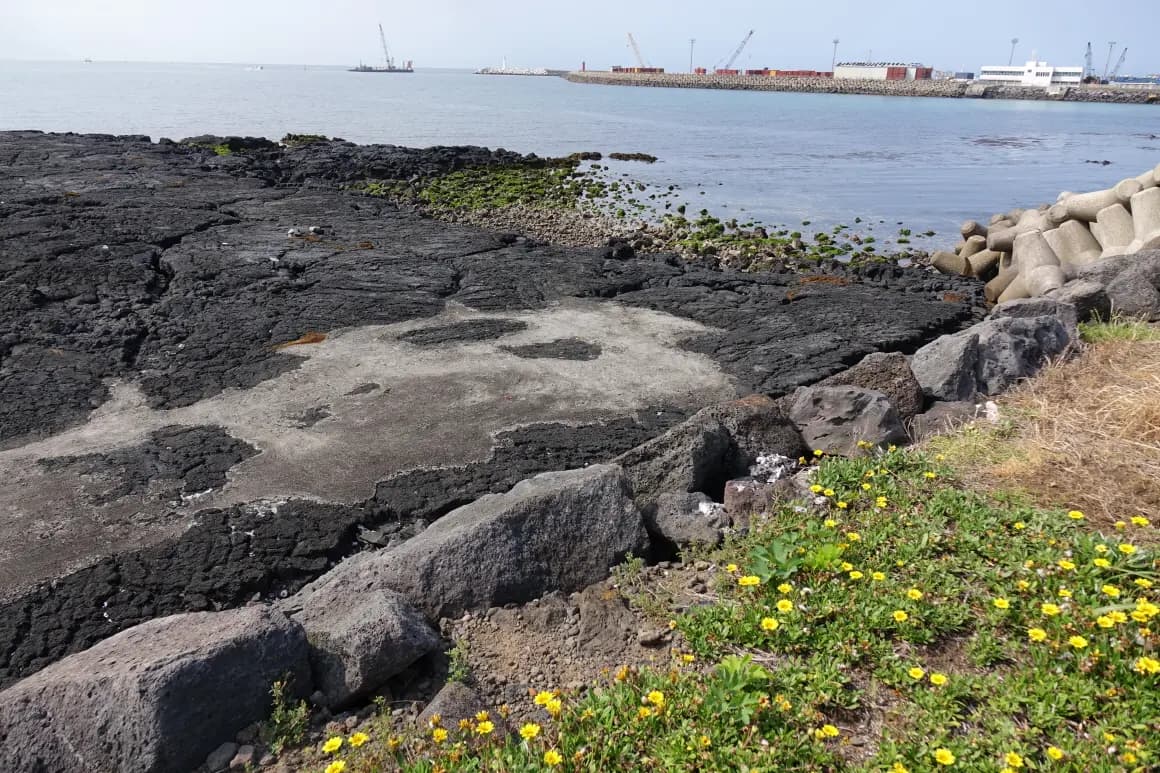
Jeju Olle Course 15
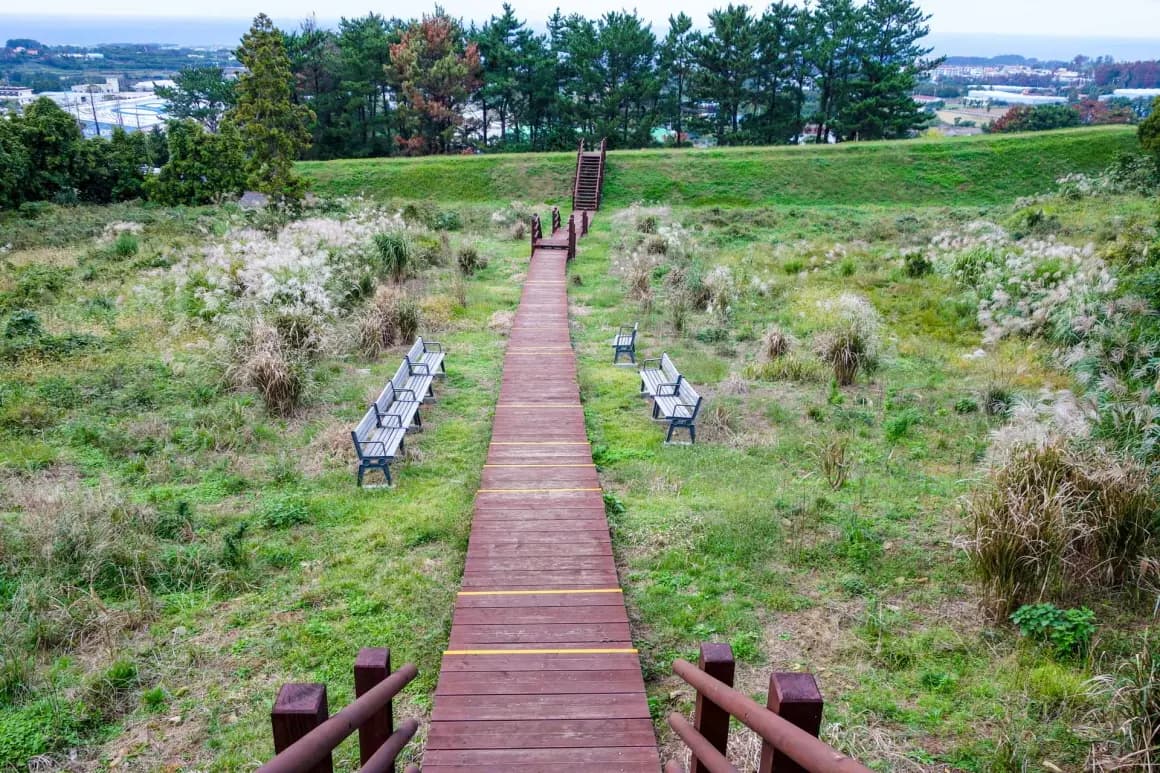
Spanning approximately 9.4 km from Hallim Port to Gonae Port, Jeju Olle Course 15 is a gentle walking route with minimal incline, making it an ideal choice for beginners and casual hikers alike. The journey begins with a scenic coastal stroll before transitioning into charming village paths at the Suwon-ri junction, where travelers can wander through lush warm-temperate forests, mid-mountain field paths, and rustic earthen trails. Along the way, Jeju Olle Course 15 offers breathtaking views of nature and traditional village landscapes as it passes through landmarks such as Seonunjeongsa Temple, the trails around Gwaoreum, and the historic Seongrodong area in Gwideok-ri.
 Nature120 min
Jeju Olle Course 16
Located Between Gonae Port and Gwangryeong 1-ri
 Nature120 min
Biyang Lighthouse
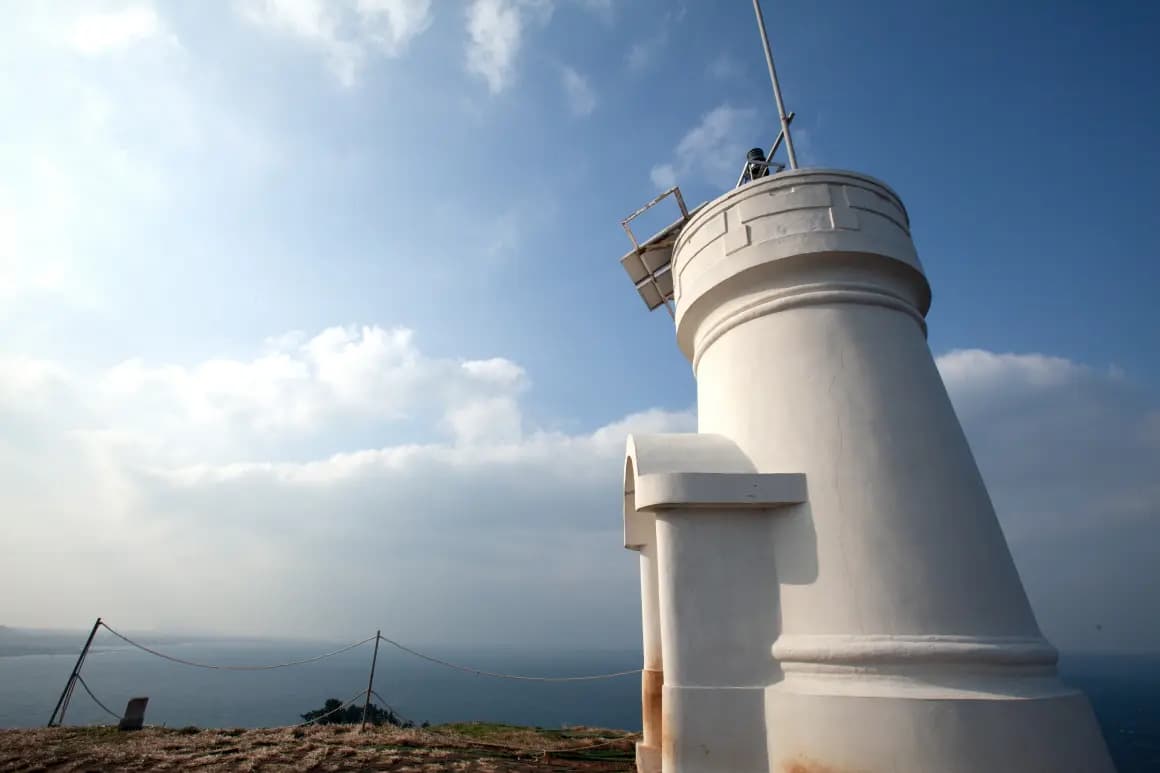
Located at the summit of Biyang Oreum, Biyangdo Lighthouse is an unmanned lighthouse that serves as a vital navigational marker for vessels traveling between Hallim Port and Biyangdo, as well as ships approaching Hallim Port from the mainland. It holds a crucial position for vessels navigating the waters off the northeastern coast of Jeju Island.
 Nature120 min
Gwakji Beach Campground
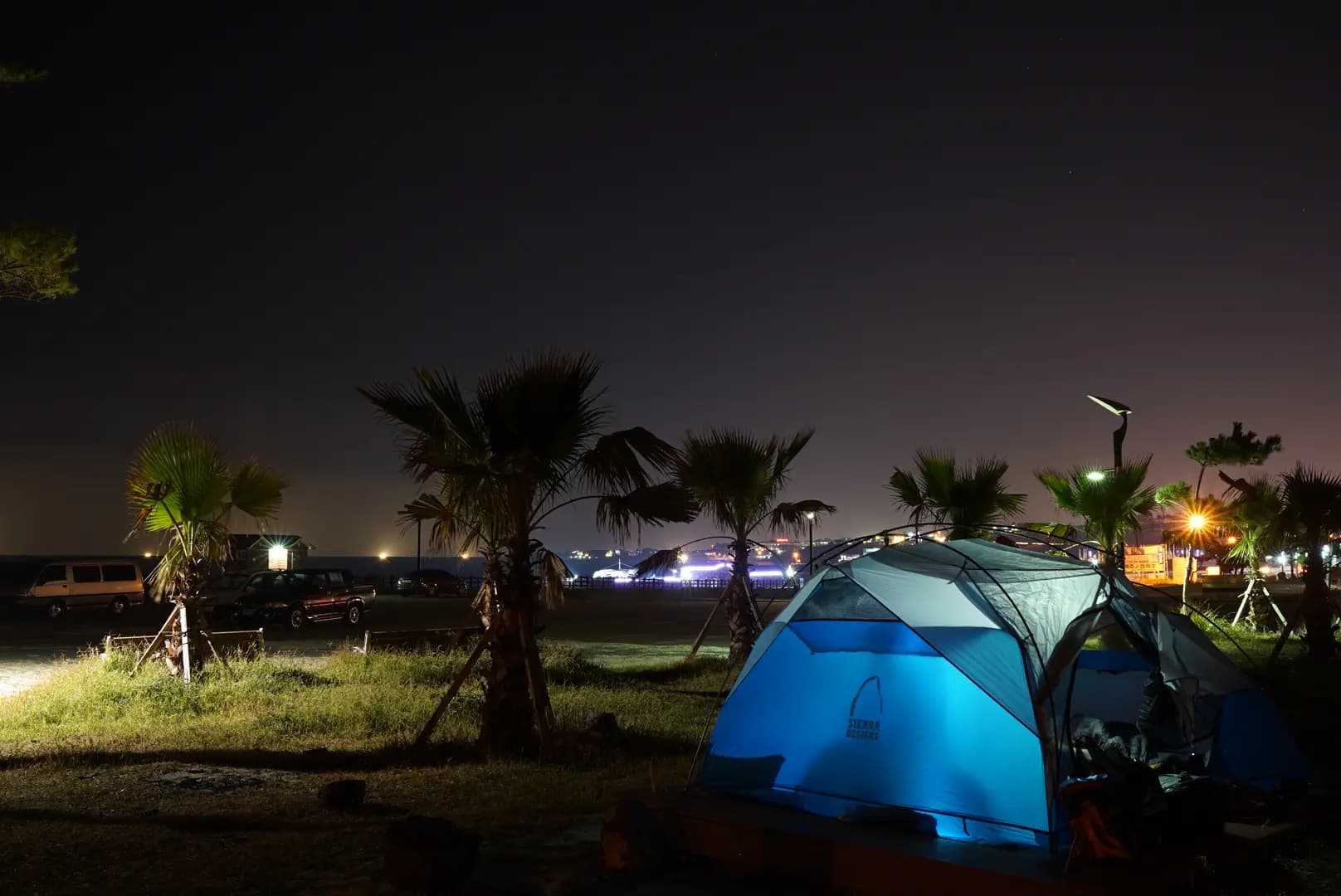
Campsite located at Gwakji Beach
 Nature120 min
Hyeopjae Su Udong Hyeopjae Branch
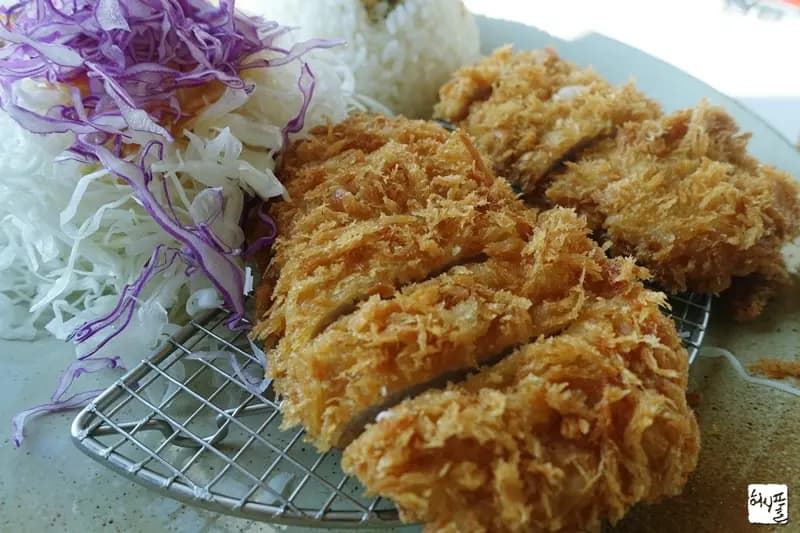
A restaurant specializing in udon and pork cutlets with views of the Hyeopjae sea.