2025 — 2026 Season
Jeju Now
6,000+ official Visit Jeju listings — browse by north, east, south, west or category, or explore themed picks below.
CuratedSections.region_east · Nature
 Nature120 min
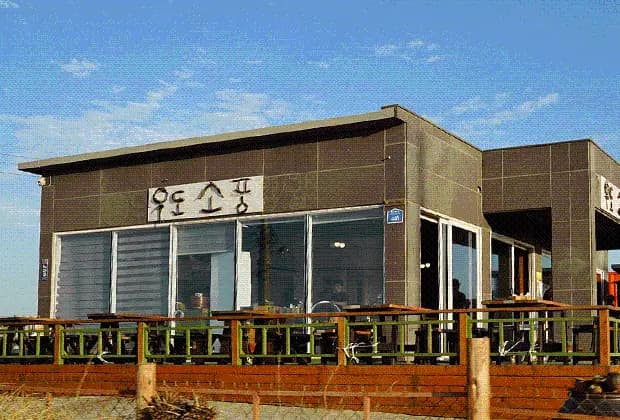
Udo Areumdaun Sopung (Beautiful Picnic)
Halla Mountain fried rice, seafood jjamppong, and abalone steak are famous.
 Nature120 min
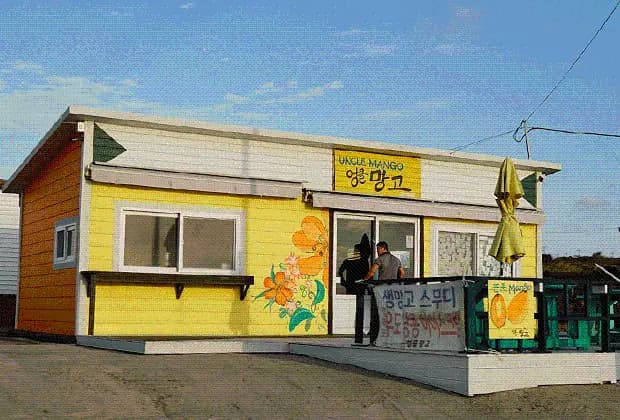
Uncle Mango
Located near Haumokdong Port on Udo Island, Jeju, Uncle Mango specializes in fresh, never frozen, mango treats. Every smoothie, juice, and ice cream is prepared using real mangoes, freshly sliced only upon order. In addition to these sweet delights, the menu features savory seafood dishes such as seafood ramen and seafood pajeon. With its stunning views directly overlooking the harbor, Uncle Mango is the perfect spot to indulge in delicious mango desserts while soaking in the coastal scenery.
 Nature120 min
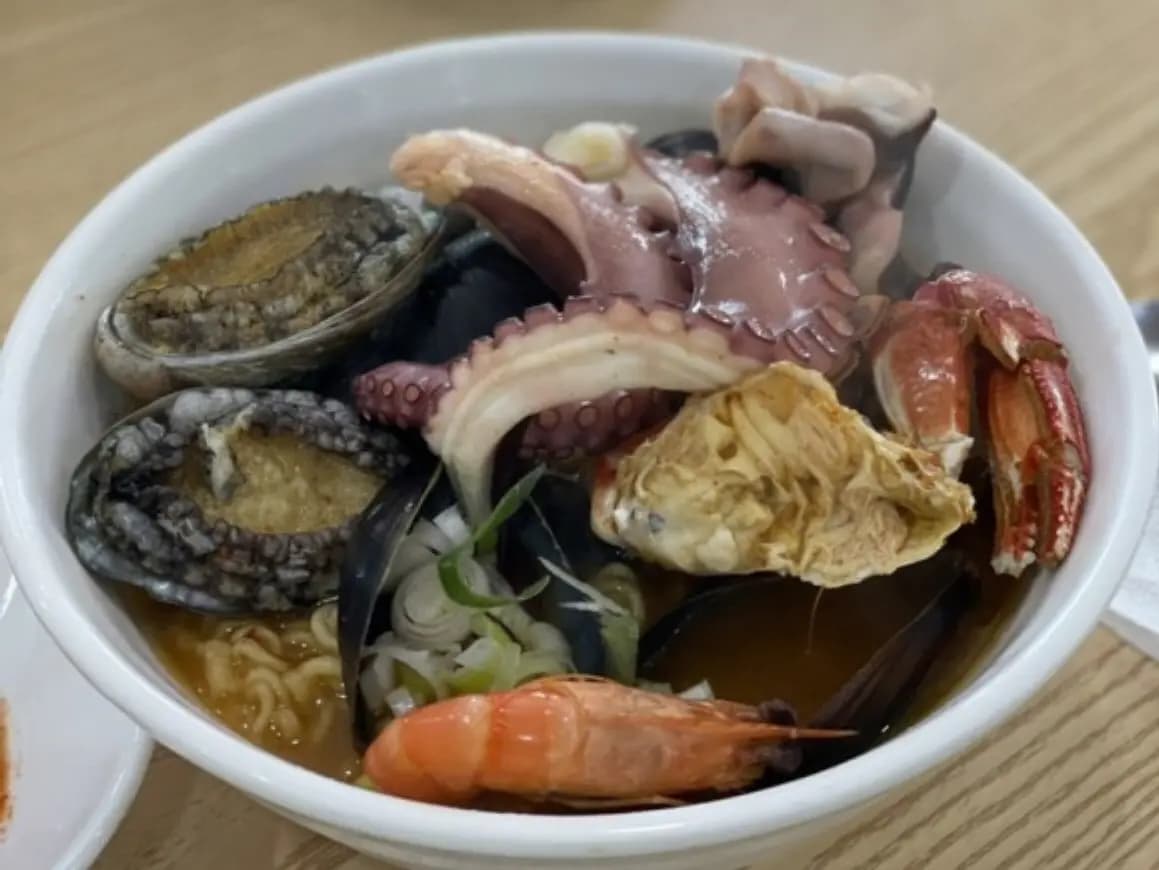
Udo Story
Udo Story is a versatile multi-purpose space featuring a restaurant on the first floor and a cozy guesthouse on the second floor. It is renowned for its fresh seafood specialties, including octopus sashimi, Jeju seafood ramen, and sea urchin bibimbap. Guests staying at the guesthouse can also enjoy exclusive benefits when dining at the restaurant on the first floor.
 Nature120 min
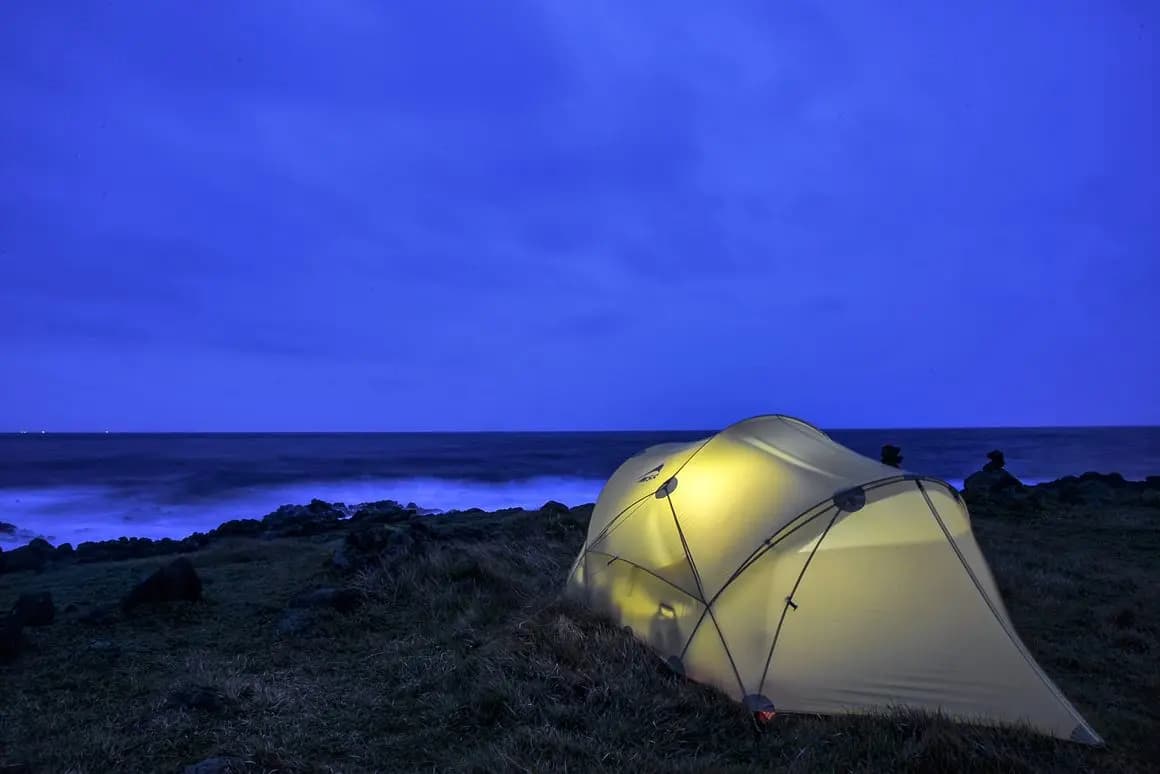
Udo Biyangdo Island
Located just a 150-meter walk from Hagosu-dong Beach on the northeastern coast of Udo, Udo Biyangdo Island is a small, charming islet featuring expansive grassy fields that make it an ideal destination for backpacking and camping enthusiasts. The island is also home to the "Wish-Fulfilling Chair," a popular photo spot where visitors gather to take pictures and make wishes, following the local legend that your dreams may come true here.
 Nature120 min
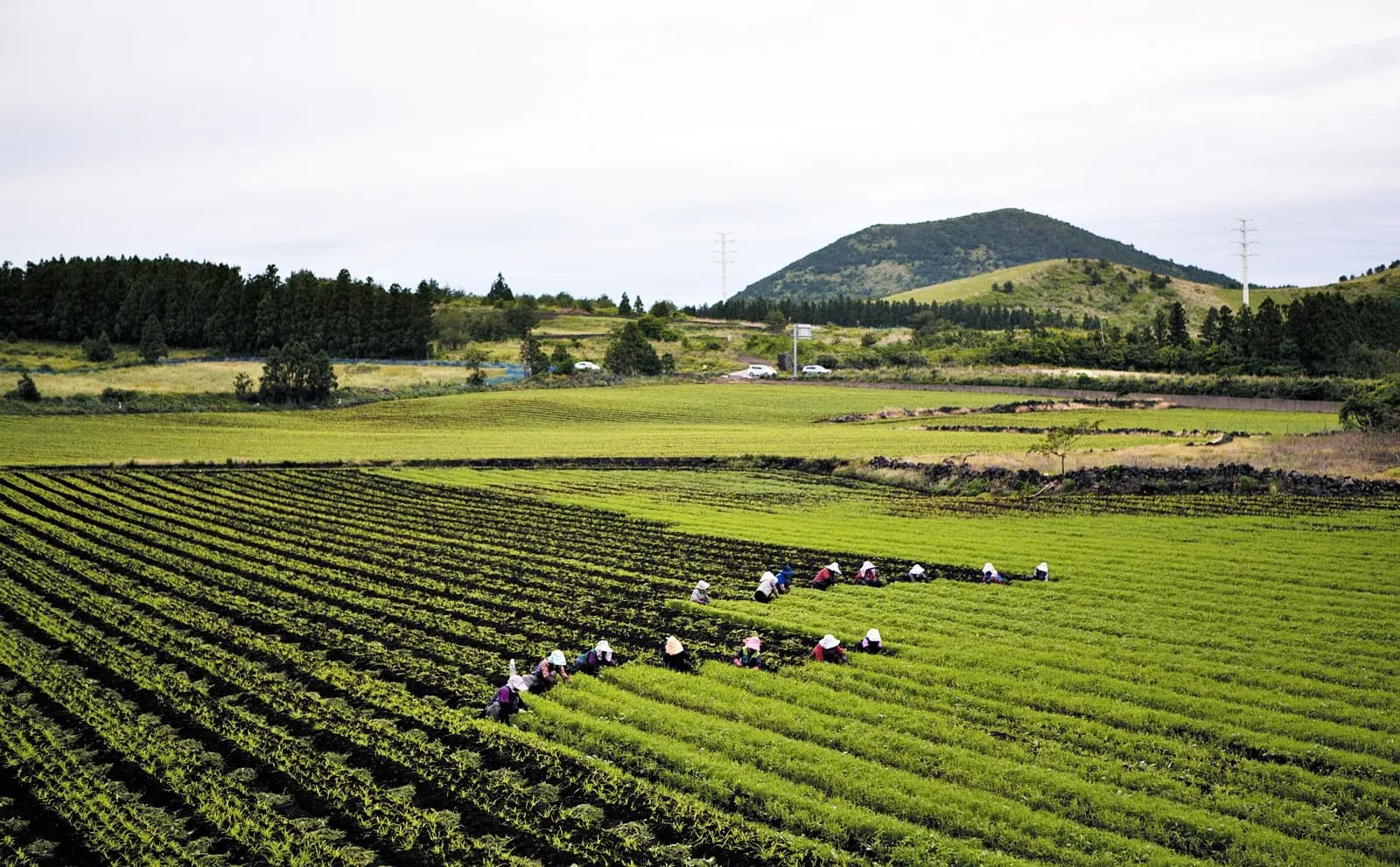
Songdang-ri
Located in Gujwa-eup on the eastern side of Jeju, Songdang-ri is a tranquil rural village boasting an old-world charm where stone walls, sprawling fields, and low-slung houses blend seamlessly together. Situated where Bijarim-ro and Jungsangandan-dong-ro intersect, Songdang-ri is home to a variety of trendy spots, including chic cafes, cozy guesthouses, and charming boutique shops. The village also holds a deep sense of history, being the setting for local traditions of making wishes tied to the myth of Geumbakjo.
 Nature120 min
Seongsan Sunrise Festival
The Seongsan Sunrise Festival is a vibrant celebration where visitors gather to welcome the first sunrise of the New Year, offering prayers for fulfilled wishes and prosperity in all endeavors. Held at Seongsan Ilchulbong—a Jeju landmark recognized as a UNESCO Triple Crown site and one of the New 7 Wonders of Nature—this festival aims to foster community harmony and revitalize the local economy.
 Nature120 min
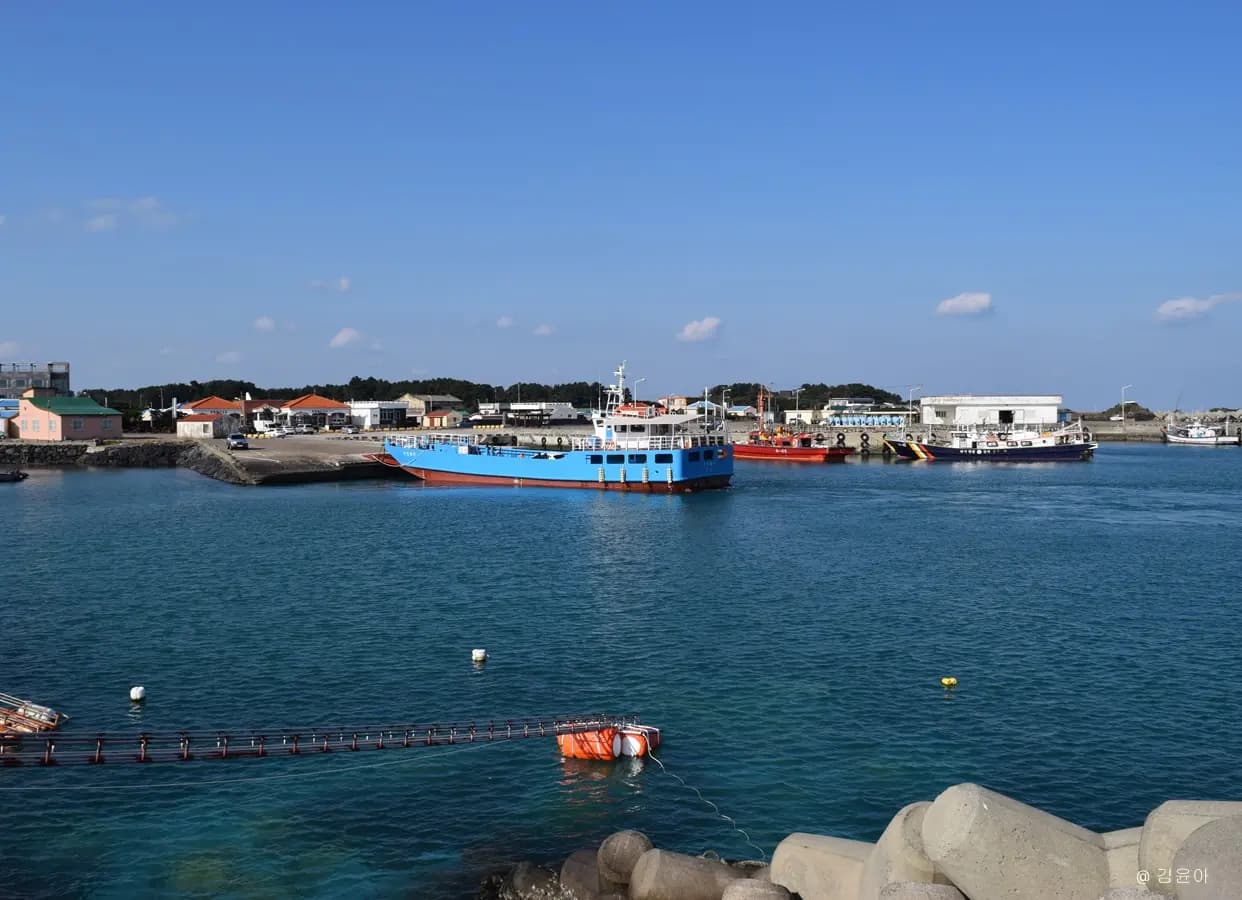
Jongdal-ri Beach
The pretty name of the village 'Jongdal-ri' means the eastern end, and Jongdal-ri beach is located in a simple and cute neighborhood.
 Nature120 min
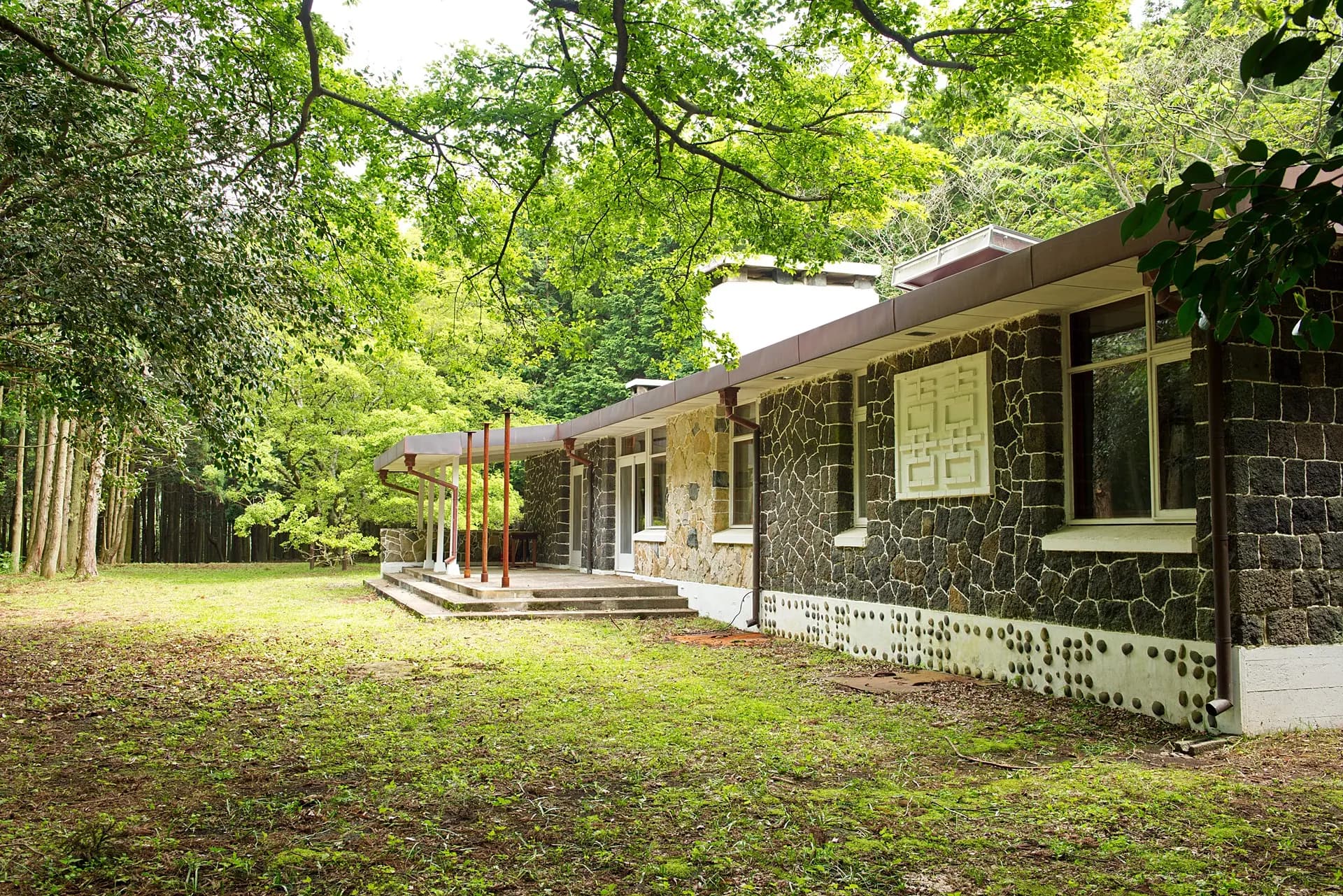
Gwibinsa
Located in the Village Where Former President Syngman Rhee had a Summer Home
 Nature120 min
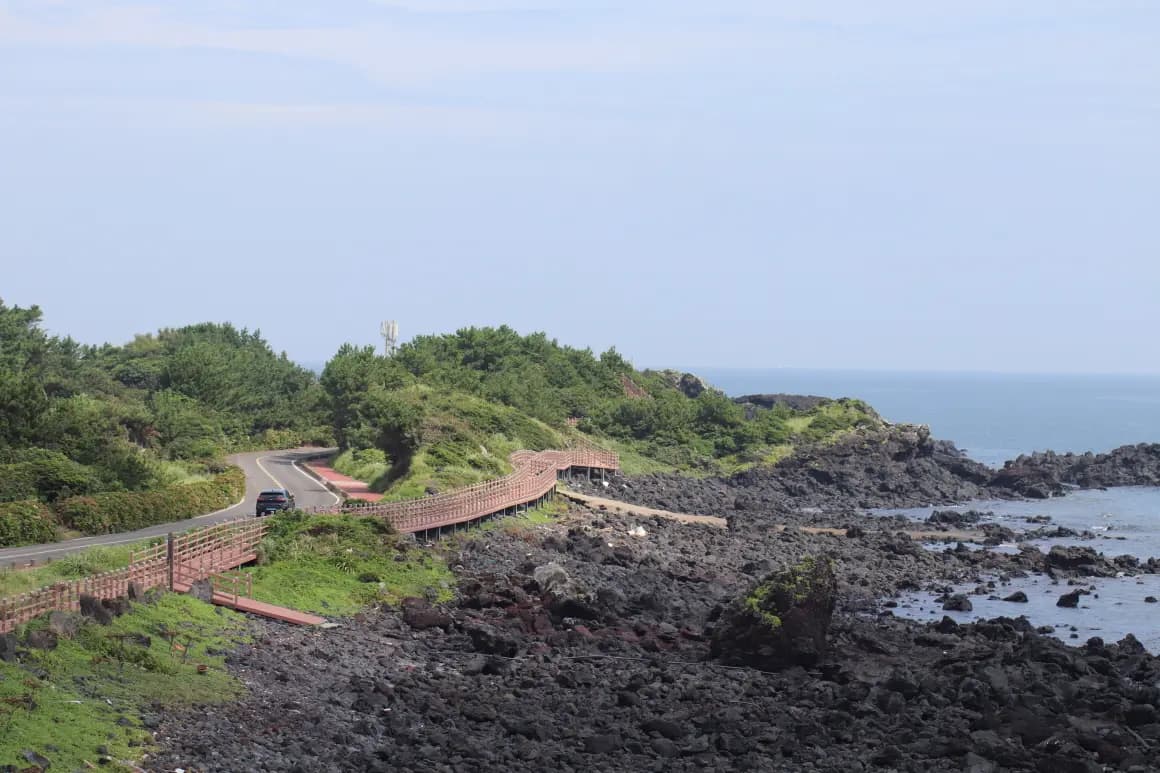
Jongdal-ri Coastal Road
Located Between Sehwa-ri, Jeju-si, and Seongsan-ri, Seogwipo-si
 Nature120 min
Myeongjin Jeonbok
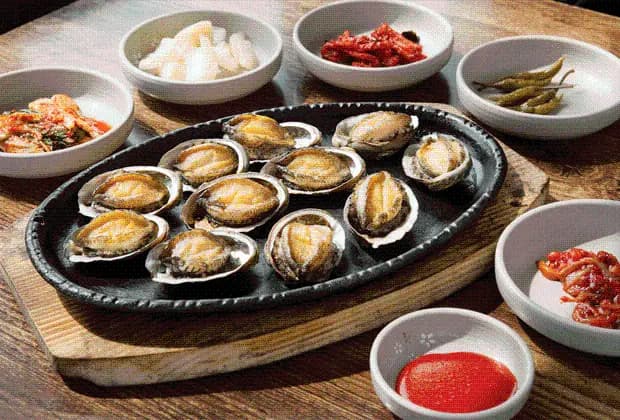
Located in Gujwa-eup, Jeju City, Myeongjin Jeonbok is a renowned specialty restaurant famous for its exquisite abalone dishes. Having been featured on the popular culinary program *Wednesday Food Talk*, it has earned a reputation for quality and flavor. The signature abalone stone pot rice is a must-try menu item, making Myeongjin Jeonbok a highly sought-after destination for travelers looking for a delicious breakfast option in eastern Jeju.
 Nature120 min
Boromwat
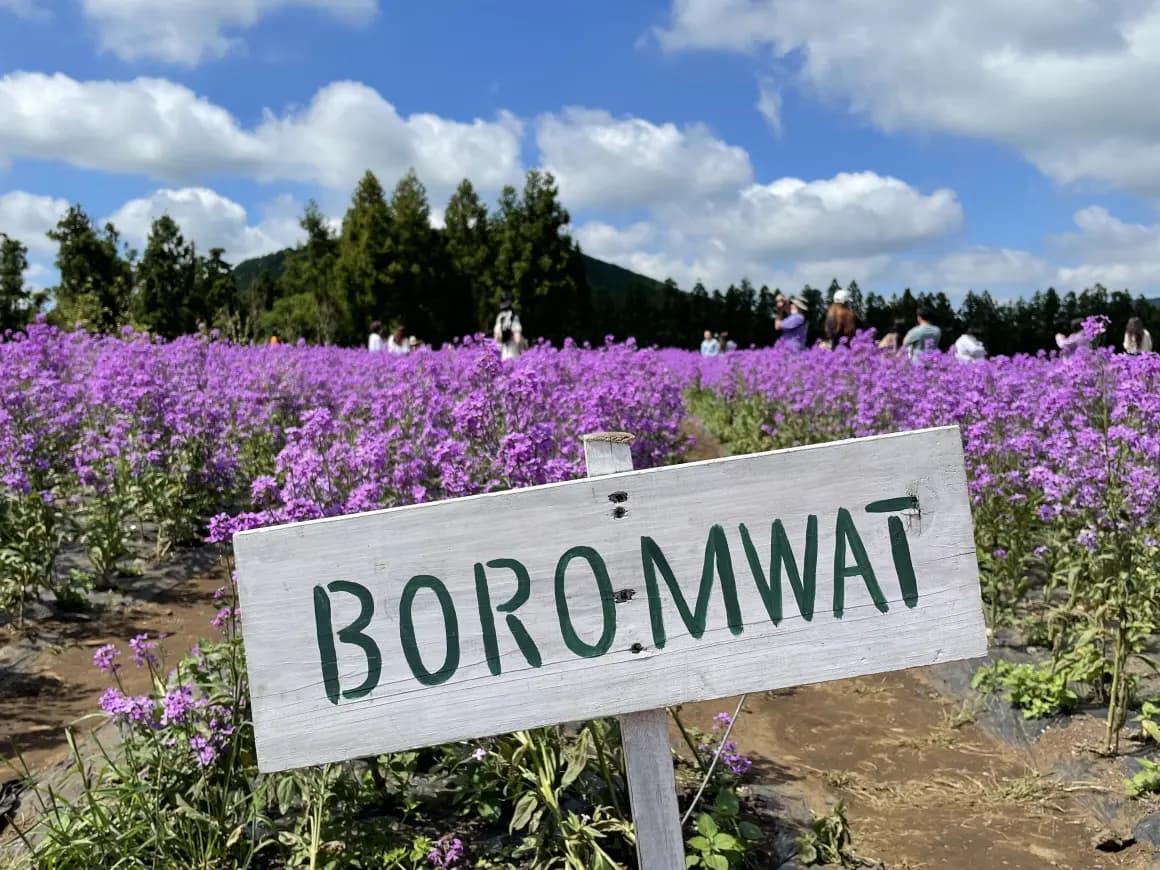
Located in Pyoseon-myeon, Seogwipo-si, Boromwat is a charming farm whose name is derived from a Jeju dialect meaning "a field where the wind blows." Throughout the four seasons, visitors can immerse themselves in vibrant landscapes featuring buckwheat flowers, hydrangeas, lavender, tulips, and lush green barley fields. Beyond the stunning blooms, you can interact with friendly farm animals such as goats, sheep, cows, and chickens. With its cozy cafe, hands-on experience programs, and onsite accommodations, Boromwat is the perfect destination to unwind and find true healing in the heart of nature.
 Nature120 min
Galbibap
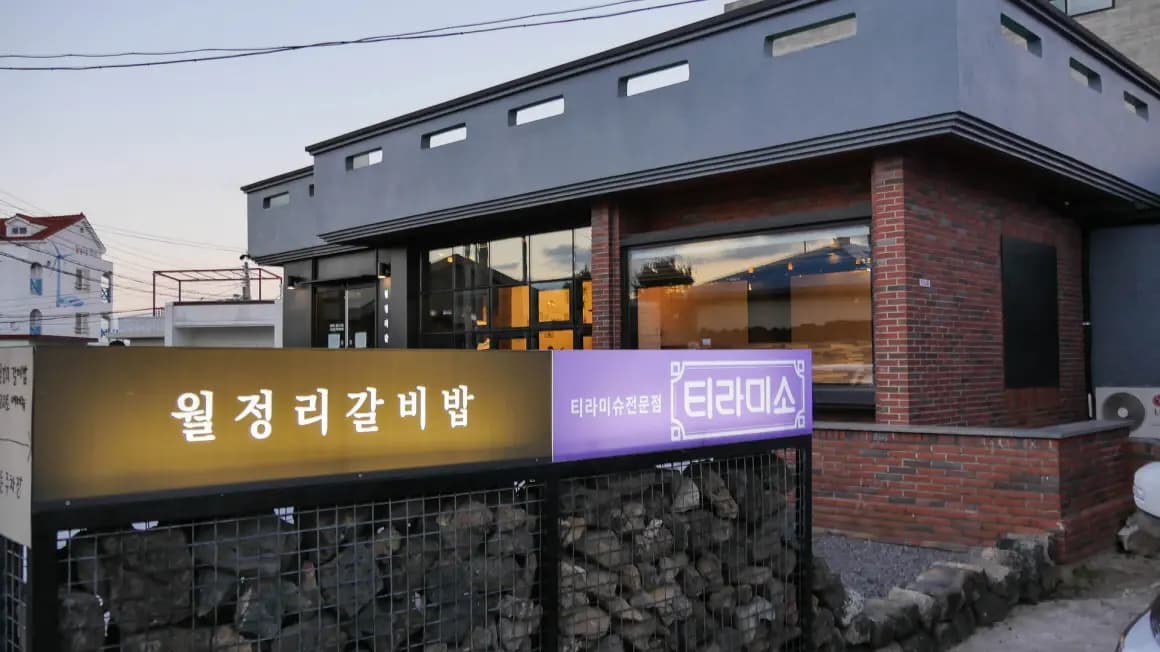
Famous Galbibap in Woljeong-ri