Explore Jeju

Find 6,600+ places by area, type and mood.

1,091 places

Dongopang Jeju Airport Main BranchNature

North120 min

Dongopang Jeju Airport Main Branch

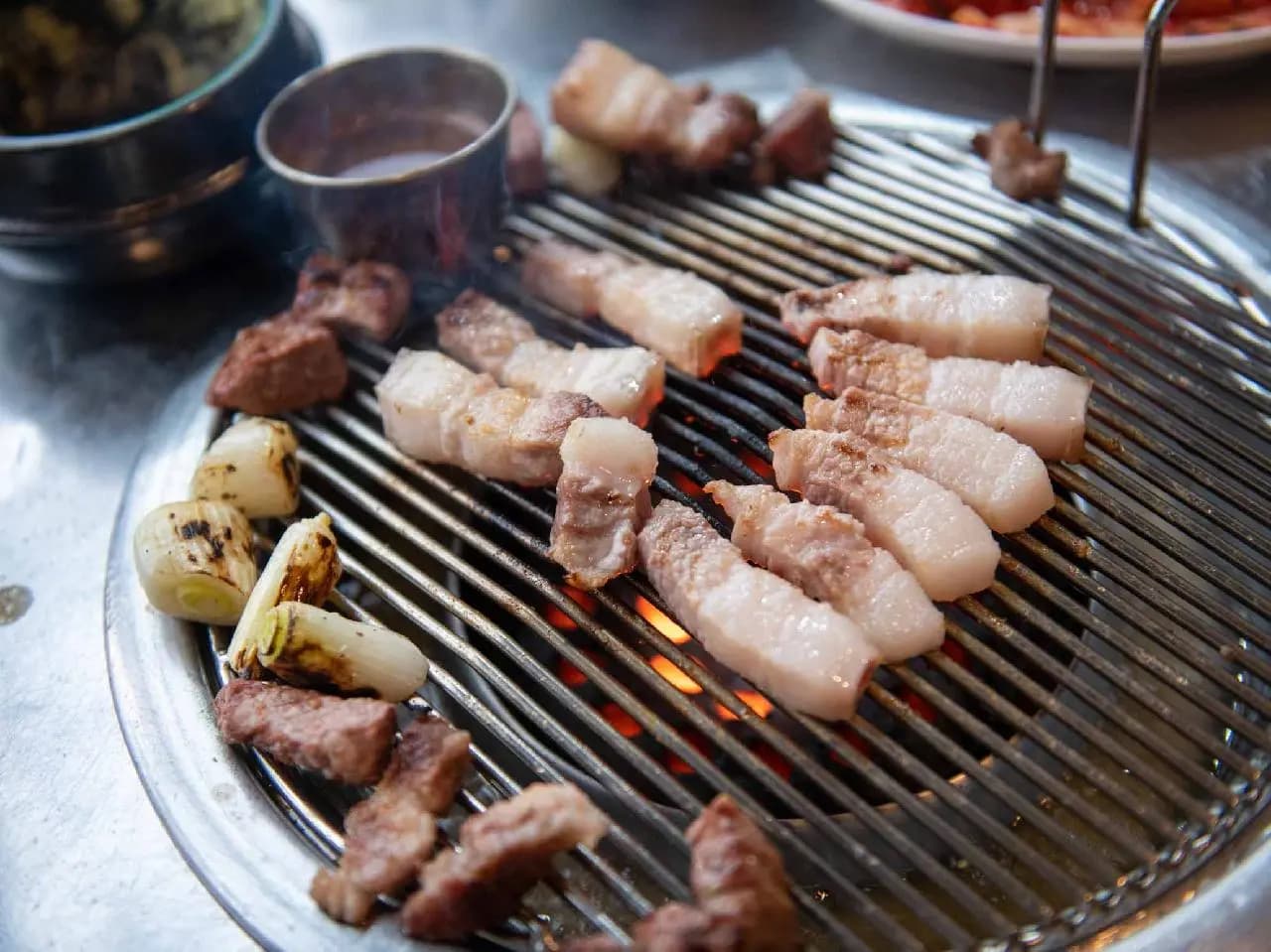
Located right in front of the colorful Rainbow Coastal Road near Doduhang Port, Dongopang Jeju Airport Main Branch is a specialty black pork restaurant offering breathtaking panoramic views of the Jeju sea. You can fully immerse yourself in the scenery from the outdoor terrace while enjoying perfectly aged Jeju pork grilled over traditional briquette charcoal. The meat is served with flavorful accompaniments, such as scallions, to create a truly delicious dining experience.
Gorae Kongmul Ido BranchNature

North120 min

Gorae Kongmul Ido Branch

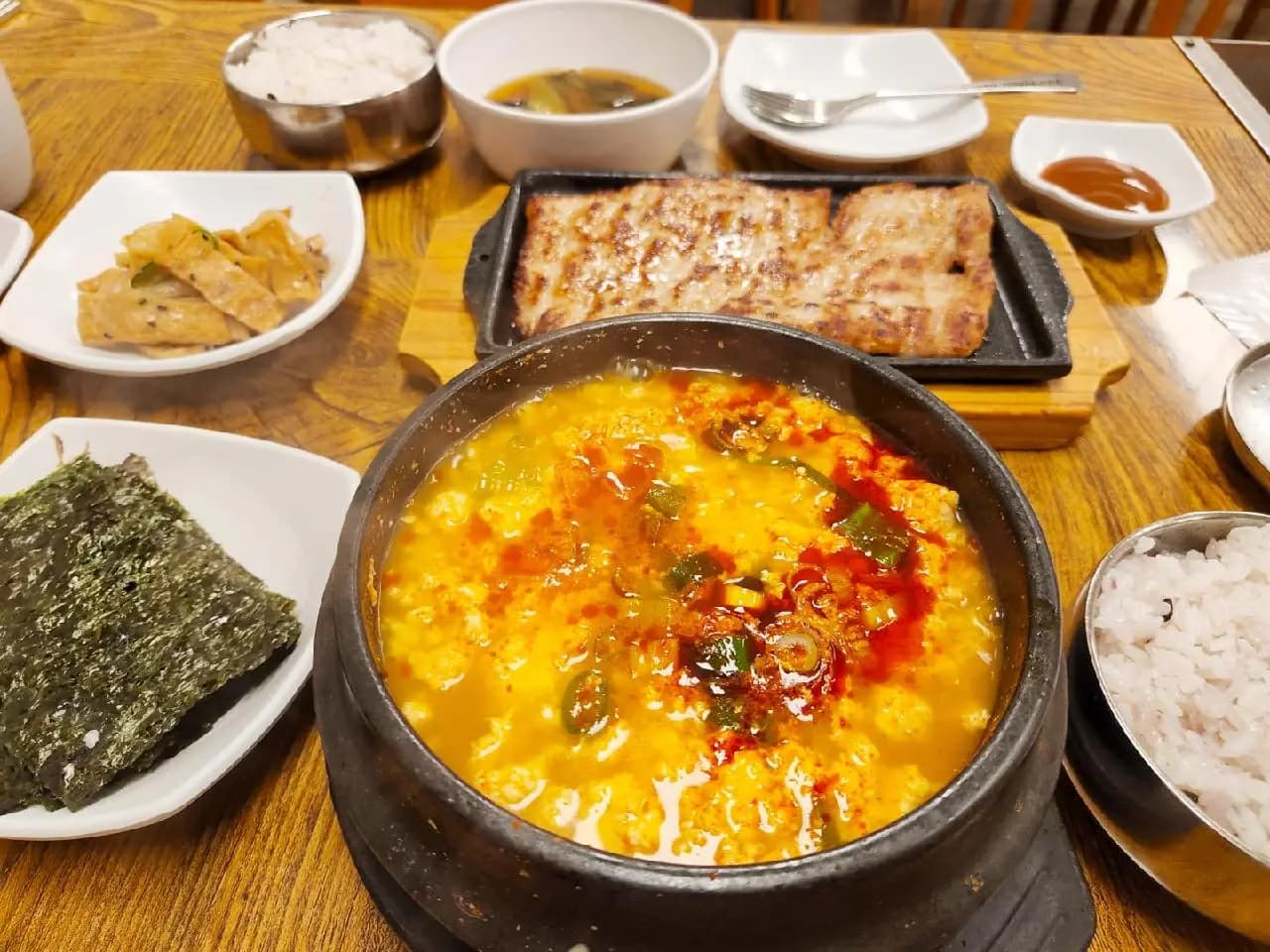
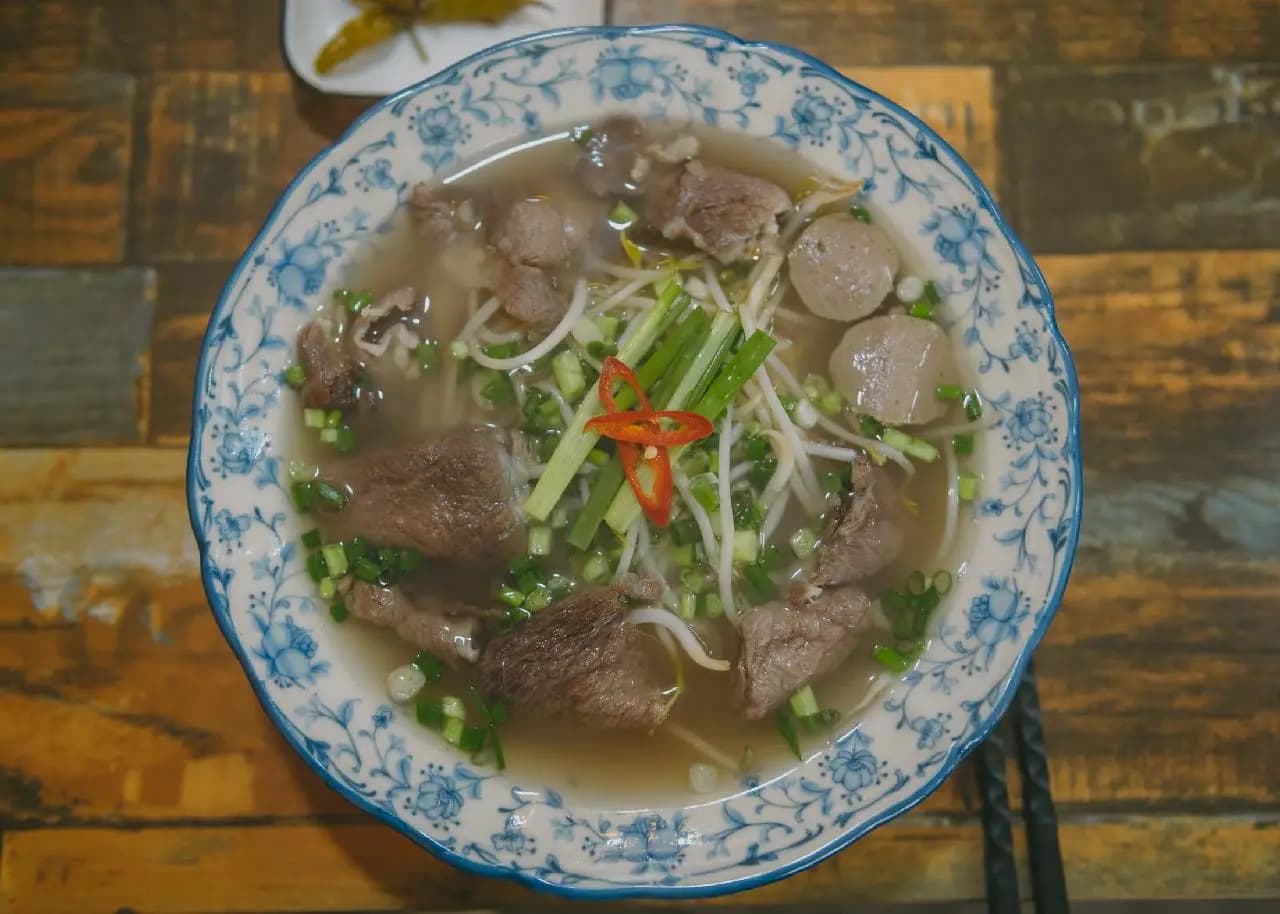
Located on Bakseongnae-dong-gil in Jeju City, Gorae Kongmul Ido Branch is a traditional Korean restaurant specializing in a variety of flavorful dishes made from savory, wholesome soybeans. The menu features standout dishes such as Yellow Soybean Noodles, which offer a delightful texture with slightly coarse, ground beans, and creamy, savory Gangwon-do Soft Tofu. Guests can also explore a range of other unique soybean-based specialties, including Black Soybean Tofu and handmade Tteokgalbi (grilled short rib patties).

4th Jochon-ri Spring Water History and Culture FestivalNature

North120 min

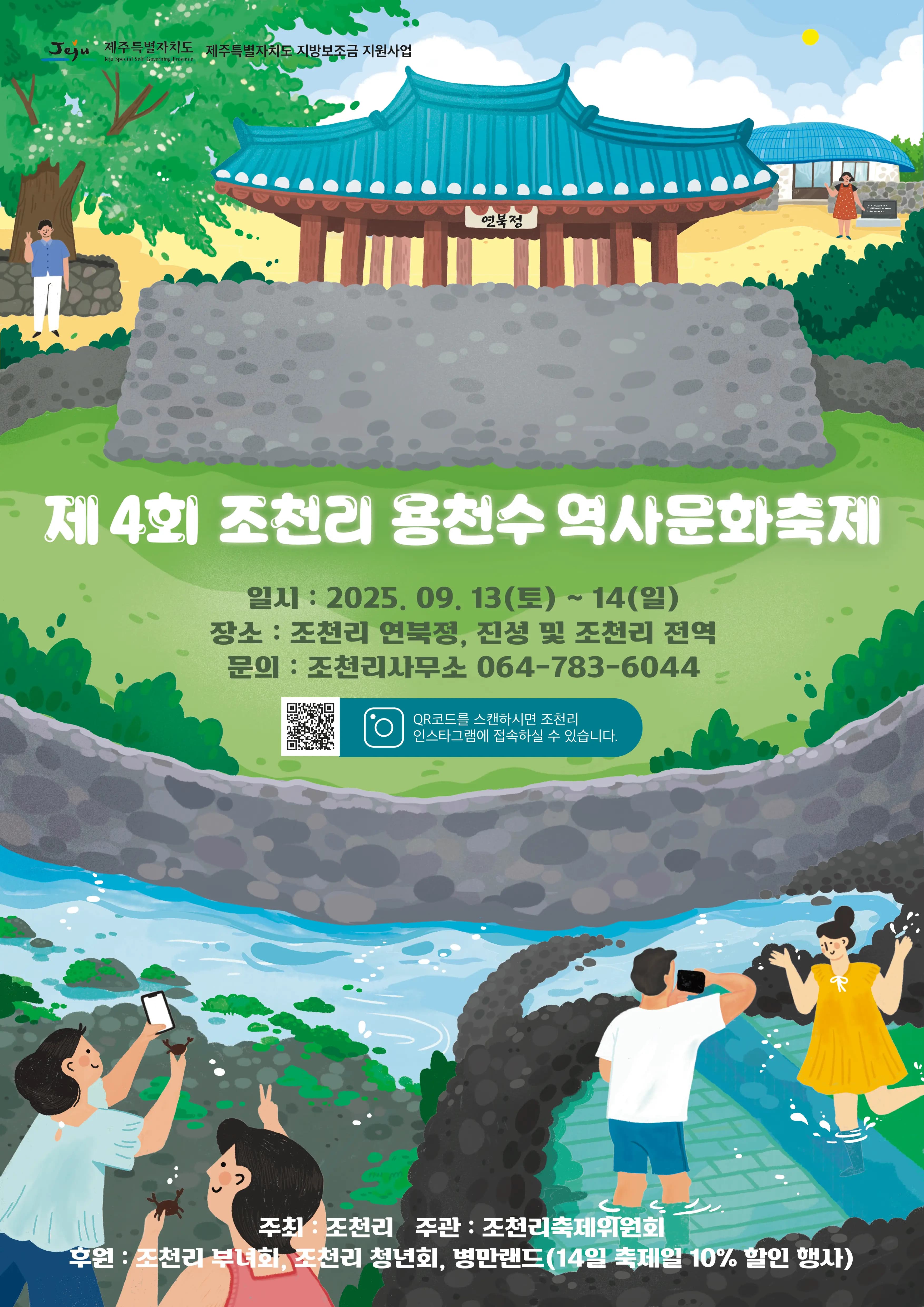
4th Jochon-ri Spring Water History and Culture Festival

Held from September 13 to 14, 2025, around Yeonbukjeong Pavilion and Jochonjinseong Fortress in Jochon-eup, Jeju City, this festival celebrates the rich heritage of local spring water. Under the theme "Spring Water: Where People Meet and History Walks," the event serves as a cultural venue to reflect on the historical value and traditional lifestyle surrounding these springs. It aims to bridge generations by revisiting the spring water—once a bustling communal laundry site and a cherished place to escape the summer heat—to share stories and timeless memories.

Former site of Jeju Agricultural SchoolNature

North120 min

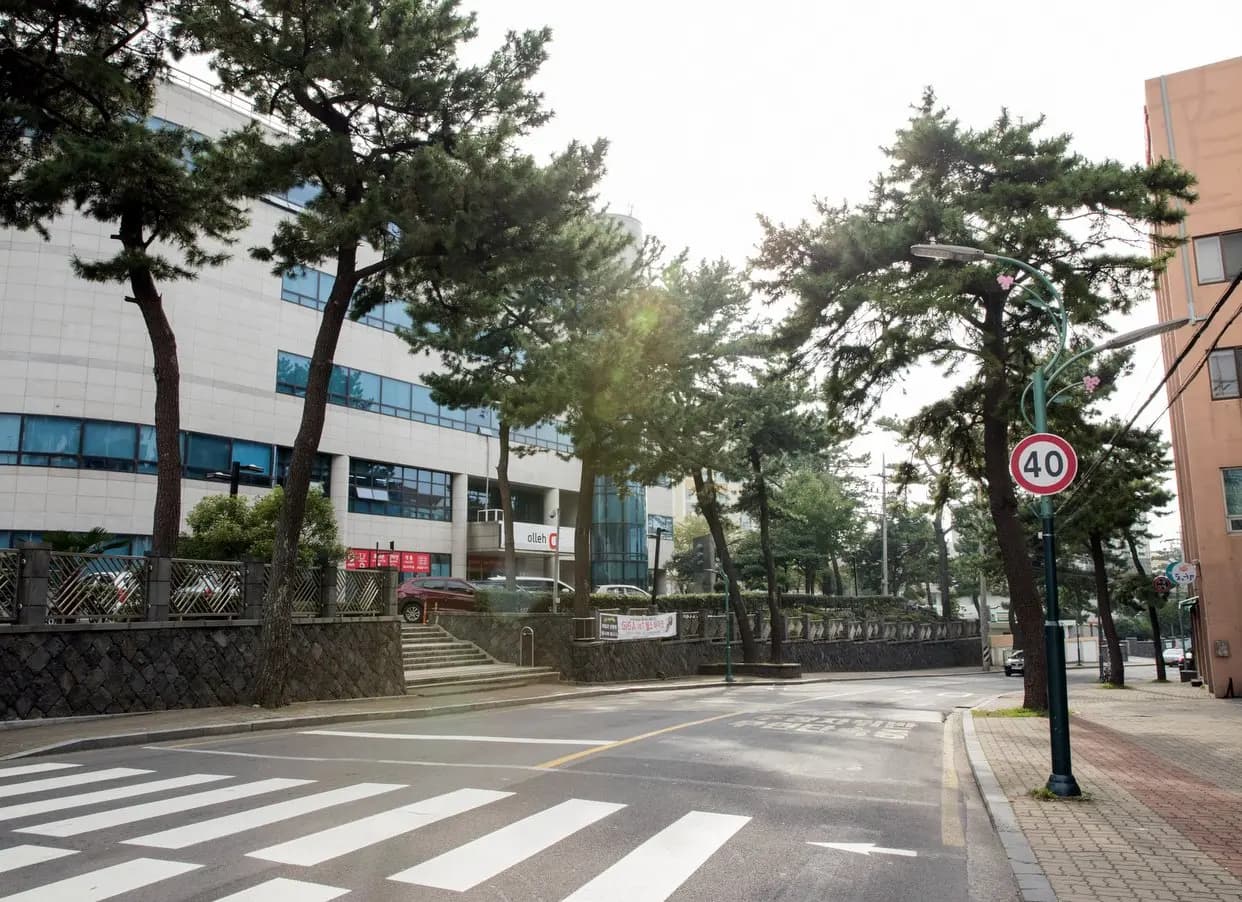
Former site of Jeju Agricultural School

The Former site of Jeju Agricultural School holds a profound place in the island’s history, originating from the privately-run Eshin School established in 1907. Once a vibrant hub for student activism during the Japanese colonial period and the post-liberation era, this historic location is now situated near Halla Arboretum in Jeju City. During the tragic April 3 Incident, the school served as an educational institution for the island’s brightest minds but was subsequently occupied by military forces, beginning with the 9th Regiment. It became a site of detention and interrogation, and it was here that Colonel Park Jin-gyeong was assassinated. While few physical traces of this turbulent past remain today, the nearby street name Jeonnong-ro serves as a lasting tribute to the memory of this significant site.

Pellong Pellong Bit ModrakNature

North120 min

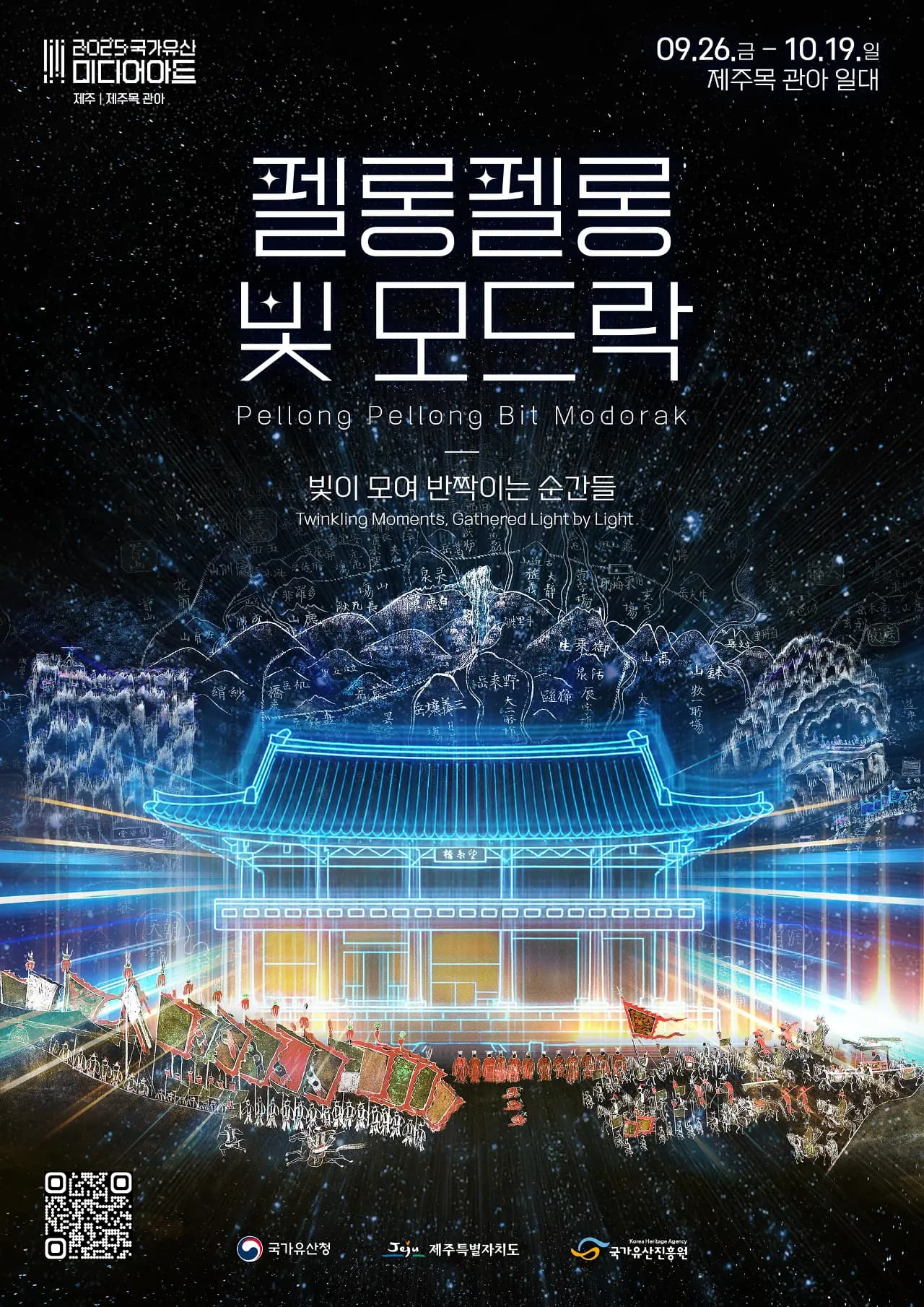
Pellong Pellong Bit Modrak

Centered around Jeju Mokgwan-a and Gwandeokjeong, this National Heritage media art exhibition is a nighttime light program that reinterprets the historical 'Tamna Sullyeokdo' (Illustrated Record of Travels in Tamna). Hosted by the National Heritage Administration and Jeju Special Self-Governing Province, and organized by the Korea Heritage Agency, this cultural event invites both locals and visitors to immerse themselves in a mesmerizing display of light and history.

Jeondo Art Exhibition: Memories and Changes Beyond Daily Life – Climate Change, Jeju 4.3, and UsNature

North120 min

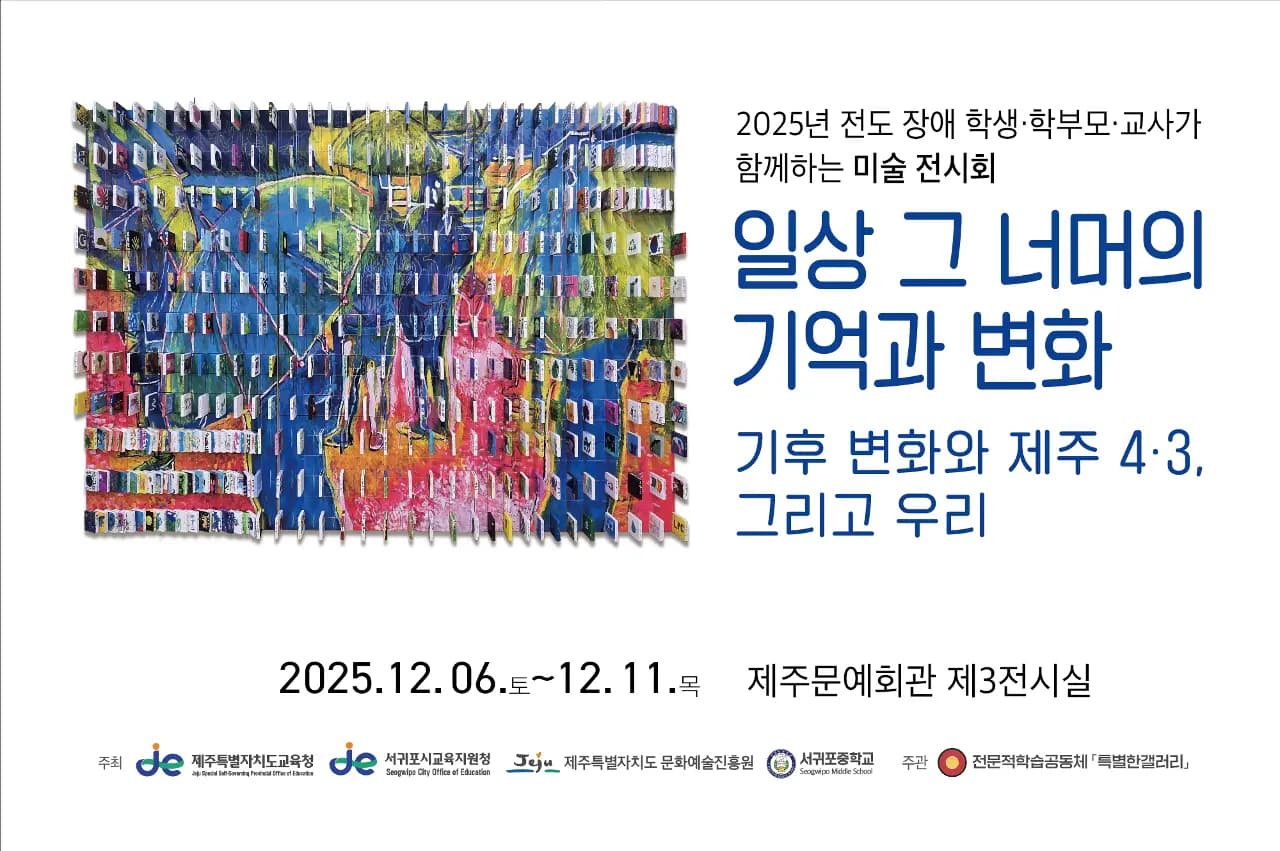
Jeondo Art Exhibition: Memories and Changes Beyond Daily Life – Climate Change, Jeju 4.3, and Us

This collaborative art exhibition brings together students with disabilities, parents, and teachers to reinterpret the history, environment, and daily life of Jeju. Through an artistic exploration of local issues—specifically climate change and the Jeju 4.3 Incident—the project weaves together diverse perspectives and personal experiences to paint a vision of hope for the future.