2025 — 2026 Season
Jeju Now
6,000+ official Visit Jeju listings — browse by north, east, south, west or category, or explore themed picks below.
CuratedSections.region_east · Nature
 Nature120 min
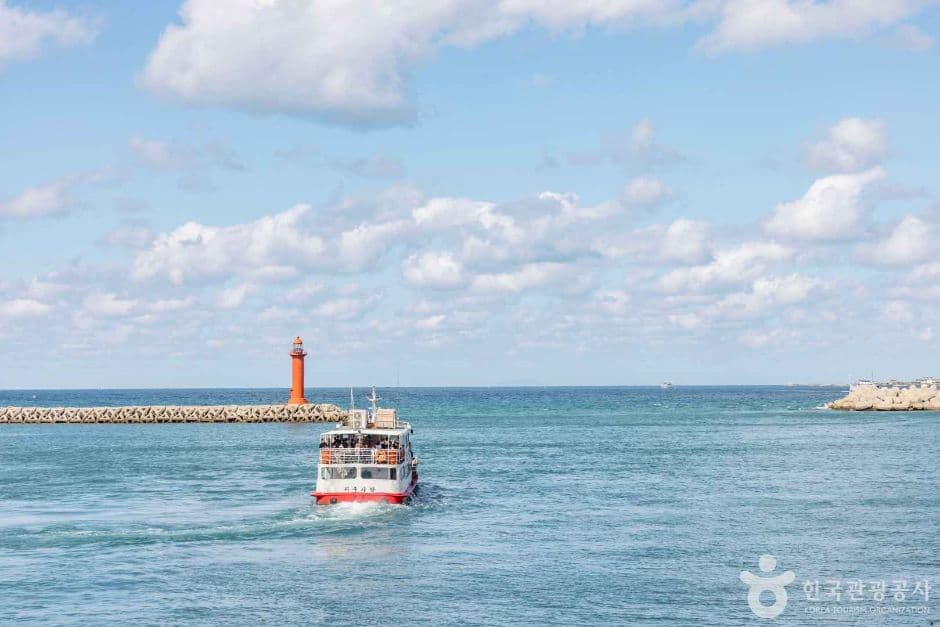
Seongsanpo Cruise
Operating from the Seongsanpo General Passenger Terminal, these large-scale cruise ships offer a scenic tour around the waters of Udo Island. Passengers can marvel at the breathtaking views of the Eight Scenic Views of Udo and the world-renowned Sunrise Marine Park. The voyage also provides stunning views of diverse natural wonders, including the coral sand beaches of Seobinbaeksa and various natural sea caves.
 Nature120 min
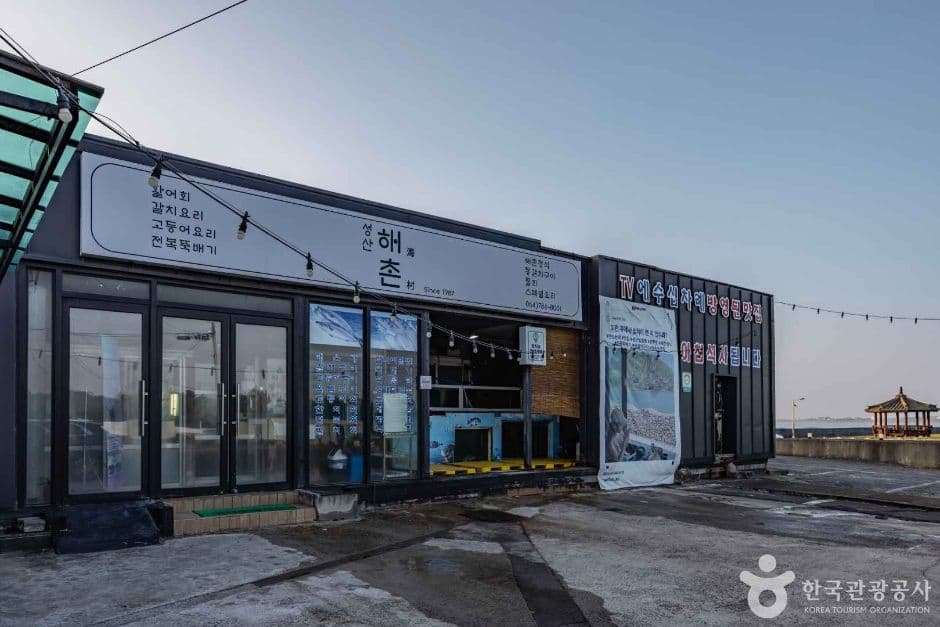
Seongsan Haechon
Seongsan Haechon is a beautiful Korean restaurant offering breathtaking views of Seongsan Ilchulbong Peak and the azure ocean. Located right at the water's edge, dining here feels as if you are enjoying a meal on a ship. The restaurant specializes in the 'Haechon Set Menu,' featuring a variety of fresh seafood including sashimi and grilled specialties.
 Nature120 min
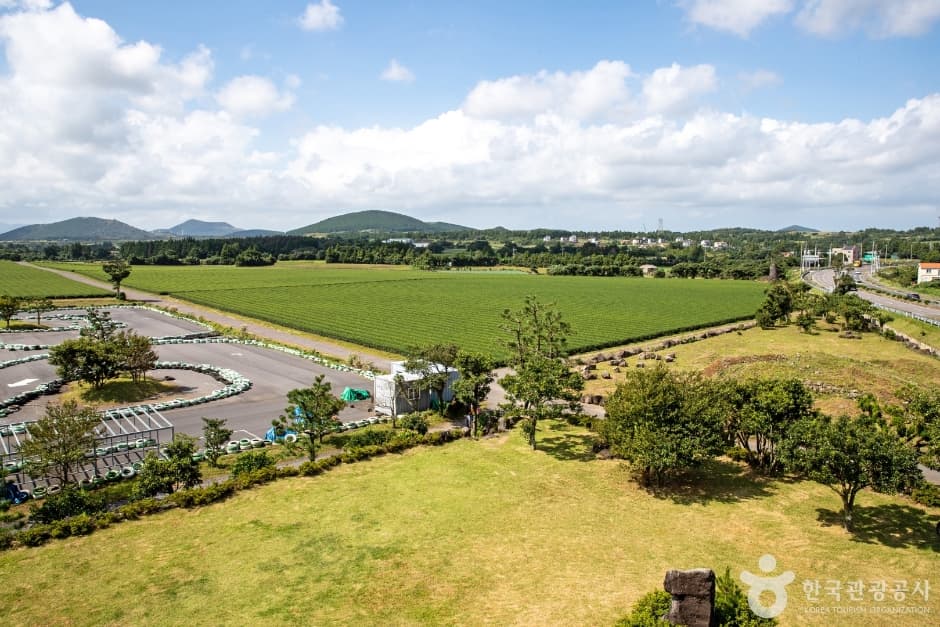
Seongeup Green Tea Village
Seongeup Green Tea Village is a tea plantation dedicated to producing and processing premium green tea grown in Jeju's unique volcanic soil and pure bedrock water. Visitors can immerse themselves in the lush scenery of verdant tea fields, explore natural lava caves located within the village, and enjoy a relaxing foot bath experience at the local cafe.
 Nature120 min
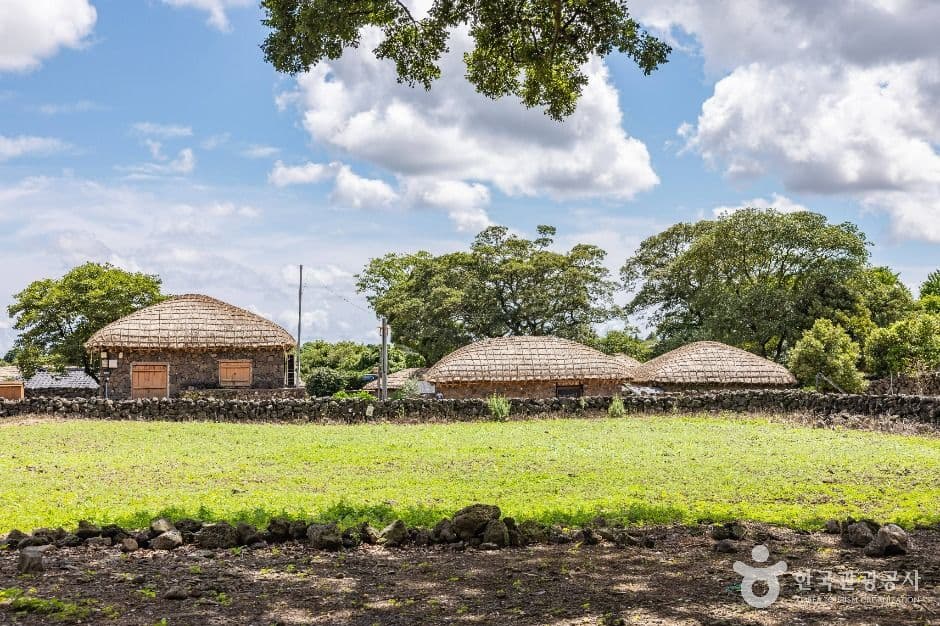
Seongeup Folk Village
Located about 8km north of Pyoseon-ri at the foot of Hallasan Mountain, Seongeup Village once served as the capital of Jeongui-hyeon during the era when Jeju was divided into three administrative districts (1410–1914). Today, it is a designated folk village that meticulously preserves the traditional architectural landscape and cultural heritage of old Jeju. Visitors can explore a wealth of tangible heritage, including traditional thatched houses, Confucian academies, historic government offices, Dolharubang statues, stone millstones, fortress walls, and monuments. The village also breathes with intangible traditions, such as local folk songs, traditional games, regional cuisine, folk crafts, and the unique Jeju dialect. Ancient zelkova and hackberry trees, some hundreds of years old, stand as proud witnesses to its five-century history as a capital. As one of the best-preserved sites for traditional thatched-roof houses, Seongeup Folk Village offers a rare opportunity to see residents living in authentic traditional homes and to experience the 'tongsi'—Jeju's unique traditional outdoor toilet. The harmonious blend of ancient trees, stone walls, and historic fortress ruins creates an elegant atmosphere that vividly showcases its storied past.
 Nature120 min
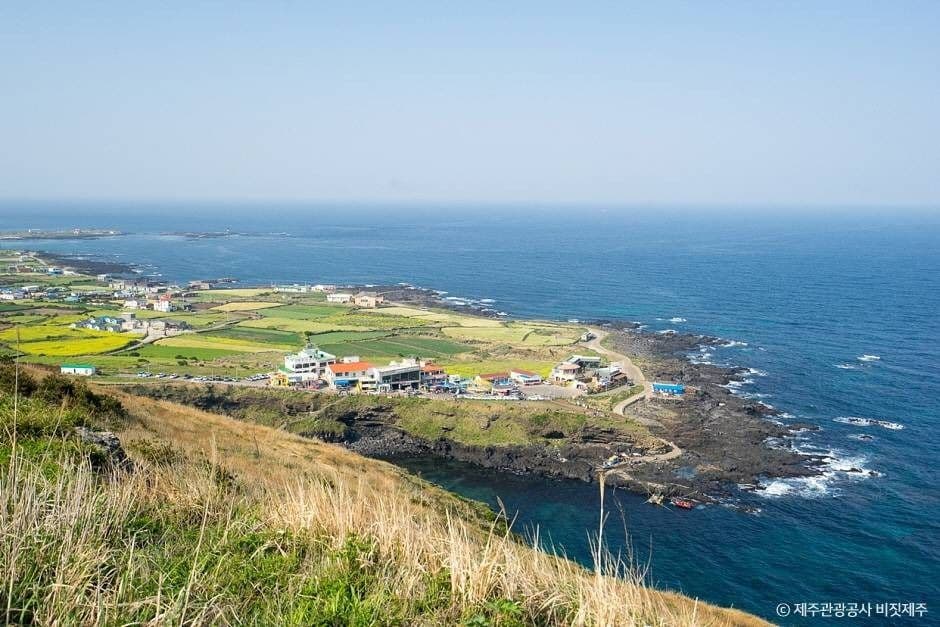
Somori Oreum (Udobong)
Located in Yeonpyeong-ri, Udo-myeon, this oreum is affectionately known by local residents as 'Seommeri.' It represents the head portion of Udo's overall topography, which is shaped like a cow lying down with its head raised.
 Nature120 min
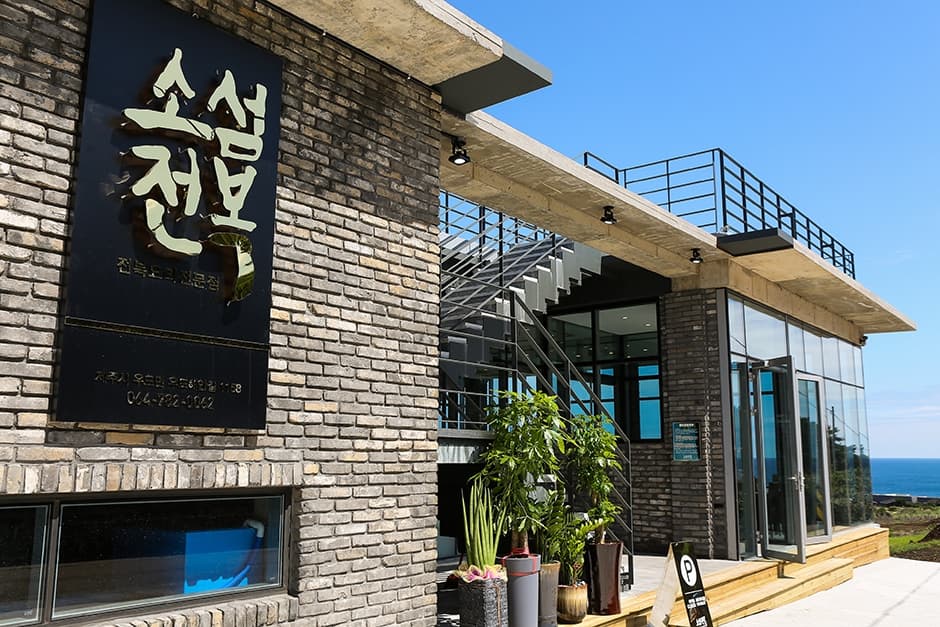
Soseom Jeonbok
Located just a short walk up from Geommeolle Beach along the scenic Udo Coastal Road, this specialty restaurant focuses on exquisite abalone cuisine. They serve a diverse menu featuring only domestic abalone freshly harvested from the pristine waters of Jeju.
 Nature120 min
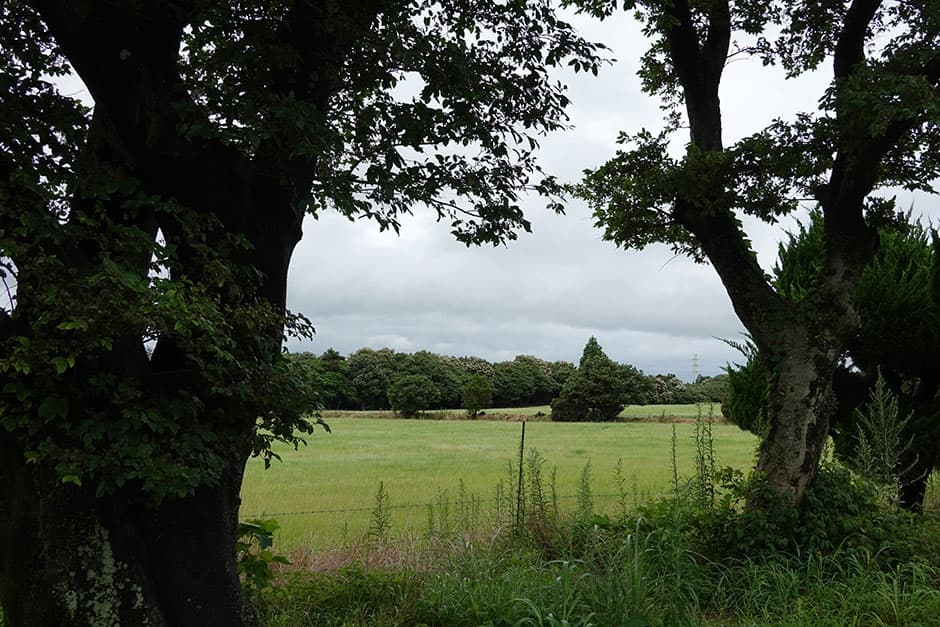
Songdang Mukkeunmoru
Located along Bijarim-ro in Songdang-ri, Jeju City, Songdang Mukkeunmoru takes its name from 'moru,' meaning a small hill, though the landscape is now a level plain with little perceptible slope. The area is home to Cafe Andor, and since the cafe's opening, it has become a popular destination for photography enthusiasts.
 Nature120 min
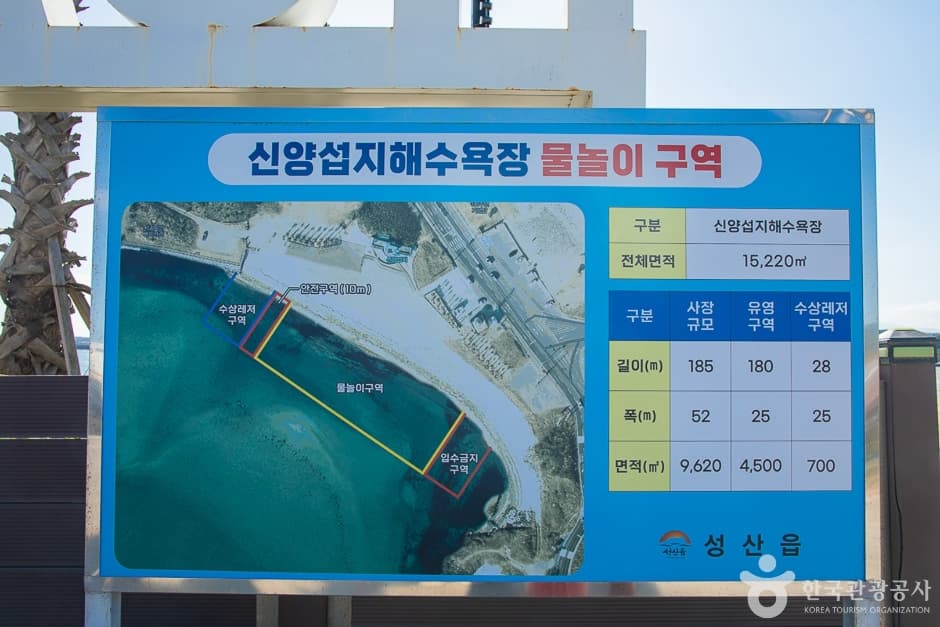
Sinyang Seopjikoji Beach
Located on the right side before ascending the scenic Seopjikoji, Sinyang Seopjikoji Beach (also known as Sinyang Beach) is a hidden gem nestled within the tip of the cape, preserving its pristine natural beauty. This crescent-shaped beach features calm waves and a fine, light brown sandy shore with minimal pebbles, making it a safe and cozy spot for families with children. Because it is tucked away from the main villages, it offers a tranquil atmosphere perfect for those seeking a peaceful escape. Visitors can also enjoy breathtaking views where the ocean, Seongsan Ilchulbong, and vibrant canola flowers harmonize beautifully. As a former host of international windsurfing competitions, it is also a beloved destination for water sports enthusiasts. Nearby attractions include Seopjikoji, Aqua Planet Jeju, Seongsan Ilchulbong, and the Honinji Pond.
 Nature120 min
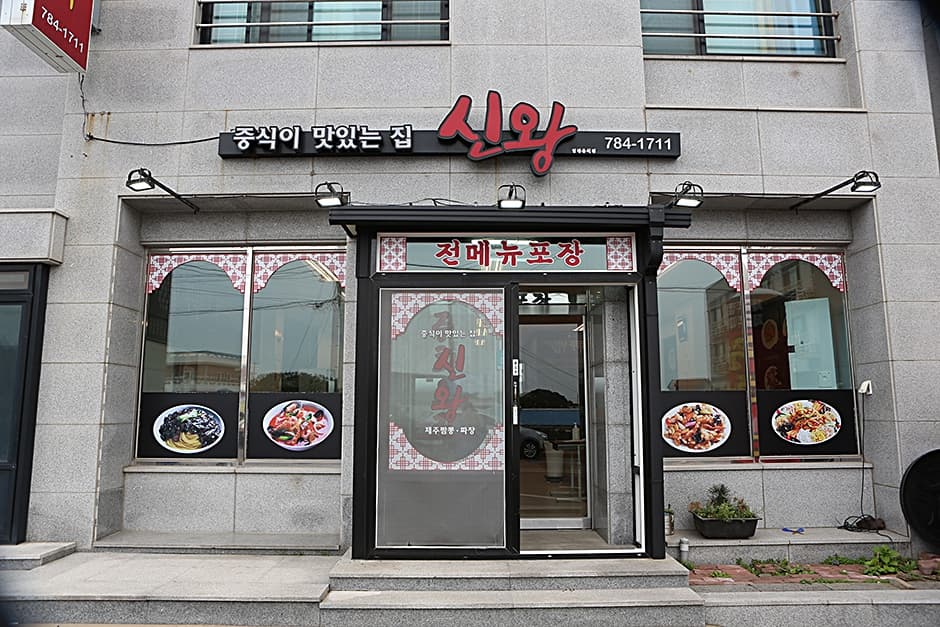
Sinwang
Located at the entrance of Seopjikoji on Jeju Island, this authentic Chinese restaurant offers a diverse menu of flavorful meals and specialty dishes. A versatile touch allows guests to substitute rice for any noodle dish. Signature menu items include the Al-jjamppong (spicy seafood noodle soup packed with fish roe) and Abalone Seafood Gan-jjajang, which features a generous whole abalone.
 Nature120 min
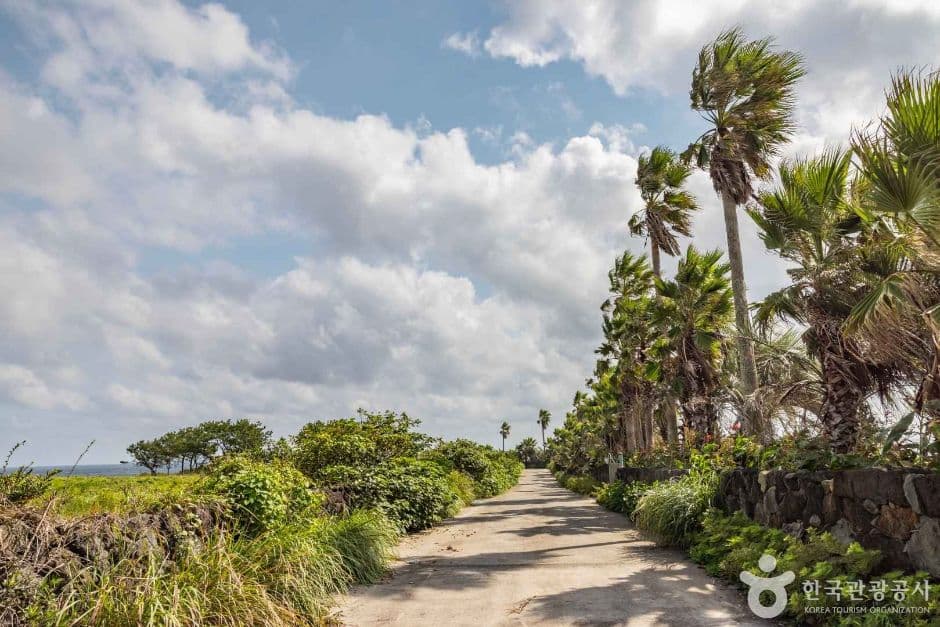
Sinpung Sincheon Sea Ranch
Located along Jeju Olle Trail Course 3, this site was once a ranch used for grazing horses and cattle. Since the 1980s, however, it has been repurposed for drying tangerine peels. The landscape is characterized by vast expanses of vibrant orange peels spread across the grounds, set against a breathtaking backdrop of the open sea.
 Nature120 min
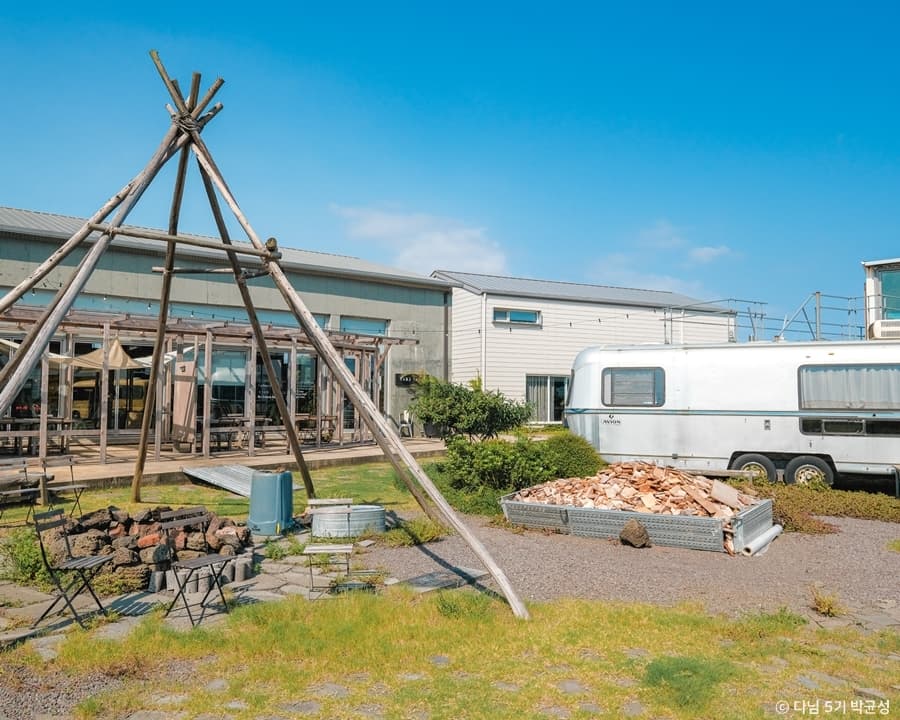
Analog Sounds
Located in Hado-ri, Gujwa-eup, on the eastern side of Jeju Island, this LP listening cafe boasts a cozy atmosphere where original vintage speakers blend seamlessly with wooden furniture. Guests can handpick from a diverse collection of vinyl records to enjoy, while sipping on unique juices and milk made with local Gujwa carrots.
 Nature120 min
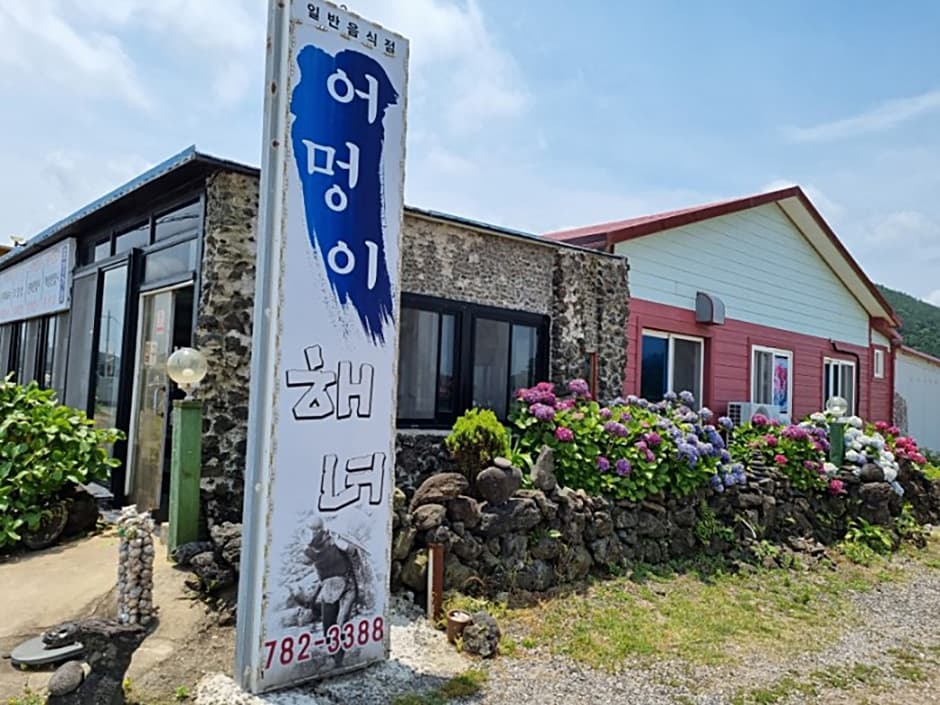
어멍이해녀
제주특별자치도 제주시 구좌읍 해맞이해안로 2244