2025 — 2026 Season
Jeju Now
6,000+ official Visit Jeju listings — browse by north, east, south, west or category, or explore themed picks below.
CuratedSections.region_south · Nature
 Nature120 min
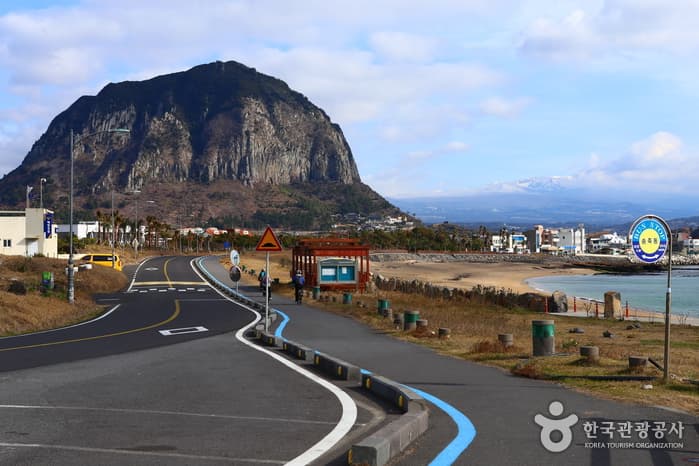
Sanbangsan and Yongmeori Coast Geological Trail
This walking trail weaves through the scenic villages of Sagye-ri, Hwasun-ri, and Deoksu-ri, centered around the majestic Sanbangsan Mountain and the striking Yongmeori Coast. Divided into two routes—Course A and Course B—the 13.2km trail offers a journey through time. Travelers can wander along the beautiful Hyeongje Coastal Road, a designated scenic route, and explore geological wonders that reveal 800,000 years of Earth's history, including coastal sand dunes, the Hamo Formation, and ancient footprints fossilized in stone.
 Nature120 min
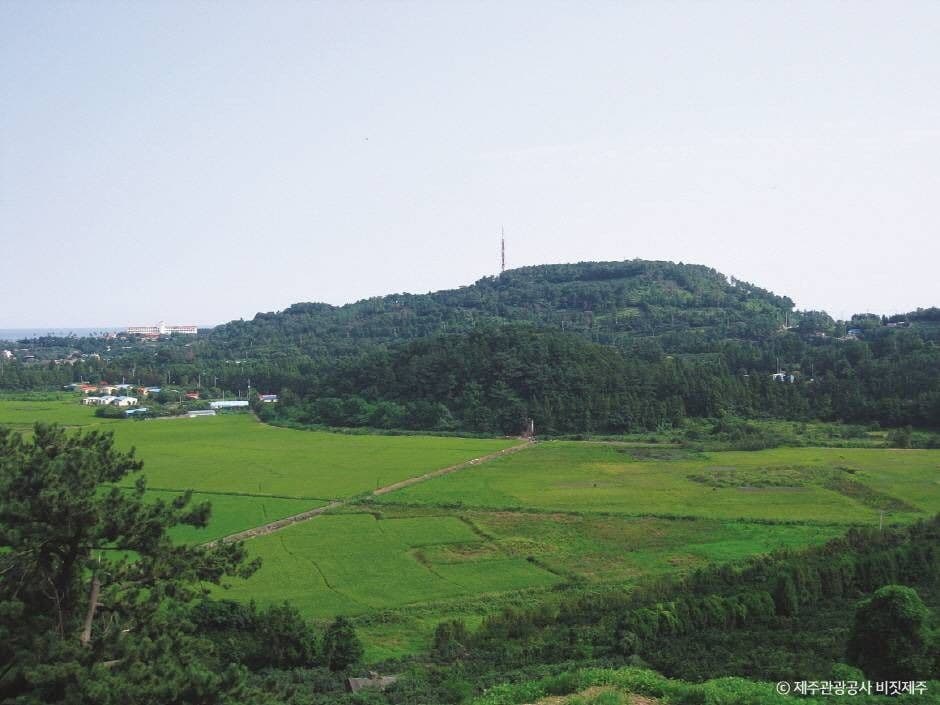
Sammaebong Peak
Located just ahead of Oedolgae in Seogwipo, this small oreum serves as a beautiful civic park where lush pine forests harmonize perfectly with the azure sea. Situated at the junction where Jeju Olle Trail Course 6 ends and Course 7 begins, the peak features a gentle 1.2km walking trail that allows visitors to loop around the summit with ease.
 Nature120 min
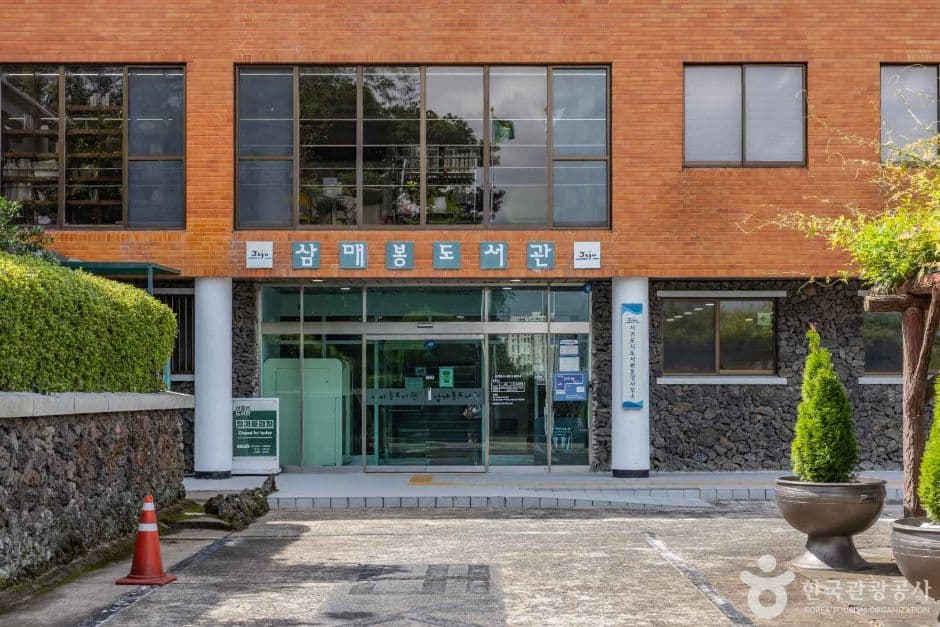
Sammaebong Library
Located in Seohong-dong, Seogwipo, Jeju, this public library is situated right next to Gidang Museum of Art. It offers a diverse collection of resources and hosts various reading culture programs for all age groups, aiming to foster a lifelong reading habit and continuous education for the local community.
 Nature120 min
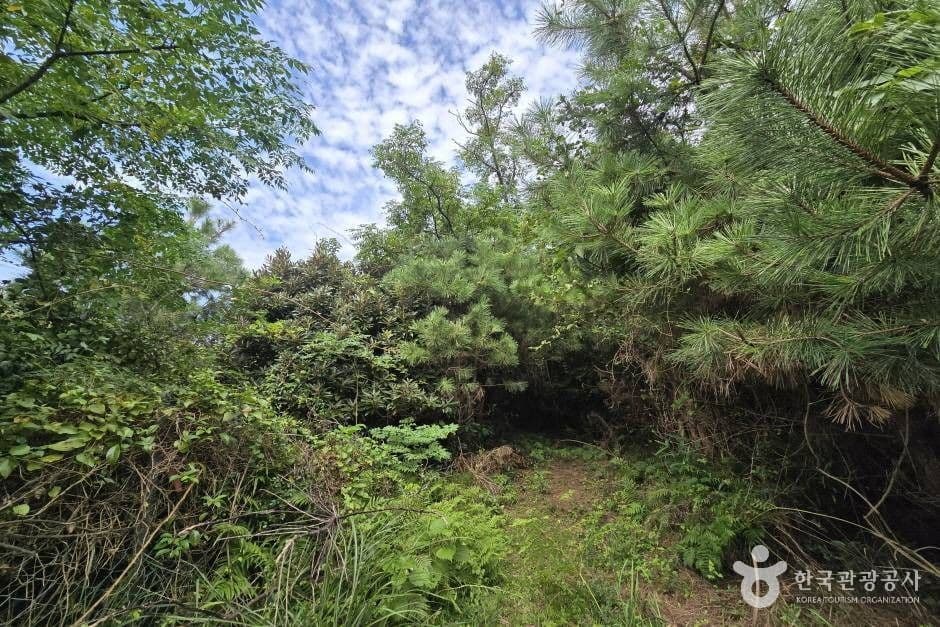
Saesin Oreum
Located along the roadside northeast of Sanyang Elementary School in Sanyang-ri, Hangyeong-myeon, Jeju City, this oreum is a gentle, low-lying hill. The summit features a circular crater plain about 20 meters in diameter, locally known as 'Amme,' and preserves remnants of cave fortifications from the Japanese colonial period.
Saekdal Haenyeo-ui Jip
Located in Seogwipo, Saekdal Haenyeo-ui Jip is a traditional Korean restaurant where you can savor incredibly fresh seafood harvested directly from the sea by local haenyeo (female divers). The menu features seasonal specialties such as stone octopus and filefish, prepared on-site as sashimi, alongside a variety of fresh seafood dishes including sea squirt.
 Nature120 min
Seogeondo Island
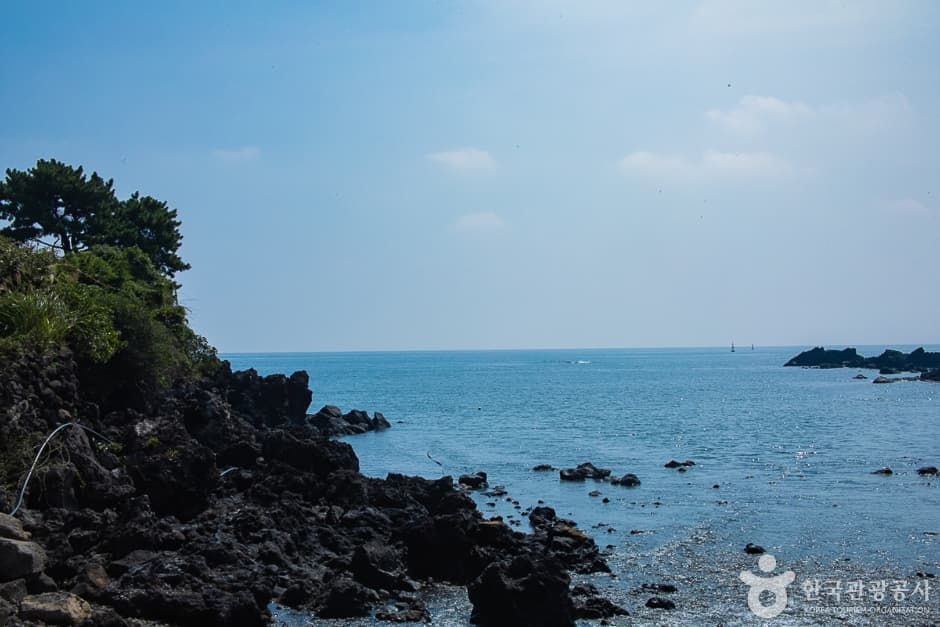
Located along the coast of Gangjeong-dong, Seogwipo, Seogeondo Island is famous for its "Miracle of Moses" phenomenon, where the sea splits to connect the island to Jeju's main island about ten times a month depending on the tides. This phenomenon is most pronounced during full moons, new moons, and spring tide periods; at low tide, the receding waters reveal a path over 10 meters wide, allowing visitors to walk directly to the island.
 Nature120 min
Seogwijinji
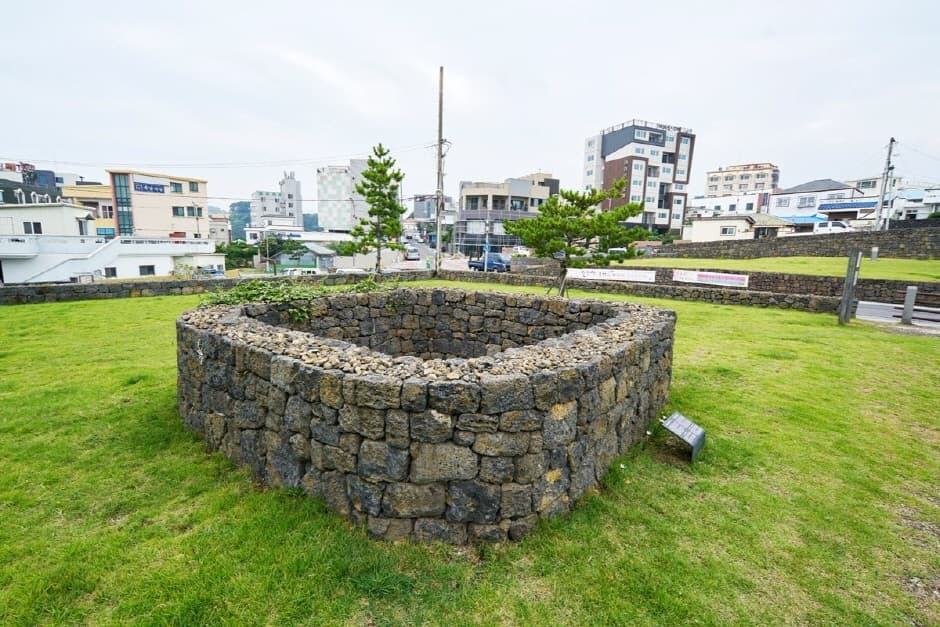
Seogwijinji is a historical fortification site dating back to the Joseon Dynasty, which later served as a Japanese government office during the Japanese colonial period. Following the Jeju April 3 Incident, the fortress walls were dismantled to be repurposed as defensive structures for village protection and residential building materials. Today, remnants of the fortress walls still stand, known locally as 'Ujatdam' and 'Seonggubdam.'
 Nature120 min
Seogwipo Altosan Village
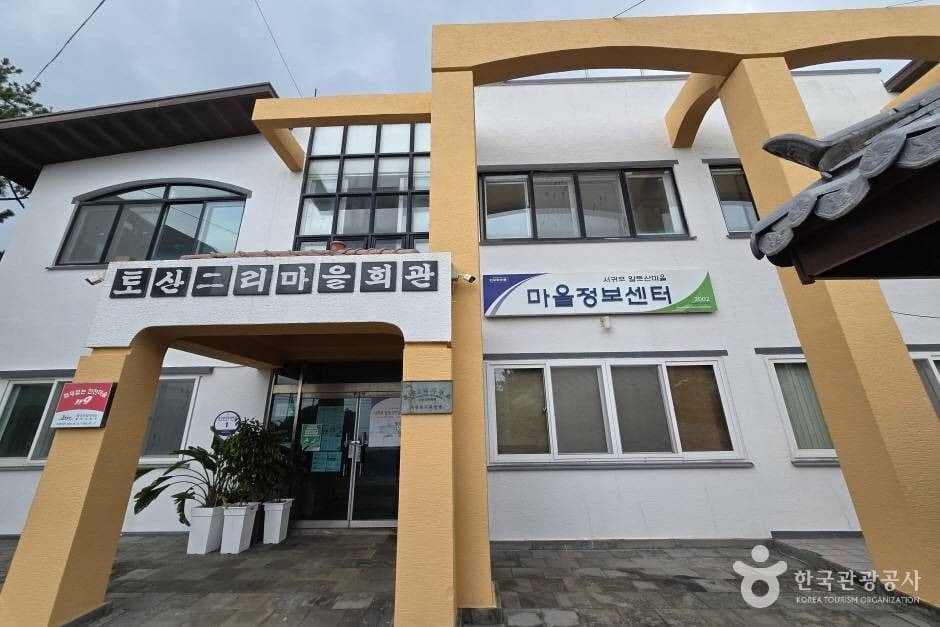
Located in Pyoseon-myeon, Seogwipo, this rural experience information village is nestled between the majestic Hallasan Mountain to the northwest and the nearby sea. The village is a leading center for citrus cultivation, as the Tosanmang ridge to the north serves as a natural windbreak, creating the perfect environment for growing premium tangerines.
 Nature120 min
Seogwipo Yongwang Nandre Village
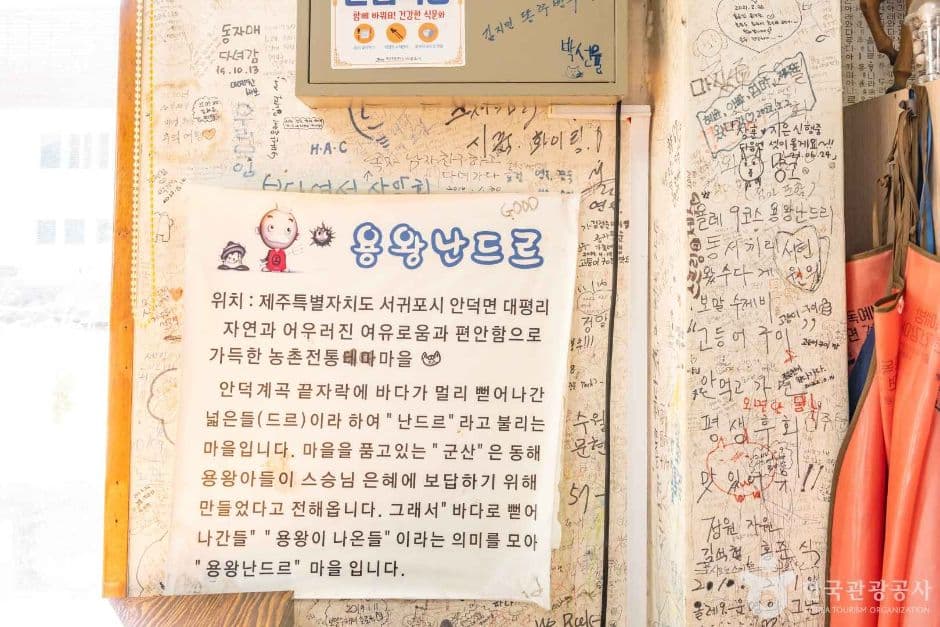
Located in Daepyeong-ri, Andeok-myeon, Seogwipo, this traditional rural theme village derives its name from the meaning "a vast field where the Dragon King appears." The village focuses on discovering and preserving traditional knowledge and customs while celebrating its rustic charm. Visitors can enjoy a variety of immersive experiences, including agricultural learning programs, authentic farmhouse stays, and the opportunity to purchase fresh local produce.
 Nature120 min
Seogwipo Shell Fossil Site
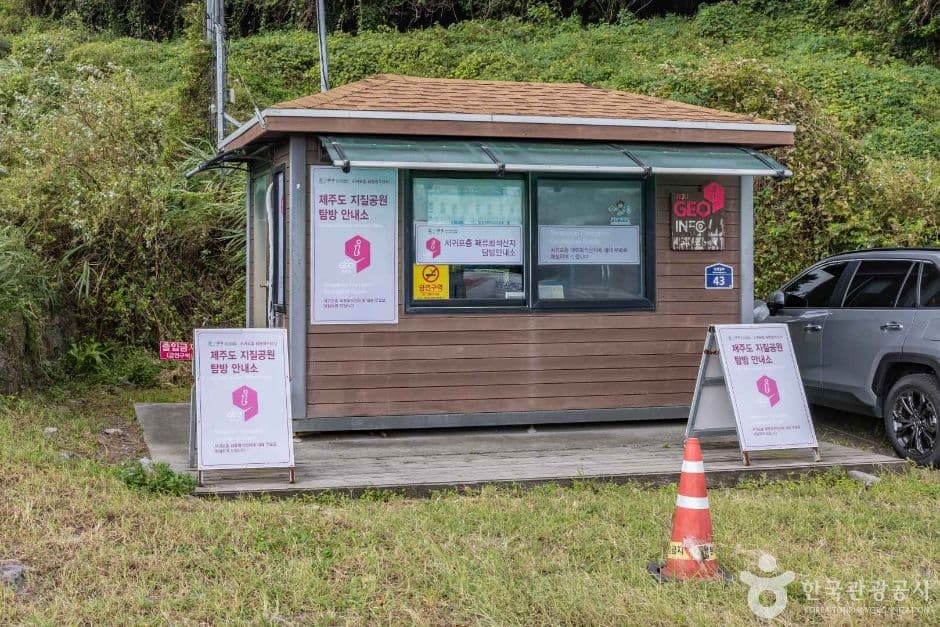
Located on the southwestern coastal cliffs of Seogwipo, this fossil site features sedimentary rock layers formed between 1.8 million and 500,000 years ago, where an abundance of shell fossils can be discovered. Visitors can observe paleontological traces, primarily animal fossils, along the rugged basalt cliffs, which showcase unique geological formations sculpted by the waves.
 Nature120 min
Hanon Crater
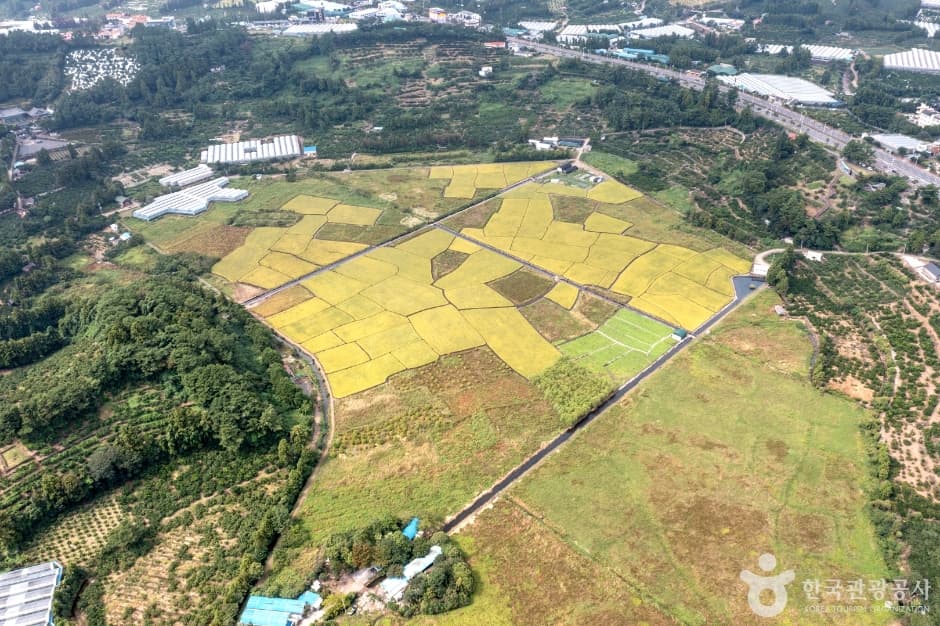
Located in Hogun-dong, Seogwipo, Hanon Crater is South Korea's largest maar-type volcanic crater, forming a distinct caldera landscape. Currently utilized as rice paddies by local farmers, the volcanic body features an elliptical shape measuring approximately 1.8 km east-to-west and 1.3 km north-to-south, with a circular crater sitting at an elevation of 143.4 meters.
 Nature120 min
Seogwipo Cultural Center
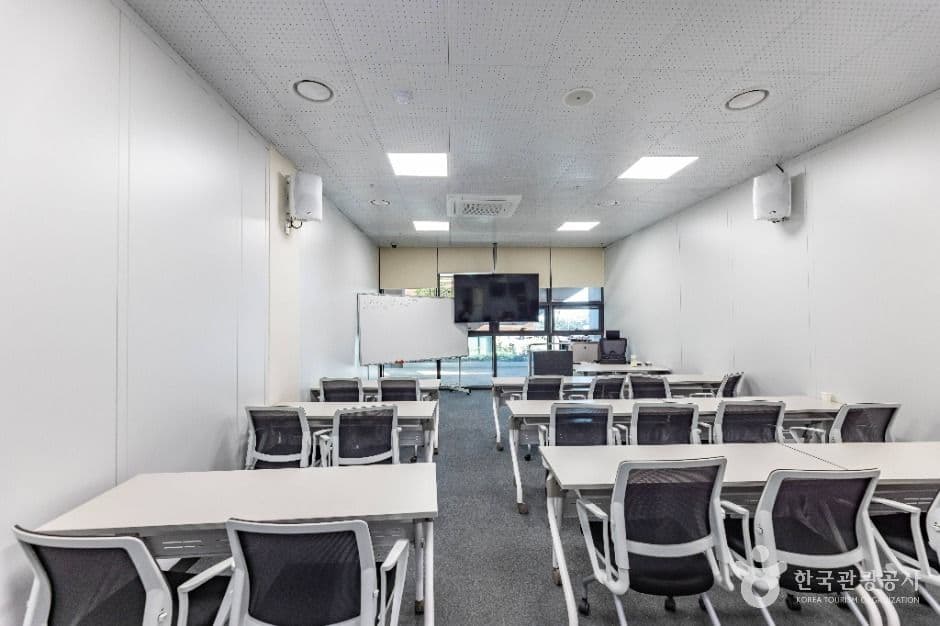
Established in 1996 and merged with the Namjeju Cultural Center in 2008, this institution serves as a vital hub for local heritage and education. The center conducts extensive research and archaeological preservation projects covering historical sites ranging from Seongsan Ilchulbong to Songaksan Mountain, Gapado, and Marado islands. It also functions as a vibrant lifelong learning center, offering diverse cultural arts programs, humanities education, and specialized workshops, while also publishing scholarly research series.