2025 — 2026 Season
Jeju Now
6,000+ official Visit Jeju listings — browse by north, east, south, west or category, or explore themed picks below.
CuratedSections.region_east · Nature
 Nature90 min
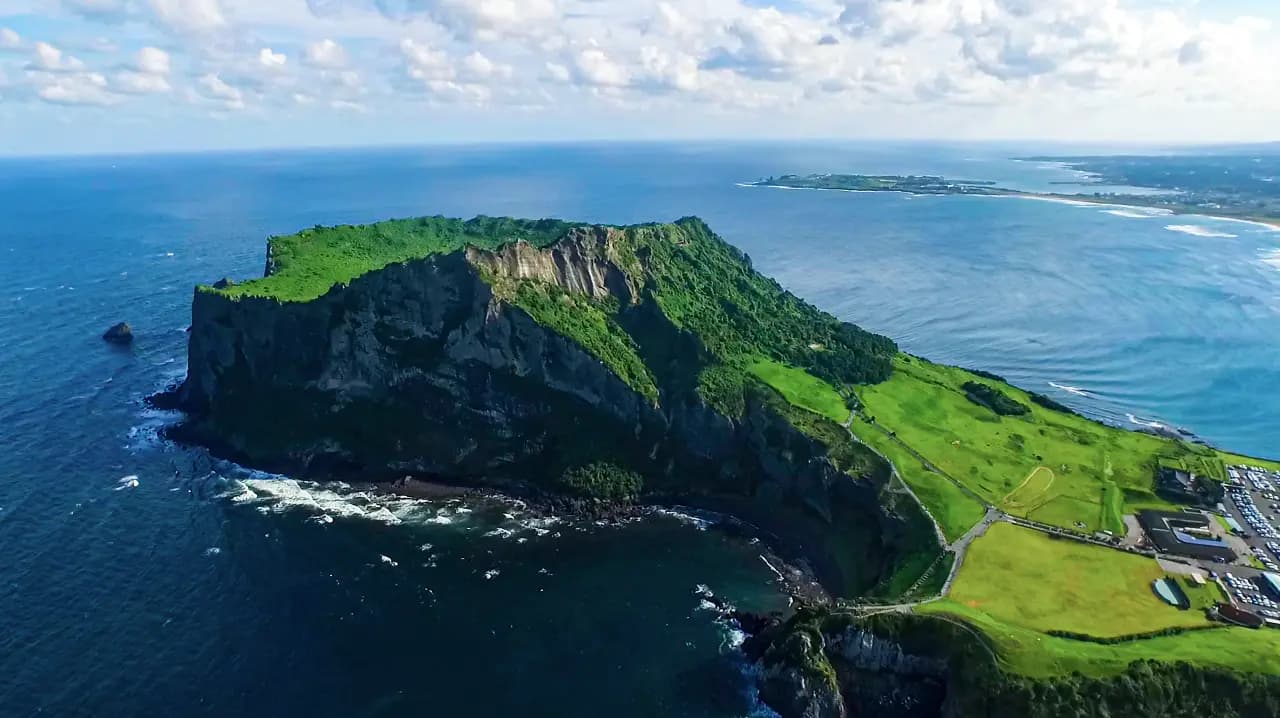
Seongsan Ilchulbong (Sunrise Peak)
Formed by a volcanic eruption under the sea approximately 5,000 years ago, Seongsan Ilchulbong (Sunrise Peak) is a magnificent tuff cone that has been designated as a UNESCO World Natural Heritage site, a Global Geopark, and a Natural Monument. Its unique terrain, reminiscent of a fortress, offers a breathtaking backdrop for one of South Korea's most stunning sunrise views. To preserve its natural splendor, the crater of Seongsan Ilchulbong (Sunrise Peak) and the surrounding 1km marine area are strictly managed as a protected natural zone.
 Nature240 min
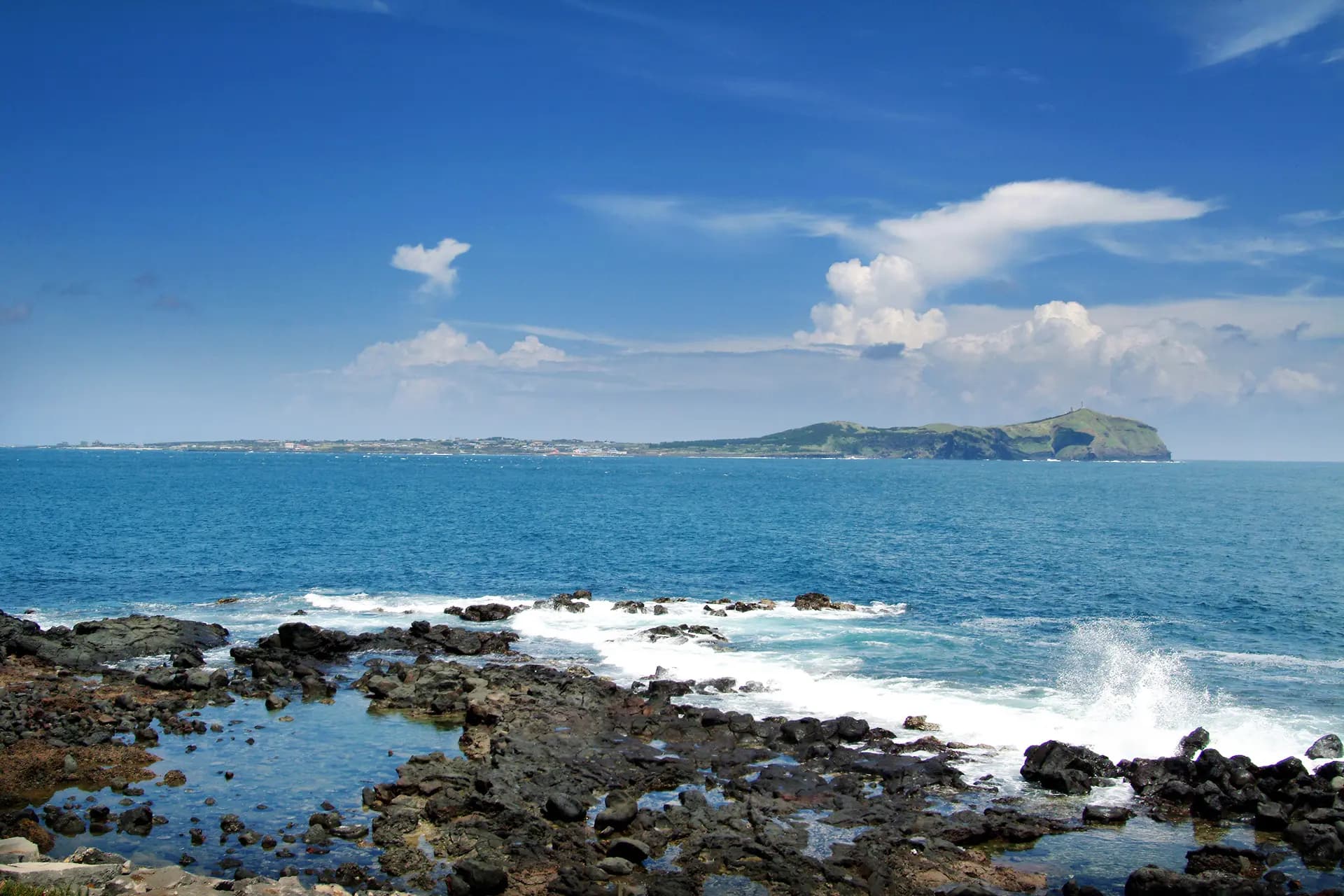
Udo Island
Udo Island, affectionately known as “Cow Island” or “Seo Island” due to its resemblance to a resting cow, is one of Jeju’s most iconic satellite islands. Blessed with gentle slopes and abundant fishing grounds, it offers pristine natural beauty that draws visitors from near and far. Located just a 15-minute ferry ride from Seongsan Port or Jongdal Port, Udo Island is a marine provincial park renowned for its breathtaking scenery and vibrant coastal charm. Home to the famous Udo Eight Scenic Views and the pristine Hago Sudong Beach, this enchanting destination welcomes approximately two million tourists each year, making it a must-visit spot for nature lovers and adventure seekers alike.
 Nature120 min
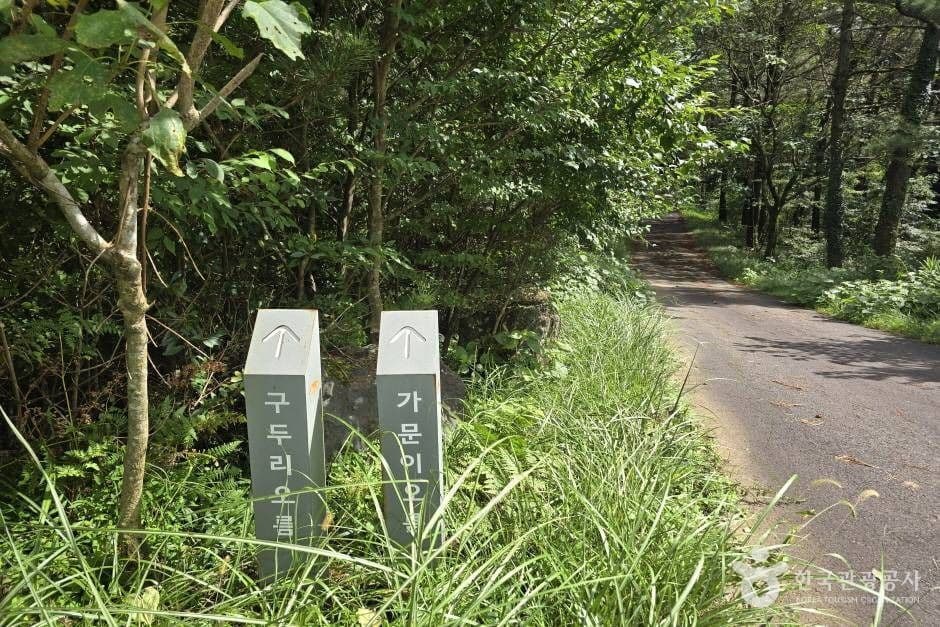
Gamuni Oreum
Located in Songdang-ri, Gujwa-eup, Jeju City, Gamuni Oreum is a gentle volcanic cone situated just west of Seongbul Oreum. Facing the nearby Bulgeun Oreum, its slopes are adorned with lush forests of cedar and black pine, topped by a canopy of deciduous trees. The name "Gamuni" originates from its dark appearance caused by the dense, thick forests. The horseshoe-shaped crater is home to unique wildflowers, such as white and pink pasqueflowers, and the dense woods within the crater lend the peak a mystical, sacred atmosphere. As part of a cluster of volcanic cones including Bulgeun, Guduri, and Chetmang Oreum, it is an ideal destination for hikers looking to explore multiple peaks in one trip. Nearby attractions include Mulyeongari Oreum and Buyeong Condri Club.
 Nature120 min
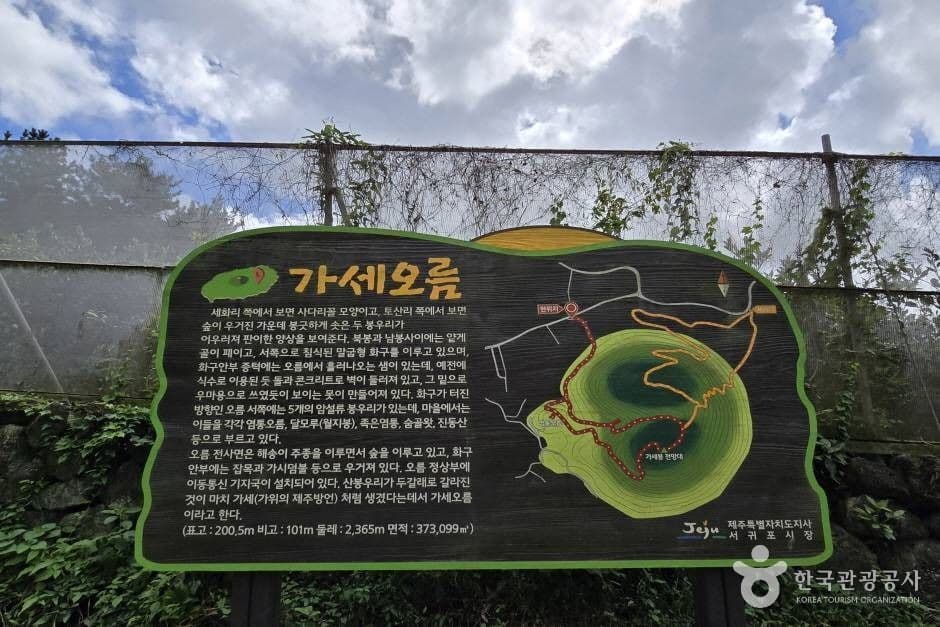
Gase Oreum
Located in Pyoseon-myeon, Gase Oreum is a horseshoe-shaped volcanic cone with a split summit. Its name, derived from the Jeju dialect word "gase" meaning "scissors," comes from its resemblance to a pair of shears. The oreum features five rocky peaks: Yeomtong Oreum, Jogeun Yeomtong, Dalmoru, Jindongsan, and Sumgolwat. However, these peaks are often hidden by dense thickets and lack formal trails, making them difficult to locate. While there are directional signs for first-time visitors, the complex terrain can easily lead to getting lost. Due to the risk of scratches from thorny bushes, wearing long pants is highly recommended. A mobile base station sits on the northern peak, while a guard post stands atop the southern peak, serving as easy landmarks for navigation. Once you reach the summit and climb to the guard post, you can enjoy a breathtaking panoramic view of the cluster of oreums in Gasi-ri.
 Nature120 min
Gasiri Guksanhwa Wind Farm
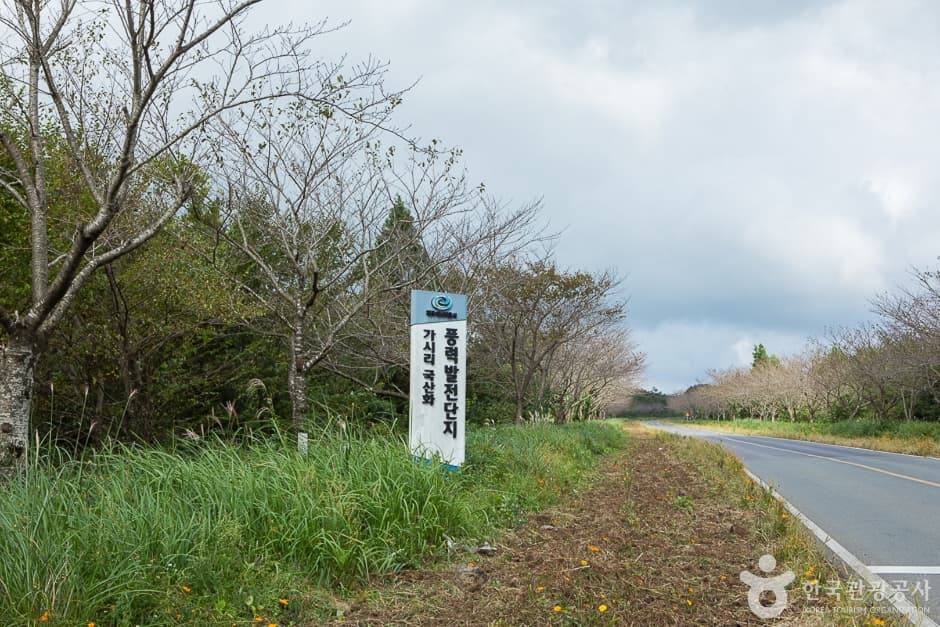
Located in Gasiri, Pyoseon-myeon—an untouched corner of southeastern Seogwipo—this wind farm marks a transformative milestone for the village since its selection in 2009 as Korea's first community-participatory wind power project. Set within the vast plains of the Gasiri Common Pasture, the site is surrounded by stunning canola flower fields. It is situated near the famous Noksan-ro road, a premier driving route known for its breathtaking collaboration of yellow canola blossoms and cherry blossoms in spring. In the autumn evenings, the fields transform into an exotic spectacle where shimmering silver grass dances alongside the rhythmic rotation of massive wind turbines. Visitors can enjoy picturesque scenes of Jeju ponies and cattle grazing peacefully against a backdrop of towering turbines, Hallasan Mountain, and traditional stone walls. To the left of the entrance, a path leads to the Canola Flower Plaza, where you can enjoy a cup of tea at a local cafe. The view from the cafe stairs offers a charming, pastoral landscape, with even more vibrant canola fields stretching out behind the building.
 Nature120 min
Gasia Bang Guksu
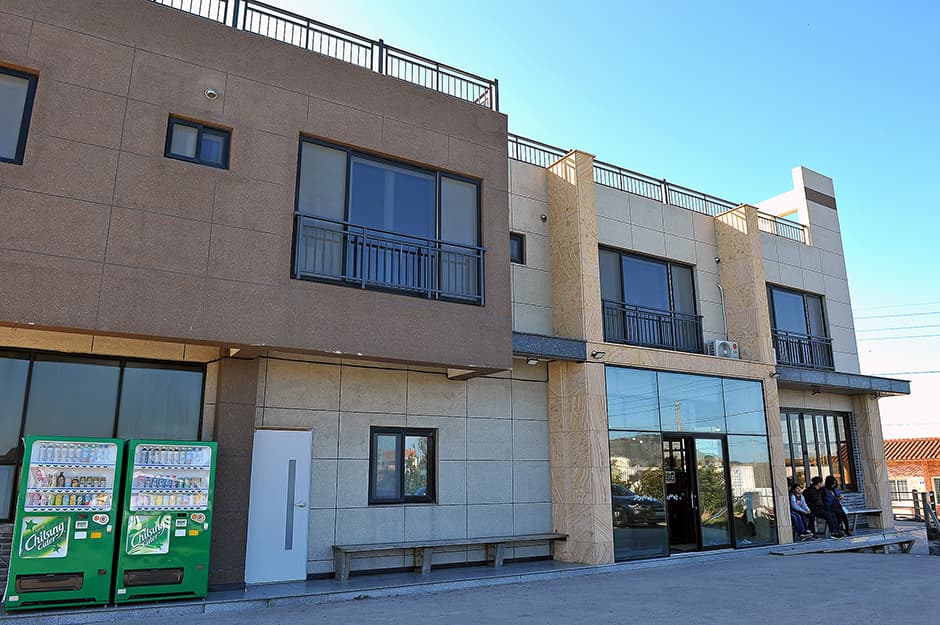
Located in Seongsan-eup, Gasia Bang Guksu is a popular local restaurant specializing in Gogi-guksu (meat noodles), a signature Jeju specialty. The signature meat noodles feature a rich, savory broth paired with tender yellow noodles and flavorful Dombe-gogi (boiled pork) toppings. Other popular choices include spicy mixed noodles (Bibim-guksu) and anchovy noodles, both known for their unique umami flavors. For those wanting to try a bit of everything, the set menu offers a great value, allowing you to enjoy both noodles and a portion of Dombe-gogi in one meal.
 Nature120 min
Galmamot Pond
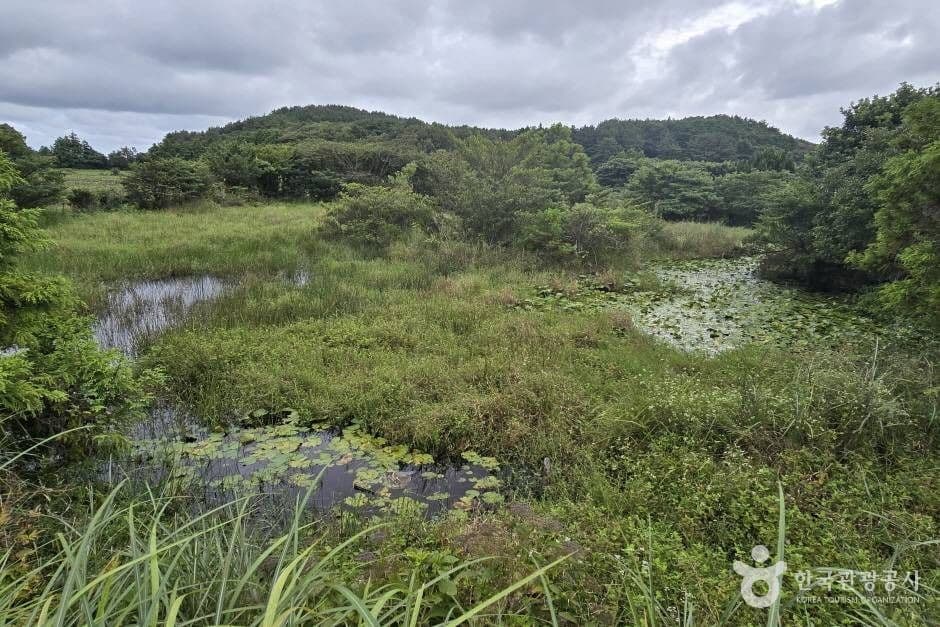
Located at the entrance of Namsanbong along the road leading to Seongsan from Seongeup-ri intersection, this pond is administratively part of Sinpung-ri but belongs to the village of Seongeup-ri due to its proximity. According to feng shui lore, its name "Galmamot" originates from the sight of a thirsty horse drinking its fill, or from its historical use as a watering hole for horses and cattle. This natural pond is renowned for never running dry, even during severe droughts. A small central pool is encircled by a stone wall and features a "mulpangdol" (a stone used for drawing water), a remnant of its time as a primary drinking water source. Water is believed to flow into the pond via a channel from the crater of Namsanbong, supplemented by an artificial drainage system installed beneath the roadside. While a small portion (approximately 60㎡) was reclaimed for agricultural use, the pond remains a vibrant ecosystem. The central pool hosts colonies of *Nymphoides peltata* (water nymph), a protected species designated by the Ministry of Environment, while the edges are dominated by *Eleocharis* (spikerush). The diverse vegetation can be categorized into distinct communities of *Eleocharis*, *Sagittaria*, *Nymphoides*, and *Nymphoides peltata*, with shallower edges supporting species like *Alisma*, *Scirpus*, and *Ludwigia*.
 Nature120 min
Gapseon-i Oreum
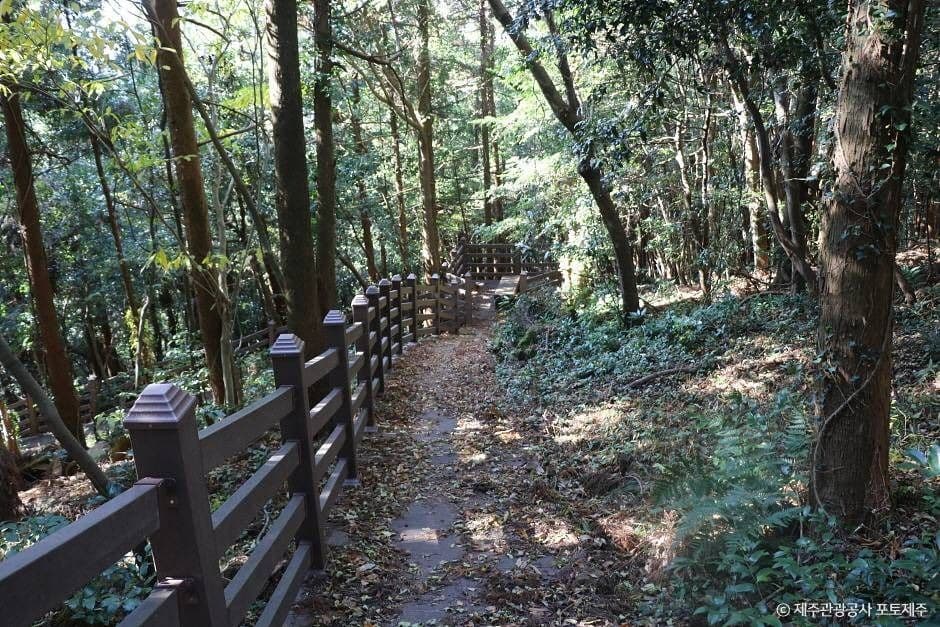
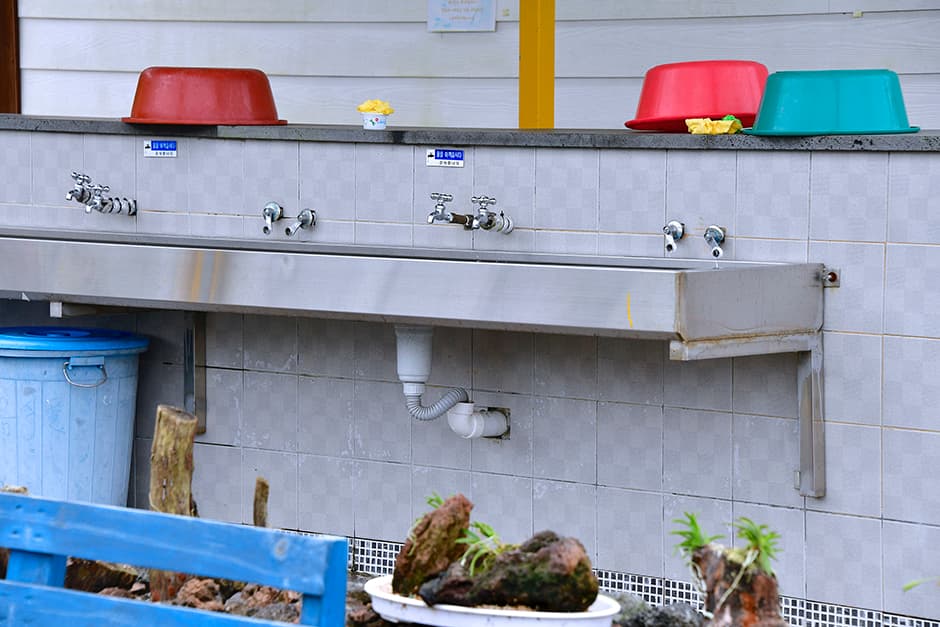
Located in Gasi-ri, Pyoseon-myeon, Seogwipo, Gapseon-i Oreum features a distinctive horseshoe-shaped crater that opens toward the southwest. The landscape is defined by the Gasinae stream flowing to the west and the cozy village of Gasi-ri nestled nearby. The terrain is surrounded by Seol Oreum to the northwest and Gasio Oreum to the south. While the exact meaning of the native Jeju name "Gapseon-i" remains uncertain, historical Chinese character transcriptions include Gapseonak (甲先嶽), Gapseonak (甲蟬嶽), and Gapseonak (甲旋嶽). Some believe the name originates from the latter transcription, suggesting the shape resembles a cicada or a grub that has yet to shed its shell. The surrounding area is characterized by a peaceful patchwork of graveyards, orchards, and farmland. A stream named Gamacheon flows between the village and the oreum, eventually leading to the shores of Sehwa-ri. The foothills are planted with cedar trees, while the slopes are covered in lush mixed forests of evergreen and deciduous trees.
 Nature120 min
Golche Oreum Camping
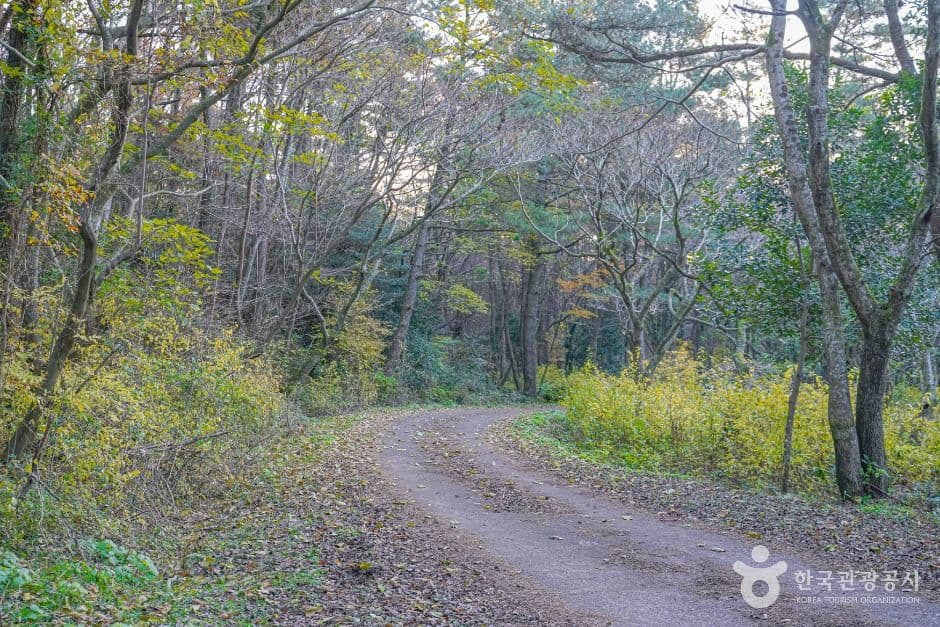
Golche Oreum Camping is an ideal family campsite featuring a central grassy field where children can run freely. The site offers free rentals of soccer balls, badminton sets, catch balls, jump ropes, and hula hoops, making it an easy place to enjoy outdoor play. The central lawn provides a safe play area for children, allowing parents to keep a watchful eye from the comfort of their tents. The facilities include six well-maintained wooden deck camping sites and clean, refreshing restrooms, including accessible facilities for people with disabilities. Each site is equipped with its own distribution box for convenient electrical use. Surrounded by numerous oreums (volcanic cones) such as Geumun, Ujinjebi, Min, Budae, and Buso, the area is perfect for scenic walks. Jeju's oreums are said to change their appearance depending on the season, weather, time of day, and even one's mood. This campsite offers the perfect opportunity to experience the ever-changing beauty of these volcanic landscapes.
 Nature120 min
구두리오름
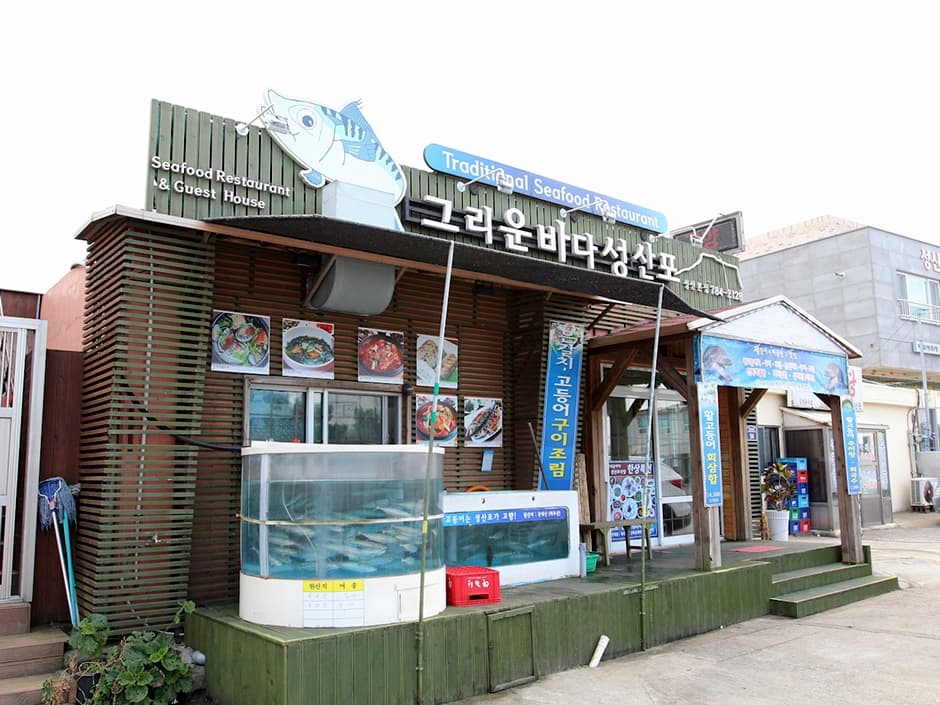
구두리오름은 모양이 개의 머리와 닮았다고 해서 이름 붙여진 오름으로, 작고 아늑한 규모를 지니고 있습니다. 정상에는 특별한 전망대나 뷰가 없어 인증이나 연이은 오름 트레킹 코스로 적합하며, 동서북쪽은 목장이나 목초지로 이용되는 넓은 평지를 형성하고 있습니다.
 Nature120 min
Geuriun Bada Seongsan-po
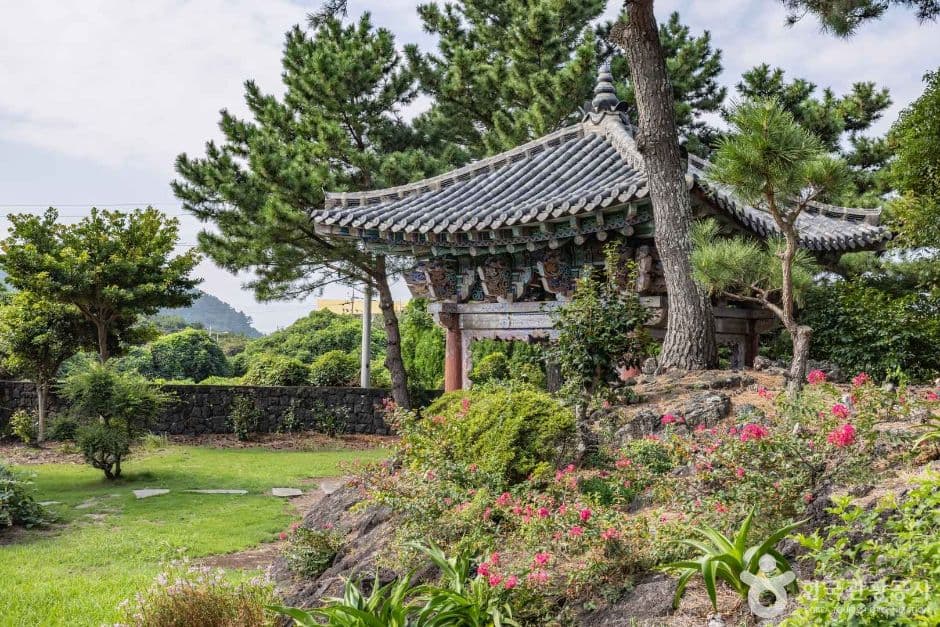
Located at the entrance of the Seongsan Port General Passenger Terminal, this specialty restaurant focuses on fresh mackerel sashimi. They offer a variety of beautifully presented set meals featuring fresh, locally sourced Jeju seafood. Signature menu items include mackerel samhap—a delicious combination of mackerel sashimi, perilla leaves, and special wasabi rice—as well as silver hairtail sashimi and yellow crab marinated in soy sauce.
 Nature120 min
Geumnyongsa Temple (Jeju)
Located in Gimnyeong-ri on the eastern side of Jeju Island, Geumnyongsa Temple traces its origins to a念佛堂 (Nembutsu hall) established in 1930 by Kim Yeon-hwa. This natural sanctuary is characterized by its harmonious blend of flat rocks and pine trees, with a distinctive labyrinthine cave system extending beneath the main temple grounds.