Explore Jeju

Find 6,600+ places by area, type and mood.

2,826 places

Seongsan Ilchulbong (Sunrise Peak)Nature

East90 min

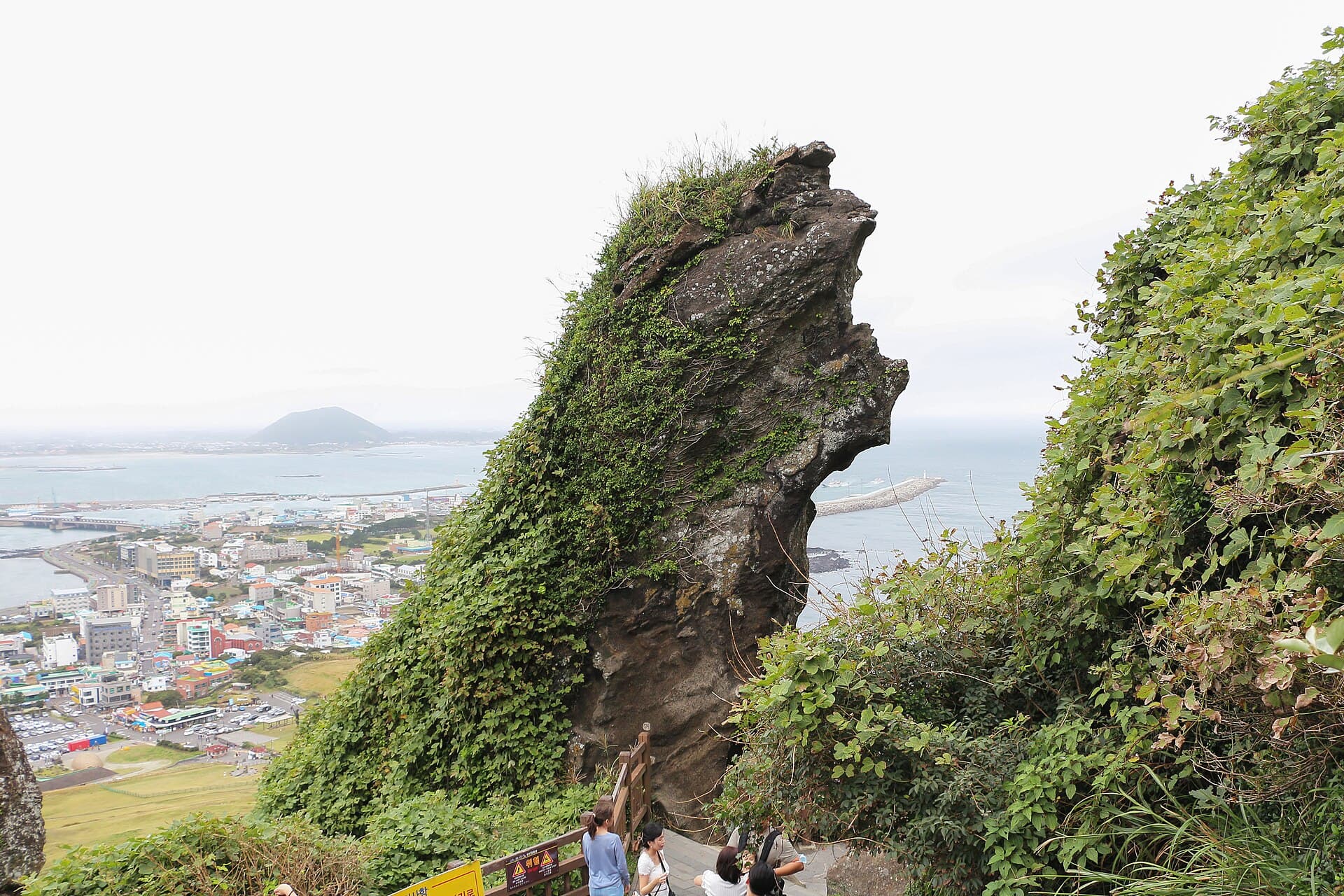
Seongsan Ilchulbong (Sunrise Peak)

Formed by a volcanic eruption under the sea approximately 5,000 years ago, Seongsan Ilchulbong (Sunrise Peak) is a magnificent tuff cone that has been designated as a UNESCO World Natural Heritage site, a Global Geopark, and a Natural Monument. Its unique terrain, reminiscent of a fortress, offers a breathtaking backdrop for one of South Korea's most stunning sunrise views. To preserve its natural splendor, the crater of Seongsan Ilchulbong (Sunrise Peak) and the surrounding 1km marine area are strictly managed as a protected natural zone.

Udo IslandNature

East240 min

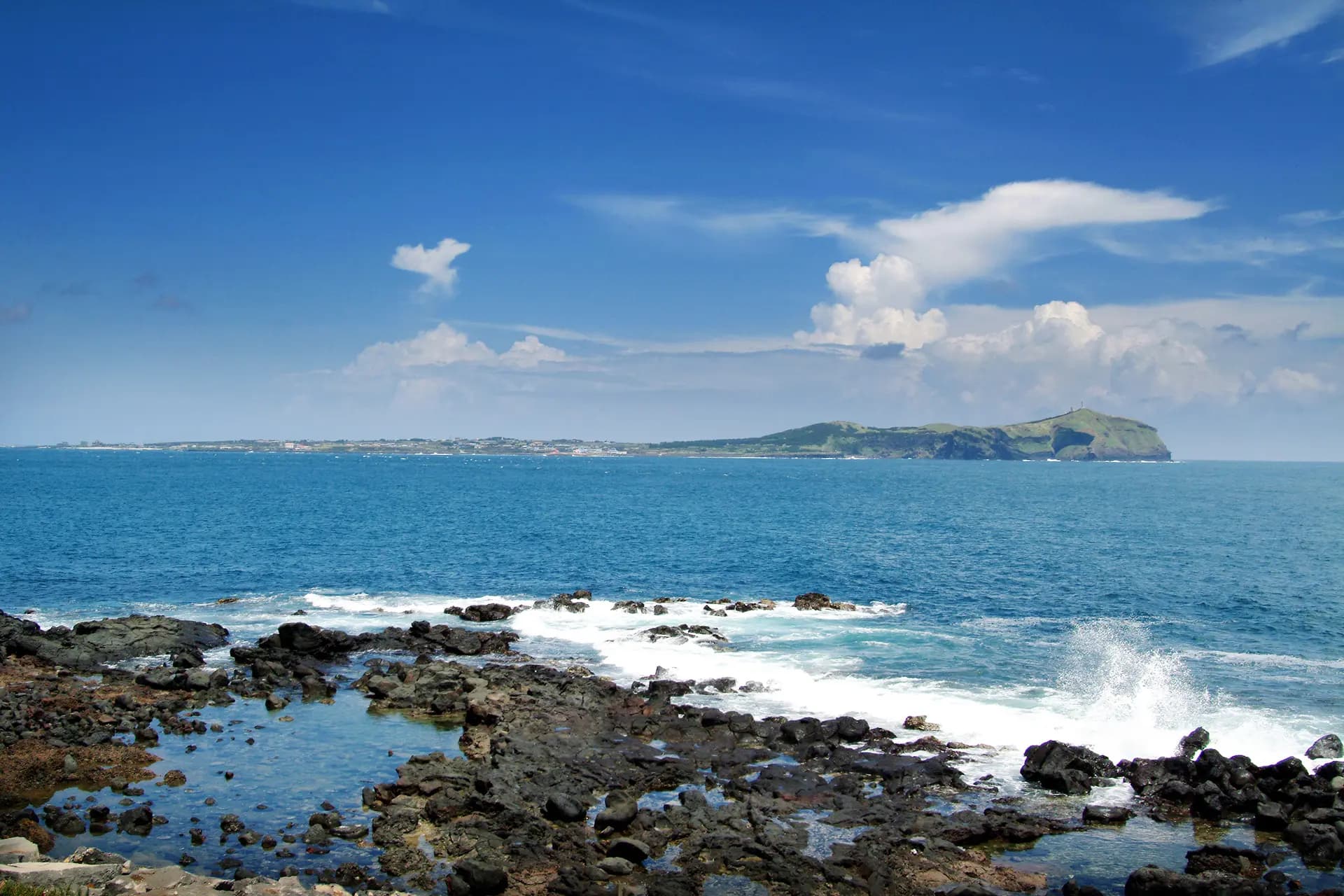
Udo Island

Udo Island, affectionately known as “Cow Island” or “Seo Island” due to its resemblance to a resting cow, is one of Jeju’s most iconic satellite islands. Blessed with gentle slopes and abundant fishing grounds, it offers pristine natural beauty that draws visitors from near and far. Located just a 15-minute ferry ride from Seongsan Port or Jongdal Port, Udo Island is a marine provincial park renowned for its breathtaking scenery and vibrant coastal charm. Home to the famous Udo Eight Scenic Views and the pristine Hago Sudong Beach, this enchanting destination welcomes approximately two million tourists each year, making it a must-visit spot for nature lovers and adventure seekers alike.

Iho Tewoo BeachNature

North120 min

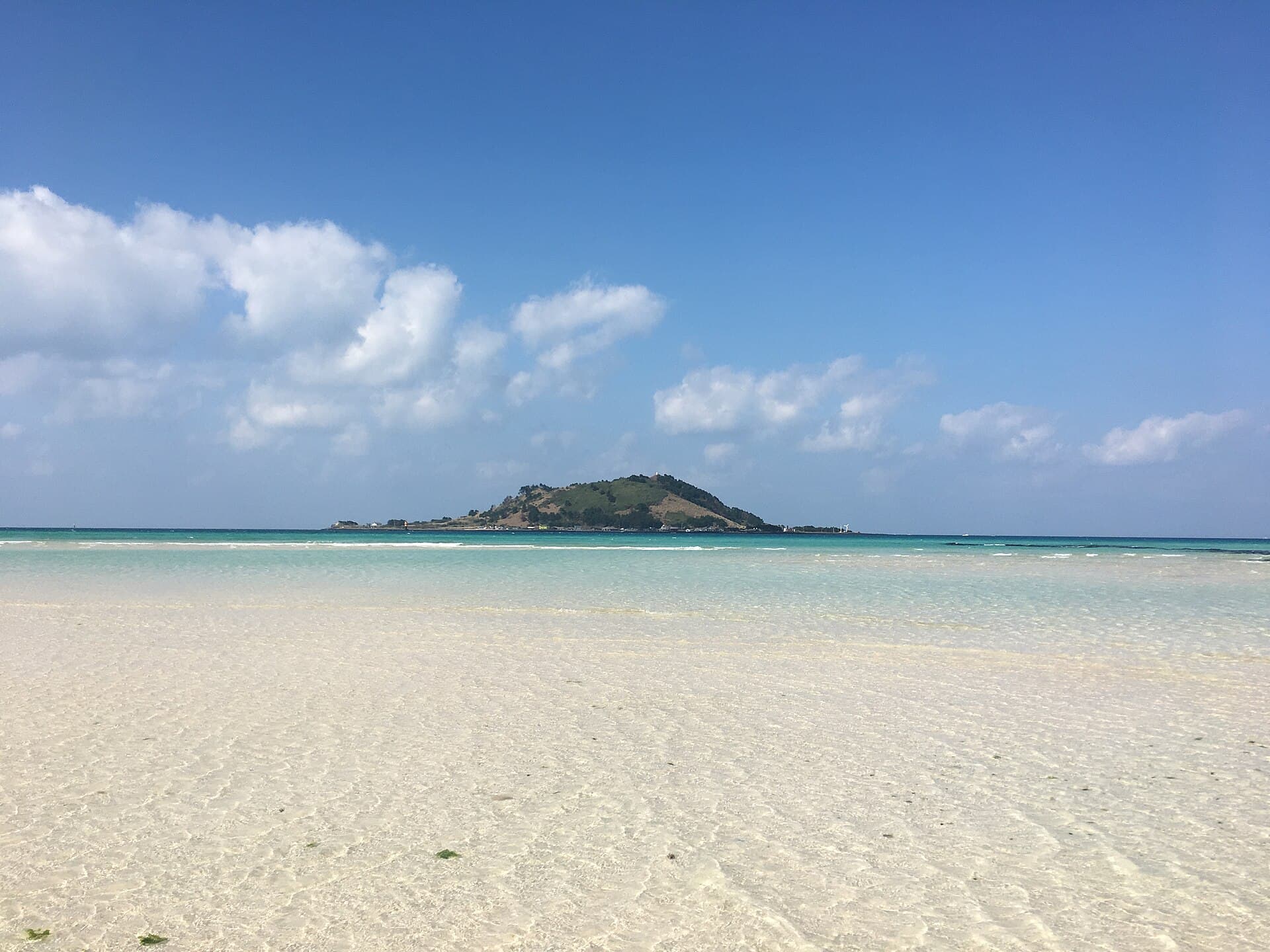
Iho Tewoo Beach

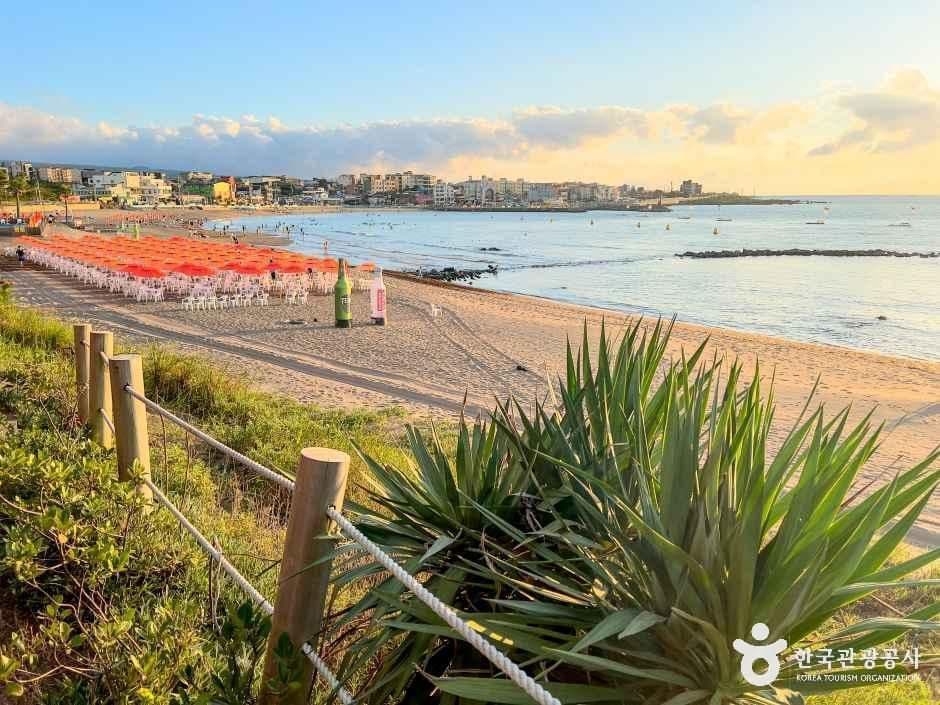
Iho Tewoo Beach (Iho Beach) is a great place to take photos of Jeju Island thanks to its pony lighthouses, where the striking contrast between the red and white ponies creates an exotic landscape. It is conveniently located near Jeju City with well-equipped amenities. The gentle slope of the sandy beach attracts many vacationers, and a pine forest provides the perfect setting for camping. During low tide, when the sea level is at its lowest, you can see the vast expanse of the white sand beach along with the wondam. The wondam is a traditional Jeju fishing method that utilizes the difference between high and low tides; at Iho Tewoo Beach (Iho Beach), the space known as Iho Mosalwon has been restored to showcase this method.

Seongeup Folk VillageNature

East120 min

Seongeup Folk Village

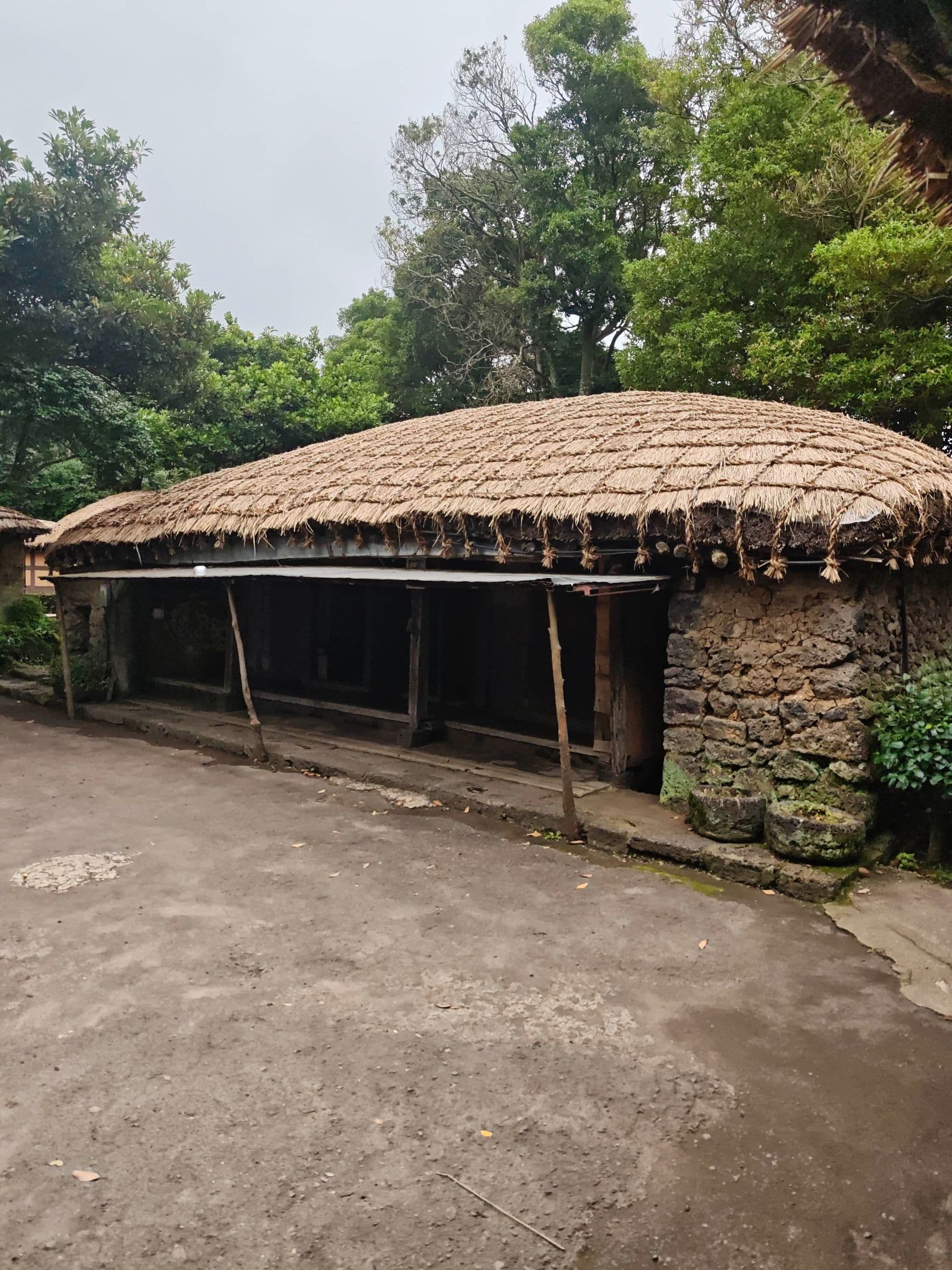
Located about 8km north of Pyoseon-ri at the foot of Hallasan Mountain, Seongeup Village once served as the capital of Jeongui-hyeon during the era when Jeju was divided into three administrative districts (1410–1914). Today, it is a designated folk village that meticulously preserves the traditional architectural landscape and cultural heritage of old Jeju. Visitors can explore a wealth of tangible heritage, including traditional thatched houses, Confucian academies, historic government offices, Dolharubang statues, stone millstones, fortress walls, and monuments. The village also breathes with intangible traditions, such as local folk songs, traditional games, regional cuisine, folk crafts, and the unique Jeju dialect. Ancient zelkova and hackberry trees, some hundreds of years old, stand as proud witnesses to its five-century history as a capital. As one of the best-preserved sites for traditional thatched-roof houses, Seongeup Folk Village offers a rare opportunity to see residents living in authentic traditional homes and to experience the 'tongsi'—Jeju's unique traditional outdoor toilet. The harmonious blend of ancient trees, stone walls, and historic fortress ruins creates an elegant atmosphere that vividly showcases its storied past.