Explore Jeju

Find 6,600+ places by area, type and mood.

1,225 places

Wangilbeonji SikdangFood

East90 min

Wangilbeonji Sikdang

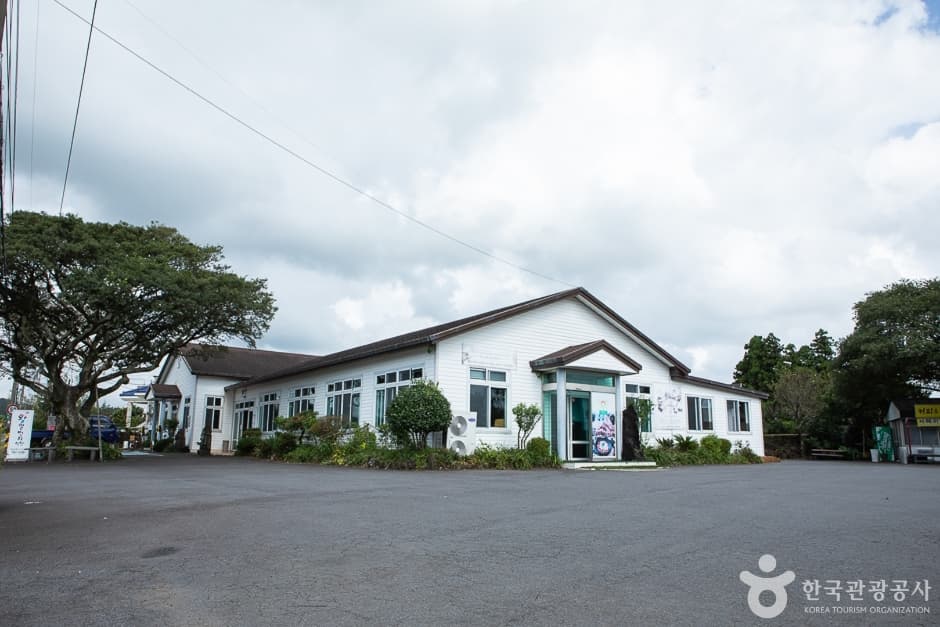
Wangilbeonji Sikdang is a specialty restaurant for black pork bulgogi located near Seongeup Folk Village, featuring Jeju-grown bracken and Jeju black pork as its main ingredients. As an "Ansim Sikdang" (Safe Restaurant) certified by the Ministry of Agriculture, Food and Rural Affairs, it is characterized by its "samhap"—a flavorful combination of black pork bulgogi served with bracken and shiitake mushrooms. With its modern, large-scale building, clean interior, and complete parking facilities, Wangilbeonji Sikdang is also highly convenient for large groups.

Yumin Art Nouveau MuseumExperience

East120 min

Yumin Art Nouveau Museum

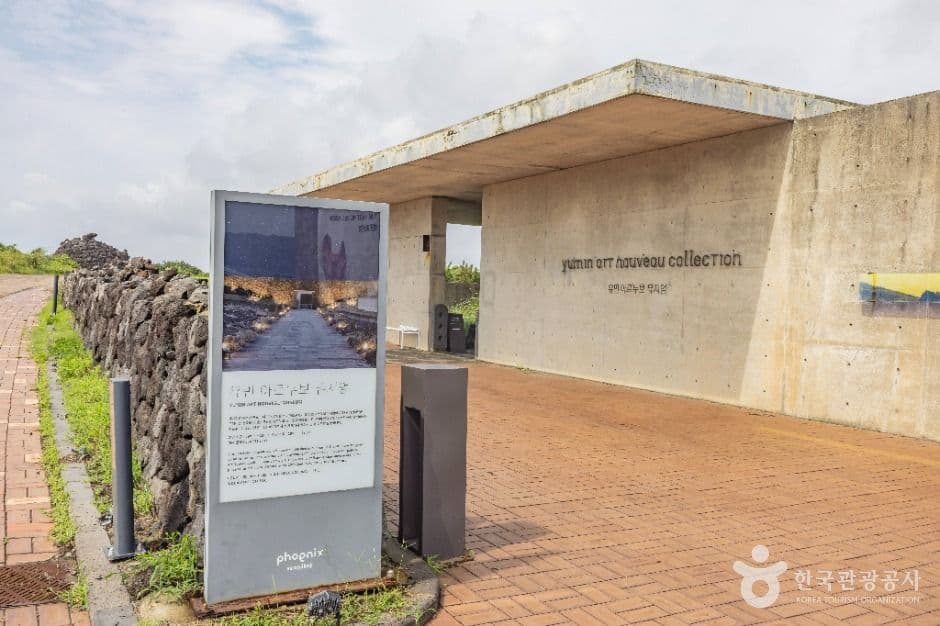
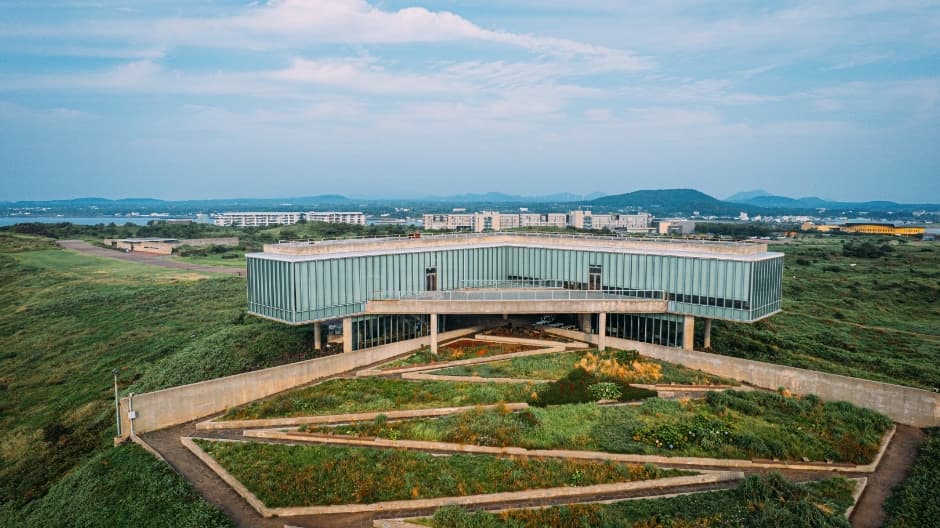
Opened on June 9, 2017, the Yumin Art Nouveau Museum is South Korea's only museum dedicated to Art Nouveau glass art, located within Phoenix Jeju Seopjikoji. It is situated within "Genius Loci," designed by the world-renowned architect Tadao Ando, while the exhibition spaces were designed by Danish architect Johan Karlsson. Visitors can admire French Art Nouveau glass artworks, and the architecture itself—where the geometric lines of exposed concrete harmonize with the surrounding nature—serves as a major highlight of the visit.

Jeongui HyanggyoExperience

East120 min

Jeongui Hyanggyo

Jeongui Hyanggyo is a Confucian school established in the early Joseon Dynasty (founded in 1416) to provide education and moral guidance to the local people, and it has been designated as Jeju Special Self-Governing Province Tangible Cultural Heritage No. 5. The Daeseongjeon Shrine and Myeongnyundang Hall are arranged side by side. Daeseongjeon enshrines the memorial tablets of the Five Sages, including Confucius, the Four Sages of the Song Dynasty, and the 18 Sages of Korea. With various Songdeokbi monuments erected both inside and outside the grounds, Jeongui Hyanggyo is a place where one can explore the historical value of Confucian schools from the Joseon Dynasty.

Dangcheomul Cave [UNESCO World Natural Heritage]Nature

East120 min

Dangcheomul Cave [UNESCO World Natural Heritage]

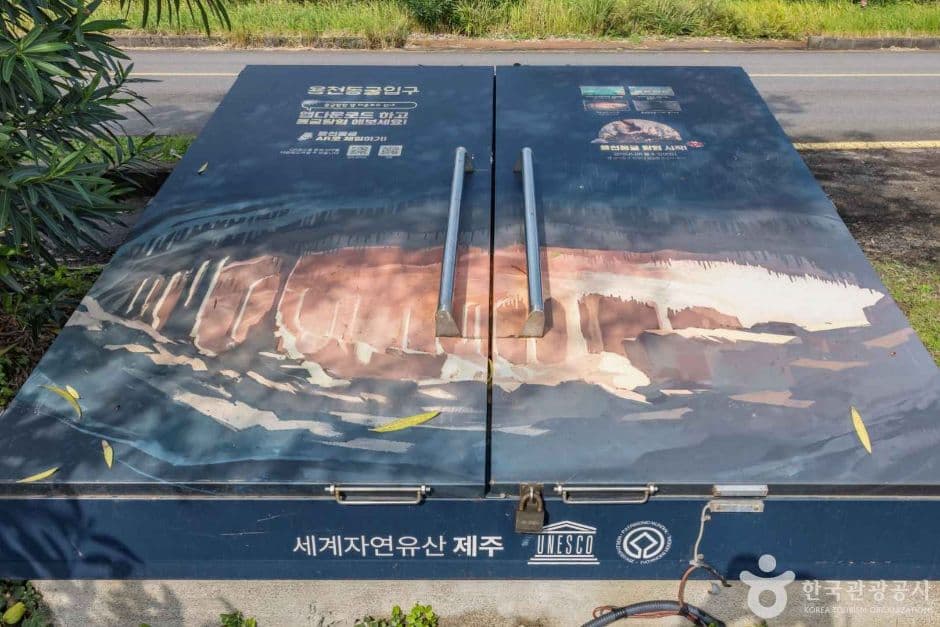
Dangcheomul Cave is a lava tube belonging to the Geomunoreum Lava Tube System, estimated to have formed approximately 320,000 years ago. Despite being a lava tube, it is characterized by the development of secondary formations similar to those found in limestone caves due to the calcareous components of the shell sand on the surface. Inside the cave, unique geological landscapes can be seen, including icicle-shaped stalactites, stalagmites, and columns formed where they meet. As there is no entrance, the cave's interior remains perfectly preserved.

Go Chang-hwan Ancestral House in Seongup Village, JejuNature

East120 min

Go Chang-hwan Ancestral House in Seongup Village, Jeju

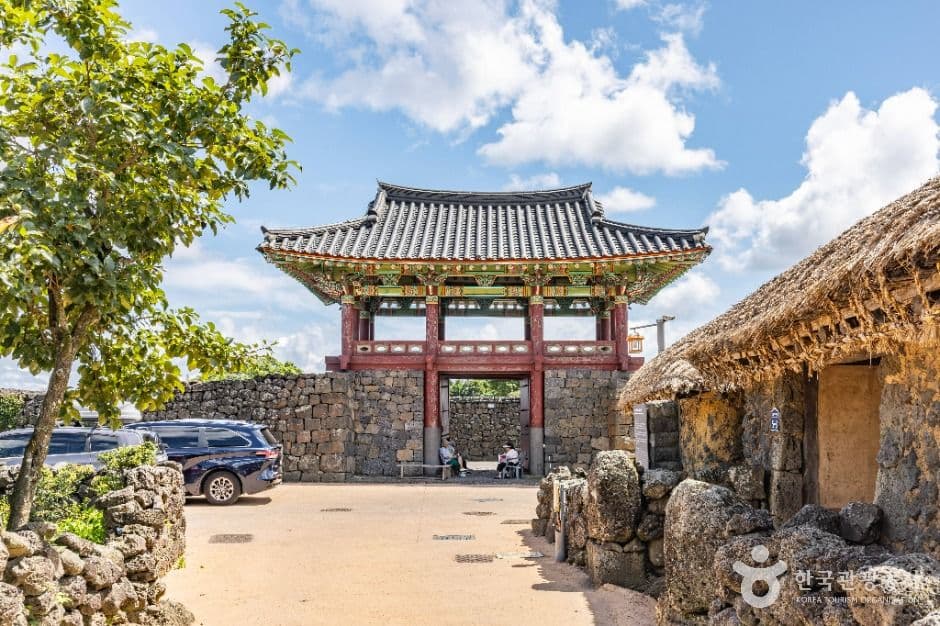
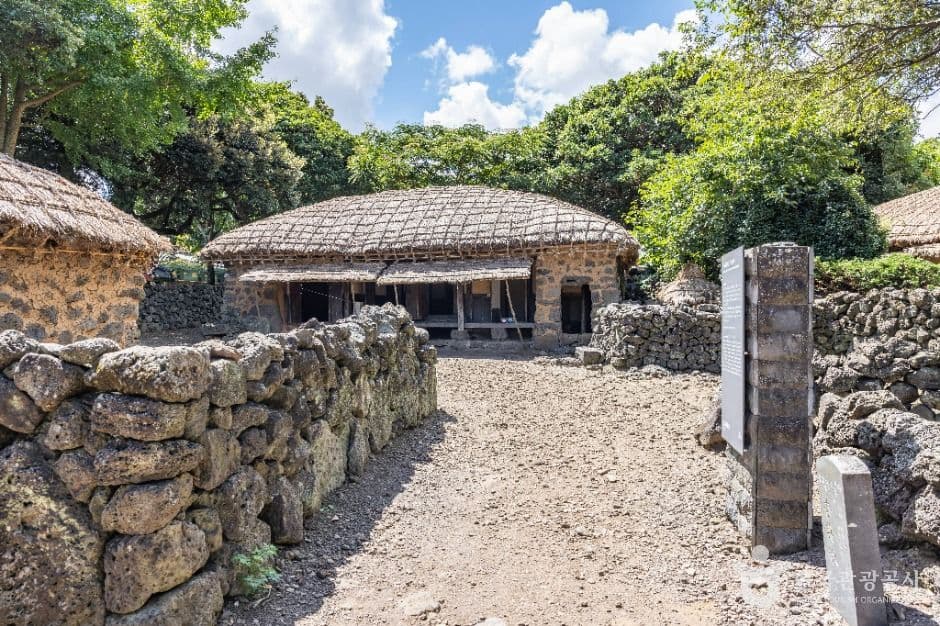
Go Chang-hwan Ancestral House in Seongup Village, Jeju is a traditional house from the late Joseon Dynasty, estimated to have been built in the early 19th century. It was once used as an inn for the Jeongui-goeul area, earning it the nickname "Yeogwan-jip" (inn house) among local residents. The site well preserves a simple farmhouse layout consisting of an inner house (anchae) and a barn (heotganchae). In particular, visitors can observe the unique architectural features of residential houses in the San-nam region of Jeju, such as the entrance structure without a main gate and the horyeongchang (saenggitmun).