 Experience
Sanbangsan Mountain
Hallasan cut off and thrown by Seolmundae Halmang · Scenic Site No. 77 · Natural Monument No. 376 · Olle Trail Route 10
Find 6,600+ places by area, type and mood.
815 places
ExperienceHallasan cut off and thrown by Seolmundae Halmang · Scenic Site No. 77 · Natural Monument No. 376 · Olle Trail Route 10
 Experience
A hidden valley where seawater and freshwater meet, marking the end of Jeju Olle Trail Route 5 and the beginning of Route 6
 Experience
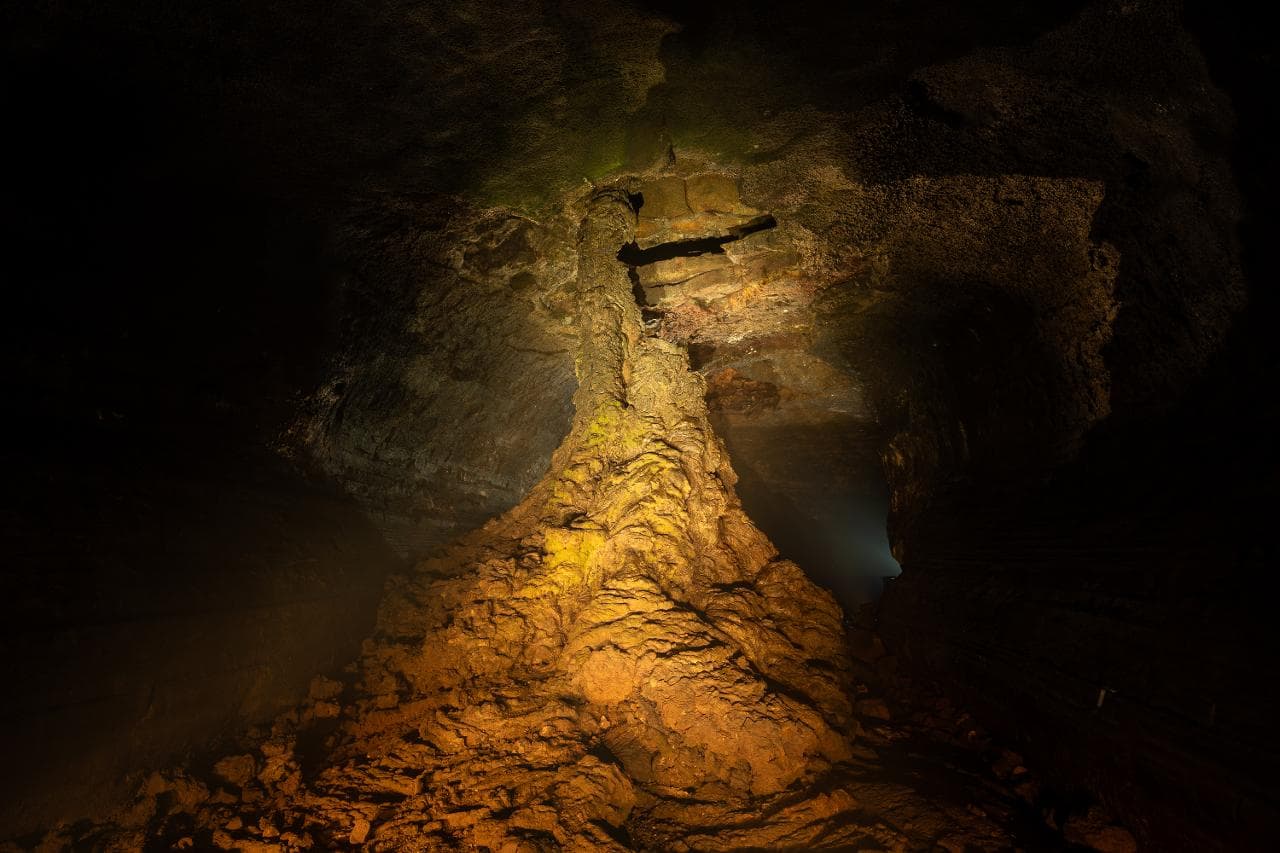
Located in Gujwa-eup, Jeju City, Manjanggul Lava Tube (UNESCO World Natural Heritage) is part of the Geomunoreum Lava Tube System and stretches approximately 15km in total length. The interior features a stunning array of formations, including lava stalactites and stalagmites. At the end of the open section, visitors can marvel at a massive lava column standing about 7.6 meters high, which is renowned as one of the largest of its kind in the world.
 Experience
Located in Seogwi-dong, Seogwipo, Jeju, Cheonjiyeon Falls is characterized by its striking white columns of water that thunder down from towering rocky cliffs. Standing approximately 22 meters high, the name Cheonjiyeon translates to "the pond where heaven and earth meet." The area boasts beautifully preserved natural vegetation and serves as a vital habitat for various species, including the natural monument, the Korean spine eel.
 Experience
Located in Hallim-eup on the western coast of Jeju, Biyangdo Island is the only island in Korea with a documented history of its formation. Despite its small size of 0.5 km², it is a captivating destination that can be fully explored within two to three hours. As you wander along the scenic coastal paths, you will encounter striking rock formations such as Aegieop-eun Dol (the Mother and Child Rock) and Elephant Rock. Other must-visit landmarks include the Biyangdo Island lighthouse and Pillangmot Pond, both of which offer beautiful views for travelers.
 Experience
Opened on September 1, 2007, Jeju Museum of Contemporary Art is located in the heart of Jeoji Artist Village, where visitors can enjoy both the natural environment and culture and arts together. It is the only museum established through the free donation of representative works by the artist Kim Heung-su, and it serves as a complex cultural space featuring an outdoor performance stage, special exhibition halls, and permanent exhibition halls.
 Experience
Located in a charming fishing village overlooking the white sands of Sehwa-ri in Gujwa-eup, the Jeju Haenyeo Museum showcases the rich history of Haenyeo culture—a tradition dating back to ancient times—alongside diverse marine, fishing, and folk artifacts. Every exhibit inside and outside the Jeju Haenyeo Museum, including the authentic Haenyeo houses, was generously donated by the Haenyeo themselves. Visitors can gain deep insights into their unique culinary traditions and the spiritual heritage of the Yeongdeunggut rituals.
 Experience
Exhibits of traditional crafts and contemporary art, housed in a building featuring world-renowned architect Tadao Ando’s signature poetic harmony of eco-friendly architecture
 Experience
As an affiliate of the National Museum of Korea, Jeju National Museum showcases a vast collection of artifacts excavated from Jeju Island and its surrounding waters, offering a deep dive into the island's history and traditional culture from prehistoric times to the Joseon Dynasty. Located south of Sarabong Park, the museum provides stunning views overlooking Jeju Port, while its exhibits beautifully weave together Jeju's natural wonders—such as Hallasan and Seongsan Ilchulbong—with rich ethnographic materials.
 Experience
Perhaps a bit whimsical, yet joyful: step into this mysterious Supermarket and discover a whole new world inside.
 Experience
The World Automobile & Piano Museum opened in 2008 as Asia's first private automobile museum, and in 2019, it expanded to include Korea's first piano museum, creating an educational space where history, culture, and art coexist. The automobile exhibition hall is arranged chronologically to help visitors understand the flow of Korean history, and the museum offers various experiential programs, including piano docent experiences, children's traffic safety experiences, and driving simulators.
 Experience
Opened in 1984, the Folklore & Natural History Museum is a premier museum in Jeju. It houses approximately 12,000 artifacts across several sections, including the Natural History Exhibition Hall (Geology and Terrestrial Ecology Halls), the Folklore Exhibition Hall, and the Jeju Sea Exhibition Hall. The lobby features a 12.6-meter-long minke whale skeleton specimen and a large-scale fish diorama, offering visitors a multi-dimensional look at the formation of Jeju and the traditional way of life of its people, including Haenyeo and agriculture.