Explore Jeju

Find 6,600+ places by area, type and mood.

775 places

Sonammeori Nature

South120 min

Sonammeori

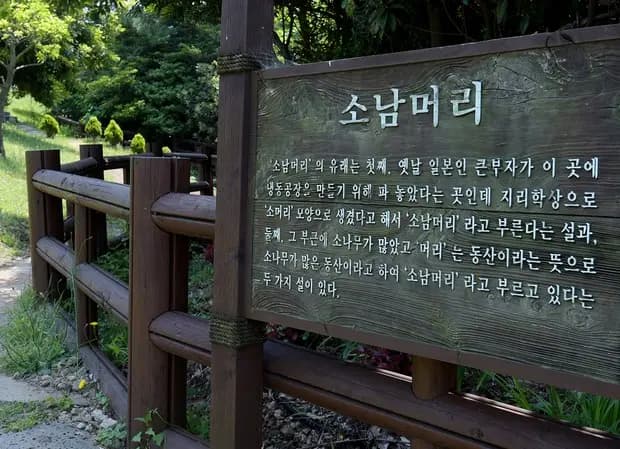
Located on the coast of Songsan-dong in Seogwipo, Sonammeori features stunning columnar joint cliffs formed by ancient volcanic activity. The site takes its name, Sonammeori, from its resemblance to a cow's head or from the abundance of pine trees in the area. Here, you can experience the harmonious blend of the sea, lush forests, and a gentle stream all in one place. Visitors can also enjoy the nearby Sonammeori Park, which is equipped with outdoor fitness facilities.

Former site of Joil ClubNature

North120 min

Former site of Joil Club

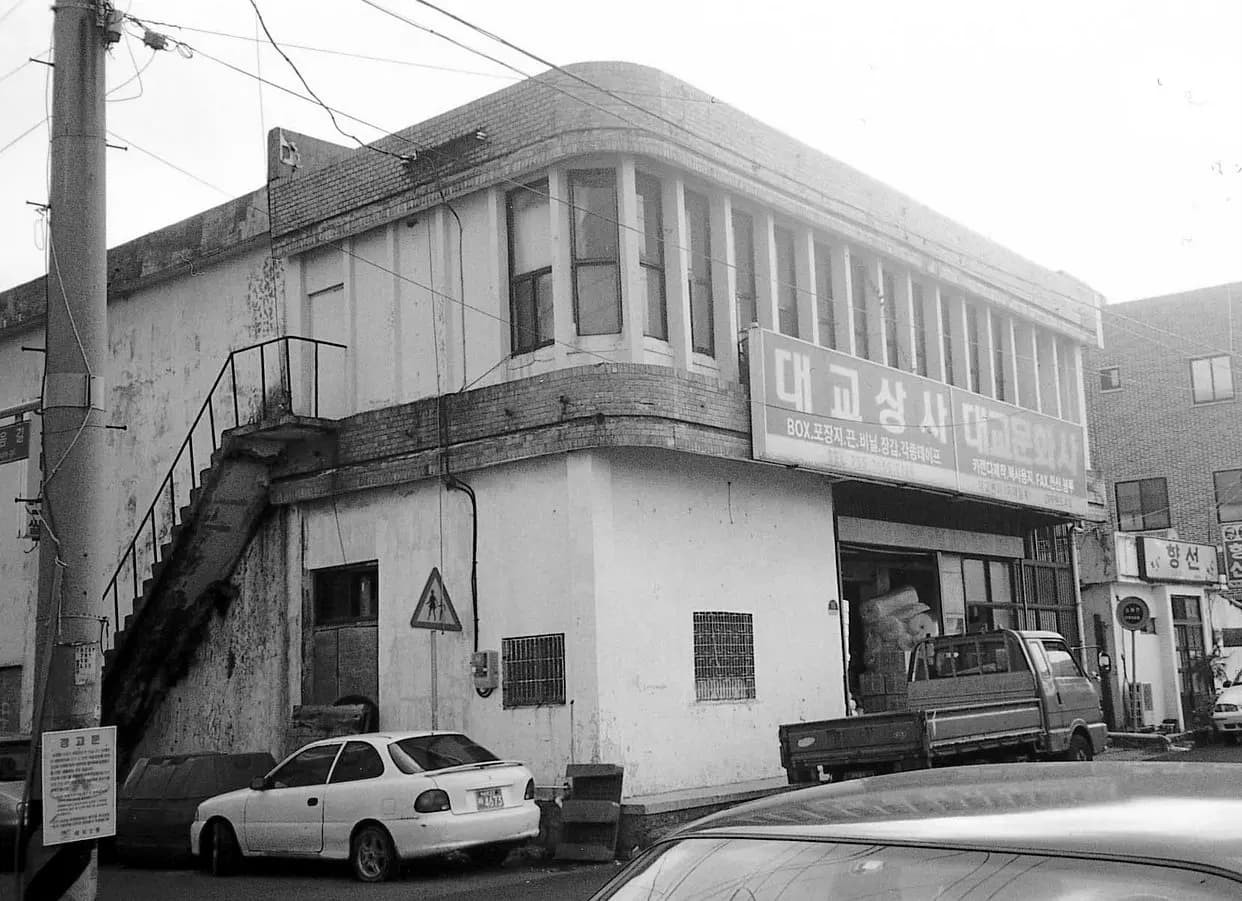
Serving as the only theater facility on Jeju Island during the Jeju 4.3 Incident, the Former site of Joil Club was a hub for various organizations and events. It holds profound historical significance as the place where the Jeju Provincial Committee of the Democratic National Front was formed on February 23, 1947, and later became the site of other major historical events, such as the establishment of the Jeju headquarters of the Northwest Youth Corps. Today, as the site is occupied by a private business named Daegyo Sangsa, it can be difficult to directly observe the physical traces of its past.

Mother-in-law's TableNature

North120 min

Mother-in-law's Table

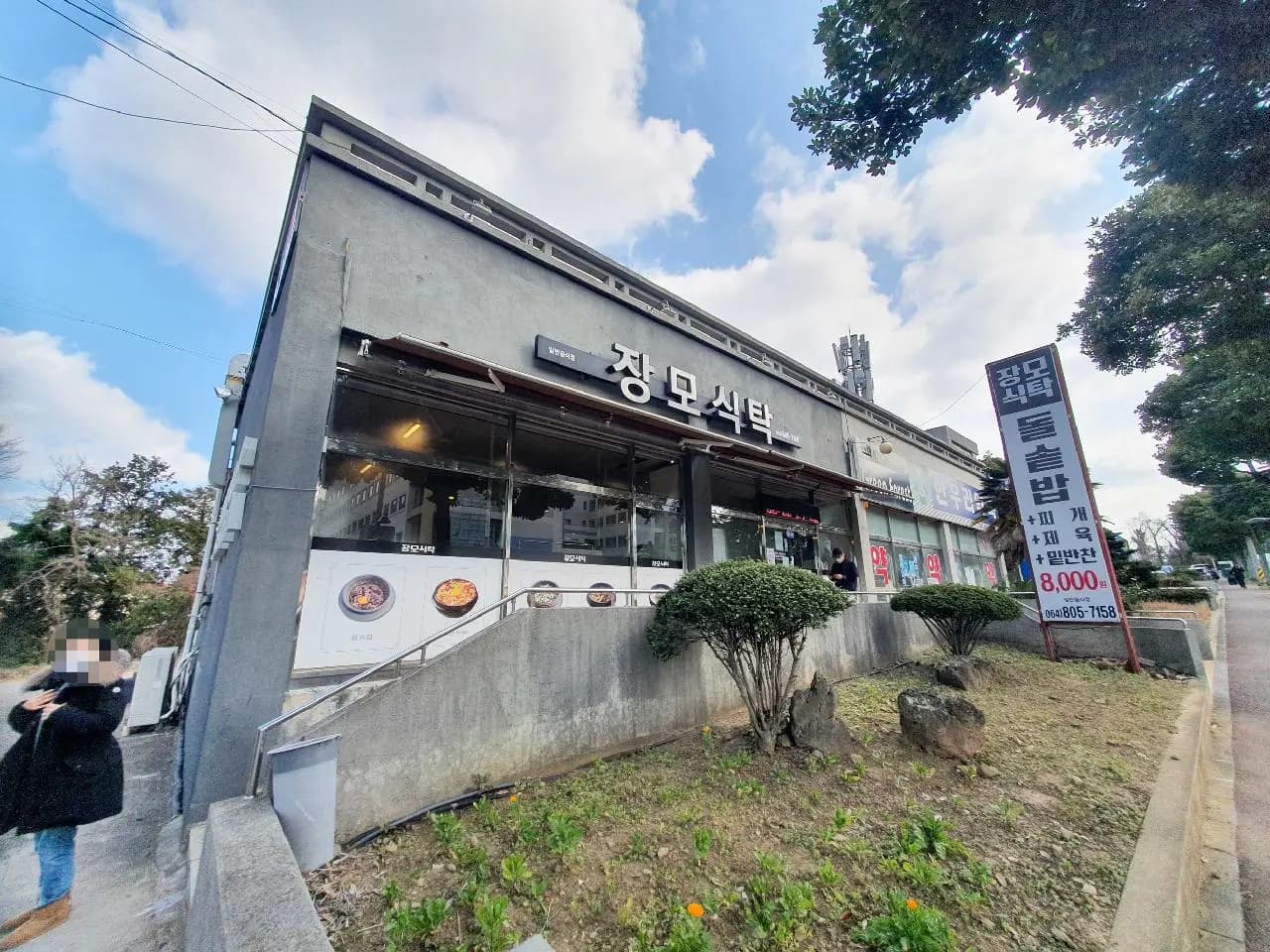
Located opposite Hamam Hospital in Idoi-dong, Jeju City, Mother-in-law's Table is a beloved specialty restaurant known for its traditional stone-pot rice dishes. Here, you can savor a hearty, home-style Korean meal featuring generous portions and warm hospitality. The menu highlights include abalone stone-pot rice and gondere (bristly ox-tongue grass) rice, all prepared with fresh, high-quality ingredients. Pair these comforting main dishes with side options like soft tofu stew or marinated yellow crab to experience the rich, savory flavors that make this spot a local favorite.

MandeokjeNature

North120 min

Mandeokje

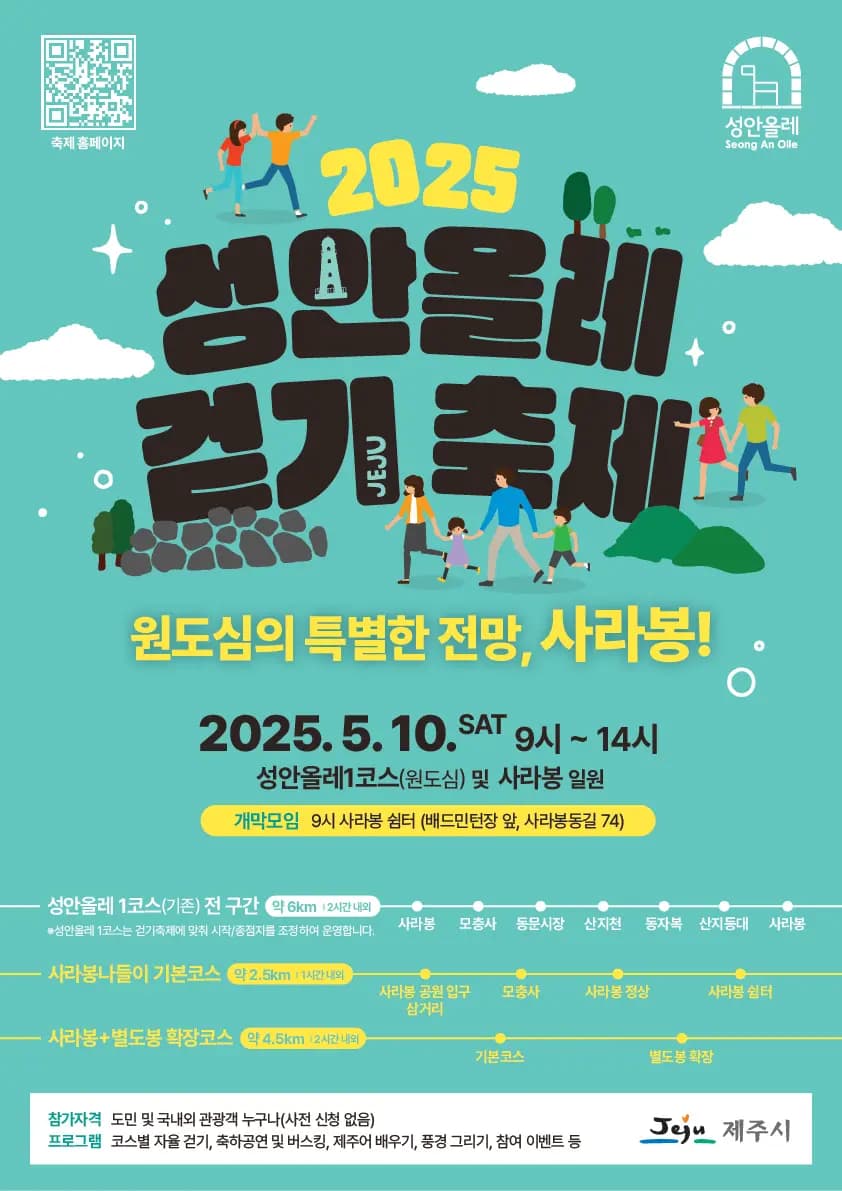
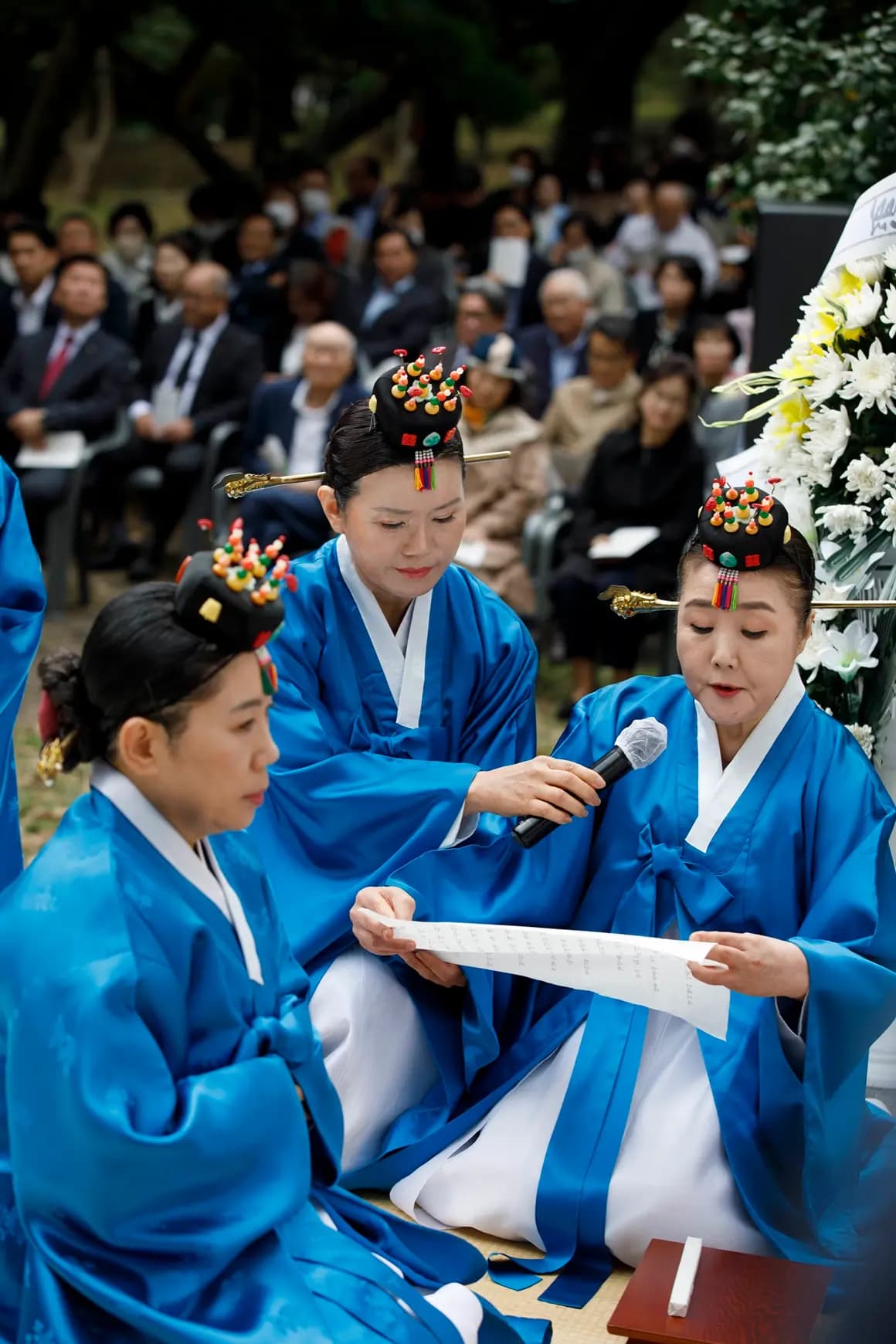
Mandeokje is a Confucian ritual performed annually since 1980 at the tomb of Kim Man-deok, located within Mochungsa Shrine at Sarabong in Geonip-dong, Jeju-si. It is held to honor the noble spirit of Kim Man-deok, a righteous figure who relieved the suffering of Jeju residents during the famine of the Joseon Dynasty. The ceremony takes place on the opening day of the Tamra Cultural Festival or on a weekend close to the anniversary of Kim Man-deok's passing. Unlike most traditional Korean rituals, Mandeokje is uniquely characterized by the selection of virtuous women to serve as ritual officiants. Alongside the ceremony, the Kim Man-deok Award is presented to individuals who have demonstrated dedicated devotion to practicing neighborly love and sharing.