2025 — 2026 Season
Jeju Now
6,000+ official Visit Jeju listings — browse by north, east, south, west or category, or explore themed picks below.
Nature
 Nature120 min
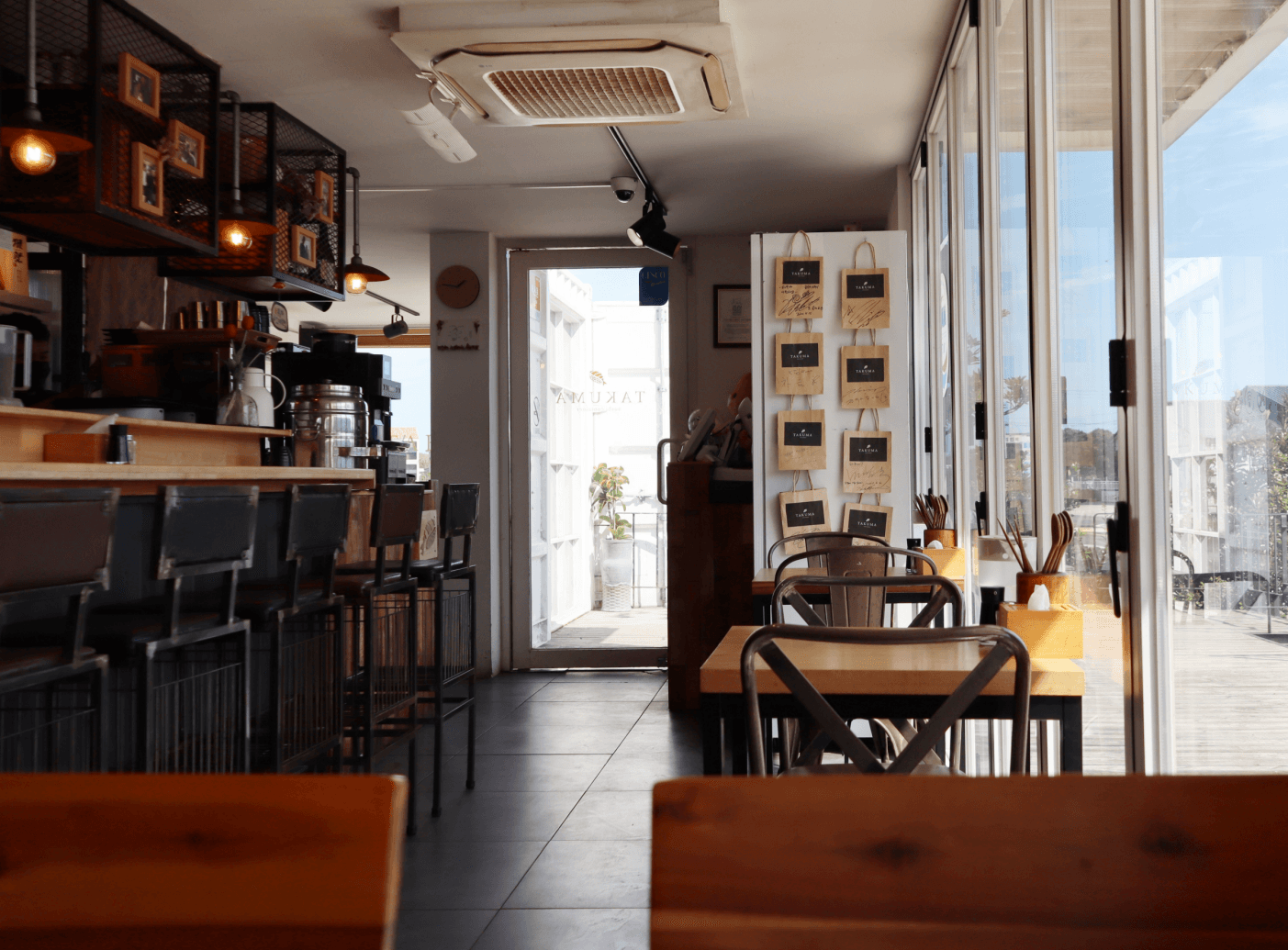
Seongsan Takumasushi
Located near Seopjikoji, this container-style sushi restaurant features exquisite cuisine crafted by a chef with professional hotel training. The menu offers assorted sushi sets and sashimi, with ingredients carefully selected daily for peak freshness, complemented by a unique black pork konjac appetizer. Beyond traditional Japanese fare, guests can also enjoy a diverse menu including poke bowls and pasta made with fresh Jeju ingredients.
 Nature120 min
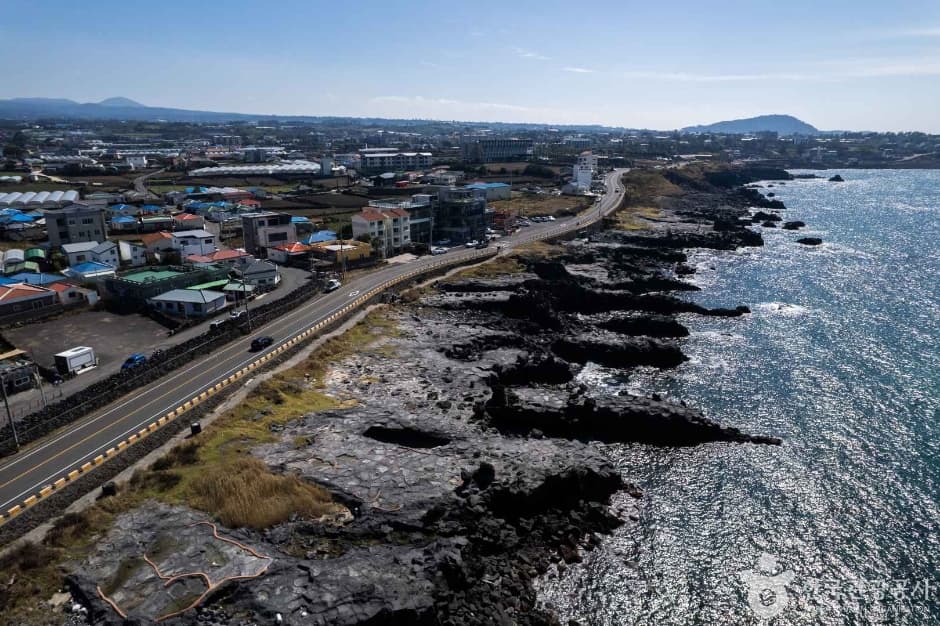
Seongsan-Sehwa Coastal Road
Stretching from Sehwa-ri in Gujwa-eup to Seongsan-ri in Seongsan-eup, this scenic coastal road traces the eastern edge of Jeju Island. Spanning a total of 15.8 km, it is distinguished as one of the longest coastal drives on the island and is renowned for its breathtaking coastal scenery.
 Nature120 min
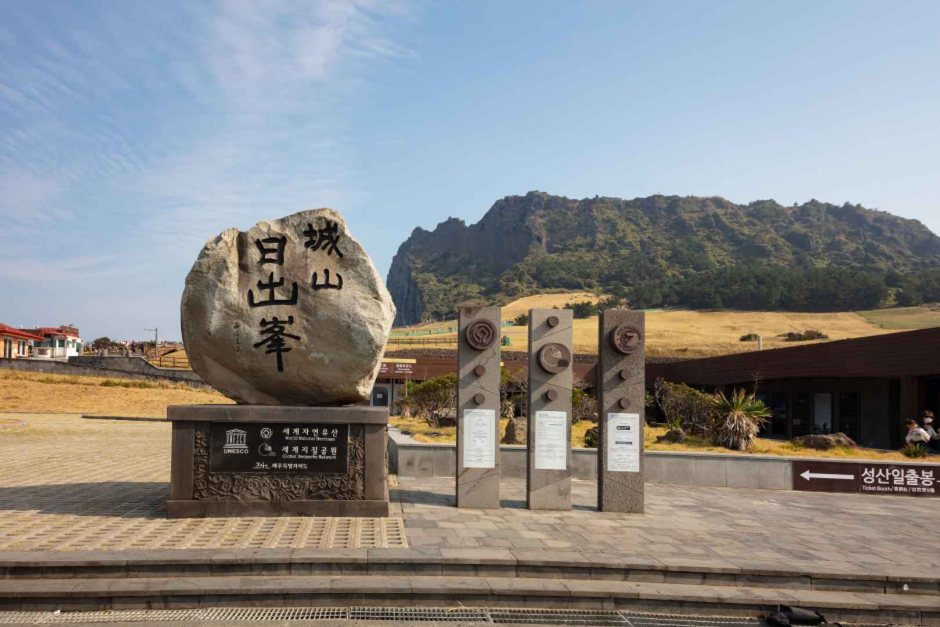
Seongsan Ilchulbong
Rising 180 meters above sea level, Seongsan Ilchulbong is a rare hydrovolcanic formation created by an underwater explosion approximately 5,000 years ago. Formed when hot magma met cold seawater, erupting viscous volcanic ash, its breathtaking sunrise from the summit is considered the finest of the Ten Scenic Views of Yeongju.
 Nature120 min
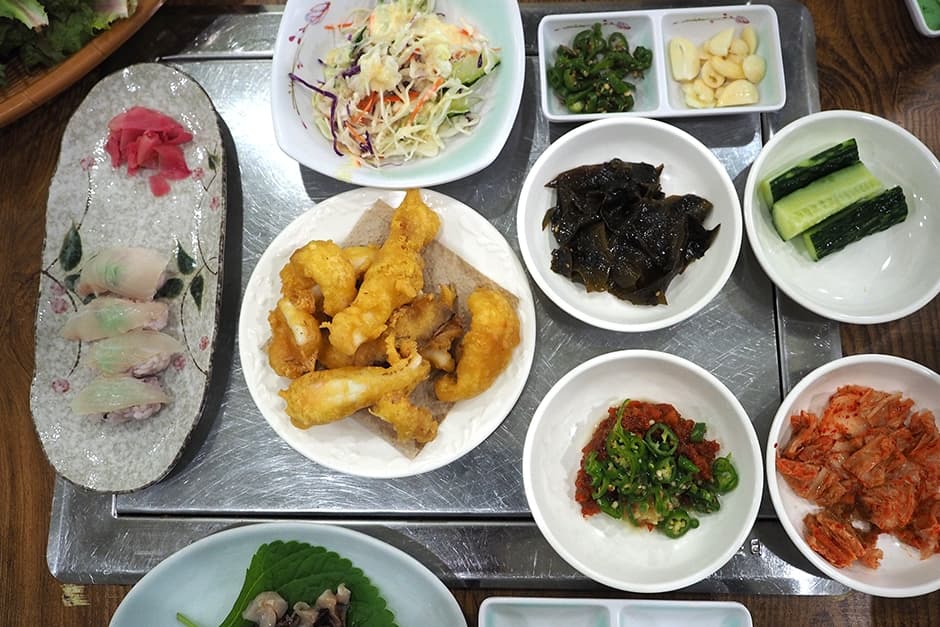
Seongsan-po Jayeonsan Hoe Center
Located near Seongsan High School, this specialty restaurant serves fresh, wild-caught sashimi. It is a trusted supplier of high-quality seafood to both Jeju and major markets like Noryangjin in Seoul. Known for its exceptional value, it is the perfect spot to enjoy premium wild-caught sashimi at reasonable prices.
 Nature120 min
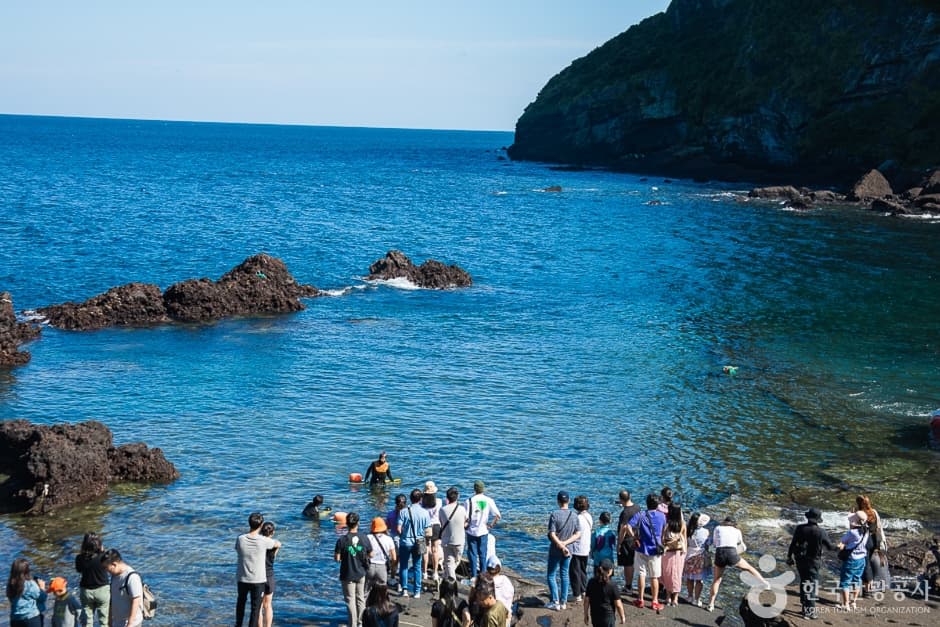
Seongsan Ilchulbong Haenyeo Performance Stage
Located near Seongsan Ilchulbong, this performance stage features authentic demonstrations by local haenyeo (women divers) from the Seongsan Fishing Village. The program includes introductions to the haenyeo lifestyle and demonstrations of traditional diving and seafood harvesting, offering spectators a close-up view of these skilled divers as they enter the sea.
 Nature120 min
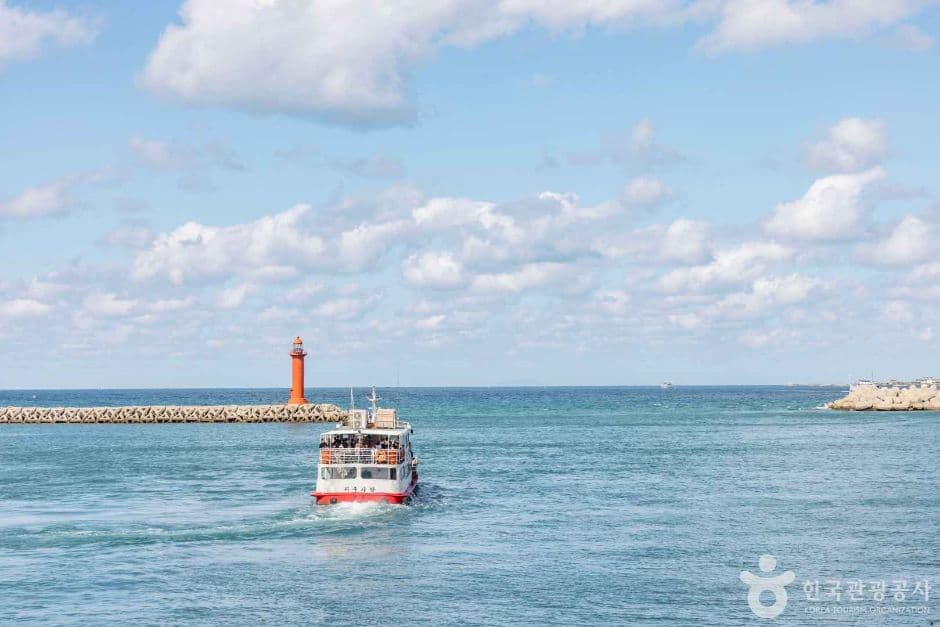
Seongsanpo Cruise
Operating from the Seongsanpo General Passenger Terminal, these large-scale cruise ships offer a scenic tour around the waters of Udo Island. Passengers can marvel at the breathtaking views of the Eight Scenic Views of Udo and the world-renowned Sunrise Marine Park. The voyage also provides stunning views of diverse natural wonders, including the coral sand beaches of Seobinbaeksa and various natural sea caves.
 Nature120 min
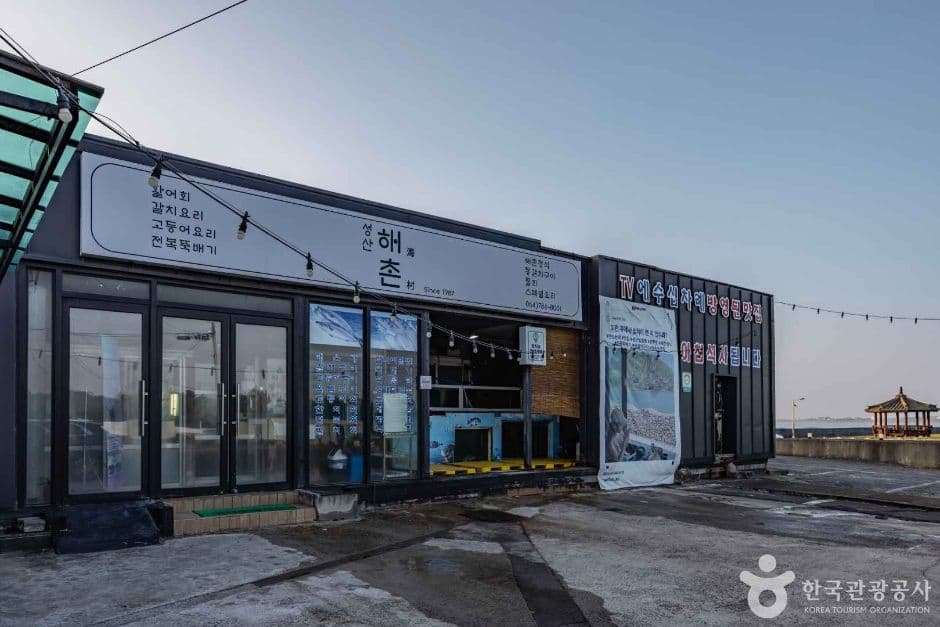
Seongsan Haechon
Seongsan Haechon is a beautiful Korean restaurant offering breathtaking views of Seongsan Ilchulbong Peak and the azure ocean. Located right at the water's edge, dining here feels as if you are enjoying a meal on a ship. The restaurant specializes in the 'Haechon Set Menu,' featuring a variety of fresh seafood including sashimi and grilled specialties.
 Nature120 min
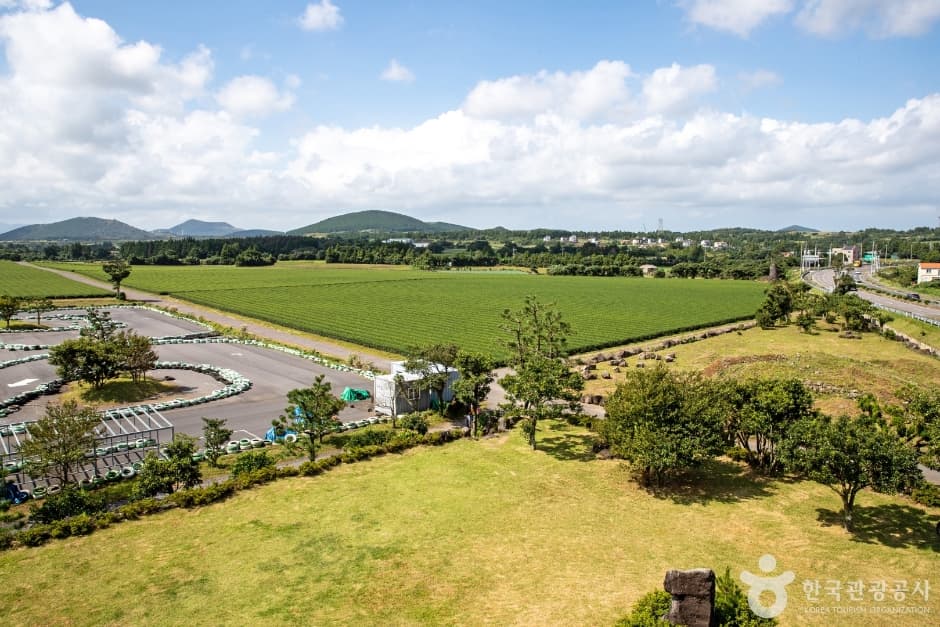
Seongeup Green Tea Village
Seongeup Green Tea Village is a tea plantation dedicated to producing and processing premium green tea grown in Jeju's unique volcanic soil and pure bedrock water. Visitors can immerse themselves in the lush scenery of verdant tea fields, explore natural lava caves located within the village, and enjoy a relaxing foot bath experience at the local cafe.
 Nature120 min
Seongeup Folk Village
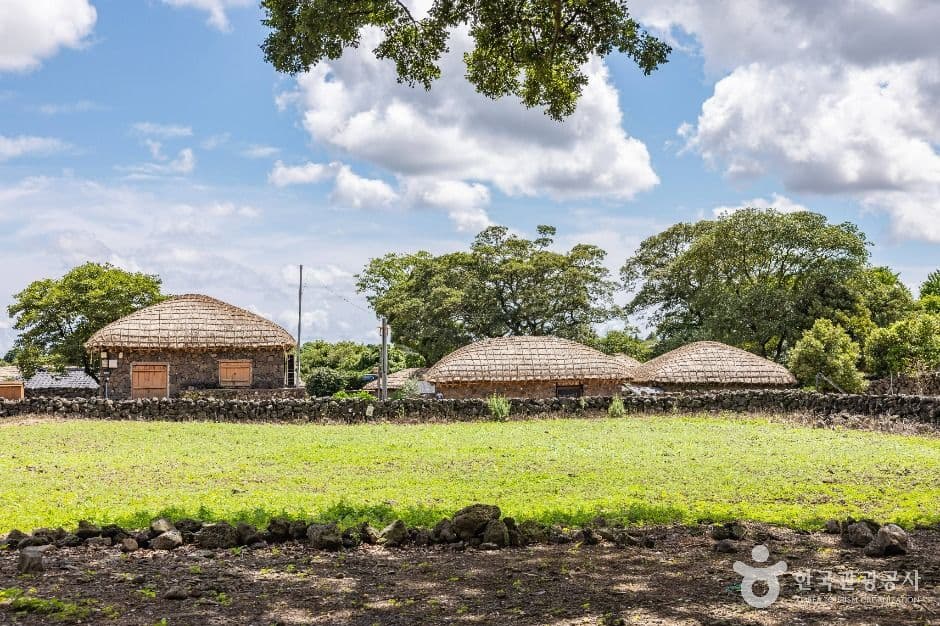
Located about 8km north of Pyoseon-ri at the foot of Hallasan Mountain, Seongeup Village once served as the capital of Jeongui-hyeon during the era when Jeju was divided into three administrative districts (1410–1914). Today, it is a designated folk village that meticulously preserves the traditional architectural landscape and cultural heritage of old Jeju. Visitors can explore a wealth of tangible heritage, including traditional thatched houses, Confucian academies, historic government offices, Dolharubang statues, stone millstones, fortress walls, and monuments. The village also breathes with intangible traditions, such as local folk songs, traditional games, regional cuisine, folk crafts, and the unique Jeju dialect. Ancient zelkova and hackberry trees, some hundreds of years old, stand as proud witnesses to its five-century history as a capital. As one of the best-preserved sites for traditional thatched-roof houses, Seongeup Folk Village offers a rare opportunity to see residents living in authentic traditional homes and to experience the 'tongsi'—Jeju's unique traditional outdoor toilet. The harmonious blend of ancient trees, stone walls, and historic fortress ruins creates an elegant atmosphere that vividly showcases its storied past.
 Nature120 min
St. Isidore Farm
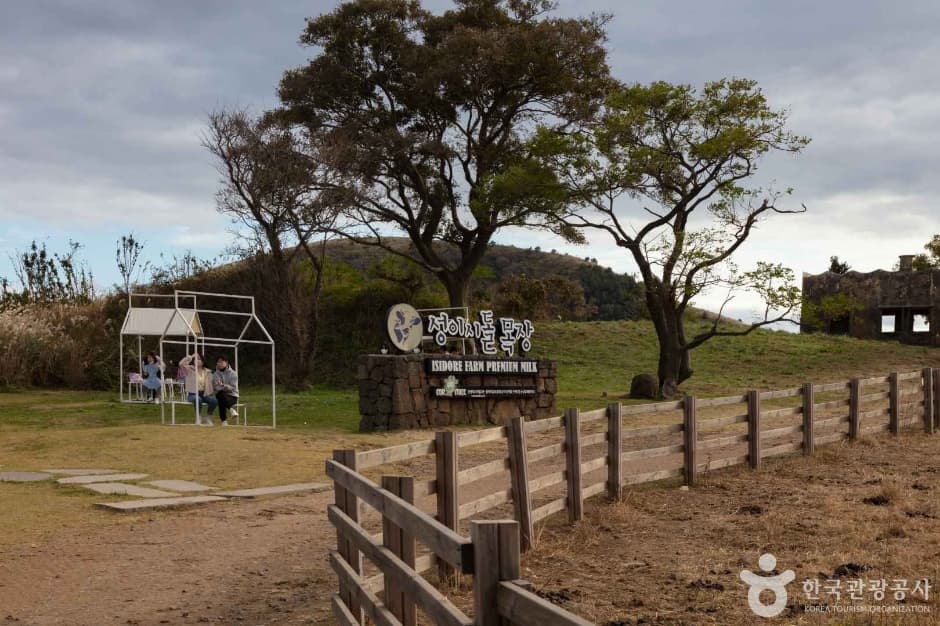
Established in 1954 by Father McGlinchy to support the local community, St. Isidore Farm is a picturesque ranch known for its stunning landscapes and unique architecture. The farm features a rare "tashon" structure, an architectural style originating near Baghdad, Iraq, which stands as a one-of-a-kind treasure found only here in Korea.
 Nature120 min
Seongpanak
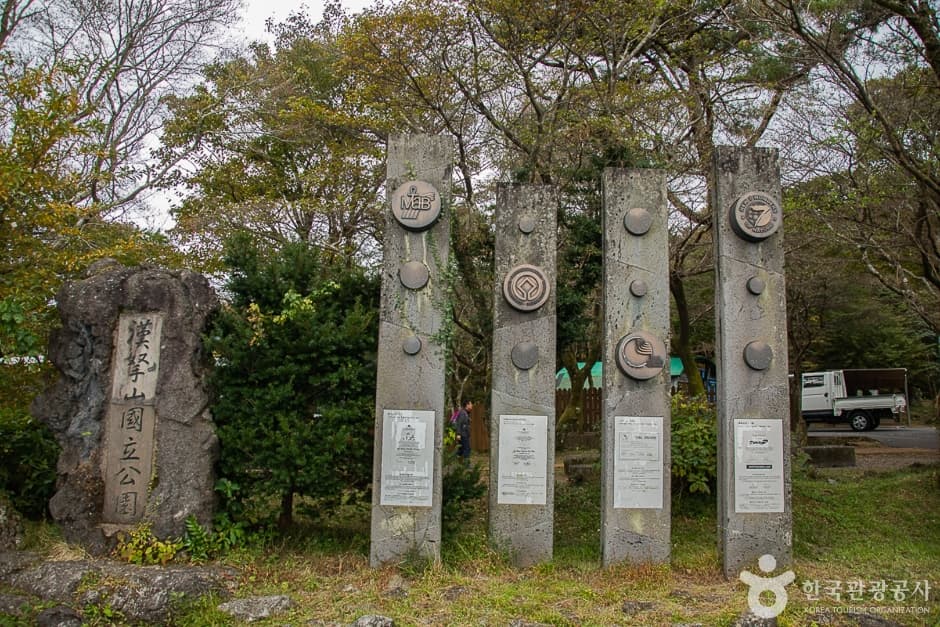
Named after the wide, fortress-like rock walls that encircle the mountainside, Seongpanak is a lush area blanketed in dense forests and characterized by deep, expansive valleys such as Seongneol Valley. Located midway along the 5·16 Road connecting Jeju City and Seogwipo City, it serves as a vital hub for hikers, housing the Seongpanak Trail—one of the primary routes through Hallasan National Park—and the local visitor information center.
 Nature120 min
Secheon Port
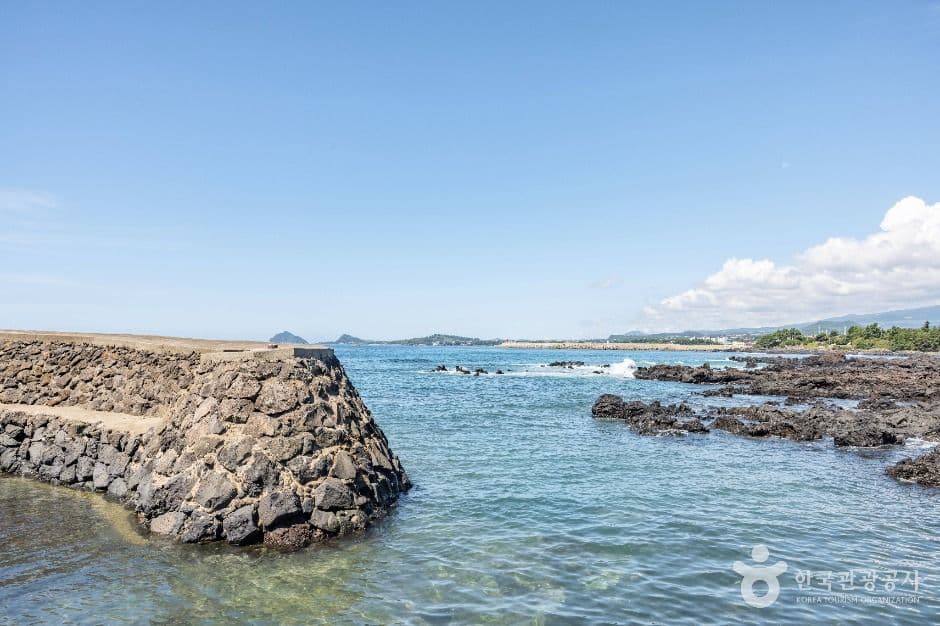
Located in Wimi-ri, Namwon-eup, Seogwipo, Secheon Port is a charmingly small harbor also known as Gonnaetgolgae. Situated at the tail end of Wimi-ri—a village historically named 'Umi' because its landscape resembles a reclining cow—this area features well-maintained coastal walking trails and barrier-free paths designed for easy access by wheelchair users and travelers with limited mobility.