Explore Jeju

Find 6,600+ places by area, type and mood.

2,826 places

Aewol Coastal RoadNature

West120 min

Aewol Coastal Road

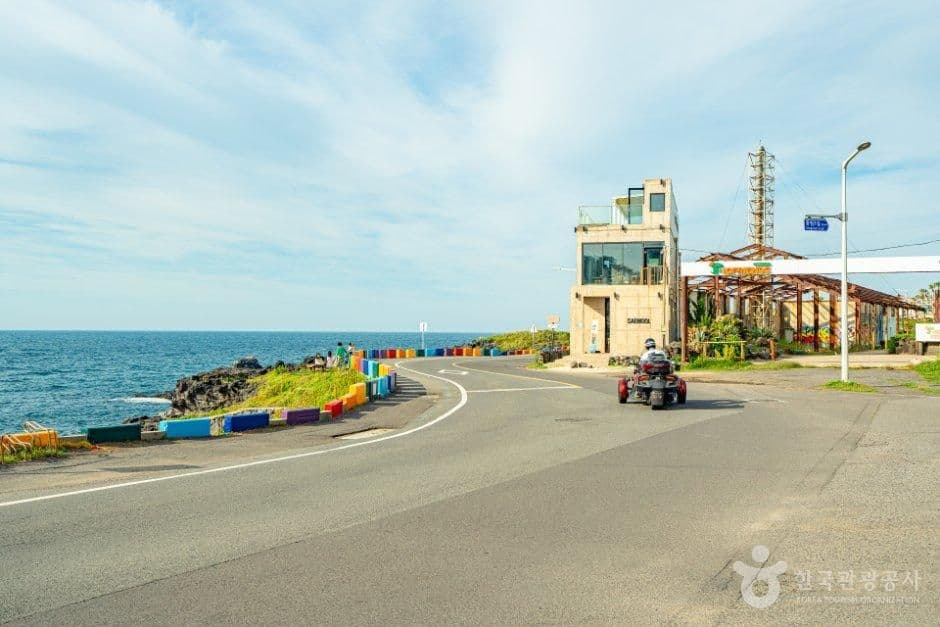
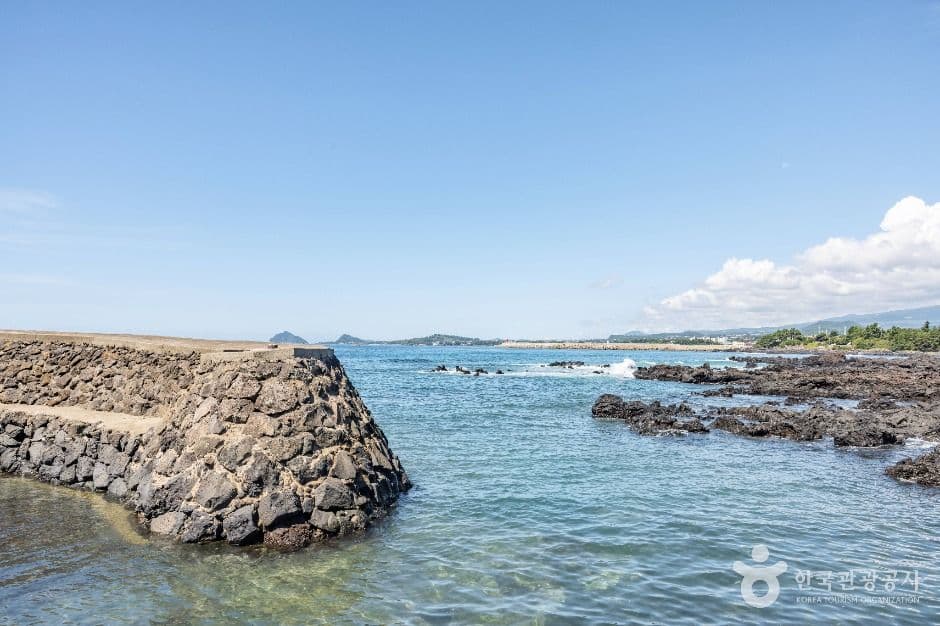
Just a 10km drive from Jeju International Airport, you will encounter the Aewol Coastal Road, a stretch of coastline renowned among locals and travelers alike for its breathtaking beauty. Stretching approximately 9km along the northwestern shoreline, this scenic drive offers stunning views of Jeju's turquoise waters. Beyond driving, the route is well-equipped with dedicated cycling paths and walking trails, making it perfect for biking or a leisurely stroll. As a segment of the Jeju Olle Trail Course 16, this road is a premier destination for cycling and trekking enthusiasts. The journey is punctuated by numerous coastal landmarks, including Gueom Port, Namdori Shelter, Sinom-ri Breakwater, Gonae Port, Darak Shelter, and the "Big Rock Face," offering endless opportunities to pull over and soak in the scenery. With a wide array of local restaurants, charming cafes, and diverse accommodations nearby, it remains one of the most popular must-visit routes for travelers exploring Jeju.
Gasia Bang GuksuNature

East120 min

Gasia Bang Guksu

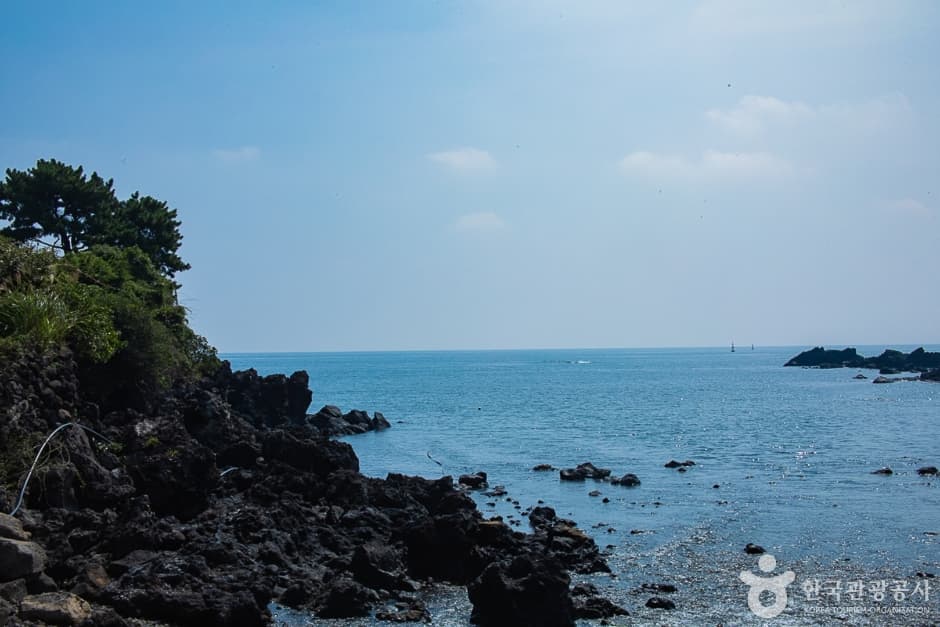
Located in Seongsan-eup, Gasia Bang Guksu is a popular local restaurant specializing in Gogi-guksu (meat noodles), a signature Jeju specialty. The signature meat noodles feature a rich, savory broth paired with tender yellow noodles and flavorful Dombe-gogi (boiled pork) toppings. Other popular choices include spicy mixed noodles (Bibim-guksu) and anchovy noodles, both known for their unique umami flavors. For those wanting to try a bit of everything, the set menu offers a great value, allowing you to enjoy both noodles and a portion of Dombe-gogi in one meal.

YeonbukjeongNature

North120 min

Yeonbukjeong

Yeonbukjeong is a Joseon Dynasty pavilion built in 1590, during the 23rd year of King Seonjo's reign, and was renovated and renamed in 1599. It is designated as Jeju Special Self-Governing Province Tangible Cultural Heritage No. 3. Located on a flat area by the seaside, the structure features a three-bay front and two-bay side with a paljak (hip-and-gable) roof. It embodies the loyal devotion of those exiled to the island, expressing their longing for the King in the north.

Jogeun Nokkome OreumNature

West120 min

Jogeun Nokkome Oreum

'Nokkome' means 'high mountain,' and 'Jogeun' is the Jeju dialect for 'small.' Jogeun Nokkome Oreum is a place where you can enjoy both forest paths and the volcanic cone. Nokkome Oreum consists of Jogeun Nokkome Oreum and Keun Nokkome Oreum; since they are located side by side, they are also called 'Brother Oreums.' While the name might suggest it is easy to climb, Jogeun Nokkome Oreum is not an easy ascent. There are several routes to climb Jogeun Nokkome Oreum, passing through Gwetmul Oreum and Keun Nokkome Oreum. While climbing all three oreums is an option, it can be physically demanding, so it is recommended to visit about two. The ridge of the Jogeun Nokkome crater is a lush, natural forest. Once you reach the summit, you can enjoy wide-open views along with a vista of Keun Nokkome Oreum located on the opposite side.

The map shows the 12 places on this page.