Explore Jeju

Find 6,600+ places by area, type and mood.

2,826 places

Geomunoreum Lava Tube [UNESCO World Natural Heritage Site] (거문오름 [유네스코 세계자연유산])Nature

East120 min

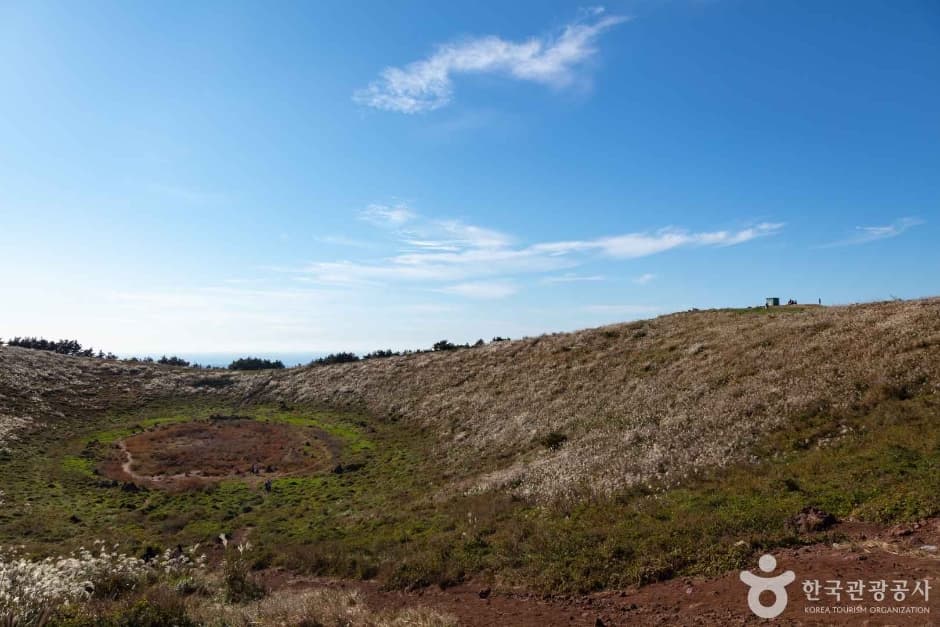
Geomunoreum Lava Tube [UNESCO World Natural Heritage Site] (거문오름 [유네스코 세계자연유산])

Standing at 456 meters above sea level, Geomunoreum Lava Tube [UNESCO World Natural Heritage Site] is the parent volcanic cone that formed the Geomunoreum Lava Tube System and is the only oreum in Jeju to be inscribed as a UNESCO World Natural Heritage site. Lava flows erupted from the center of the crater to form a continuous 4km streamlined erosion valley, creating a lush forest filled with planted black pines and cedar trees.
Nature

East90 min

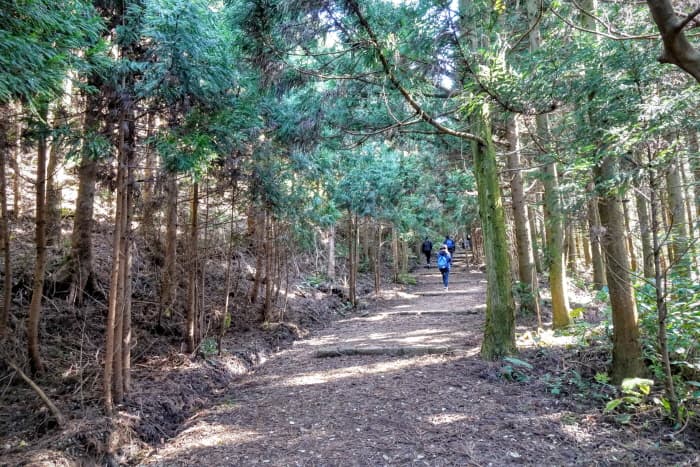
Gimnyeong Maze Park (김녕미로공원)

Designed through a collaboration between Professor Dustin, a retired American professor from Jeju National University, and British maze designer Adrian Fisher, Gimnyeong Maze Park is Korea's first maze park. The narrow paths winding through tall, evergreen Leyland cypress trees possess a unique charm that can easily cause one to lose their sense of direction. The ground, covered in red volcanic scoria (songi), is said to help purify the air and aid blood circulation. In addition to the maze, the park features various photo zones, an eco-friendly children's playground, a topiary garden, and cat feeding experiences, making it an ideal destination for families.

Gimnyeong Seongsegihaebyeon Beach (김녕성세기해변 (김녕해수욕장))Nature

East120 min

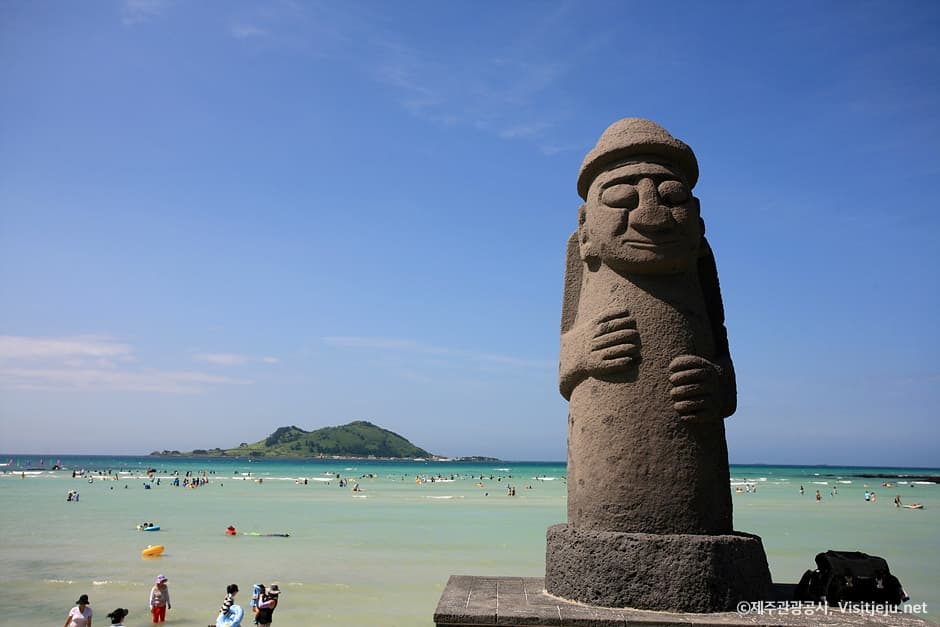
Gimnyeong Seongsegihaebyeon Beach (김녕성세기해변 (김녕해수욕장))

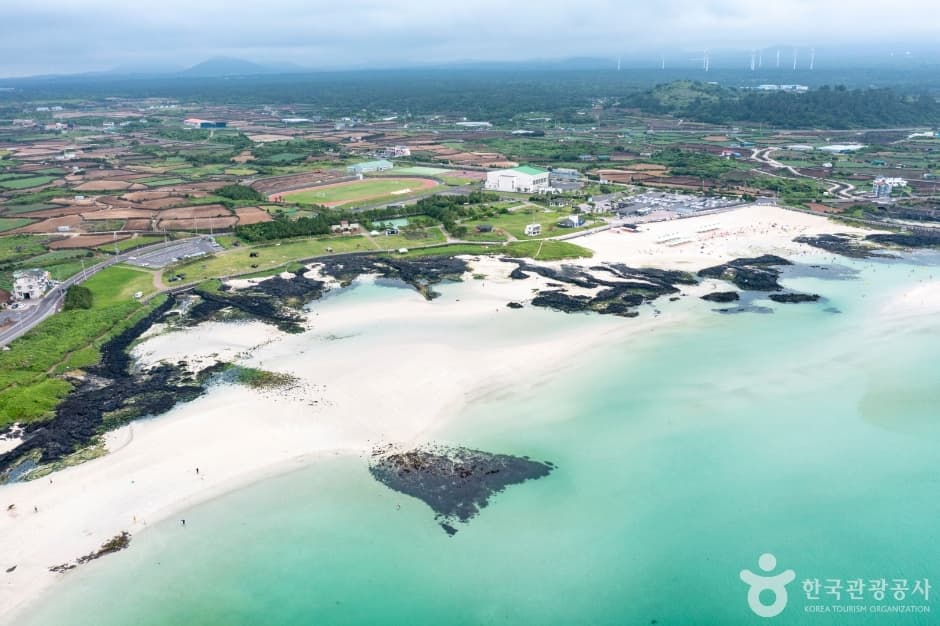
Gimnyeong Seongsegihaebyeon Beach is located in the village of Gimnyeong, which earned its name because its shape resembles the Chinese character 'Pyeong (平)' when viewed from above. Formed by sand accumulating atop massive, flat lava rocks, this beach is characterized by its white sands and cobalt-blue waters. Nearby, you can find various coastal fishing spots and caves such as Manjanggul Cave, and you can observe the geological resources of the UNESCO Global Geopark via the Geotrail walking paths.

Nature

West120 min

Gwakji Beach (Gwakji Gwamulhaebyeon Beach) (곽지해수욕장 (곽지과물해변))

Gwakji Beach (Gwakji Gwamulhaebyeon Beach) features a sandy beach 350m long and 70m wide, with an average depth of 1.5m. Gwamul, a natural spring, flows here, and an outdoor bath is operated during the summer season; as the tide recedes, the cold spring water rises to provide relief from the heat. With its soft sand composed of shell powder and a colorful playground, Gwakji Beach (Gwakji Gwamulhaebyeon Beach) is a popular destination for families.

Gwandeokjeong Pavillion (Jeju) [관덕정(제주)]Nature

North120 min

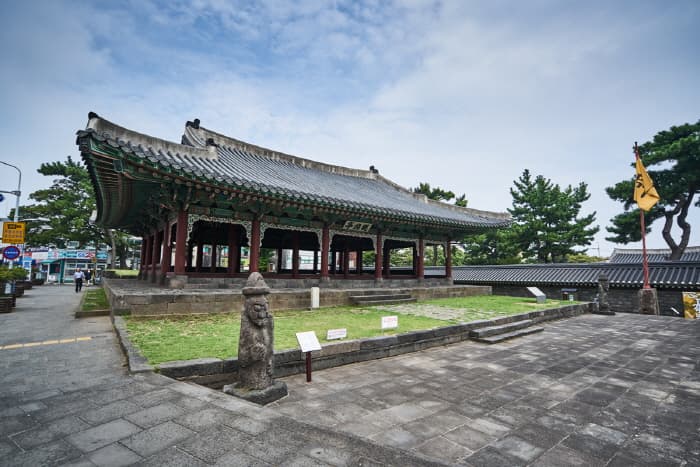
Gwandeokjeong Pavillion (Jeju) [관덕정(제주)]

Gwandeokjeong Pavillion (Jeju) is an early Joseon Dynasty pavilion built in 1448 by the Jeju Moksa (magistrate) to train local troops, making it one of Jeju's oldest structures. It features colorful dancheong (traditional multicolored patterns) depicting the Sipjangsaeng (ten symbols of longevity), scenes from the Battle of Red Cliffs, and hunting scenes, as well as a signboard known for the calligraphy of Grand Prince Anpyeong.

Gwaneumsa Temple (Jeju) (관음사(제주))Nature

North120 min

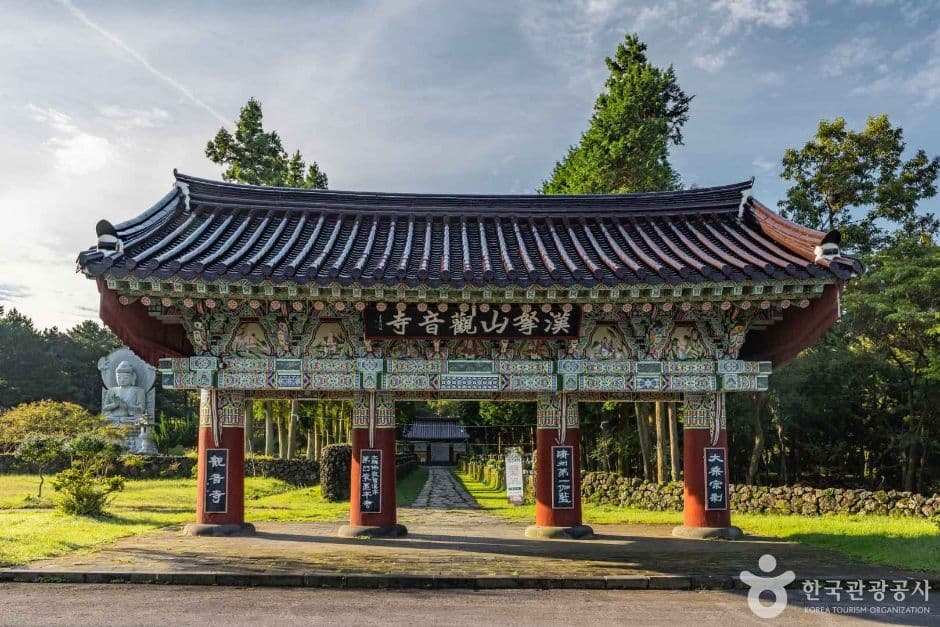
Gwaneumsa Temple (Jeju) (관음사(제주))

Located at the foot of Hallasan at an altitude of 650m, Gwaneumsa Temple (Jeju) is the head temple of the 23rd District of the Jogye Order of Korean Buddhism, serving as the spiritual center for approximately 30 temples in the Jeju region. The temple offers Temple Stay experiences and Seon meditation programs. The surrounding area also features the Gwaneumsa District Campground within Hallasan National Park, making it a popular base for hiking and camping.