Explore Jeju

Find 6,600+ places by area, type and mood.

2,826 places

Cheonwangsa TempleNature

North120 min

Cheonwangsa Temple

Cheonwangsa Temple is located beneath Geumbonggok, one of the ninety-nine valleys east of Eoseungsaeng on Hallasan. It was founded in 1955 by Venerable Biryong under the name Suyeongsan Seonwon. The main attractions include Yongbawi Rock, located behind Daeungjeon Hall, and Seonnyeo Falls, the only waterfall on Hallasan, which can be reached by following the stream beside the temple. The autumn foliage coloring the rocky cliffs below is particularly spectacular.

Jungmun Godeungeo SsambapNature

South120 min

Jungmun Godeungeo Ssambap

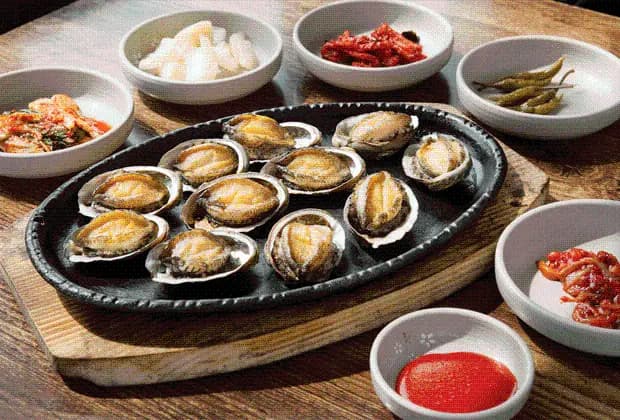
Located near Jungmun Maze Park in Seogwipo, Jungmun Mackerel Ssambap Jeju Branch is a specialty restaurant dedicated to authentic Jeju local cuisine. The signature set menu features savory braised mackerel with aged kimchi (mukeunji) paired with a stone pot rice topped with a whole abalone. In addition to the braised mackerel, a variety of delicious dishes such as grilled abalone and grilled mackerel are also available. With its spacious interior and ample parking, Jungmun Mackerel Ssambap Jeju Branch is an ideal destination for large groups and social gatherings.

Jejumok-Gwana Government Office Nature

North120 min

Jejumok-Gwana Government Office

The Jejumok-Gwana Government Office, which served as the center of governance for the Jeju region during the Joseon Dynasty, has played a pivotal role in the politics, administration, and culture of Jeju from the era of Tamna to the Joseon Dynasty, and is designated as a national historic site. Currently, major buildings such as Gwandeokjeong, Manggyeongnu, and Yeongju-hyeopdang have been restored, and visitors can experience the unique historical breath of Jeju through the Jeju Mok History Museum and the Tamna Sunryeokdo Experience Center.

Chusa's former residenceNature

South120 min

Chusa's former residence

Located within the historic walls of Daejeong-eup in Seogwipo, Chusa's former residence is the traditional thatched house where the great Joseon scholar Kim Jeong-hui lived during his period of exile. Comprising an inner house, a guest house, and an annex, this space serves as a profound historical site where he painted the masterpiece *Sehando* and perfected the renowned Chusa calligraphy style. Today, it is designated as Historic Site No. 487, preserving the legacy of his monumental achievements in epigraphy and calligraphy.

Bomok PortNature

South120 min

Bomok Port

Bomok Port is a harbor located in Bomok-dong, Seogwipo-si. It is part of the Jeju Olle Route 6 and is a famous spot for Jari-mulhoe (damselfish raw fish soup), where the annual Jari-dom Festival is held every May. With Hallasan Mountain spreading out like a folding screen behind the port and Munseom and Seopseom islands floating in the sea ahead, it is a beautiful location to enjoy the sunset. Additionally, the stairway near the Bomok Haenyeo House is a well-known photo zone popular on social media.

Samdal GardenNature

East120 min

Samdal Garden

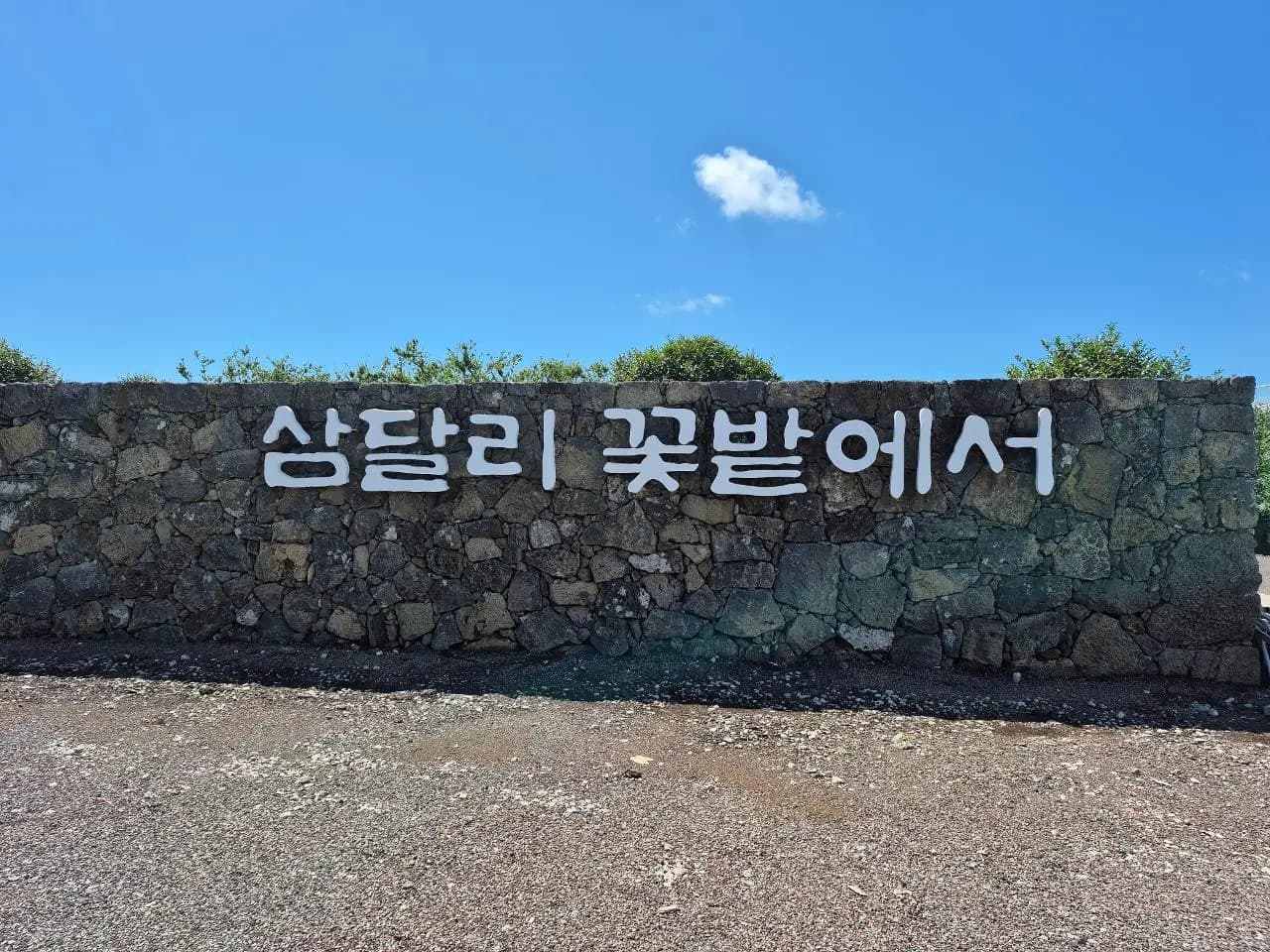
Located in Samdal-ri, Seongsan-eup, Seogwipo-si—the filming location for the popular dramas *Welcome to Samdal-ri* and *Our Blues*—Samdal Garden is a private camellia garden of breathtaking beauty. Spanning approximately 33,000 square meters, this enchanting estate features a blend of palm tree paths, olive tree walkways, and a charming cafe, creating a uniquely exotic atmosphere. It is especially renowned as a premier destination to witness the stunning bloom of miniature camellias, which reach their peak splendor in February.