Explore Jeju

Find 6,600+ places by area, type and mood.

492 places

Dangcheomul Cave [UNESCO World Natural Heritage]Nature

East120 min

Dangcheomul Cave [UNESCO World Natural Heritage]

Dangcheomul Cave is a lava tube belonging to the Geomunoreum Lava Tube System, estimated to have formed approximately 320,000 years ago. Despite being a lava tube, it is characterized by the development of secondary formations similar to those found in limestone caves due to the calcareous components of the shell sand on the surface. Inside the cave, unique geological landscapes can be seen, including icicle-shaped stalactites, stalagmites, and columns formed where they meet. As there is no entrance, the cave's interior remains perfectly preserved.

Go Chang-hwan Ancestral House in Seongup Village, JejuNature

East120 min

Go Chang-hwan Ancestral House in Seongup Village, Jeju

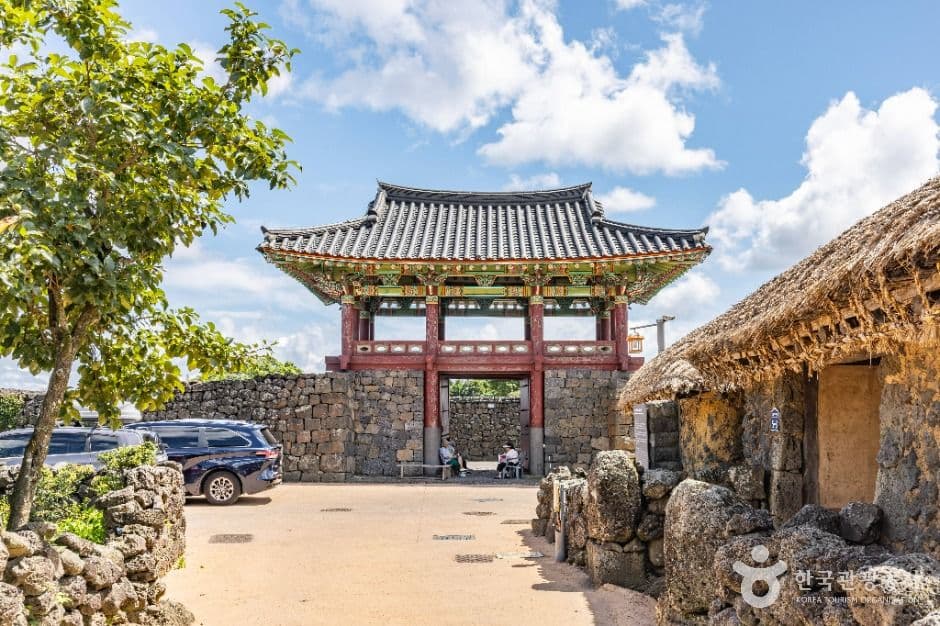
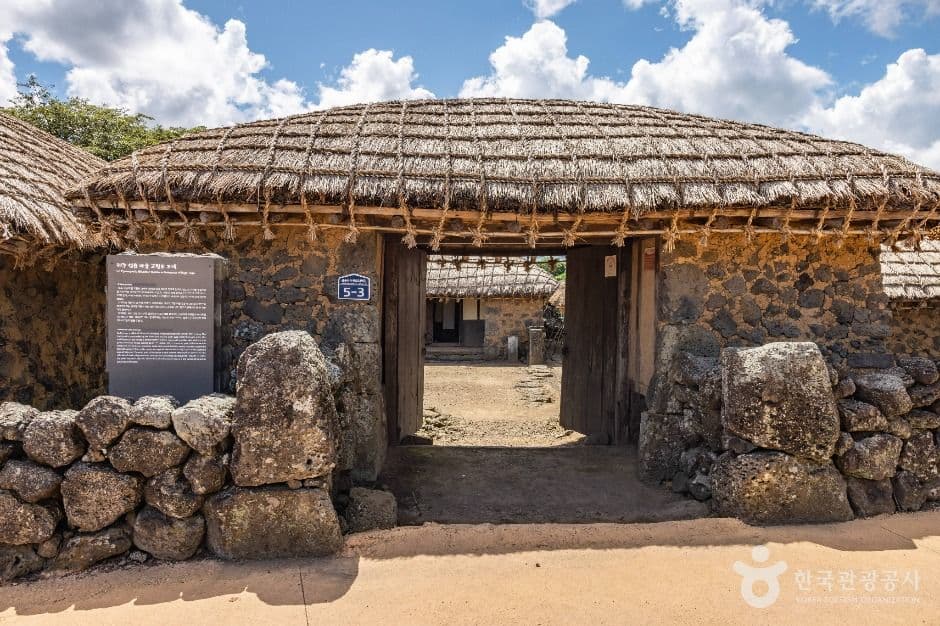
Go Chang-hwan Ancestral House in Seongup Village, Jeju is a traditional house from the late Joseon Dynasty, estimated to have been built in the early 19th century. It was once used as an inn for the Jeongui-goeul area, earning it the nickname "Yeogwan-jip" (inn house) among local residents. The site well preserves a simple farmhouse layout consisting of an inner house (anchae) and a barn (heotganchae). In particular, visitors can observe the unique architectural features of residential houses in the San-nam region of Jeju, such as the entrance structure without a main gate and the horyeongchang (saenggitmun).

Gopyeong-o Old House, Seongup Village, JejuNature

East120 min

Gopyeong-o Old House, Seongup Village, Jeju

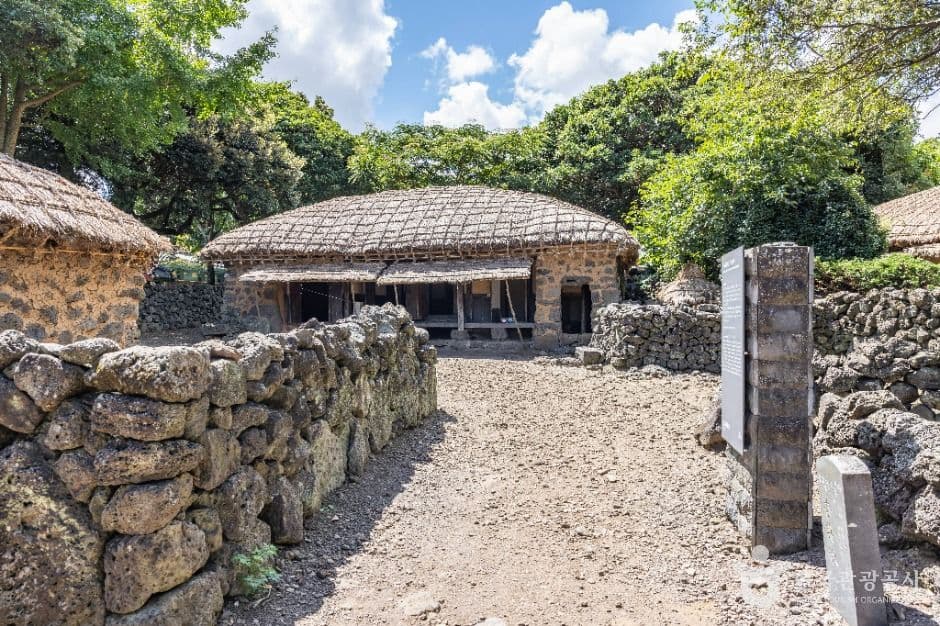
Gopyeong-o Old House, Seongup Village, Jeju is a traditional house believed to have been built during the Joseon Dynasty (estimated 1829). The layout consists of an Anggeori (inner house), Bakgeori (outer house), and Mokeori (storehouse). The Bakgeori once served as lodging and dining quarters for officials from the Jeongui-eup township office, while the double-leaf windows of the Daecheong (main hall) in the Anggeori are considered a rare architectural style found only in the southern regions of Jeju.

Jeju Tokki Islandunjuran HabitatNature

East120 min

Jeju Tokki Islandunjuran Habitat

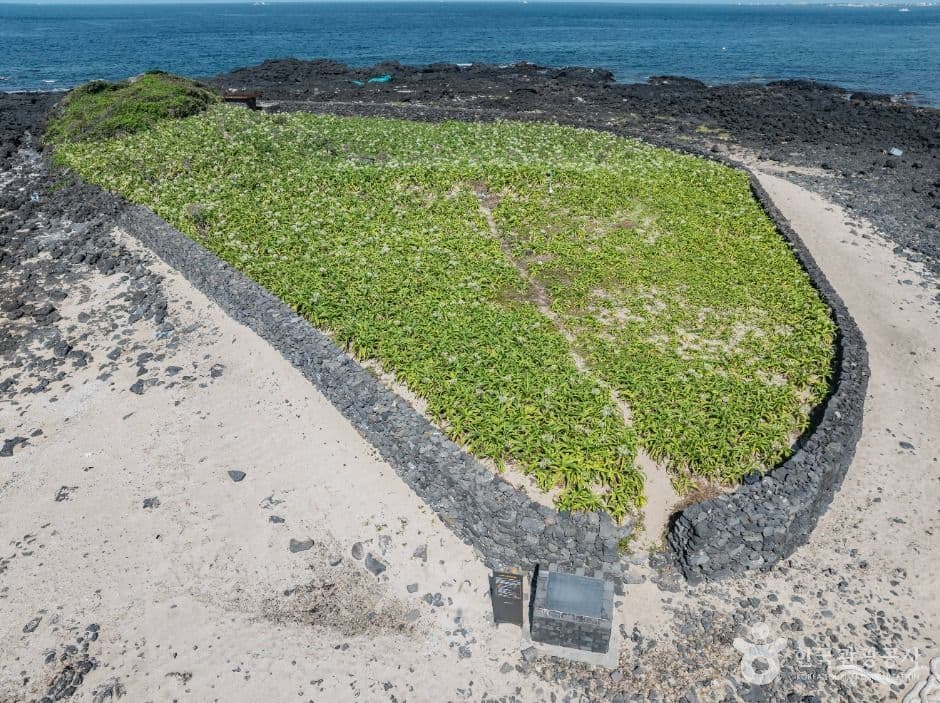
Located on Tokki Island, approximately 50m from the Hado-ri coast, Jeju Tokki Islandunjuran Habitat is the only natural habitat for Jeju Tokki Islandunjuran in Korea. The island is surrounded by rocks, with the colony flourishing on the sandy ground within. Growing in an environment with an average annual temperature of over 15°C, the Jeju Tokki Islandunjuran blooms with white flowers at night, releasing a strong fragrance. As the northernmost limit of its distribution, this site holds high academic value and is protected as a Natural Monument.

Jeju SalonNature

East120 min

Jeju Salon

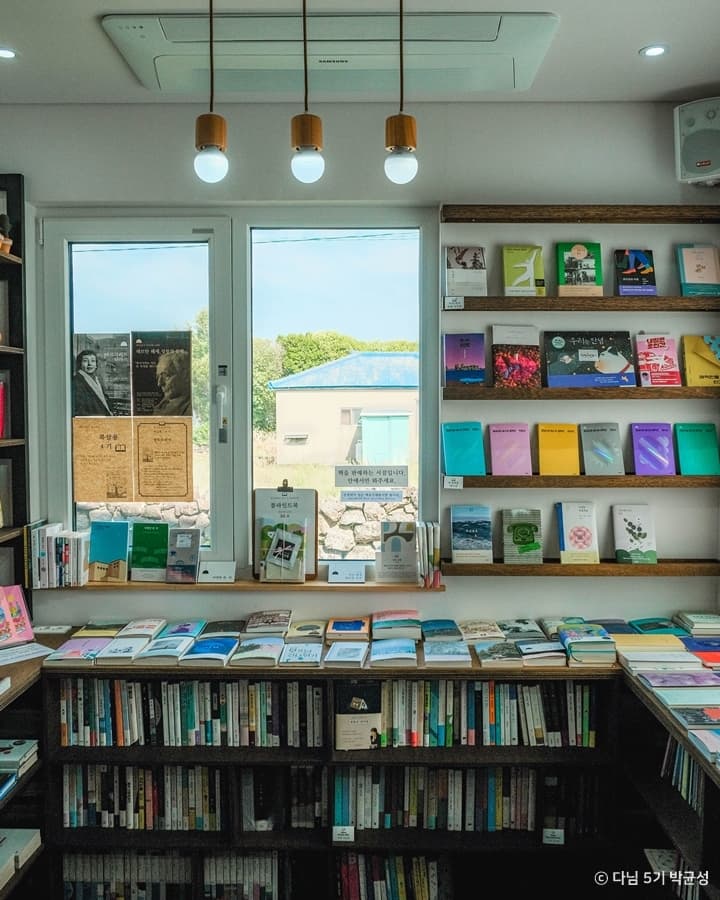
Located in Songdang, a small and quiet village in Jeju, this book cafe offers a space to read books with simple beverages. It also operates 'Saenggak-ui Oreum,' a bookstay facility. The bookstay is exclusively for solo female travelers, and guests can borrow books from the shelves during their stay. The interior of the book cafe is thoughtfully designed with spaces that allow solo travelers to read comfortably. As a bookstore specializing in the humanities, Jeju Salon reflects the owner's deep interest in the arts and humanities. Some displayed books feature brief, one-line reviews by the owner, adding a sense of connection and fun to the book-selecting process. The bookstore also hosts various programs, such as book clubs for those who love reading and lectures by invited authors on the humanities.