Explore Jeju

Find 6,600+ places by area, type and mood.

783 places

Samgyori Dongchimi Makguksu Jeju BranchNature

North120 min

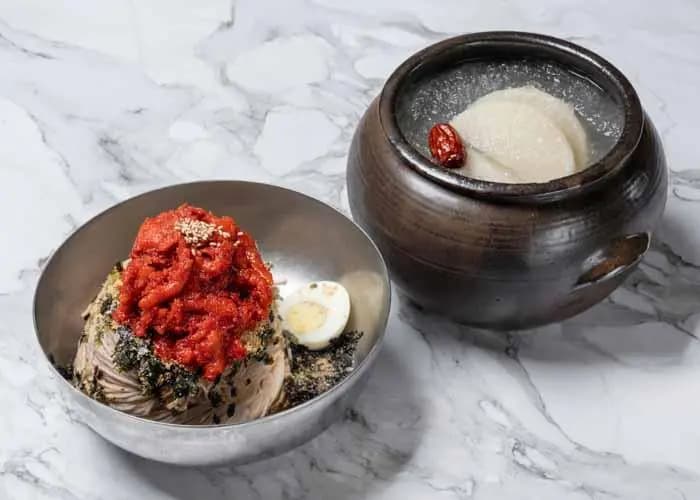
Samgyori Dongchimi Makguksu Jeju Branch

Originating from Gangneung, Gangwon-do, Samgyori Dongchimi Makguksu Jeju Branch specializes in authentic makguksu, characterized by its refreshing and crisp dongchimi (radish water kimchi) broth. Carrying on the flavors and traditions of its original location, Samgyori Dongchimi Makguksu Jeju Branch has become a beloved destination for both Jeju locals and tourists alike. The menu offers a delightful variety of dishes, including Hoe-makguksu (raw fish buckwheat noodles) and Deulgireum-makguksu (perilla oil buckwheat noodles).

Kim Young-su LibraryNature

North120 min

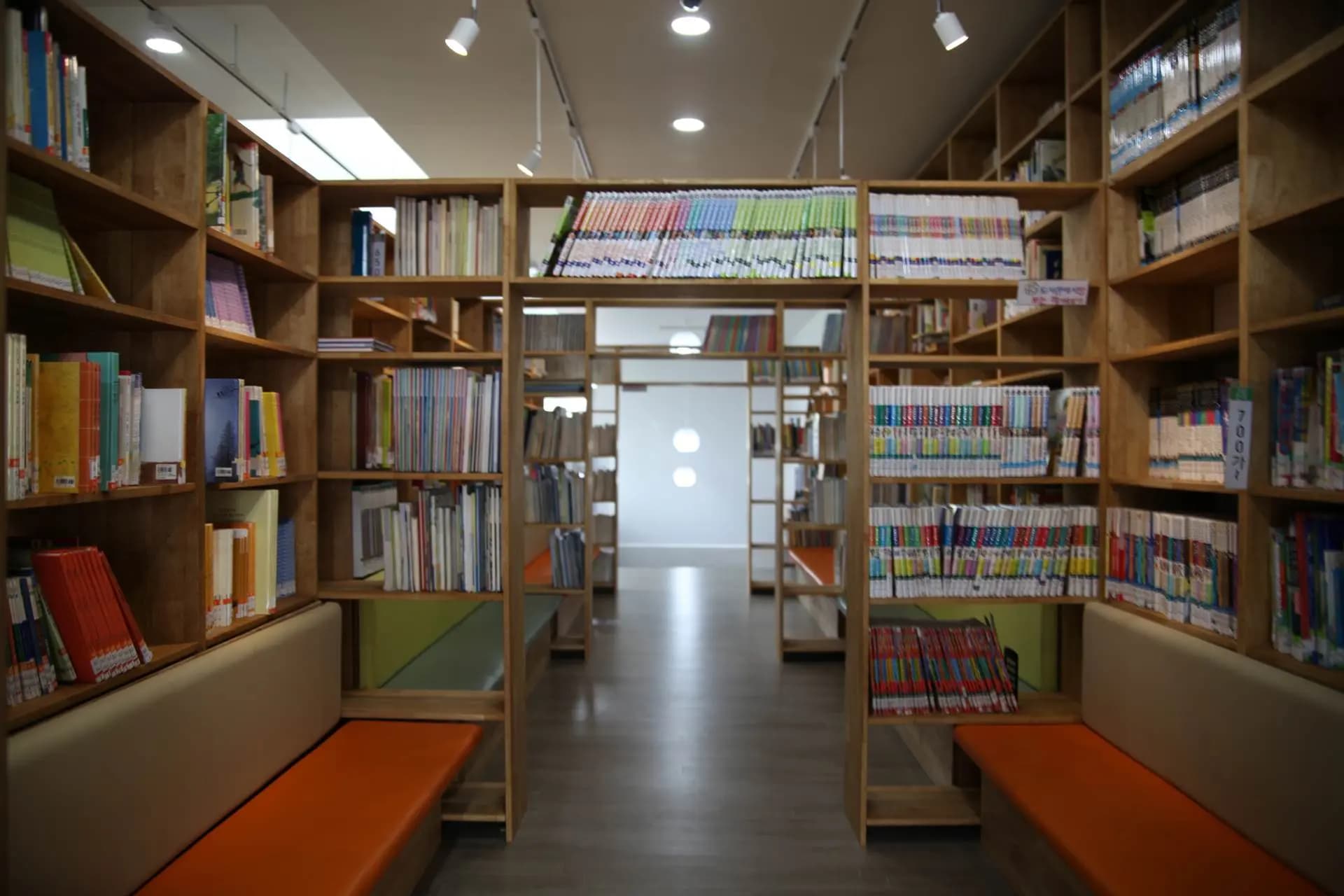
Kim Young-su Library

Originally established as a school library donated by the late Kim Young-su, a 20th-alumni of Jeju Buk Elementary School, the Kim Young-su Library was expanded into a two-story space by repurposing former storage units and faculty residences. During the day, the Kim Young-su Library serves as a vibrant school library for students of Buk Elementary School, while from the afternoon through the evening, it opens its doors as a community library, welcoming local residents and visitors alike.

Soldongsan 8 Scenic ViewsNature

South120 min

Soldongsan 8 Scenic Views

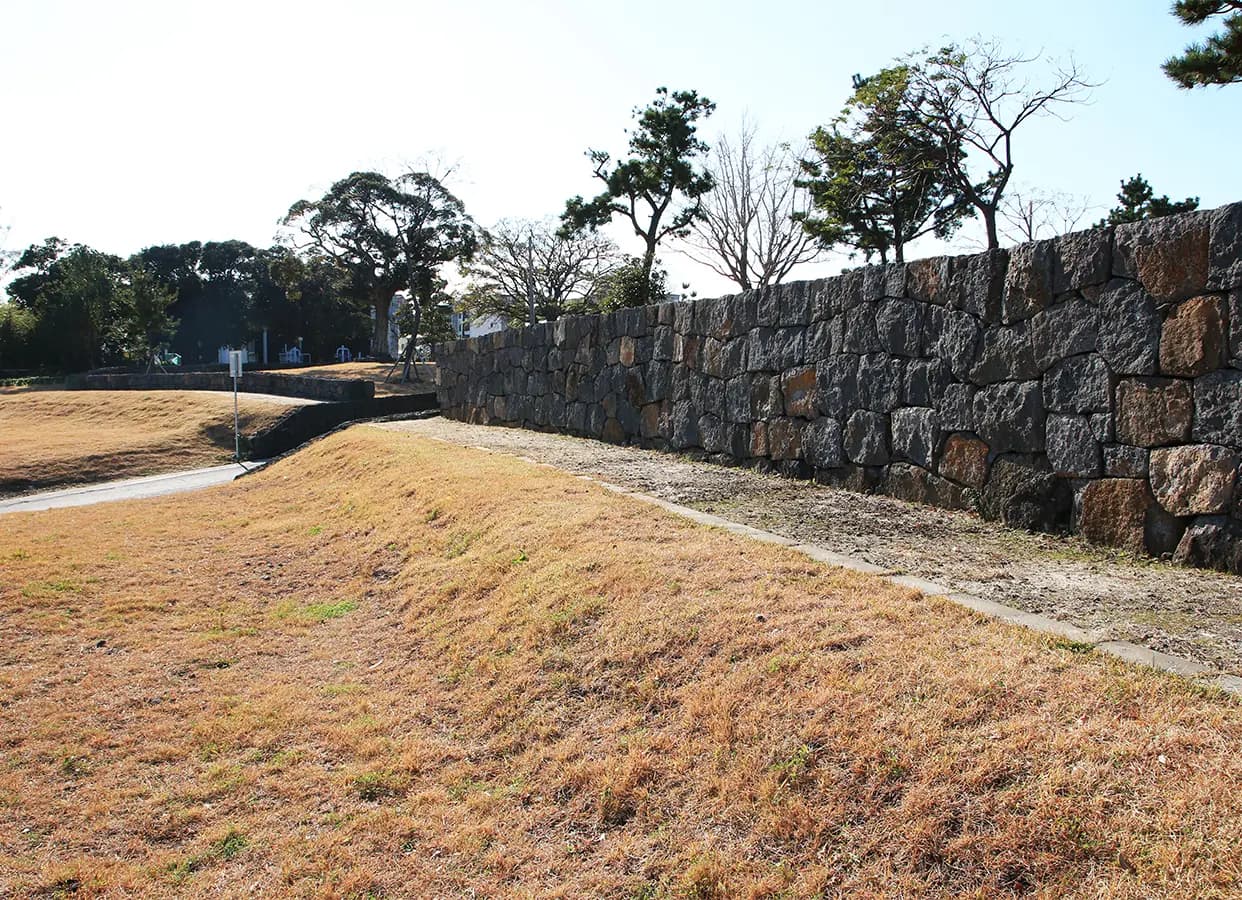
Soldongsan 8 Scenic Views is a unique cultural heritage site developed through a collaboration between Seogwipo City and the local community, weaving together the rich history and stories of Soldongsan—once the economic and cultural heart of old Seogwipo. Since the establishment of Seogwijinseong Fortress in 1589, this area has served as a vital strategic military base, and the site now embodies themes of longevity and prosperity. The journey through the Soldongsan 8 Scenic Views begins at Seogwijinseong and guides visitors through eight distinct landmarks, including Moksa-gomok, Seojin-noseong, Sinjak-daero, and Jangsu-jiwon.

Jungmun-ri Shrine SiteNature

North120 min

Jungmun-ri Shrine Site

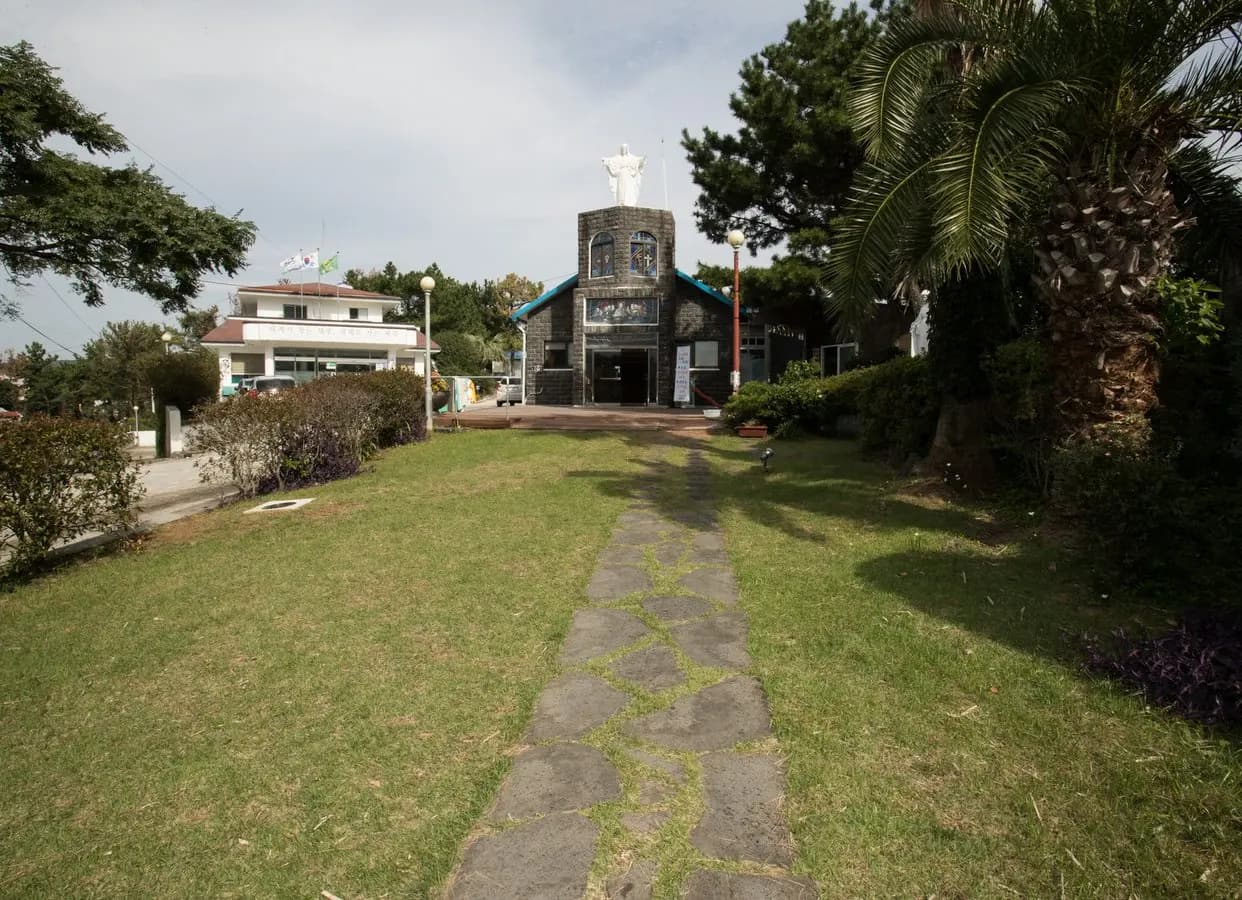
Originally a site where Japanese Shinto shrines were once maintained during the Japanese colonial period, the Jungmun-ri Shrine Site was demolished by local residents following Korea's liberation. Today, the Jungmun Catholic Church stands on this very ground. This location holds a profound and somber history as a site of massacre during the April 3 Incident, where families fleeing the suppression forces were executed. The area around the parking lot behind the church has been identified as the specific site of these tragic events. In 2018, the Catholic Diocese of Jeju designated the church as a memorial for the April 3 Incident and erected a commemorative cross to honor the victims.