Monthly Jeju · Monthly
March 2026
Trending spots and seasonal highlights, updated each month.
Jeju · Travel
The White Whisper of Gujwa
Buckwheat, Stone Walls, and the Reawakening of Spring
In the gentle curves of Gujwa-eup, spring arrives not with a roar, but through the quiet unfolding of white blossoms and the rhythmic breath of the eastern coast. This is a journey into the textures of the new season—the soft touch of wind, the ancient stability of stone, and the ephemeral beauty of a landscape waking from its winter slumber.
The morning in Gujwa begins with a peculiar kind of silence, the sort that only exists when the world is caught in the threshold between sleep and wakefulness. As the first pale light touches the ridges of the volcanic cones, the air carries a sharp, refreshing clarity that tastes of salt and damp earth. There is no heavy heat here yet, only the gentle, insistent pressure of the spring breeze, weaving through the low stone walls that define the character of this eastern landscape. It is a season of transition, where the stubborn grey of winter slowly gives way to the soft, tentative greens of new life.
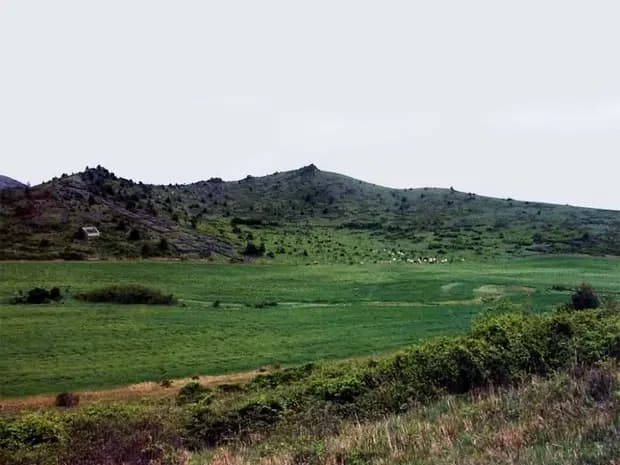
Walking through the quiet paths of the village, one notices how the landscape seems to breathe in sync with the tides. The rolling hills, or oreums, rise like sleeping giants under a veil of morning mist, their dark basalt surfaces providing a stark, beautiful contrast to the emerging brightness of the season. Here, the rhythm of life is dictated not by the frantic pace of the modern clock, quite literally, but by the movement of light across the fields and the seasonal dance of the flora. It is a place where time feels layered, held within the volcanic soil and the deep, abiding memory of the island.
As we move deeper into the heart of the eastern countryside, the visual narrative shifts from the heavy stone to the delicate textures of the earth. The early spring brings a subtle palette—ochre, slate, and the first hints of pale blossoms. It is a landscape that demands attention to detail, inviting a slower pace of movement. To walk here is to engage in a sensory dialogue with the terrain, where every step reveals a new nuance of light or a sudden shift in the wind's direction, guiding the traveler toward a deeper understanding of the island's soul.
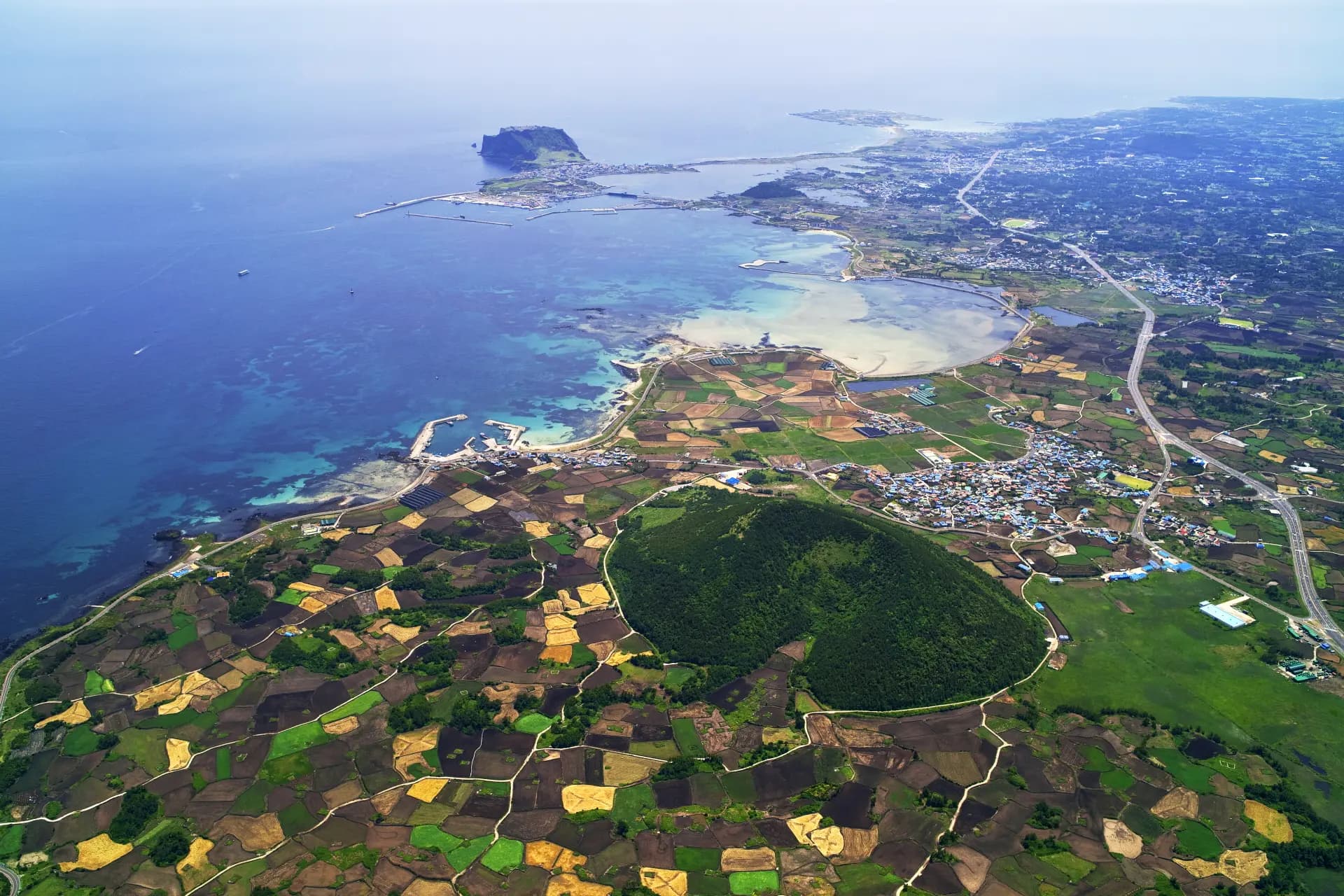
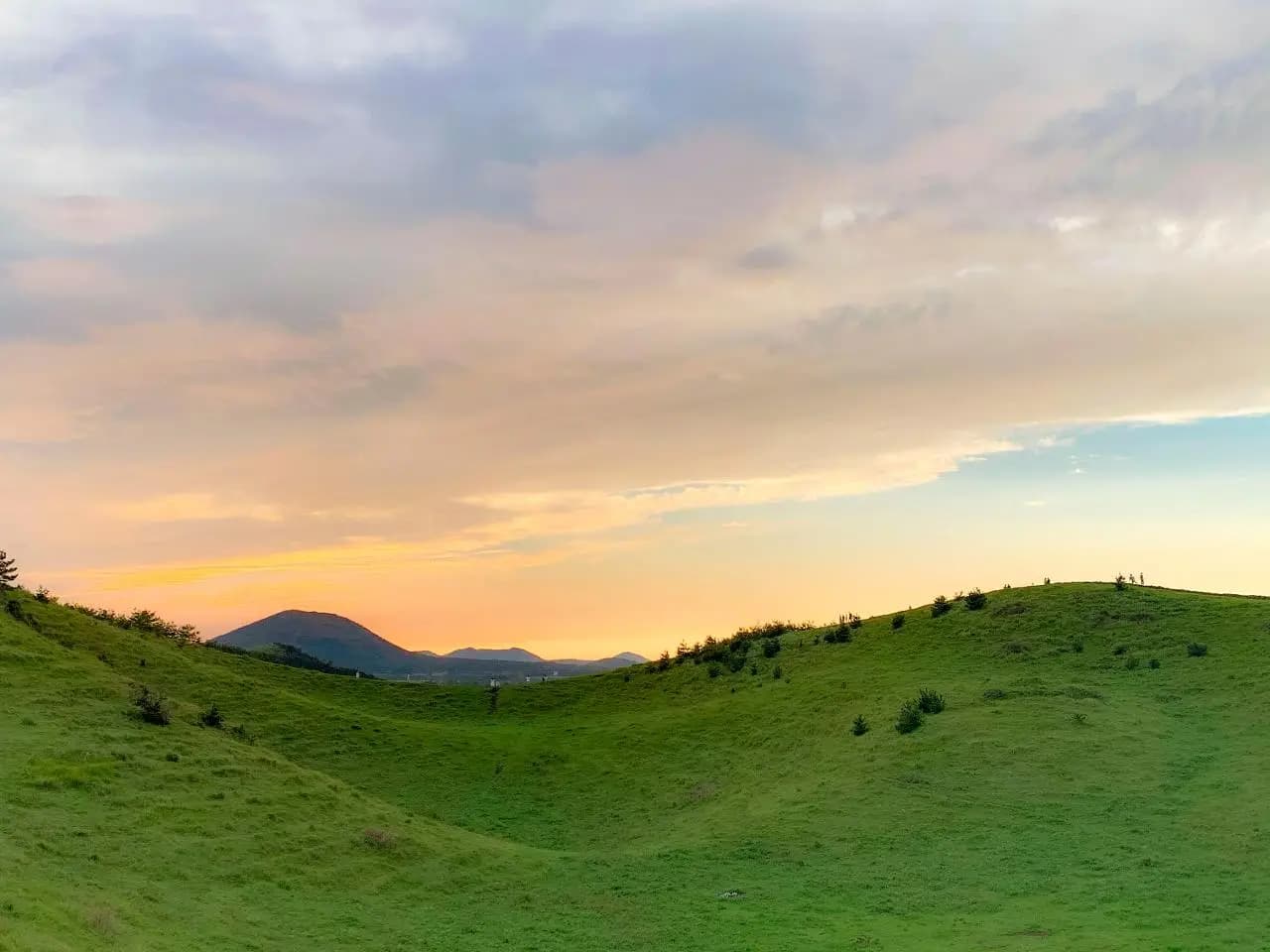
Ascending the gentle slopes of Dorimi Oreum, the world seems to expand in every direction. The ridge is a study in graceful curves, a continuous movement of land that feels almost organic, as if the earth itself were stretching after a long sleep. The path underfoot is a mixture of fine volcanic soil and hardy grasses, providing a rhythmic crunch that punctuences the quietude of the climb. From this vantage point, the relationship between the land and the sky becomes the central theme; the vastness of the blue above meets the undulating textures of the earth below in a perfect, seamless harmony.
The light here is transformative. As the sun climbs higher, the shadows within the crater's embrace shift, creating pockets of deep mystery amidst the brightness. It is easy to lose oneself in the contemplation of these ancient volcanic shapes. The secondary lava flows that once breached the crater now serve as beautiful, natural boundaries, carving out spaces that feel both protected and exposed. This duality—the sense of being sheltered by the land while simultaneously being swept by the openness of the view—is a defining characteristic of the Gujwa landscape.
There is a profound stillness at the summit, even as the wind whispers through the sparse vegetation. It is not the stillness of emptiness, but a full, resonant quiet that allows for reflection. Looking out toward the coast, one can see the distant shimmering of the sea, reminding us that while we stand on the heights, the pulse of the ocean is never far away. This intersection of the terrestrial and the maritime creates a unique energy, a groundedness that is essential for anyone seeking to find their own center amidst the beautiful chaos of travel.
In the quiet curves of the oreum, the boundary between the earth and the sky begins to dissolve.
TripJeju Editorial
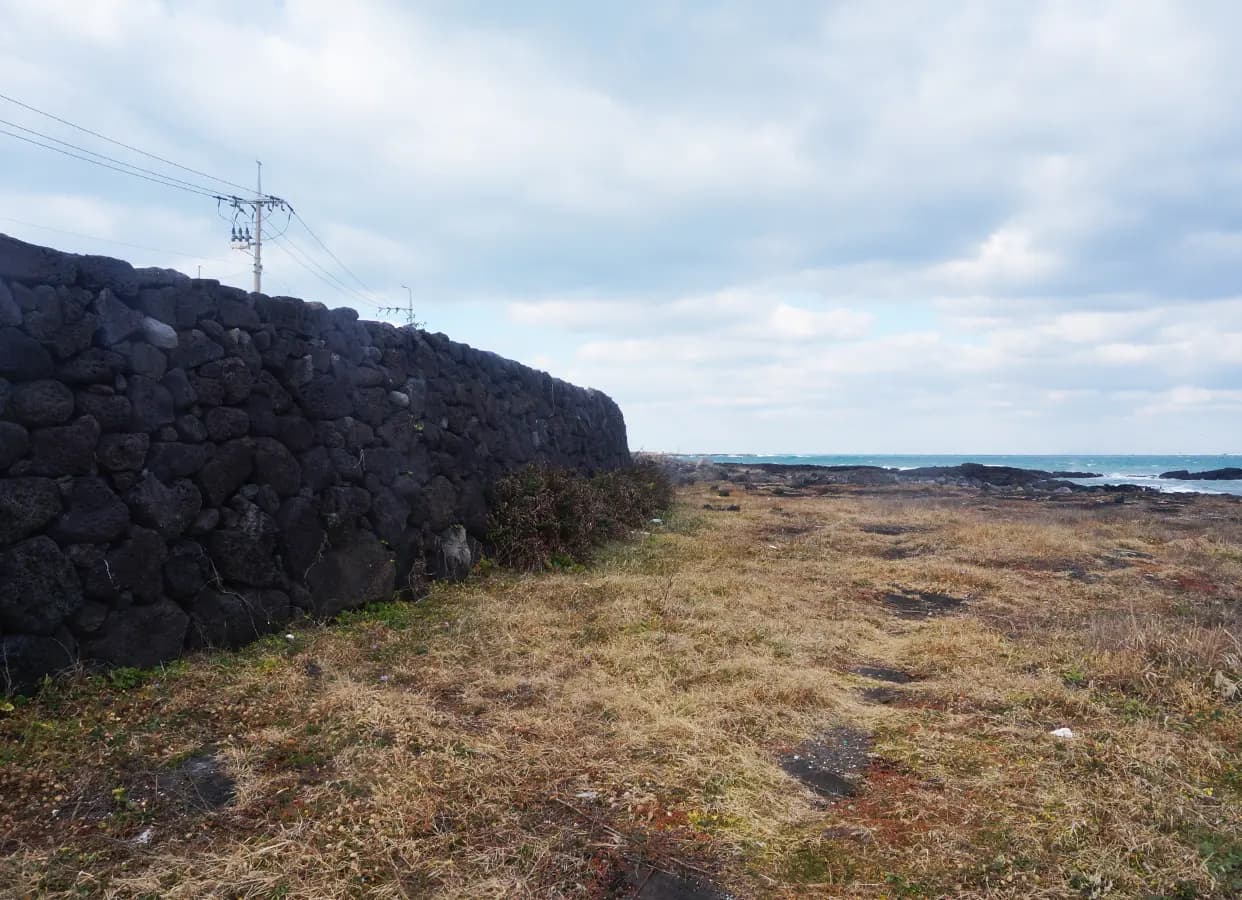
Moving away from the heights and toward the coastal edges, the atmosphere shifts from the contemplative solitude of the hills to the bright, rhythmic vitality of the shore. The transition is seamless, as if the landscape is unfolding like a well-read book. In the coastal villages, the stone walls—the 'batdam'—serve as the skeletal structure of the community, holding back the earth and guiding the eye along the winding paths. These walls are more than just boundaries; they are monuments to the generations of hands that shaped them, weathered by sea spray and time.
In the spring, these paths are often lined with the subtle beauty of local flora. While the heavy blooms of summer are yet to arrive, the delicate textures of early blossoms and the vibrant, budding greens offer a different kinds of visual feast. There is a sense of anticipation in the air, a collective holding of breath before the full explosion of color. The white flowers of certain fields, appearing like fallen clouds against the dark basalt, create scenes of ephemeral beauty that feel almost too fragile to touch, yet they are rooted in the toughest of soils.
A visit to the coast reveals the intersection of human culture and the raw power of nature. The fishing villages, with their weathered houses and colorful nets, tell stories of survival and seasonal rhythms. The sea provides the backdrop to everything—a constant, moving horizon that frames the lives of those who live here. To watch the tide come in or go out is to witness the clockwork of the natural world, a reminder that despite our attempts to organize time, we are ultimately guests of the elements.
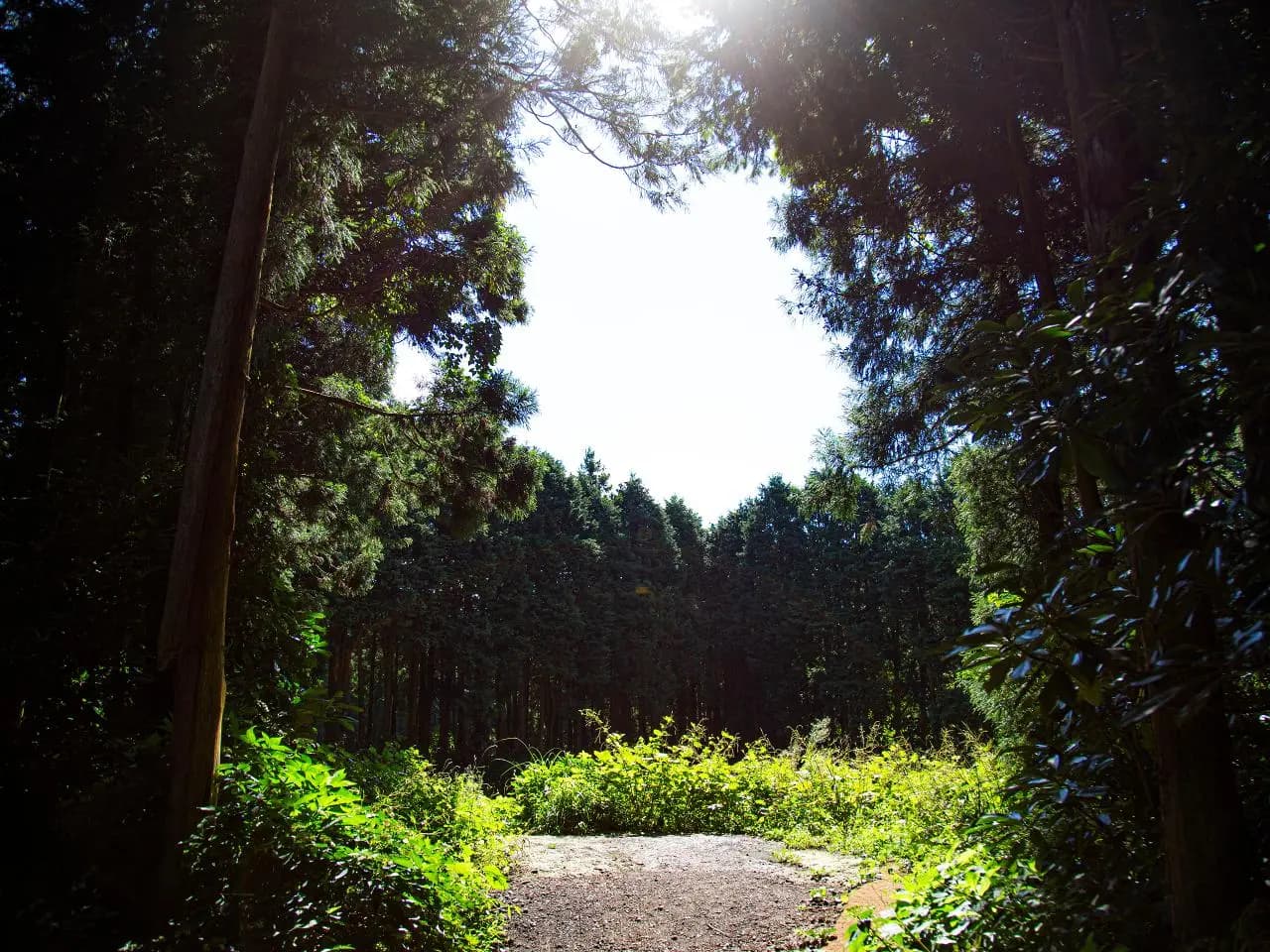
The exploration of Gujwa is incomplete without acknowledging the deep, verdant sanctuaries hidden within the volcanic terrain. Entering a forest like Bijarim is like stepping into a different epoch. The air changes instantly—it becomes cooler, denser, and fragrant with the scent of ancient wood and damp moss. The towering trees, some having stood for centuries, act as pillars for a natural cathedral. Here, the sunlight filters down in long, dusty shafts, creating a dance of light and shadow on the forest floor that feels almost sacred.
Walking through the dense greenery, the sounds of the outside world fade away, replaced by the rustle of leaves and the distant call of a bird. This is the essence of a 'forest bath,' a restorative experience that grounds the spirit. The textures are overwhelming in their subtlety: the rough bark of the nutmeg trees, the velvet softness of moss-covered stones, and the fine, intricate patterns of ferns. It is a place that encourages a slow, deliberate pace, forcing the traveler to notice the small wonders that are often lost in the haste of daily life.
The forest serves as a living archive of the island's geological history. The dark, rich soil and the complex root systems tell a story of life thriving in a landscape born of fire. There is a sense of profound continuity here; the trees have witnessed the passing of seasons and the shifting of tides for hundreds of years, standing as quiet observers of the world's transience. In the shade of these giants, one finds a space for deep, quiet reflection, a place to reconnect with the primal elements of existence.
The forest does not demand your attention; it simply invites your presence.
TripJeju Editorial
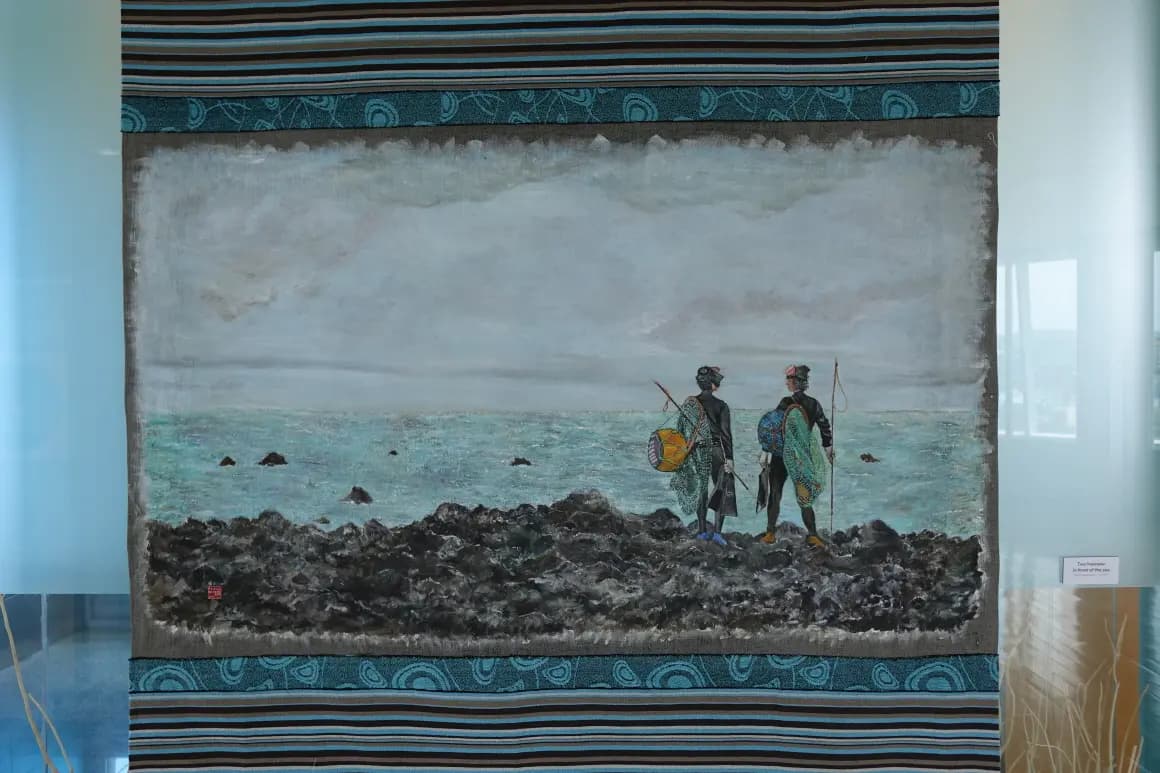
As the journey nears its conclusion, the focus turns to the spiritual and cultural heart of the coast. The museums and heritage sites of Gujwa offer a window into the lives of the Haenyeo—the women divers who have harvested the sea for generations. Their history is woven into the very fabric of the coastline, a testament to the strength and resilience required to live in harmony with such a powerful ocean. The museum, located near the white sands of Sehwa, serves as a quiet repository of these stories, ensuring that the traditions of the past remain a living part of the present.
To stand by the shore, watching the Haenyeo emerge from the turquoise waters, is to witness a profound connection between human spirit and the natural world. Their ritualistic movements and the sudden, sharp sound of their breathing are reminders of the physical reality of this life. The museum houses the tools of their trade—the nets, the traditional houses, and the artifacts of a maritime culture—providing a necessary context to the breathtaking scenery. It is not merely a display of history, but an engagement with the soul of Jeju.
The light begins to soften as the day wanes, casting long, golden shadows across the volcanic cones and the coastal roads. The transition from the bright clarity of midday to the amber warmth of evening is a beautiful, melanchday process. It is a time for winding down, for reflecting on the textures, scents, and sights encountered throughout the day. The beauty of Gujwa lies in its ability to offer both the grand spectacle of the landscape and the intimate, whispered moments of local life.
In the final hours of exploration, one finds a sense of completion that only a landscape as cohesive as Gujwa can provide. The themes of the journey—the stone, the wind, the blossoms, and the sea—have converged to create a singular emotional resonance. This is not a place of mere sightseeing; it is a place of being. The intentionality of the landscapes, from the structured beauty of the villages to the wild expanses of the oreums, guides the traveler through a process of sensory awakening and quiet introspection.
As the evening settles, the white blossoms of the spring seem to glow in the twilight, a fleeting reminder of the season's delicate touch. The journey through Gujwa is a reminder that beauty is often found in the quietest places, in the transition between states, and in the enduring strength of the land. It is a landscape that stays with you, its rhythms etched into memory long after the salt air has faded from your skin.
The stillness returns, but it is no longer a silence of emptiness. It is the full, quiet breath of an island waiting for the next dawn. We leave the coast not with a sense of departure, but with a feeling of having been replenished, carrying the light and the wind of Gujwa within us.