Monthly Jeju · Monthly
September 2026
Trending spots and seasonal highlights, updated each month.
Jeju · Travel
The Harvest of Seogwipo
Autumnal flavors and the warmth of the marketplace
As September settles over the southern coast, the Seogwipo Maeil Market awakens with the quiet energy of the harvest. From the sweet earthiness of omegi-tteok to the first bright notes of citrus, the flavors of autumn are a sensory map of the island's abundance.
The light in Seogwipo changes in September. It loses the aggressive, blinding brilliance of midsummer, replaced by a softer, amber-toned glow that seems to settle into the volcanic stone and the deep greens of the hillsides. This is the season of the harvest, a time when the wind carries a distinct crispness and the island prepares for the quietude of Chuseok. There is a purposeful movement in the air, a sense that the land is offering up its final, most generous gifts before the winter rains arrive.
Walking toward the Seogwipo Maeil Market, one feels the rhythmic pulse of the city shifting from a tourist pace to a local one. The air is thick with the scent of something fundamental—toasted grain, salt air, and the sweet, unmistakable aroma of ripening fruit. It is not just a place of commerce, but a place of memory, where the seasons are measured not by calendars, but by the arrival of specific textures and tastes. The market becomes a living archive of Jeju's relationship with its soil.
Every stall tells a story of the preceding months. You see it in the way the vendors handle their produce, with a reverence that borders on the ritualistic. There is a profound sense of abundance that is not loud or boastful, but deeply grounded. As the autumn settles in, the market transforms into a sanctuary of flavor, inviting you to slow down and notice the subtle transitions of the natural world.
The market is the heartbeat of Seogwipo, where the seasons are not read in books, but tasted in the sweetness of a harvest.
TripJeju Editors
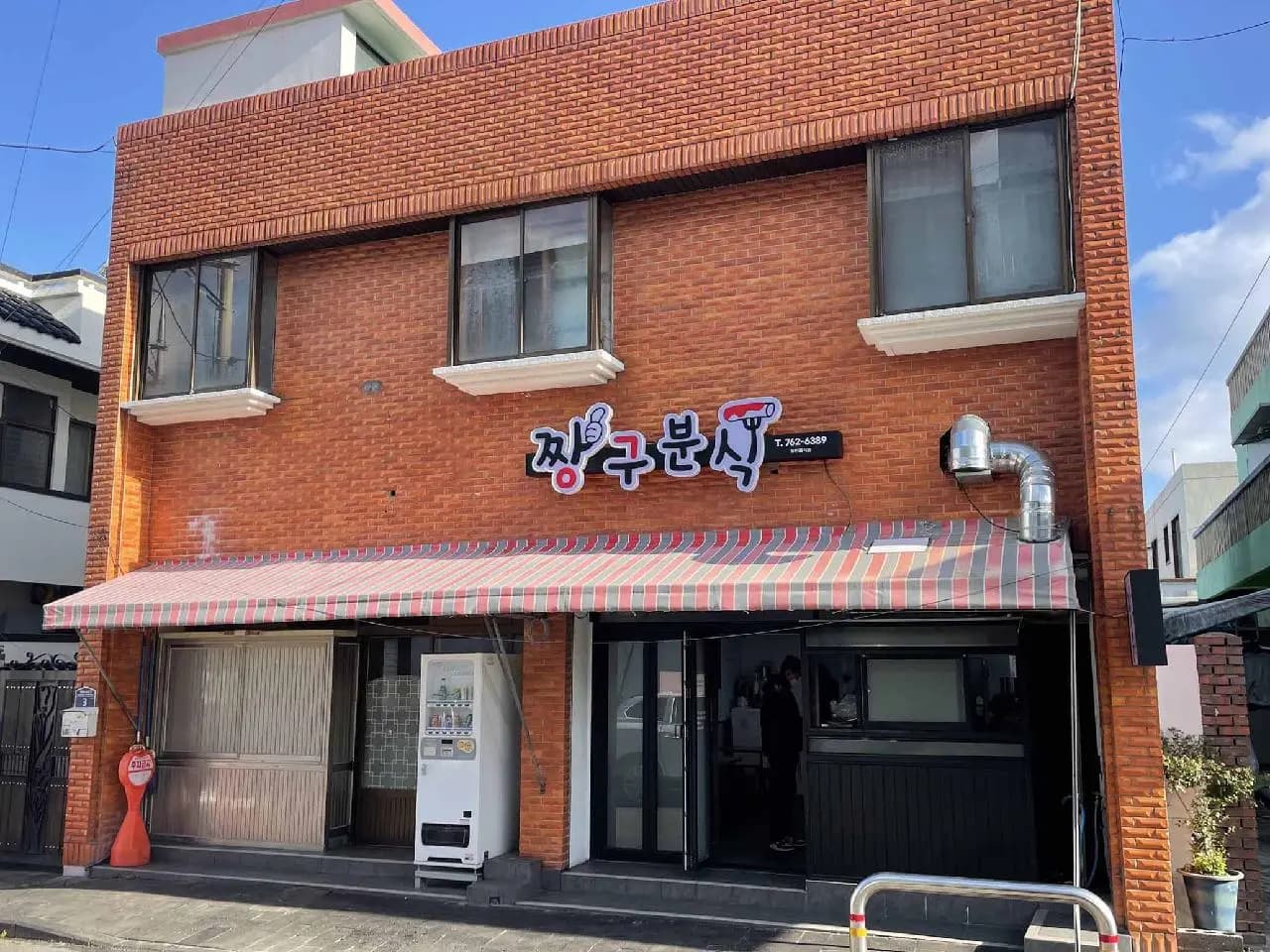
Deep within the labyrinthine aisles of the market, the first sensation is often the warmth of the steam. At Jjanggu Bunsik, a beloved local staple, the air is heavy with the comforting scent of Modatchigi. This traditional Jeju-style platter is a masterclass in local comfort, bringing together tteokbokki, gimbap, and assorted fried snacks on a single plate. It is the kind of meal that demands presence, a messy, delicious ritual that warms you from the inside out.
Watching the steam rise from the trays of fried snacks, you realize that these are more than just quick bites; they are the flavors of home. The spice of the tteokbokki cuts through the cool autumn breeze, while the savory notes of the gimbap ground the experience. In the middle of the bustling market, these small moments of indulgence feel like a profound connection to the local lifestyle, a way to consume the very essence of Seogwipo's daily life.
The energy of Jjanggu Bunsik is infectious, a microcosm of the market's larger spirit. Here, the frenetic pace of the vendors meets the slow, steady satisfaction of a well-cooked meal. It is a place where the rush of the morning is balanced by the lingering sweetness of a snack, much like the way the autumn sun lingers on the horizon before the long evening begins.
Further into the heart of the market, the textures shift from the soft and savory to the chewy and sweet. The omegi-tteok, Jeju's signature rice cake made with black glutinous rice and coated in red bean powder, is a staple of the autumn season. Holding a warm piece of omegi-tteok, you feel the slight grit of the beans and the elastic, satisfying resistance of the rice. It is a dense, earthy sweetness that feels perfectly suited to the cooling weather.
There is a certain meditative quality to watching the makers work. The precision required to create the perfect texture, the balance of the bean powder against the dark rice, reflects the meticulous care Jeju people have applied to their food for generations. Each bite is a reminder of the island's resilience and its ability to turn simple, hardy ingredients into something deeply soul-satisfying.
As you walk, you see families gathering, purchasing large quantities of these treats in preparation for the Chuseok holiday. The omegi-tteok is more than just a snack; it is a bridge between the past and the present, a culinary thread that connects families during times of harvest and gratitude. The sweetness lingers on the palate, much like the quiet satisfaction of a day spent wandering through the changing landscape.
To eat omegi-tteok in the autumn is to taste the very grit and sweetness of the Jeju soil.
No journey through Seogwipo in the fall is complete without acknowledging the citrus. While the peak season for tangerines is still approaching, the early harvest offers a delicate, nuanced flavor that is unlike the heavy sweetness of winter fruits. The early varieties have a bright, acidic clarity that wakes up the senses, a sharp contrast to the earthy tones of the market's grains.
In the stalls surrounding the market, the citrus is displayed in vibrant heaps of orange and yellow. The scent is intoxicating—a citrusy perfume that cuts through the heavier smells of fish and fried dough. It is a scent that defines Seogwipo, a reminder of the island's southern identity and its unique microclimate that nurtures these groves even as the winds begin to turn cold.
Picking up a piece of seasonal fruit, you feel the textured skin and the coolness of the flesh. The juice is a burst of autumn sunlight, a concentrated expression of the island's energy. It is a reminder that even as the greenery begins to fade and the hills turn brown, the island is still brimming with life and vitality.
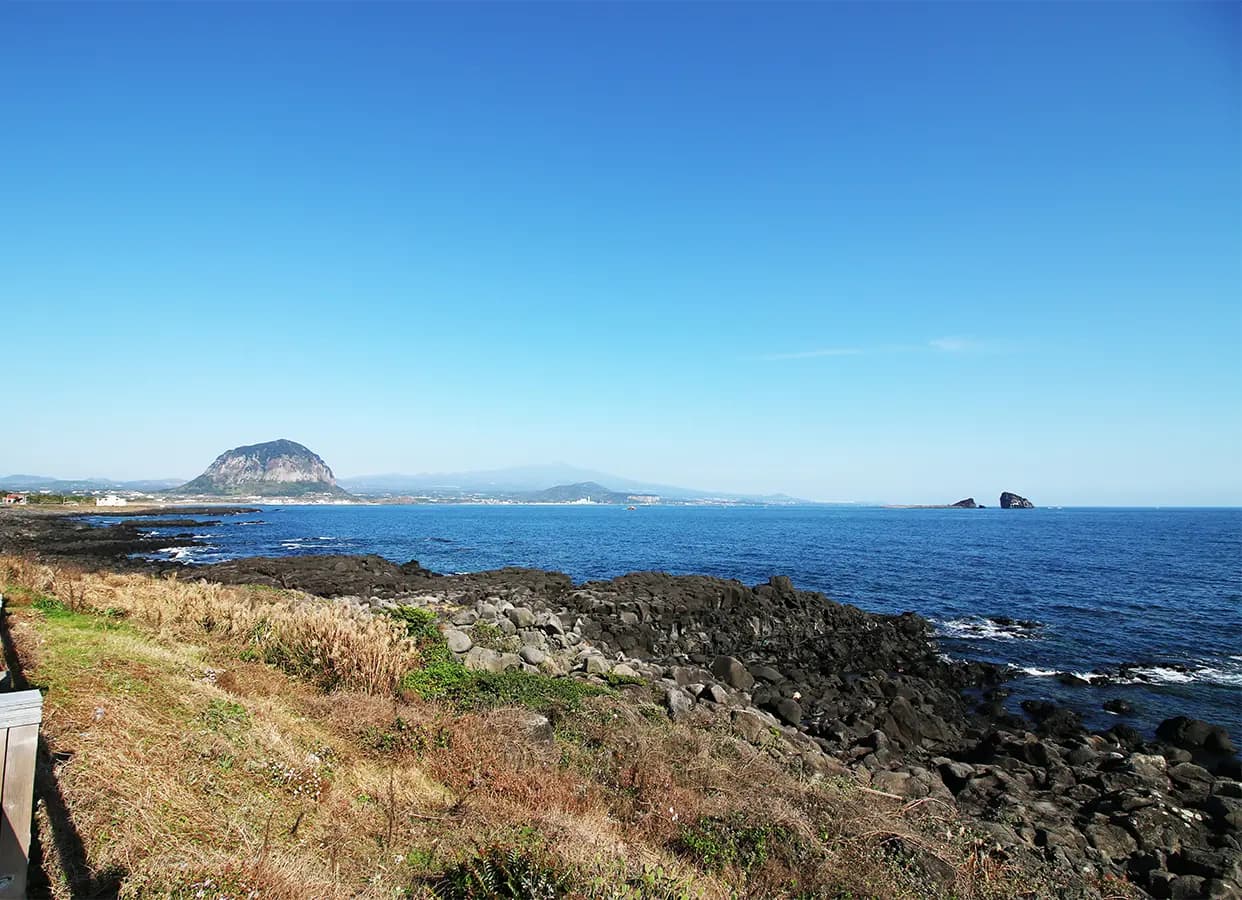
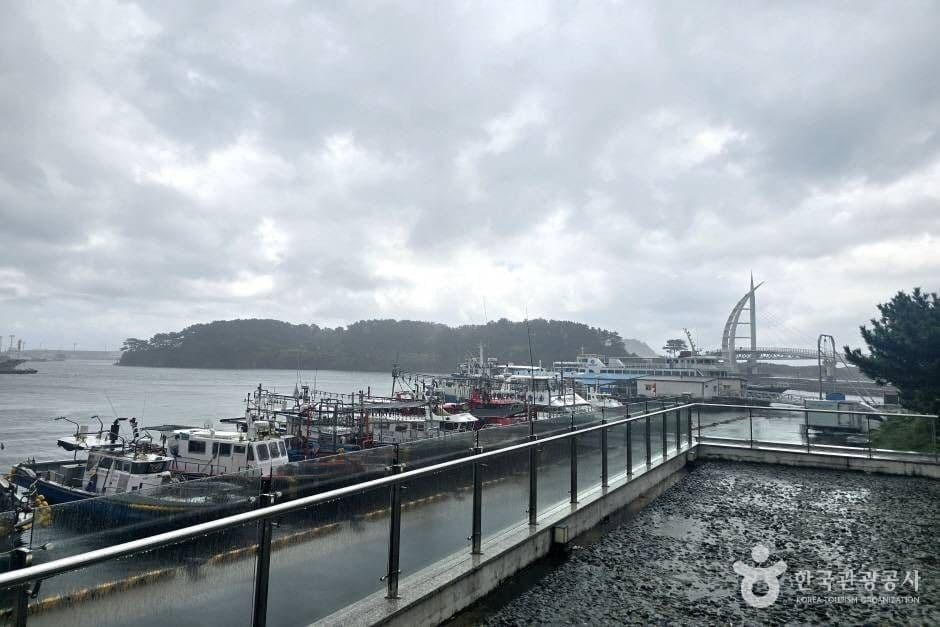
Beyond the immediate sensory overload of the market, the autumn landscape invites a different kind of exploration. The paths along the Seogwipo Coast and the nearby trails offer a way to process the abundance you have just witnessed. As you walk, the sound of the waves provides a rhythmic counterpoint to the chatter of the market, a natural metronome that helps reset your internal clock.
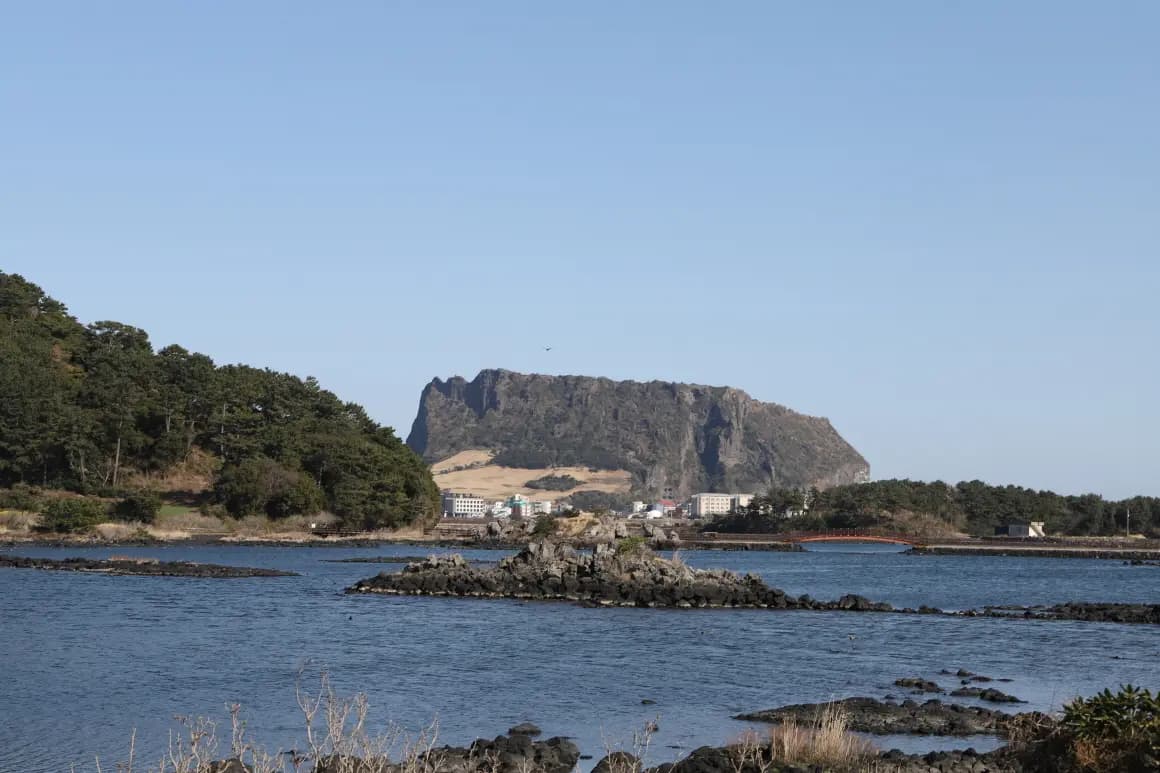
The coastal cliffs, weathered by centuries of salt and wind, stand as silent witnesses to the cycles of the seasons. In September, the grass on the hillsides begins to take on a golden hue, and the wildflowers that thrived in summer start to bow their heads. It is a period of transition, where the landscape seems to be breathing deeply, preparing for the dormancy of the colder months ahead.
Walking these trails, you realize that the market and the landscape are part of the same continuous cycle. The food you eat is the result of the soil you walk upon, and the weather that dictates the harvest is the same weather that shapes the coastline. There is a profound interconnectedness here, a sense that everything in Jeju—from the smallest grain of rice to the largest volcanic peak—is part of a single, breathing organism.
As evening approaches, the market begins to wind down, but the essence of the day remains. The colors of the stalls fade into the twilight, and the scent of the sea grows stronger. The sense of abundance does not disappear; it simply settles, much like the autumn light. You leave the market with more than just bags of food; you leave with a sense of the island's profound generosity.
The memories of the day—the warmth of the steam, the texture of the rice cakes, the brightness of the citrus—linger like a soft melody. It is a reminder that autumn is not a season of loss, but a season of gathering. It is a time to collect the flavors, the sights, and the quiet moments of reflection that define the Jeju experience.
In the silence of the twilight, Seogwipo feels both ancient and new. The market has played its part in the seasonal cycle, and the land is preparing for its next phase. You walk away from the bustling center, carrying the taste of autumn with you, as the first stars begin to appear over the darkening hills.
In Seogwipo, autumn is not merely a change in temperature, but a change in the soul's resonance with the land.
The true spirit of Jeju is found in these intersections of culture and nature. The way a single marketplace can hold the weight of a thousand years of tradition, and the way a simple walk along a coastal trail can feel like a journey through time. September is the gateway to this realization, a month that invites you to witness the harvest of both the land and the spirit.
As you settle into the quiet rhythm of the evening, the weight of the day's experiences feels grounded and real. The market's energy has been absorbed into the landscape, and the landscape's stillness has been brought into the heart. It is a beautiful, balanced exchange, one that happens every year but feels uniquely poignant as the autumn settles in.
The light eventually fades completely, leaving only the memory of the amber sun and the scent of citrus in the air. The harvest is complete, and the island prepares for the quiet beauty of the coming winter, leaving us with a lingering sense of fullness.