Monthly Jeju · Monthly
April 2026
Trending spots and seasonal highlights, updated each month.
Jeju · Travel
The Quiet Breath of Daejeong
Walking through stone walls and spring breezes
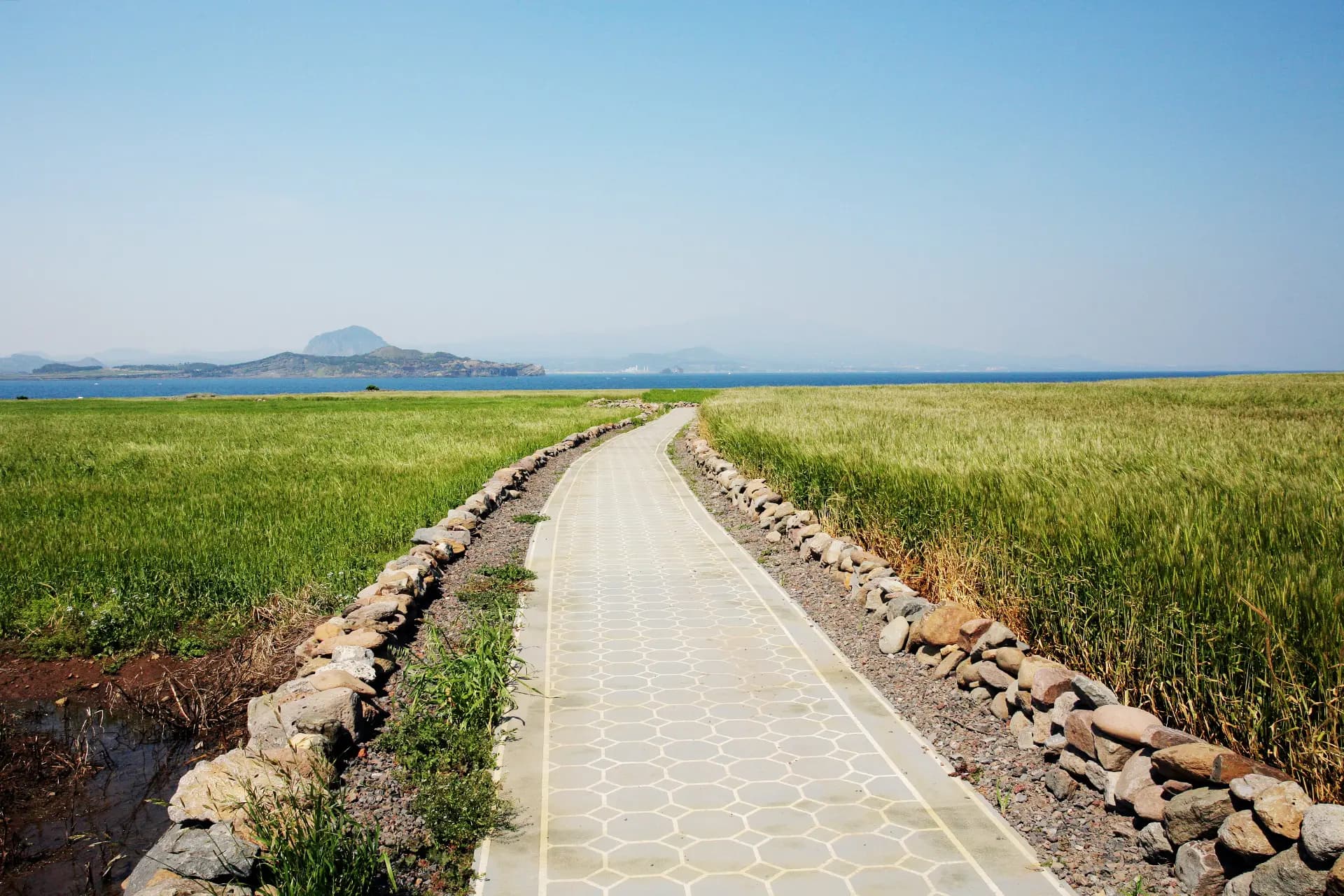
In the soft light of April, the stone walls of Daejeong-eup weave a silent narrative of time and tide. Here, the path is not just a route, but a reflective passage through the enduring spirit of Jeju.
The morning in Daejeong-eup arrives not with a shout, but with a gradual unfolding of light over the basalt walls. The stones, dark and porous, seem to hold the weight of centuries, stacked with a precision that feels less like construction and more like a slow, geological conversation. As the spring wind sweeps across the landscape, it carries the faint, salt-tinged scent of the coast, stirring the quiet life that resides in the crevices of the rock and the patches of green pushing through the earth.
Walking these paths, one realizes that the stillness is never truly empty. It is a layered silence, composed of the distant murmur of the sea and the rhythmic, soft breath of the island itself. In April, the air has a particular clarity—a crispness that sharpens the edges of the world. The heavy gray of the winter has lifted, replaced by a translucent quality of light that makes even the simplest stone wall feel like a masterpiece of shadow and form.
There is a profound sense of being untethermed here. The village paths do not demand anything of the traveler; they simply exist, offering a way forward that is as much about looking inward as it is about moving through space. To walk through Daejeong is to step into a living museum where the boundaries between the human hand and the volcanic earth have long since blurred into a seamless, beautiful reality.
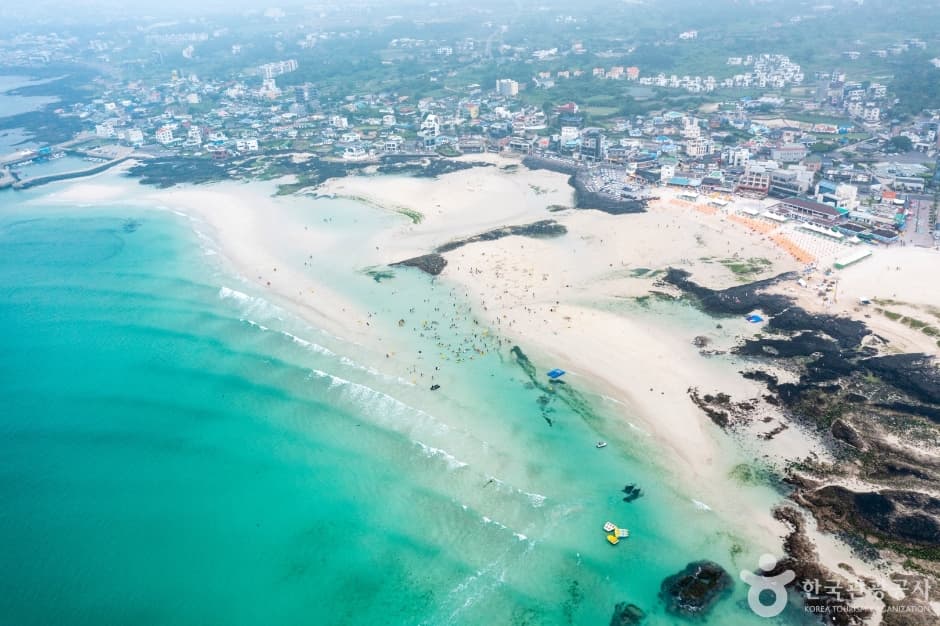
To journey toward Gapado is to leave the terrestrial world behind and enter a realm of rhythmic movement. The crossing to the island is a passage through the blue expanse, where the water changes from the deep indigo of the open sea to the shimmering turquoise of the shallows. As the ferry approaches the coast, the island reveals itself not as a grand mountain, but as a low, sweeping expanse of green and blue, a place where the horizon feels remarkably close.
On Gapado, the scale of the world shifts. The landscape is intimate, defined by the undulating fields and the constant, watchful presence of the ocean. The wind here is a constant companion, moving through the barley fields with a sound like distant surf. It is a place of simplicity, where the primary colors are the gold of the spring crops and the deep, endless blue of the surrounding waters.
Every corner of the island offers a new texture—the rough grit of the path, the softness of the spring vegetation, and the expansive openness of the view. It is a landscape that invites slow movement. You cannot rush through a place like this; to do so would be to miss the subtle shifts in light that redefine the coastline every hour.
The stillness of the stone walls is not the absence of sound, but the presence of peace.
Daejeong Reflections
The connection between the land and the sea is most palpable when walking along the edges of the island. In Daejeong, the coastlines are not mere boundaries but vital, living interfaces. You can feel the energy of the tides in the very ground beneath your feet, especially when the paths lead you to the rugged edges where the basalt meets the spray. The interplay of dark stone and bright sea is a visual melody that plays continuously.
Spring brings a renewal of purpose to these coastal walks. The light is more directional now, casting long, elegant shadows that dance across the paths. It is the perfect season for the photographic eye, where the contrast between the weathered textures of the village and the fluid motion of the ocean creates a striking tension. There is a sense of waiting—as if the landscape is poised for the full bloom of summer, yet perfectly content in its current, budding state.
In these moments, the concept of 'travel' dissolves into something more profound: presence. You are not merely observing a scene; you are participating in its existence. The wind, the light, and the ancient stones become a singular environment that absorbs the traveler, leaving behind the frantic pace of modern life in favor of a measured, soulful stride.
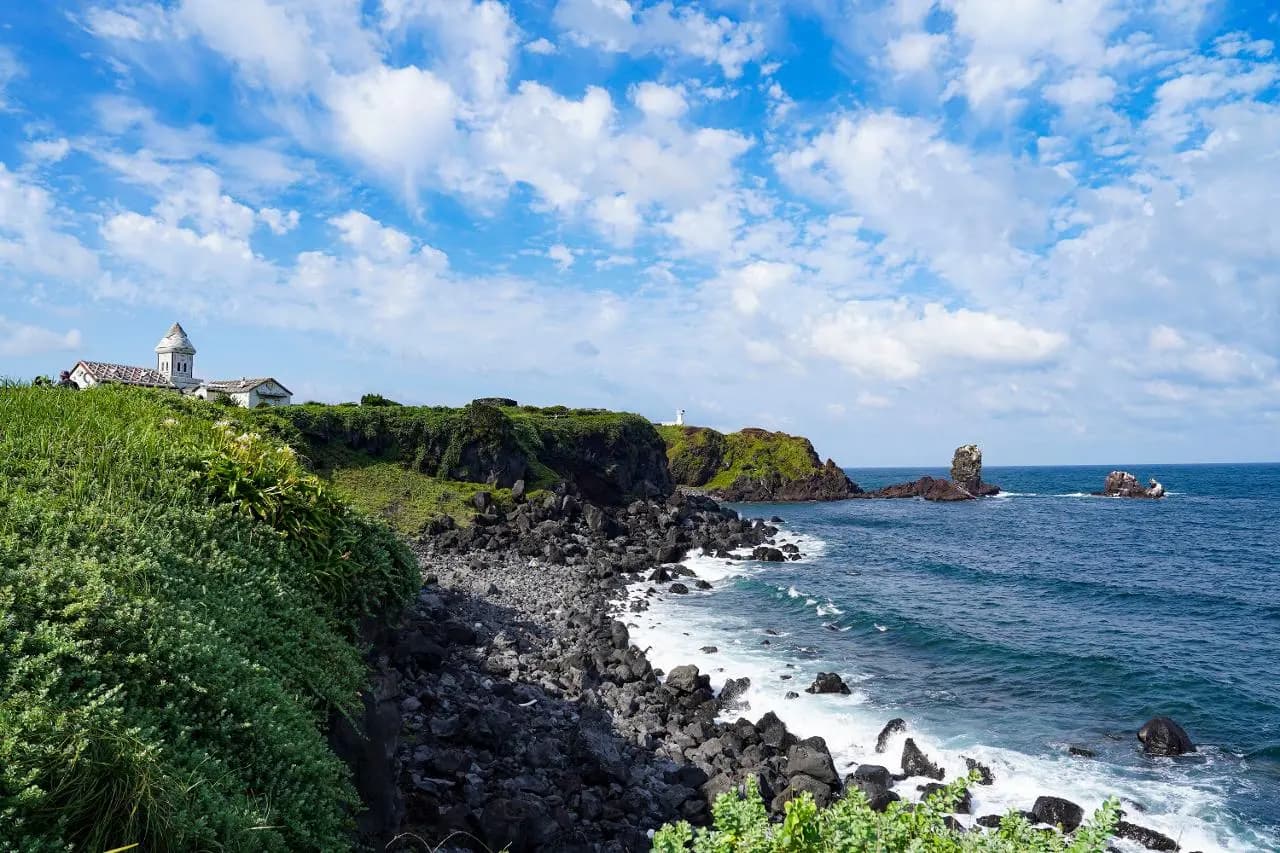
As the sun begins its slow descent, the light in Daejeong takes on a golden, amber hue, gilding the edges of the stone walls and turning the sea into a sheet of hammered bronze. This is the hour of reflection, when the physical act of walking begins to merge with a mental wandering. The shadows lengthen, stretching across the fields like dark fingers, marking the passage of a day that feels both fleeting and eternal.
The village paths often lead to unexpected vistas—a sudden opening in the stone, a sudden view of the sea beyond a ridge. These are the rewards of the wanderer. Each turn is a discovery of scale, where a small patch of wildflowers or a solitary tree becomes the center of the universe. The simplicity of the landscape forces a simplification of thought, stripping away the unnecessary until only the essential remains.
There is a quiet dignity in the way the landscape has been shaped. The stone walls, built by hand to withstand the wind, tell a story of resilience and adaptation. They are not just barriers; they are the bones of the village, providing a structure for life to flourish in the spaces between. To walk among them is to walk through the history of a people who learned to live in harmony with the rugged beauty of their environment.
In the silence between the wind and the waves, we find ourselves.
The Wanderer
The intersection of the sea and the sky is where the true magic of the coast lies. On a clear spring day, the horizon line is a sharp, definitive stroke that separates the deep blue from the lighter azure above. This clarity makes the world feel vast, yet the intimacy of the coastal paths keeps it grounded. It is a paradox of space—at once immense and deeply personal.
For those who seek a sense of stillness, the outskirts of the village offer the best sanctuary. Away from the main thoroughfares, the paths become narrower and the stone walls more weathered. Here, the sounds of the world fade, replaced by the rustle of leaves and the distant, rhythmic pulse of the ocean. It is in these quiet corners that the spirit finds its true resting place.
The seasonal transition of April acts as a bridge. It is the period of emergence, where the dormant life of winter begins to stir. The landscape is waking up, vibrant and green, yet still retains a hint of the cool, quiet introspection of the winter months. This duality is what makes a spring walk in Daejeong so evocative—it is a journey through a world in the process of becoming.
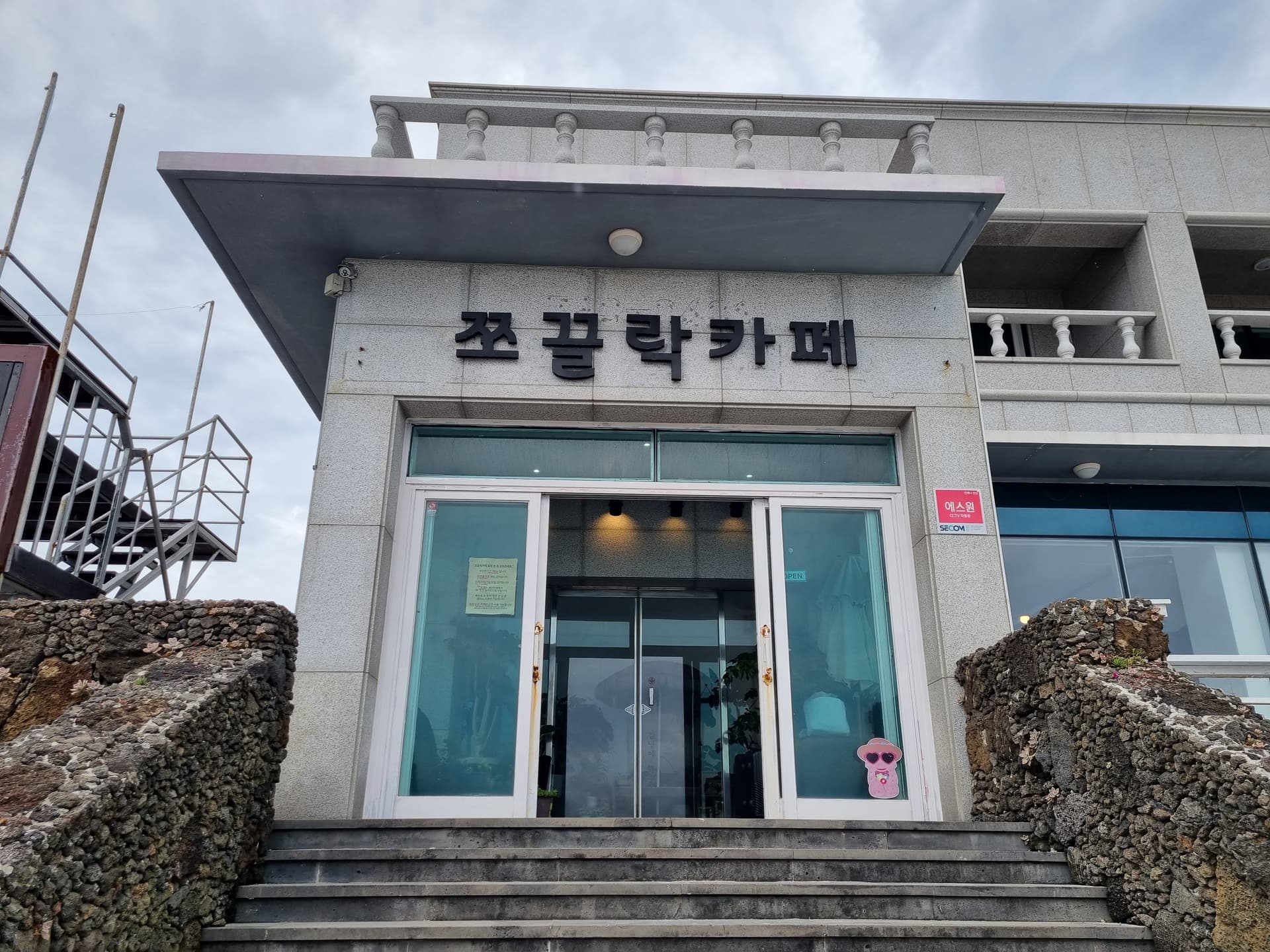
There is a specific rhythm to a day spent walking in Daejeong. It begins with the crisp energy of the morning and ends with the heavy, peaceful exhaustion of the evening. The physical movement of the body serves as a vessel for the mental release that comes from being immersed in such a consistent, natural environment. The fatigue is not burdensome; it is a gentle, grounding sensation.
As the paths wind through the landscape, one encounters the small details that define the local character: the lichen-covered rocks, the precise arrangement of a garden, the way a house sits nestled behind a wall. These are the nuances that a hurried traveler might miss, but for the slow wanderer, they are the entire point of the journey. They are the small truths of the place.
To move through these spaces is to acknowledge the passage of time without being burdened by it. The stones do not move, yet they change with the light. The sea is always in motion, yet it feels constant. In this interplay of change and constancy, one finds a mirror for the human experience—a reminder that stillness and movement are both necessary parts of a whole.
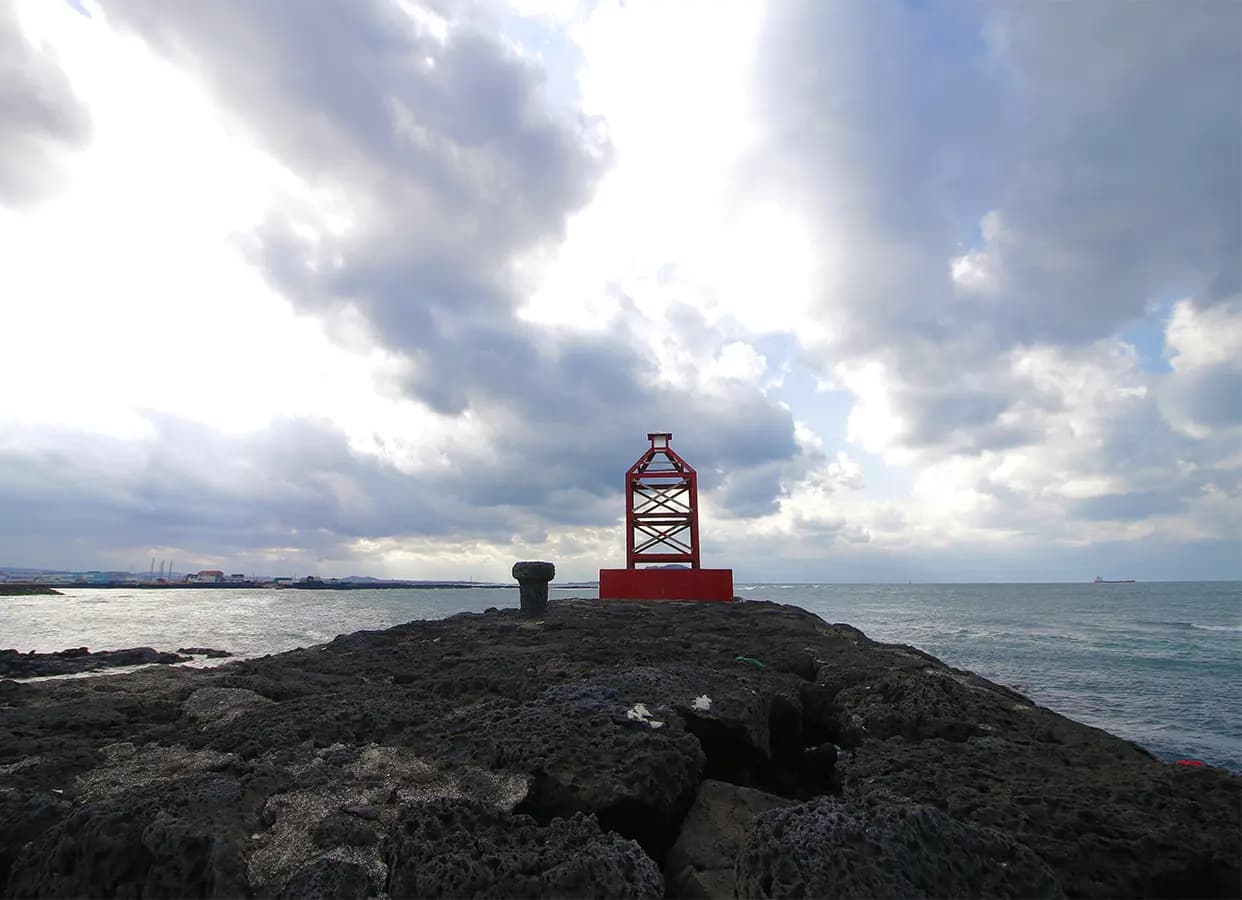
As the walk nears its conclusion, the connection to the land feels even more profound. There is a sense of completion, as if the journey has not just taken one through a place, but through a state of being. The boundaries of the self seem to soften, merging with the wind, the stone, and the sea. This is the ultimate destination of any meaningful walk: a sense of unity with the surroundings.
The memories of the day will not be of grand monuments or bustling markets, but of the way the light hit a particular patch of moss, or the sound of the wind through the spring grass. These are the quiet imprints left by a day in Daejeong. They are the things that remain when the traveler returns to the noise of the world, a soft, internal resonance that speaks of peace.
In the end, the journey is less about the distance covered and more about the depth of the observation. To walk with intention is to transform a simple path into a sacred space. Daejeong-eup, with its ancient walls and seasonal breath, provides the perfect canvas for such a transformation, offering a quiet refuge for those who know how to listen.

The shadows settle deep into the volcanic stone as evening approaches, and the village seems to exhale one last time before the night takes hold. The colors soften into a palette of violets and grays, and the wind loses its sharp edge, becoming a gentle, cooling caress. It is a moment of profound stillness, a pause in the heartbeat of the island.
To leave these paths is to carry a piece of their silence with you. The stone walls and the coastal winds stay etched in the mind, a quiet reminder of the beauty found in simplicity. The walk through Daejeong is not something that is merely done; it is something that is felt, a resonance that lingers long after the footsteps have ceased.
In the quiet of the evening, one realizes that the most important journeys are often the ones that take us nowhere far, but lead us entirely into ourselves.