Monthly Jeju · Monthly
June 2026
Trending spots and seasonal highlights, updated each month.
Jeju · Travel
The Verdant Breath of Andeok
Savoring the verdant stillness amidst Jeju’s rolling tea fields and coastal whispers.
As summer opens its doors, the lush, emerald corridors of Andeok-myeon offer a cool sanctuary from the rising heat. Within these rolling tea gardens and rugged volcanic landscapes, time seems to decelerate, inviting a quiet communion between nature and the soul.
The morning arrives not with a sudden burst of light, but with a soft, creeping green that seems to emanate from the earth itself. In the early hours of June, the air in Andeok-myeon carries a dew-kissed freshness, a gentle reminder that summer has officially laid claim to the island. Walking through the meticulously manicured tea gardens, one is struck by the profound sense of order meeting wildness—the symmetry of the tea bushes providing a rhythmic counterpoint to the untamed horizon of Jeju.
In this quiet corner of Seogwipo, the world feels filtered through a lens of jade. The wind, light and teasing, carries the scent of damp earth and young leaves, whispering secrets through the rows of tea. It is a landscape that demands stillness. There is no urge to rush here; the green hills rise and fall with the steady pulse of the island, inviting travelers to shed their frantic schedules and simply exist within the verdant embrace of the tea plantations.
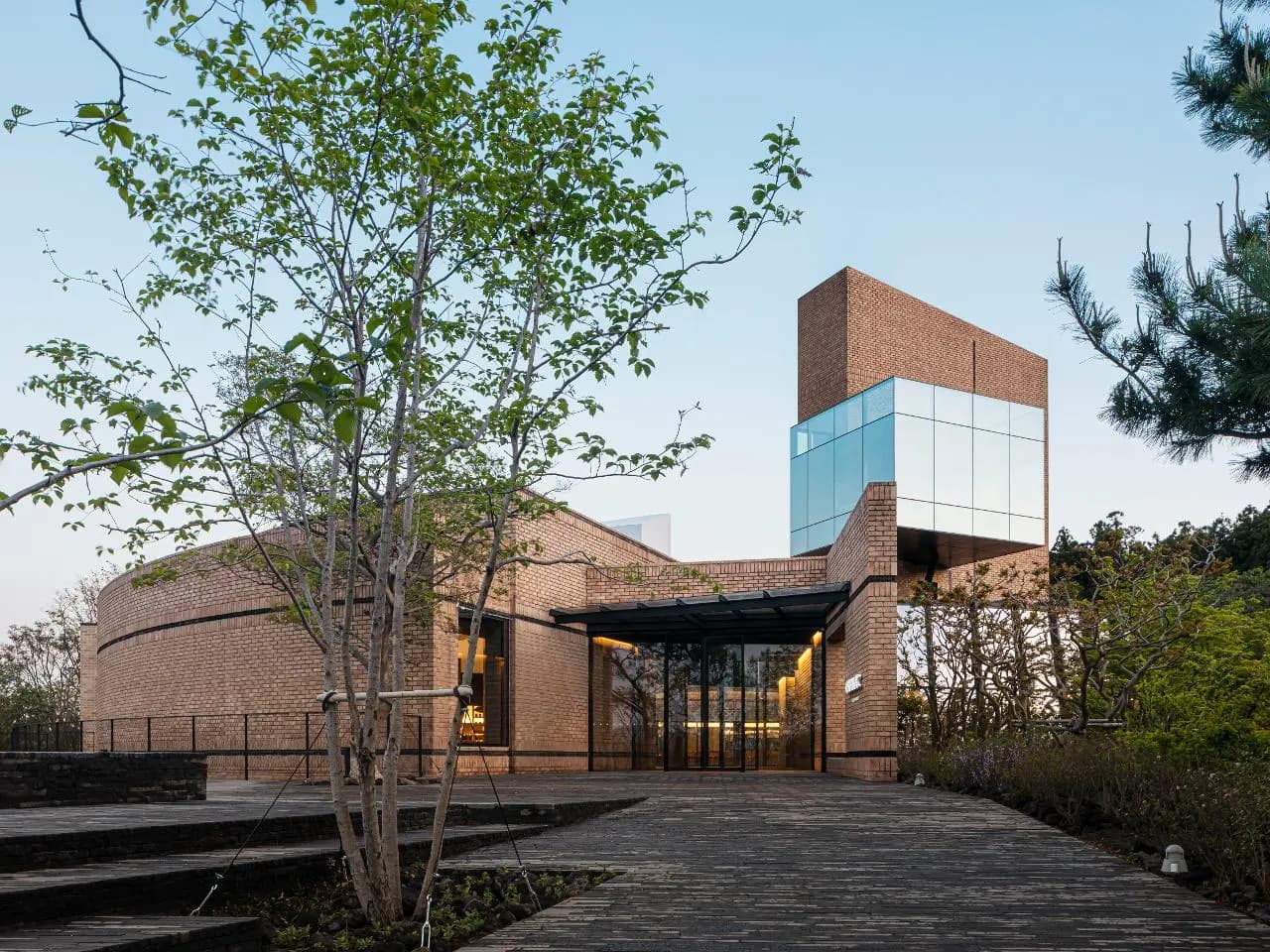
To wander into the O’Sulloc Tea Museum is to step into a space where tradition is not a relic of the past, but a living, breathing dialogue with the present. The architecture itself, inspired by the elegant curve of a tea cup, serves as a gentle vessel for the culture contained within. As one moves through the polished spaces, the intersection of Eastern tea ceremony and Western modernism becomes palpable. It is a place of curated reflection, where the history of tea is woven into the very fabric of the building.
The museum serves as a cultural waypoint, bridging the gap between the rugged outdoors and the refined indoor life. Here, the artifacts tell stories of ancient rituals and the deep respect for the leaf, while the large windows frame the shifting light of the tea gardens outside. It is more than a collection of objects; it is an atmospheric study of how we appreciate the small, sensory wonders of life—the steam rising from a bowl, the texture of a ceramic cup, and the profound silence that follows a perfect sip.
In the quietude of the tea gardens, one finds that the most profound conversations are often the ones held in silence.
TripJeju Editorial
Moving from the scholarly stillness of the museum to the sensory indulgence of the Osulloc Tea Cafe, the mood shifts from contemplation to a light, celebratory joy. The cafe is a gathering place for those who find beauty in the intersection of nature and indulgence. One can sit by the window, watching the sunlight play across the leaves, while sipping on a cold tea latte. The bitter, earthy notes of the premium organic green tea balance perfectly with the creamy sweetness, creating a momentary equilibrium that seems to hover above the world.
There is a particular magic in the tea lattes and signature drinks crafted here. As the summer sun climbs higher, the chilled beverages become a necessary, refreshing respite. The textures—the velvet foam, the crispness of the ice, the subtle grit of ground tea—awaken the palate. It is a sophisticated form of nourishment that allows one to remain present in the beauty of the surroundings without losing the edge of summer's vibrancy.
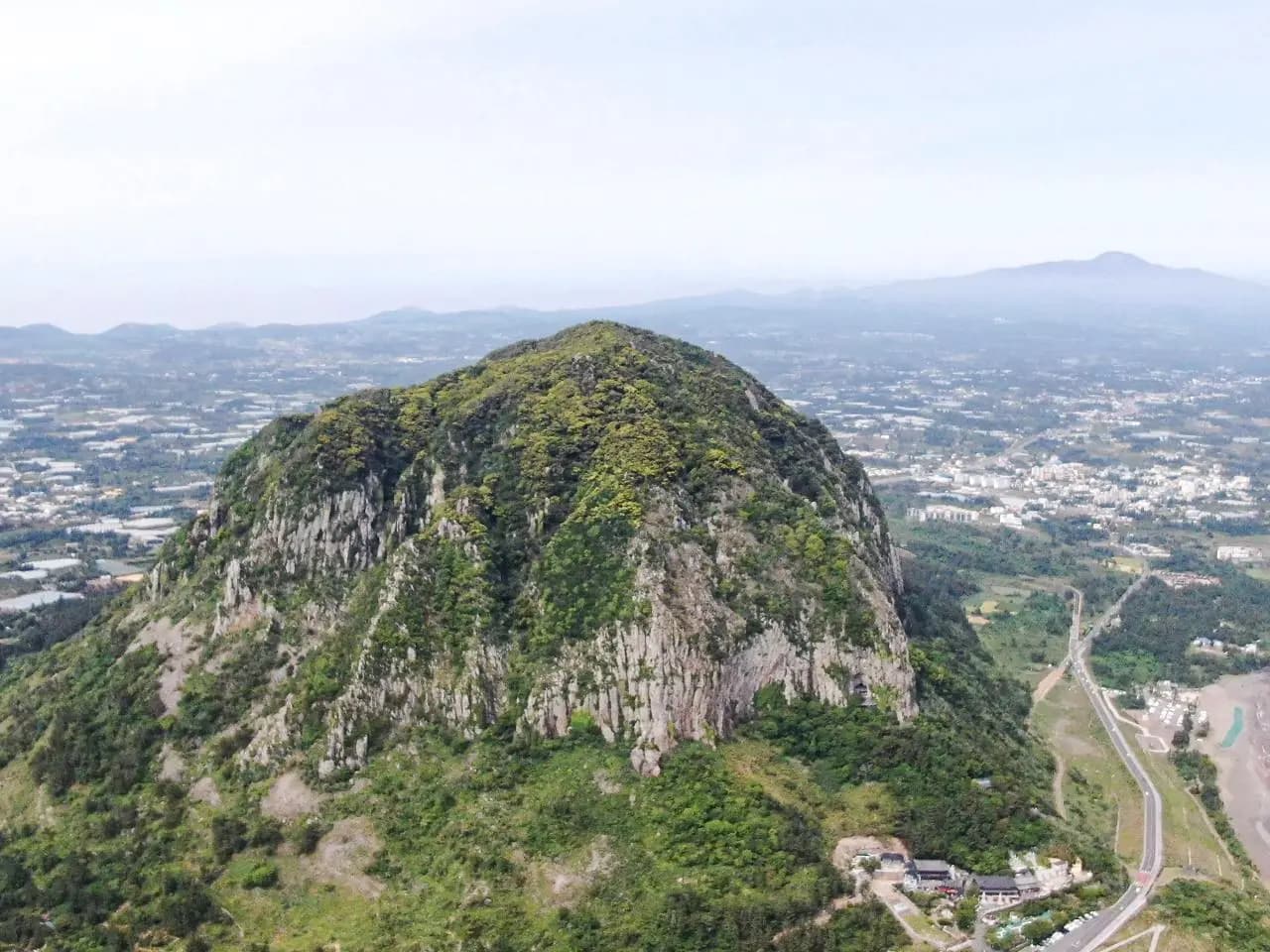
Beyond the tea fields, the landscape of Andeok expands into a more dramatic narrative of stone and sky. The transition from the manicured plantations to the geological wonders of the island is sudden yet seamless. To look toward the distant peaks, such as Sanbangsan, is to realize that the tea gardens are but a tender layer atop a prehistoric foundation. The volcanic history of Jeju is the stage upon which this lush summer greenery performs its annual dance.
Exploring the nearby paths, one encounters the physical weight of the island’s past. The black basalt rocks, scattered like dark jewels among the greenery, remind us of the fires that once forged this land. There is a grounding quality to the stone—a sense of permanence that contrasts with the fleeting, delicate life of the tea leaves. It is this juxtaposition—the ephemeral green and the eternal black—that gives Ande-myeon its unique, soulful character.
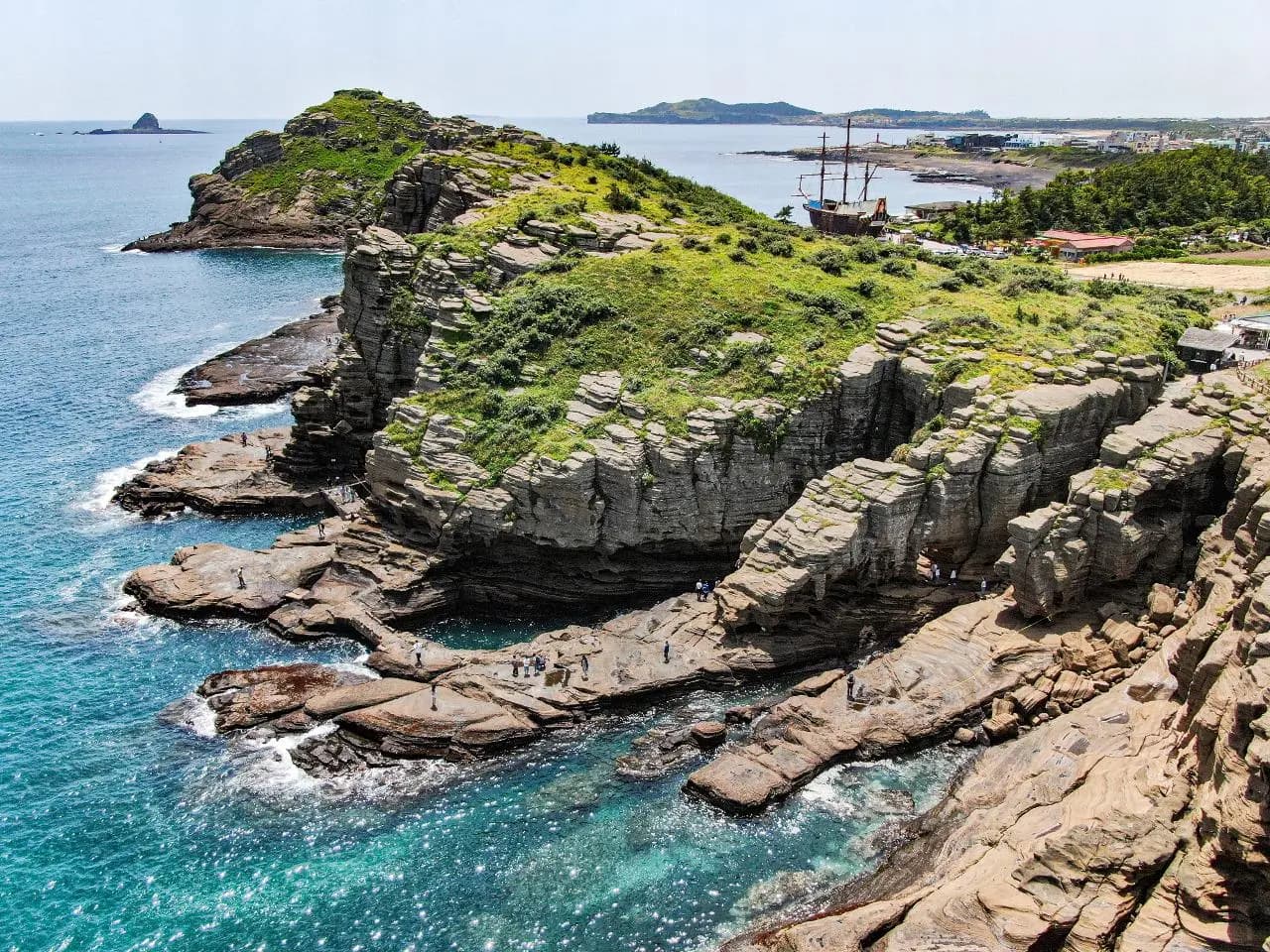
Seeking a reprieve from the direct warmth of the afternoon, the wanderer might turn to the cooler, more shadowed reaches of the island. The journey toward the coast reveals a different side of the summer spirit. Places like the Yongmeori Coast, with its ancient, swirling sandstone layers, offer a sense of geological wonder that feels almost otherworldly. The sound of the waves crashing against the cliffs provides a rhythmic, percussive backdrop to the visual spectacle of the shoreline.
The interplay of light on the cliffs of Yongmeori, shaped like a dragon’s head, is a sight that demands a pause in any itinerary. The layers of sediment, carved by millions of years of ocean tides, stand as silent witnesses to the passage of time. Walking along the trails here, one feels the immense scale of the natural world, making the human scale feel momentarily insignificant yet intimately connected to the larger cycle of existence.
To walk the coast is to listen to the heartbeat of the earth, rhythmic and unyielding.
TripJeju Editorial
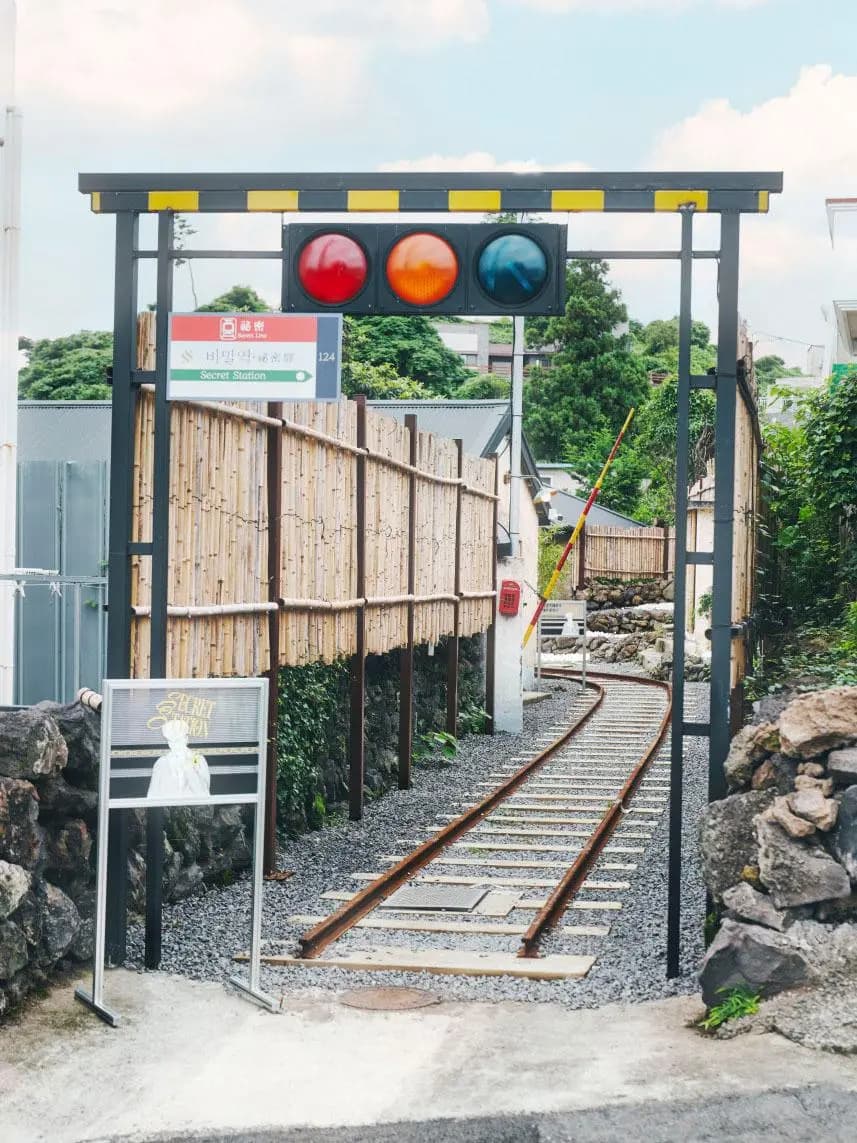
As the afternoon wanes, the light takes on a golden, honeyed quality, casting long shadows across the hills. This is the hour when the 'secret' spaces of Jeju begin to reveal themselves. A detour to a quiet cafe or a hidden cove can transform a simple afternoon into a profound memory. In places like the retro-themed Secret Station, the nostalgia of a bygone era meets the lush scenery of the modern coast, offering a sense of displaced time that is both whimsical and deeply comforting.
The transition from day to dusk is a slow melting of colors. The bright greens of the tea plantations deepen into forest hues, and the blues of the sea become a bruised indigo. It is a period of transition, a movement from the active exploration of the morning to the reflective stillness of the evening. In this transition, the traveler finds a space for quiet thought, uninterrupted by the trivialities of the modern world.

The culinary journey through Andeok is as much a part of the sensory experience as the scenery itself. To sample the local black pork or a fresh abalone dish is to taste the geography of the island. There is an honesty in the food here—flavors that are clean, direct, and deeply rooted in the sea and the soil. A meal in the open air, with the scent of the ocean nearby, elevates the simple act of eating into a ritual of connection with the land.
Whether it is the savory depth of a seafood stew or the delicate texture of freshly harvested abalone, the cuisine of the region honors the bounty provided by Jeju’s unique ecosystem. The seasonal availability dictates the menu, ensuring that every bite is a celebration of the current moment. To eat well in Andeok is to understand the rhythms of the seasons and the hand of the people who live in harmony with them.

As the trip approaches its conclusion, the lingering impression is one of layered tranquility. The green of the tea gardens, the black of the volcanic stone, and the blue of the surrounding sea form a triad of color that stays etched in the mind. It is a color palette of balance, where no single element overwhelms the others, echoing the balanced lifestyle that many seek when traveling to such remote, beautiful places.
Returning to the bustle of daily life from the quietude of Andeok is always a bittersweet endeavor. One carries the stillness of the tea garden and the strength of the coastal cliffs back into the world. The purpose of such a journey is not just to see new sights, but to find a new rhythm—a way to carry the verdant stillness of Jeju within oneself, even when the summer sun is far away.
We travel not to escape life, but so that life does not escape us.
TripJeju Editorial